Loading article…
wall panels vs wallpaper3d wall panelsfeature wall ideas
Wall Panels vs Wallpaper: Differences, Costs and Which One Suits You
What's the real difference between wall panels and wallpaper? A side-by-side look at 3D panels, PVC panels and custom-printed wallpaper — cost, fitting time and honest advice from people who've done it.
D
By Dekoartizan Tasarım Ekibi··8 min read
Wall Panels vs Wallpaper: Let's Clear One Thing Up First
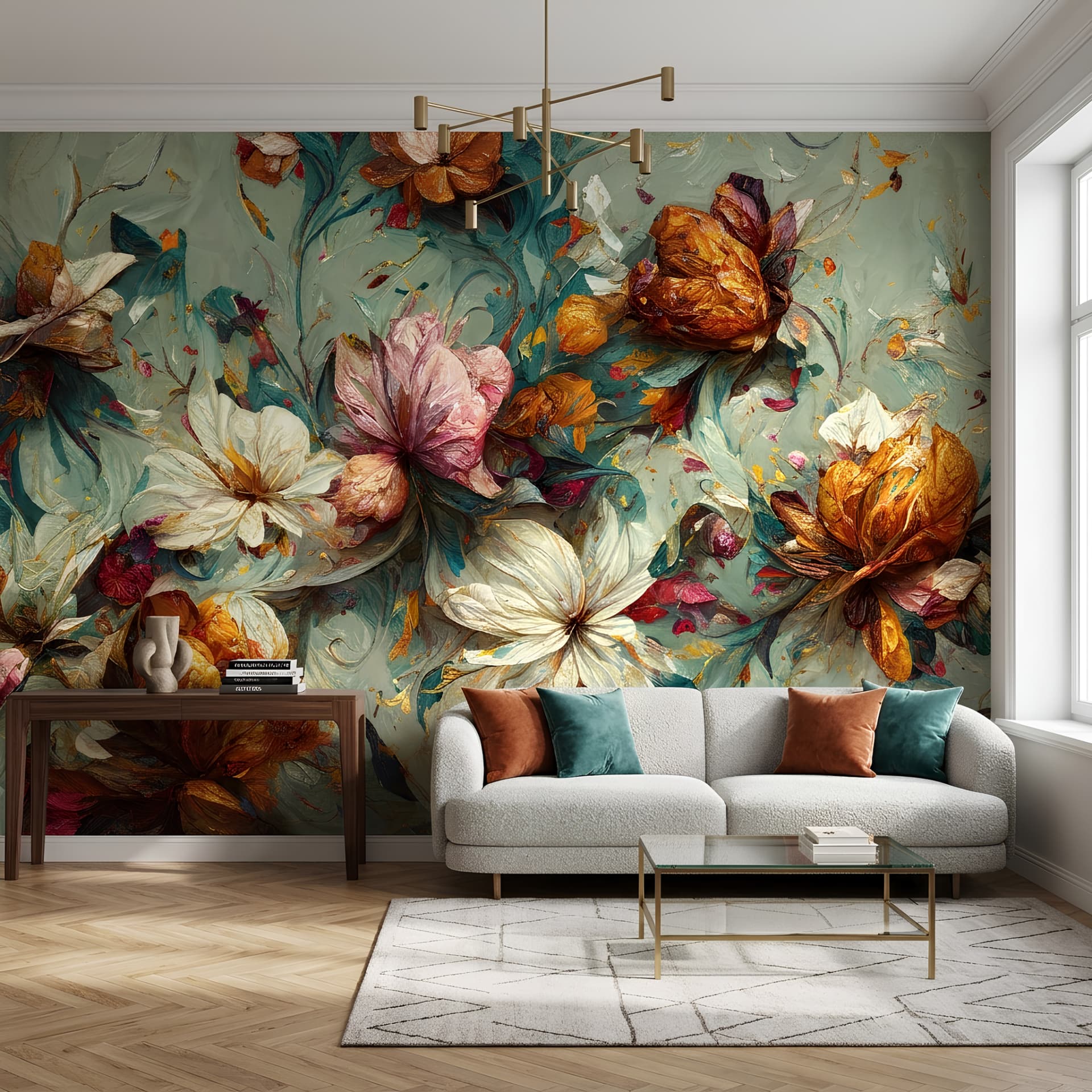
Searches for "wall panels" have shot up over the last couple of years. You see them everywhere on Instagram and Pinterest — those raised, three-dimensional wall coverings. They look good, no argument there. But the real question in any wall panels vs wallpaper decision is this: do they still look like that once they're actually on your wall? And what do they do to your budget?
In this article I'll put wall panels head to head with wallpaper — on cost, on fitting, and on how happy you'll still be a few years down the line. By the end you'll be able to decide for yourself which one is right for you.
What Is a Wall Panel?
A wall panel is a rigid or semi-flexible covering board that mounts onto the wall. There are a few different types:
- PVC (foam) panel: The cheapest of the lot. Foam-based, lightweight, glued straight on. Roughly 80–200 TL per square metre.
- Polyurethane (PU) panel: Better quality, heavier. The texture looks realistic. Around 250–600 TL per square metre.
- MDF / timber panel: The priciest, but also the most hard-wearing. Anywhere from 400–1,200 TL per square metre.
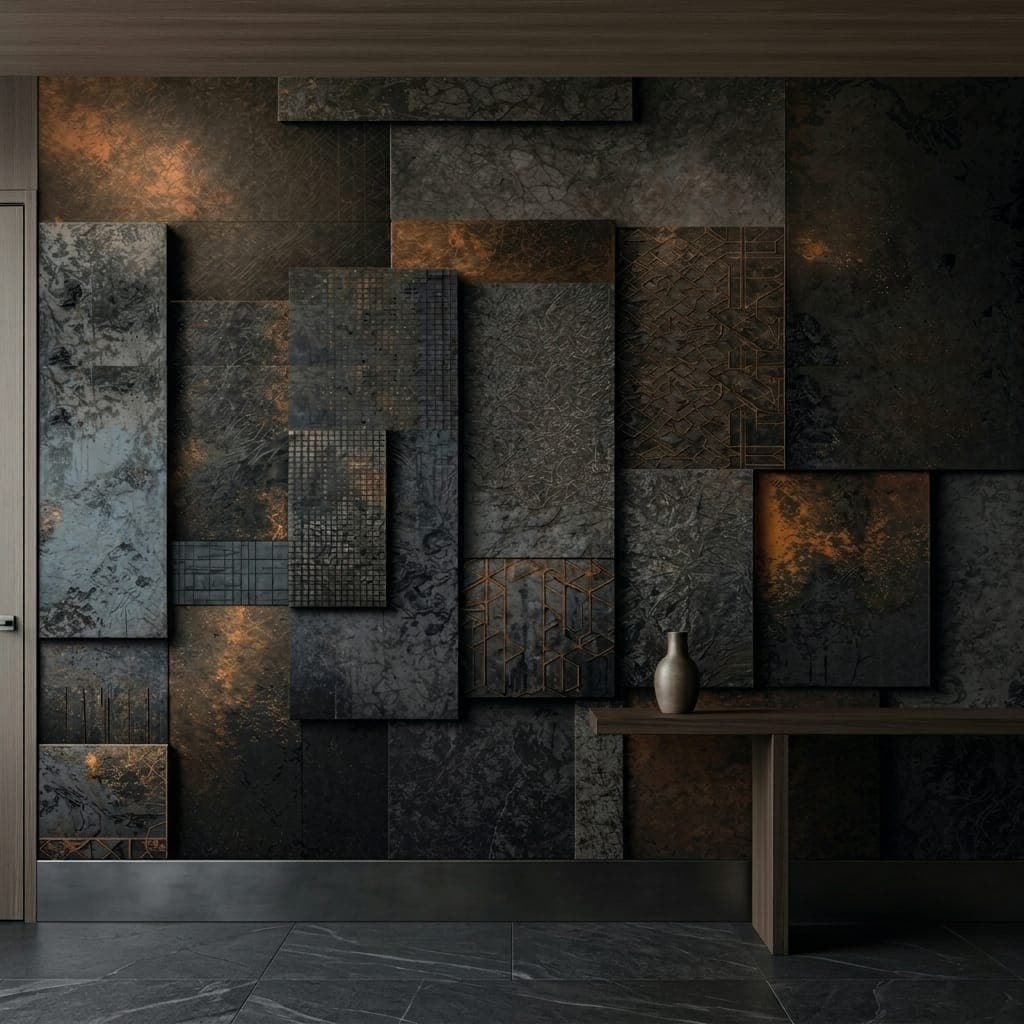
- 3D wall panel: Usually made from PVC or PU, with geometric raised patterns. 150–500 TL/m².
So What Does Wallpaper Bring to the Table?
I'll skip past the old roll wallpapers — let me talk about digital print wallpaper instead. That's the only way to make the comparison a fair one.
Digital print wallpaper takes whatever image, pattern or texture you want, prints it to your exact measurements and applies it to your wall. In other words, the "3D, textured" effect a panel gives you, wallpaper gives you too — just on a flat surface.
The price? Between 850–1,050 TL per square metre — made to measure, zero waste. It sits in the same band as upper-segment panels, but installation is far lighter and faster.
Panel vs Wallpaper: The Numbers Side by Side
| Option | Material (TL/m²) | Weight | Pattern choice | Lifespan | Removal |
|---|---|---|---|---|---|
| PVC / foam panel | 80–200 | Light | Set designs | 2–3 yrs (may yellow) | Hard, can mark the wall |
| Polyurethane (PU) panel | 250–600 | Heavy | 20–30 designs | 8–10 yrs | Hard |
| MDF / timber panel | 400–1,200 | Heavy | Limited | 10+ yrs | Very hard |
| 3D PVC panel | 150–500 | Light–medium | Geometric sets | 3–7 yrs | Hard |
| Digital print wallpaper | 850–1,050 | Light | Unlimited (any image) | 8–15 yrs | Peels off cleanly |
Comparison Table
No more preamble — let's put the two options side by side:
- Price (per m²)
- Wall panel: 150–600 TL | Digital wallpaper: 850–1,050 TL (made to measure)
- Fitting time (10 m² wall)
- Panel: 3–5 hours (cutting + mounting) | Wallpaper: 1–2 hours (paste and apply)
- Weight
- Panel: Heavy (especially PU and MDF) | Wallpaper: Light, no strain on the wall
- Pattern choice
- Panel: 20–30 set designs | Wallpaper: Unlimited (you can even print your own photo)
- Removal / changing
- Panel: Difficult, can damage the wall | Wallpaper: Strips off easily, wall stays intact
- Moisture resistance
- Panel: Good (PVC) | Wallpaper: Good (textile and vinyl papers suit damp areas)
Where Wall Panels Win
Fair's fair — there are genuine areas where panels come out on top:
- Physical texture: You really feel it when you run your hand over it. Stone, brick and timber textures can look convincing up close.
- Sound dampening: Thicker PU and MDF panels in particular take the edge off some noise. In a flat, that counts for something.
- Impact resistance: In a house with kids, a panel can stand up to knocks and bumps better.
But Panels Have Their Drawbacks Too
Here's the part Instagram won't show you:
- Visible seams: Panels go up piece by piece. However carefully you do it, the joints start to show over time. With plain-coloured panels especially, that's unavoidable.
- Dust traps: Raised surfaces hold dust. Cleaning them is far more of a chore than wiping down flat wallpaper.
- Yellowing: Cheap PVC panels can yellow after 2–3 years. On sun-facing walls it happens faster.
- A nightmare to remove: Prising off glued panels is a bit like taking the wall off with them. If you're renting, it's a quick way to fall out with your landlord.
Where Digital Wallpaper Wins
The points where wallpaper edges ahead of panels:
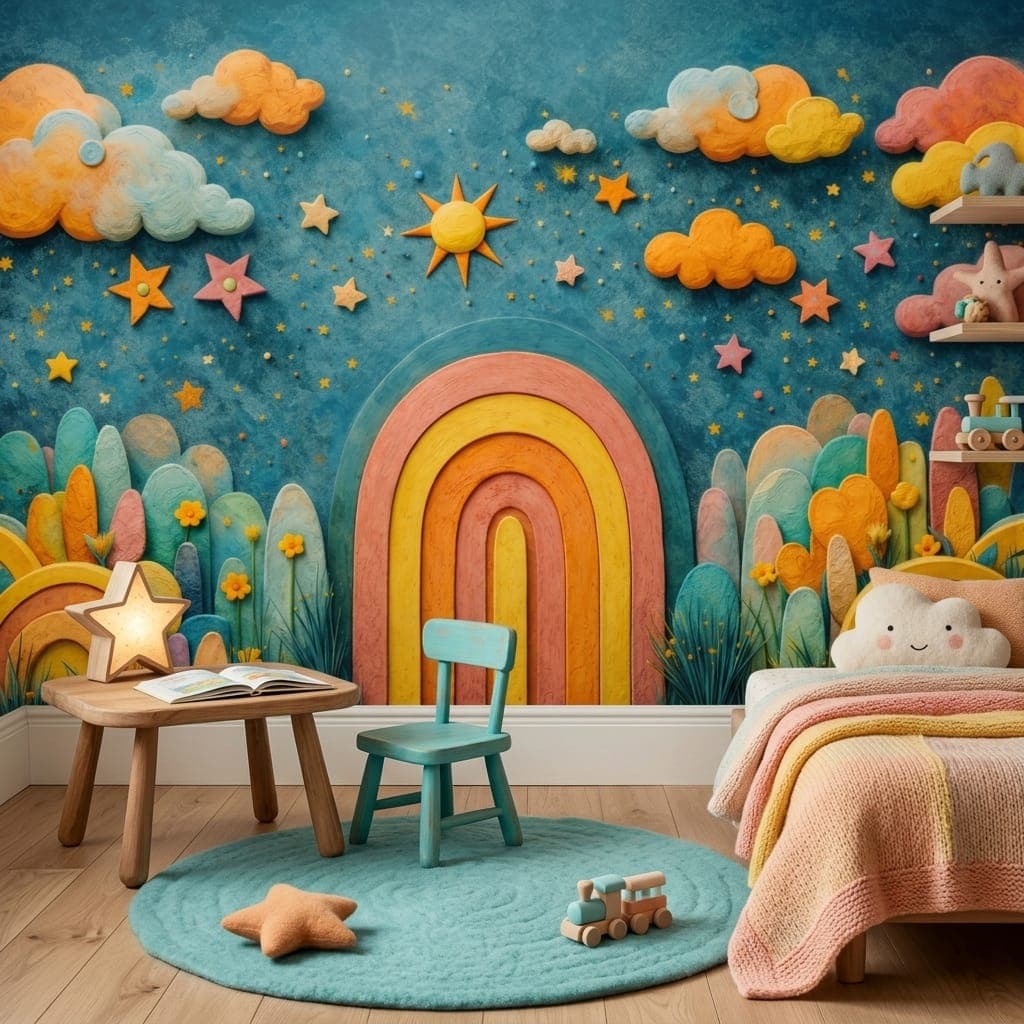
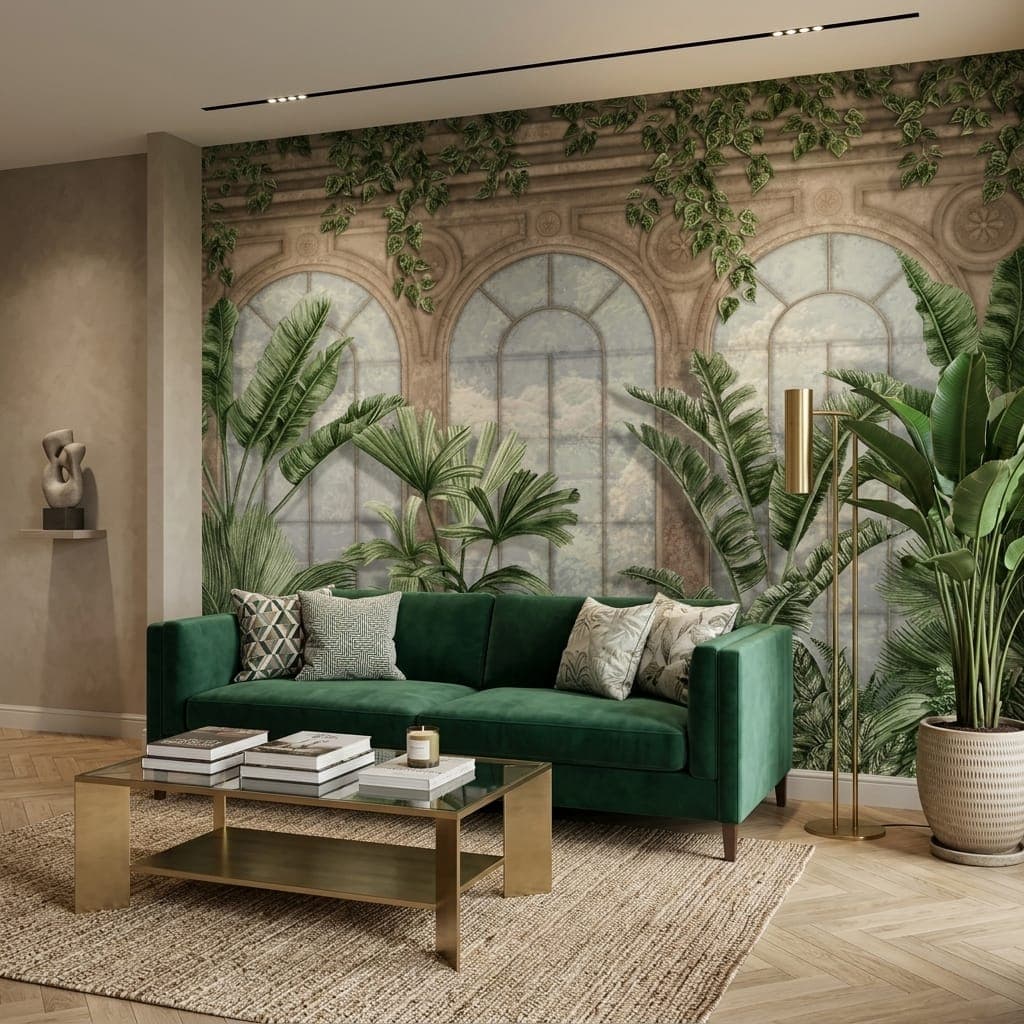
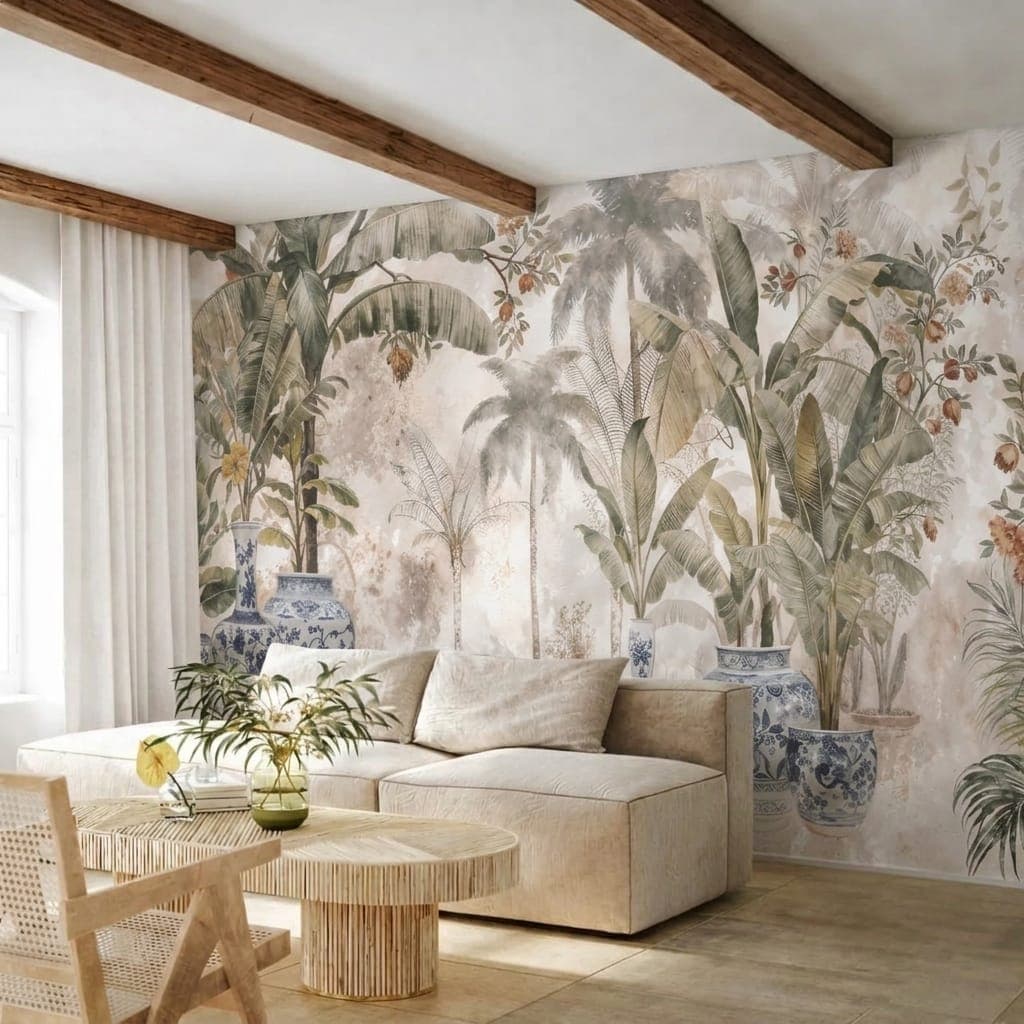
- Unlimited patterns: Tropical jungle? Marble texture? Geometric? A children's theme? Whatever you like. You can even have your own photo printed.
- Made to measure: Is your wall 287 cm x 418 cm? It's printed to exactly that size. No offcut waste, no seams.
- Easy to fit: You paste the wall, you hang the paper. A fitter will finish a 10 m² wall in an hour.
- Easy to remove: At the next redecoration it peels away and the wall underneath is left perfectly sound.
- Cost advantage: For the same budget you'll cover three times the area.
Which Should You Choose, and When?
Go for a wall panel if:
- Physical texture really matters to you (think hotel lobbies, office entrances)
- Budget isn't a constraint
- You own the place and you're thinking long term
- You need some sound dampening
Go for digital wallpaper if:
- Budget matters (usually the deciding factor in the end)
- You're renting
- You like to change your décor often
- You want a specific pattern or photo
- You're covering large surfaces like a child's room, bedroom or living room
A Real-World Comparison
Here's a scenario we hear from customers all the time: "I want to do something with the wall behind the TV in the living room." That wall is usually around 8–12 m².
With 3D PVC panels: 12 m² x 200 TL = 2,400 TL materials + 1,500 TL labour = 3,900 TL
With digital print wallpaper: 12 m² × 850 TL (premium textile) = 10,200 TL materials + ~2,000 TL fitting = ~12,200 TL
On upfront cost the panel wins by a wide margin. What printed wallpaper gives you is elsewhere: exactly the design you want out of 1,000+ patterns, made to your size, with no offcut waste and none of the moulded look of a panel. A panel gives itself away as plastic the moment you touch it; printed wallpaper reads as the wall itself. If budget comes first, choose the panel; if the look and originality come first, printed wallpaper is the better choice.
What About Using Both Together?
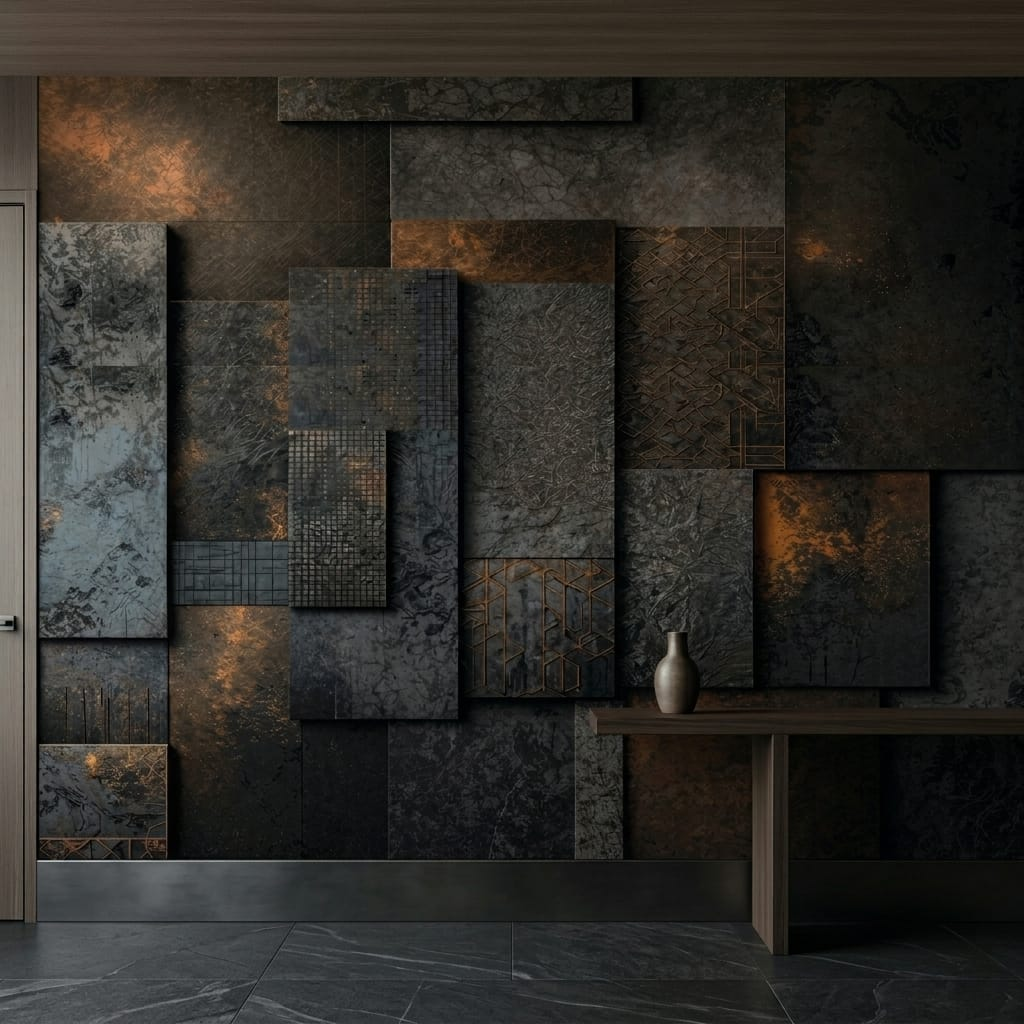
Why not? Some of our customers build a slim MDF frame (a beading trim) behind the TV and fill the inside with digital print wallpaper. That way you get both the frame's texture and the freedom of pattern in one go — and the cost stays reasonable.
This combination looks especially lovely in living rooms and bedrooms. The "luxury frame" feel of the panel meets the "any pattern you want" freedom of wallpaper.
The Verdict on Wall Panels vs Wallpaper
Wall panels are a good product, but they're not for everyone. They're expensive, fiddly to fit and limited on pattern choice. Digital print wallpaper, on the other hand, is budget-friendly, flexible and modern. And as the technology improves, so does the print quality — 3D-effect wallpapers now genuinely look like the real panel.
If you want to give a wall in your living room, bedroom or child's room some character, here's what I'd suggest taking a look at:
- Nature-themed wallpaper
- Geometric wallpaper — a practical alternative to panels
- 3D wallpaper designs and prices
- Wallpaper price guide
The Hybrid Answer: Panel-Look Wallpaper
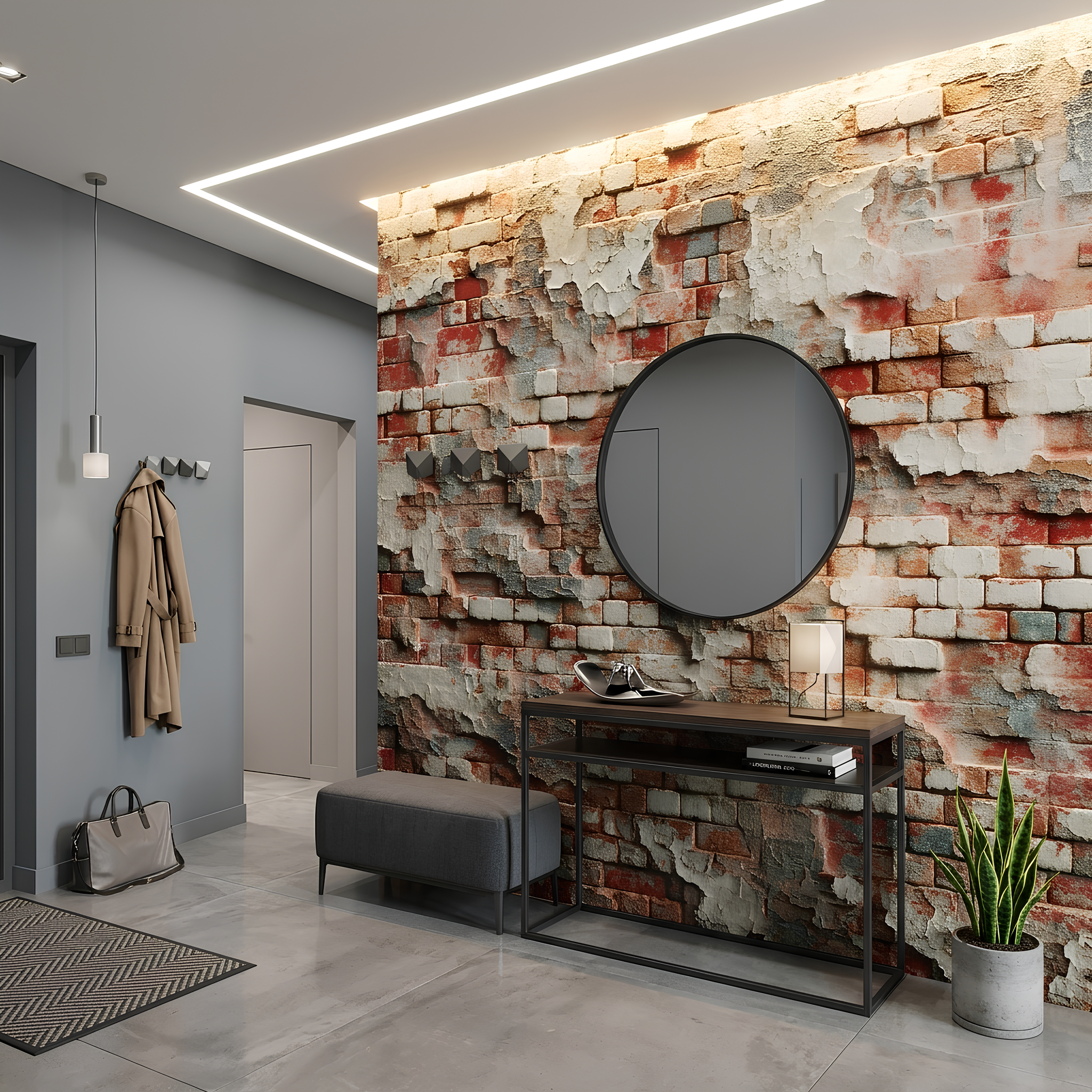
If you're asking for the middle ground between the two worlds, our answer is clear: panel-look designs. Beading, wainscoting and rectangular panel compositions are printed so realistically with digital printing that from a metre or two away it's hard to tell them from real MDF panelling. The cost difference is striking: real fitted panelling sits in the 900–1,800 TL/m² band, while panel-pattern wallpaper is 850–1,050 TL/m² and goes up in half a day. If you're renting or you'd rather not drill into the wall, this hybrid makes the whole debate redundant.
The Truth About Sound and Heat Insulation
Let's set the record straight on the "insulation" claim panel sellers love to push: an 8–12 mm MDF panel does not measurably cut sound transmission — it only softens the echo within the room a little, and textile wallpaper does much the same. Real soundproofing is a job for rock wool plus plasterboard systems; heat insulation is an entirely separate discipline. Take insulation out of the equation when you decide; what's left to compare is looks, budget and ease of fitting — and on all three, the table above tells the story.
The Verdict in a Single Paragraph
Let's boil the whole comparison down to one decision: in high-traffic, impact-prone spots where the brief is "protect the wall" (the lower band of a hallway, a staircase), real panelling still has the edge; where visual richness, freedom of pattern, budget and speed come first, wallpaper leads on every count; and for those who love the panel look but not the panel price, panel-pattern wallpaper is the sweet spot. In the one scenario where the doubt lingers — where prestige and durability are both wanted on the same wall — real panelling on the lower band and textured wallpaper above brings the two worlds together on a single wall.
From our shop
Wallpapers You Might Like
3D White Stone Brick Textile Wallpaper
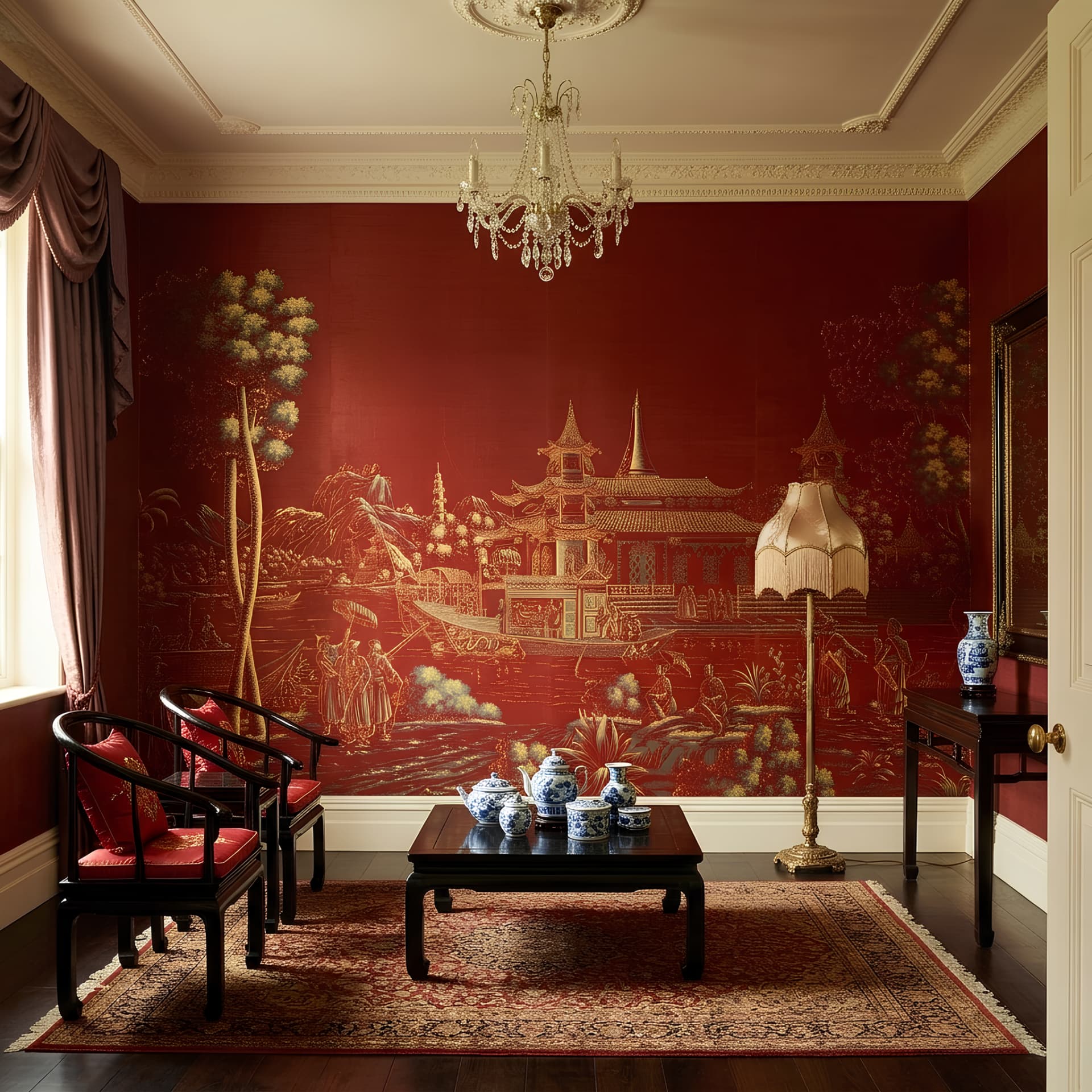
Classic Chinese Motif Burgundy Wallpaper
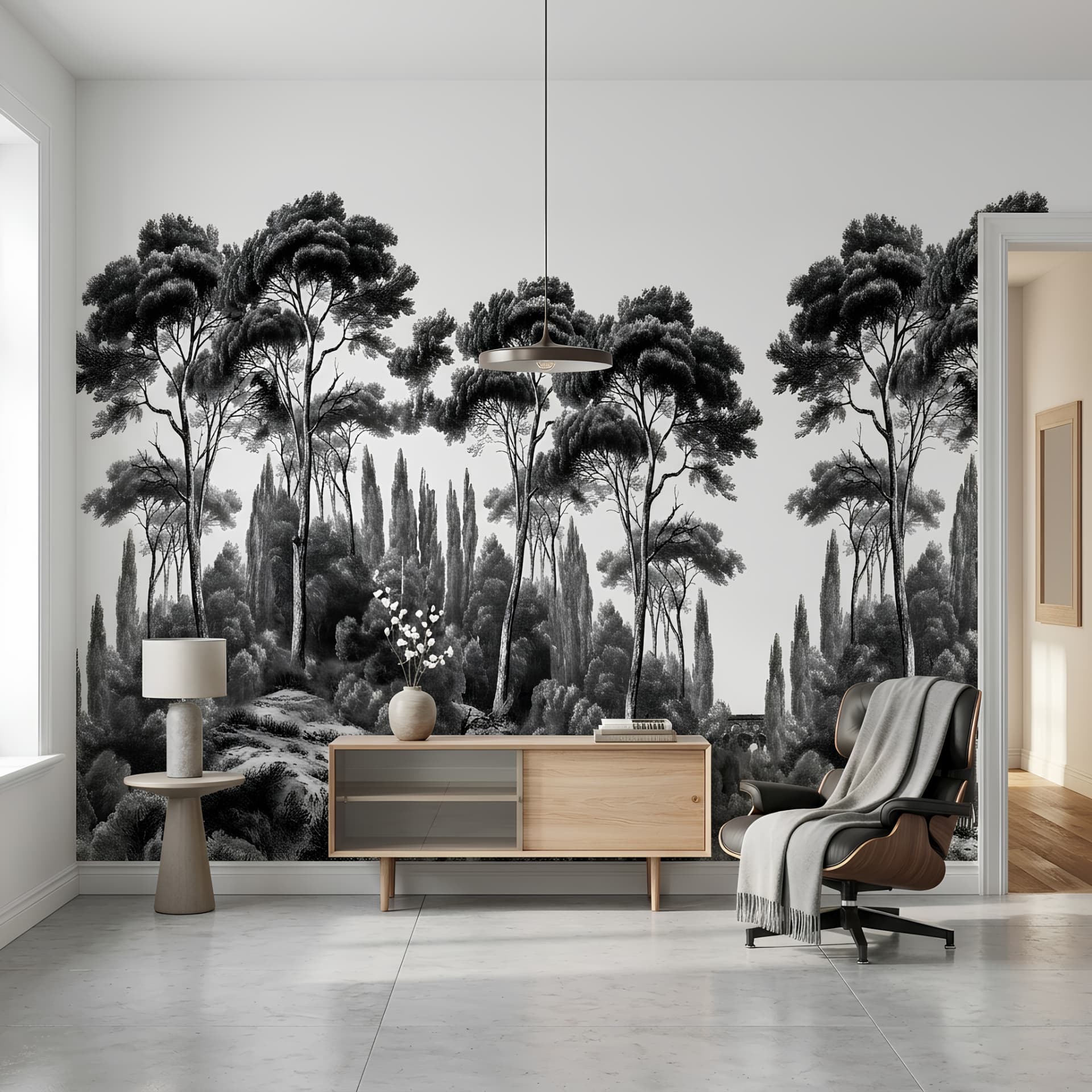
Black & White Vintage Forest Wipeable Wallpaper
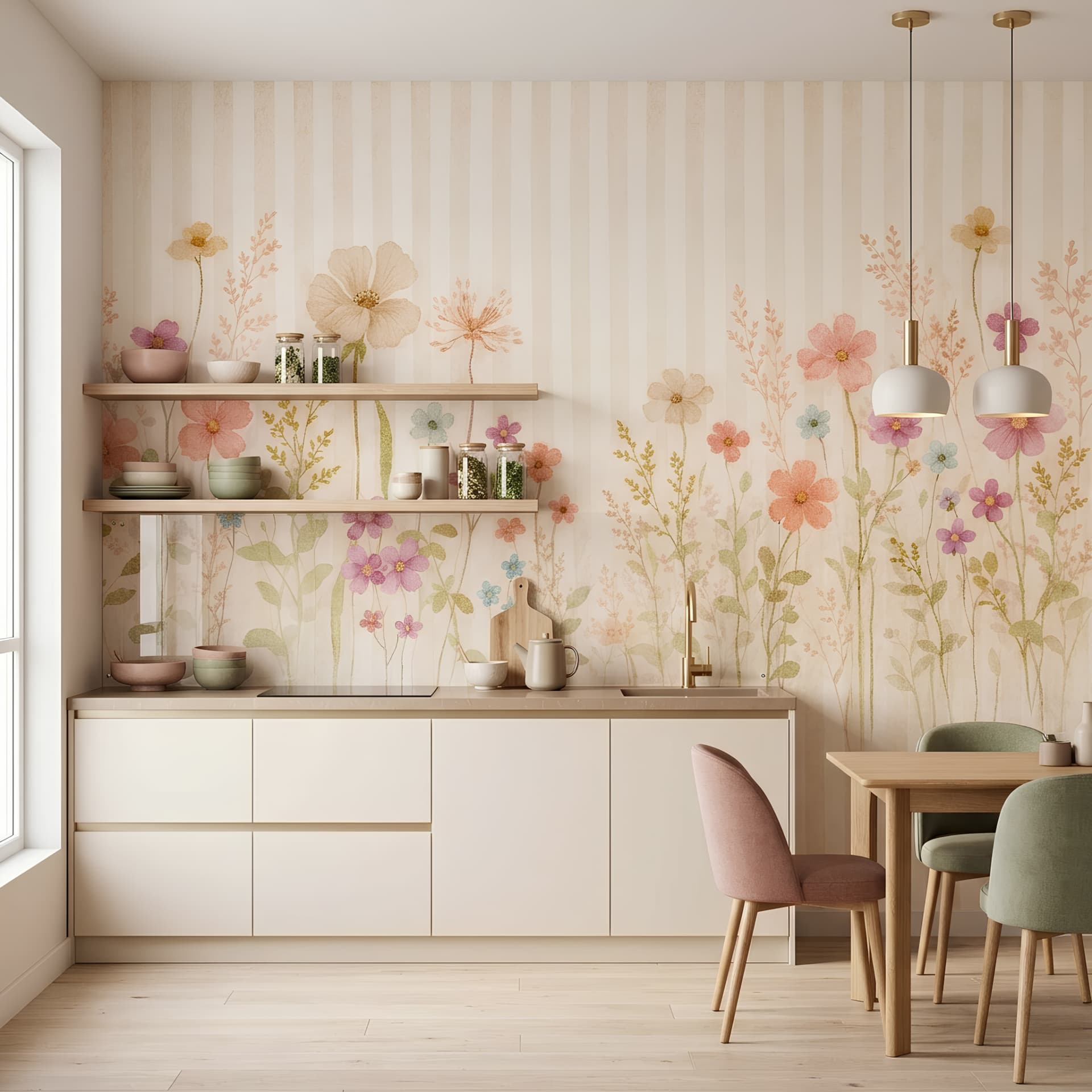
Pastel Spring Garden Striped Wallpaper
DA
Dekoartizan Tasarım Ekibi
Duvar kağıdı sektöründe uzmanlaşmış tasarım ve içerik ekibimiz, iç mekan dekorasyonu, malzeme bilgisi ve uygulama teknikleri konusundaki birikimlerini bu rehberlerde paylaşıyor. Tüm içerikler saha deneyimi ve güncel sektör verileriyle desteklenir.
İçeriklerimiz saha deneyimi ve sektörel uzmanlığa dayanır
wall panels vs wallpaper3d wall panelsfeature wall ideasdecorative wall panelscustom printed wallpaperaccent wall cost