Loading article…
how to clean wallpaperwallpaper carewashable wallpaper
How to Clean Wallpaper: What to Use and How to Do It Right
How you clean wallpaper depends on the material. Vinyl wipes down with soapy water, non-woven only takes a damp cloth, textile prefers dry cleaning. Step-by-step guide and a stain chart inside.
D
By Dekoartizan Tasarım Ekibi··9 min read

The right way to clean wallpaper comes down to what it's made of. Vinyl surfaces are the easiest: wipe them with a microfibre cloth dampened in pH-neutral soapy water and wrung out well.
Non-woven (fibre-based) papers don't like water; clean them with a lightly damp cloth only, without pressing. On a textile backing, dry cleaning comes first: a vacuum with a soft brush head or a dry microfibre cloth. Below you'll find a step-by-step method for each material and fixes for 12 common stains.
What Do You Clean Wallpaper With? A Quick Chart by Material
The mistake we see most often in our production workshop is people doing a "one-size-fits-all" clean without knowing what their paper is made of. With the wrong product, a single wipe can leave a permanent mark. Identify your paper first:
- Vinyl wallpaper: Dish soap + warm water (1 teaspoon per litre). The most durable surface; it's in the washable, even scrubbable, class.
- Non-woven wallpaper: A lightly damp microfibre cloth only. If you need detergent, make it pH-neutral and heavily diluted.
- Textile (fabric) wallpaper: Dry cleaning is the rule: soft-brush vacuum, dry cloth. Wet cleaning only on a local stain and with minimal moisture.
- Self-adhesive film: A damp cloth + a few drops of detergent. Keep water away from the edges; the adhesive layer can loosen.
| Material | Routine care | Wet cleaning | Never use |
|---|---|---|---|
| Vinyl | Dry dust, then a damp microfibre cloth | pH-neutral soapy water (1 tsp per litre); washable, even scrubbable | Bleach, ammonia, abrasive powder |
| Non-woven | Dry or lightly damp cloth | Damp cloth only; heavily diluted pH-neutral if needed | Soaking, dripping water, steam |
| Textile | Soft-brush vacuum, dry cloth | Local stain only, minimal moisture, dab do not rub | Steam, soaking, hard brushes |
| Self-adhesive film | Damp cloth | Damp cloth with a few drops of detergent | Water pooling at the edges |
If you're not sure which type you have, check our vinyl vs non-woven comparison guide or look at the product detail in your order email.
How to Clean Wallpaper: The Right Method in 6 Steps
1. Remove the Dust
Before any wet cleaning, lift the surface dust with a dry microfibre cloth or a soft-brush vacuum. Pressing a wet cloth onto dust turns it into mud and pushes it into the paper's texture.
2. Test in a Hidden Corner
Try your mixture first on a 10×10 cm patch behind furniture. Wait 10 minutes; if there's no colour bleed, dulling or bubbling, carry on.
3. Mix Your Solution
One teaspoon of pH-neutral dish soap per litre of warm water is plenty. Bleach, ammonia, acetone and abrasive powders are banned on every type of paper — they lighten colour and wreck the texture.
4. Wipe Top to Bottom
Wring the cloth out well; it should be damp enough not to drip. Work from the ceiling down to the skirting in broad, straight strokes. Wiping upward runs dirty water onto clean areas and leaves streaks.
5. Rinse
Dampen a second cloth with clean water only and lift off any detergent residue. Leftover residue yellows the surface over time and attracts dust.
6. Dry It
Pat lightly dry with a dry microfibre cloth. If water has seeped into the seams, you can use a hair dryer on low heat from 20–30 cm away.
Stain Removal Chart: 12 Common Stains and Their Fixes
The golden rule for every stain is the same: act before it dries. A dried stain works into the fibre and usually becomes permanent.
Oil and Grease
Sprinkle cornstarch or baby powder on the fresh stain, wait 15 minutes and lift it with a soft brush. Wipe any remaining mark with a damp soapy cloth. For walls near the kitchen, our kitchen and bathroom guide has stain-resistant paper recommendations.
Pencil and Crayon
Rub gently with a white eraser without crushing the texture. If that fails on vinyl, try a baking-soda paste (baking soda + a few drops of water).
Ballpoint Pen and Ink
On vinyl, drip 70% isopropyl alcohol onto a cotton swab and dab the stain only, without rubbing. On non-woven and textile, alcohol can lighten the colour — test first, and call a professional if possible.
Coffee and Tea
Blot it up immediately with a dry cloth (don't rub). Then wipe the whole stain — not just the dark spot — with soapy water, or you'll be left with a ring mark.
Damp and Mould Spots
Wipe the spot with a mix of 1 part white vinegar to 3 parts water, then air the room and dry it completely. If mould keeps coming back, the problem isn't the paper, it's the wall: no clean will last until you fix the source (a leak, poor insulation).
Cigarette Soot and Yellowing
On vinyl, a two-stage wipe — soapy water, then vinegar water — reduces yellowing. On textile the soot particles work into the fibre, so professional dry cleaning is needed; if that gets nowhere, weigh up the cost of replacing it.
Cleaning Textile Wallpaper: A Discipline of Its Own
Most DEKOARTİZAN products are premium textile-backed, which is why this section matters. On a textile surface, weekly care means vacuuming on low suction with a soft-brush head. For a local stain, dampen a white, lint-free cloth minimally and dab without pressing. Any clean that soaks the fabric risks rippling at the seams.
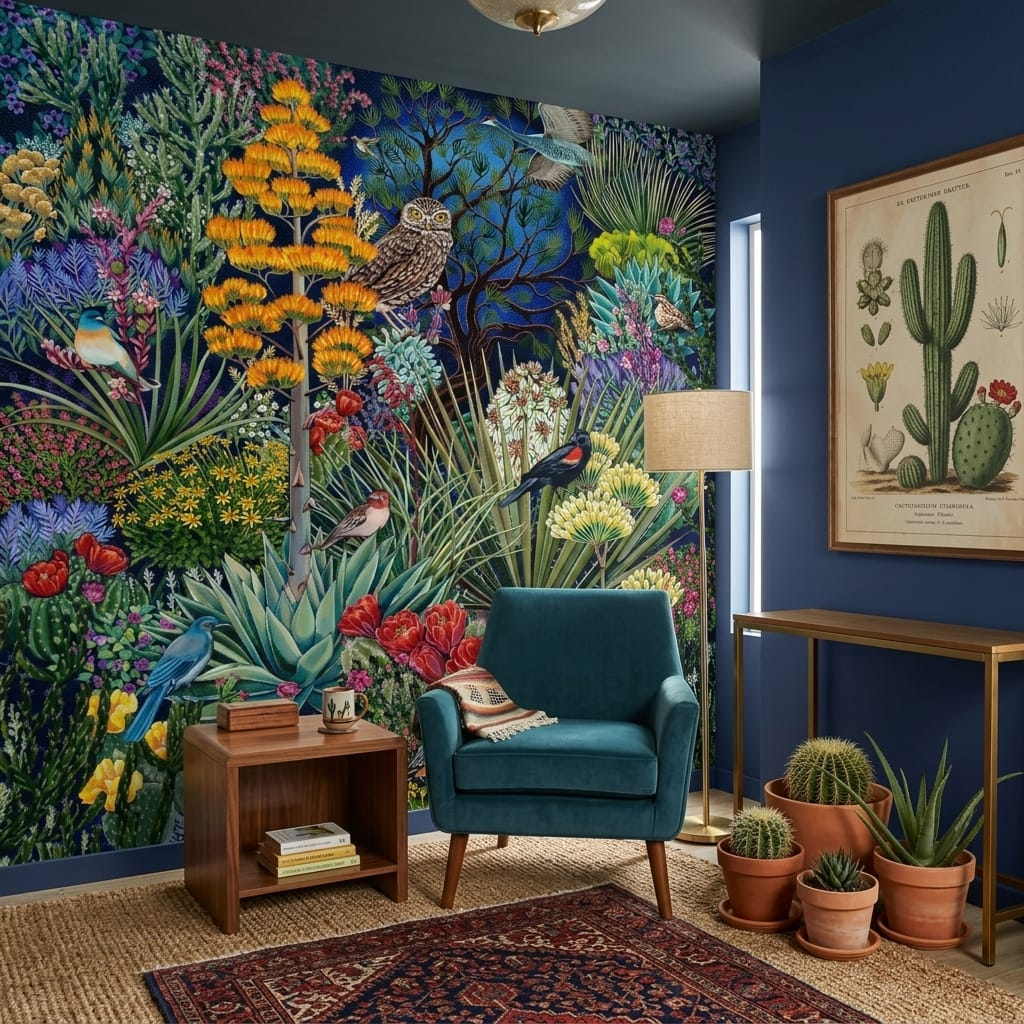
The general rule: with textile, "less intervention is the best intervention." One general dry clean a year keeps it fresh across its 10–15 year lifespan.
Things You Must Never Do
- Don't use a steam cleaner. Steam loosens the adhesive and seams open up. (Steam is only useful when you want to strip the paper.)
- Don't use a coloured or fluffy cloth. It transfers colour and leaves lint; white microfibre is ideal.
- Don't scrub in circles. It leaves matte rings on glossy vinyl and texture damage on textile. Wipe in straight lines.
- Don't spray directly. Spray the cleaner onto the cloth, never onto the wall. Liquid seeping from the seams is the number-one cause of bubbling.
- No hard brushes or the green side of a dish sponge. The micro-scratches are invisible at first and show up later as dull patches in the light.
Seasonal Care Calendar
- Weekly: Dust with a soft head (especially textile and dark-coloured papers).
- Monthly: Check the seams and around sockets; spot-wipe high-touch zones (around doors, hallways).
- Every 6 months: A general soapy wipe on vinyl surfaces; drop this to 3 months in the kitchen and bathroom.
- Yearly: A general dry clean for textile; check sun-facing walls for fading.
If You Don't Know Your Paper Type: 3 Simple Tests
If you've moved into an old house or can't find the invoice records, these tests will tell you the type:
The Drop Test
Drip a single drop of water onto an inconspicuous corner. If the drop beads on the surface, it's a vinyl/washable surface; if it soaks in within 5–10 seconds, it's non-woven or textile and wet cleaning is risky.
The Touch Test
Run a fingertip over it: a plastic feel and slight sheen point to vinyl, a fabric/linen feel to textile, and a matte paper-felt texture to non-woven.
The Corner Test
Lift the paper gently with a fingernail at an invisible spot above the skirting. A film layer that stretches and gives = vinyl; a structure that separates fibre by fibre = a paper backing. This test also tells you the right stripping method.
A Room-by-Room Cleaning Strategy
Kitchen
Steam and grease aerosol are the most punishing pair. Wipe the paper behind the worktop and around the hob once a month with soapy water; using the extractor hood properly adds 2–3 years to the paper's life. In this zone we recommend nothing but washable film.
Bathroom
The problem isn't water splashes, it's condensation. Ten minutes of ventilation after a shower brings the mould risk close to zero. Wipe around the mirror and basin weekly with a dry cloth; once a month do a preventive wipe with vinegar water (1:3).
Children's Room
The way to handle the trio of crayon, stuck-on stickers and fingerprints is choosing the right type: on a washable surface, all of these come off without a trace. When removing stickers, don't pull them off dry; warm them with a hair dryer for 10 seconds.
Living Room and Bedroom
The lowest-risk areas; weekly dusting is enough. The real enemy is the sun: on a wall in direct light all day, noticeable fading starts within 3–4 years. Sheers or blinds and a UV-filter window film slow fading considerably.
When Do You Need Professional Cleaning?
Don't tackle these three situations yourself: (1) large-area soot/smoke damage — after a fire or heavy smoking; (2) old, spread-out stains on textile paper; (3) any risky stain on a valuable custom-design application. Most upholstery-cleaning firms also service textile wallpaper; before the job, always ask about their "wallpaper experience" and request a test on a small area. Typical professional care costs 80–150 TL/m² (2026) — low next to the cost of replacement.
Frequently Asked Questions
Can wallpaper be wiped with a wet cloth?
Vinyl can; non-woven and textile should only be cleaned with a "damp" (non-dripping) cloth. A wet cloth causes bubbling on non-woven and a stain ring on textile.
Can you use detergent to clean wallpaper?
pH-neutral dish soap is safe at a ratio of 1 teaspoon to 1 litre of water. Bleach, surface-cleaner sprays and ammonia-based products should not be used.
Which wallpaper is washable?
The "washable" class is largely vinyl-surfaced papers. On DEKOARTİZAN product pages, each paper's washability level is listed in the material information; you can filter for it while browsing the categories.
How do you get rid of yellowing on wallpaper?
For yellowing caused by smoke and kitchen steam, a two-stage wipe on vinyl (soapy water + vinegar water) gets results. Sun-related fading is physical, not chemical; it can't be reversed, but a UV-filter window film stops it progressing.
For a children's room, which type is easiest to clean?
Washable vinyl surfaces are ideal for a children's room; crayon and fingerprints come off in a single wipe. In our children's room guide we list options that are both safe and easy to clean.
The cleaning went wrong and the paper is stained — what can I do?
The big advantage of custom-size production is this: you can reprint one wall's design at the exact same size. Get in touch — we'll find the pattern and dimensions of your old order in our records and produce just the damaged section.
From our shop
Wallpapers You Might Like

3D White Stone Brick Textile Wallpaper
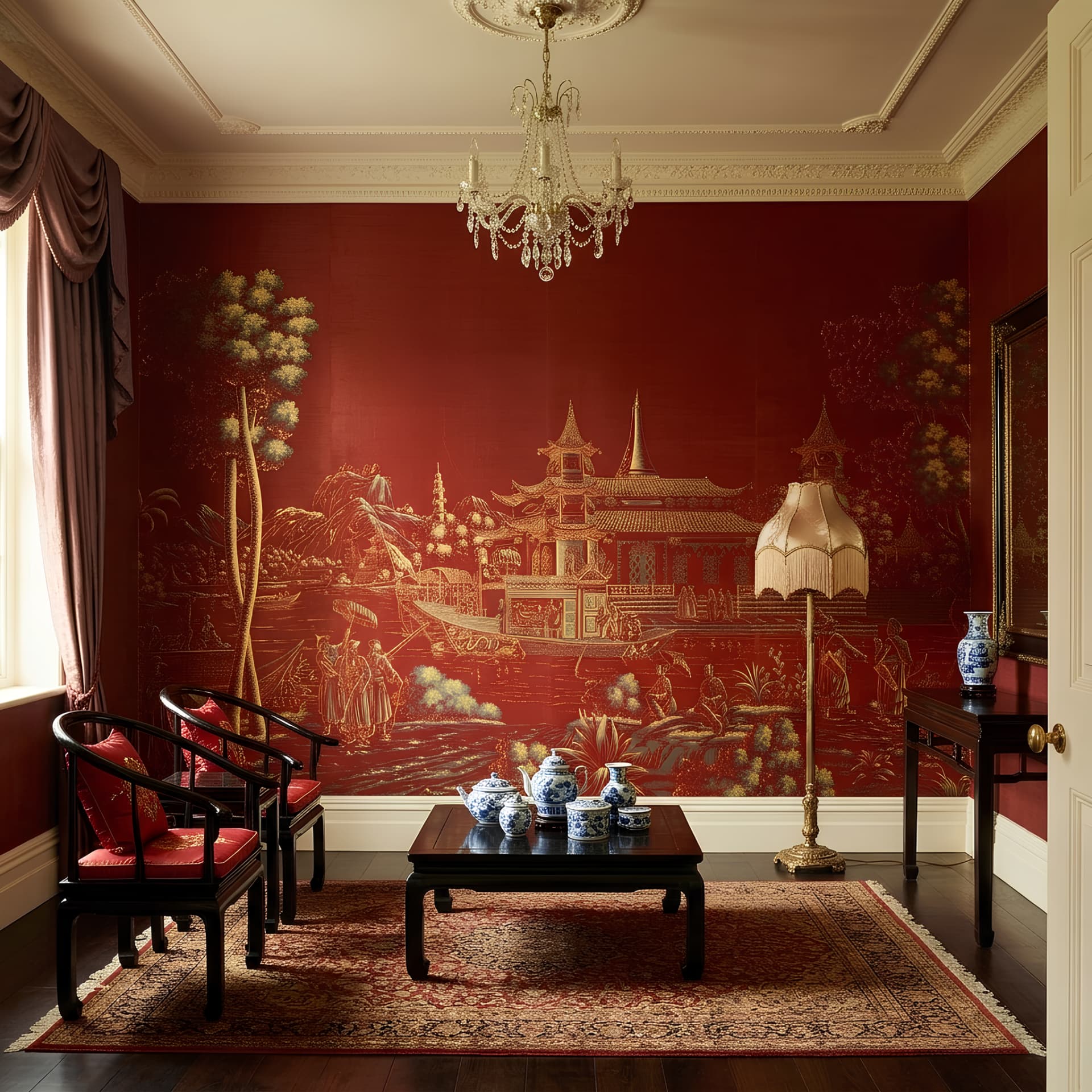
Classic Chinese Motif Burgundy Wallpaper
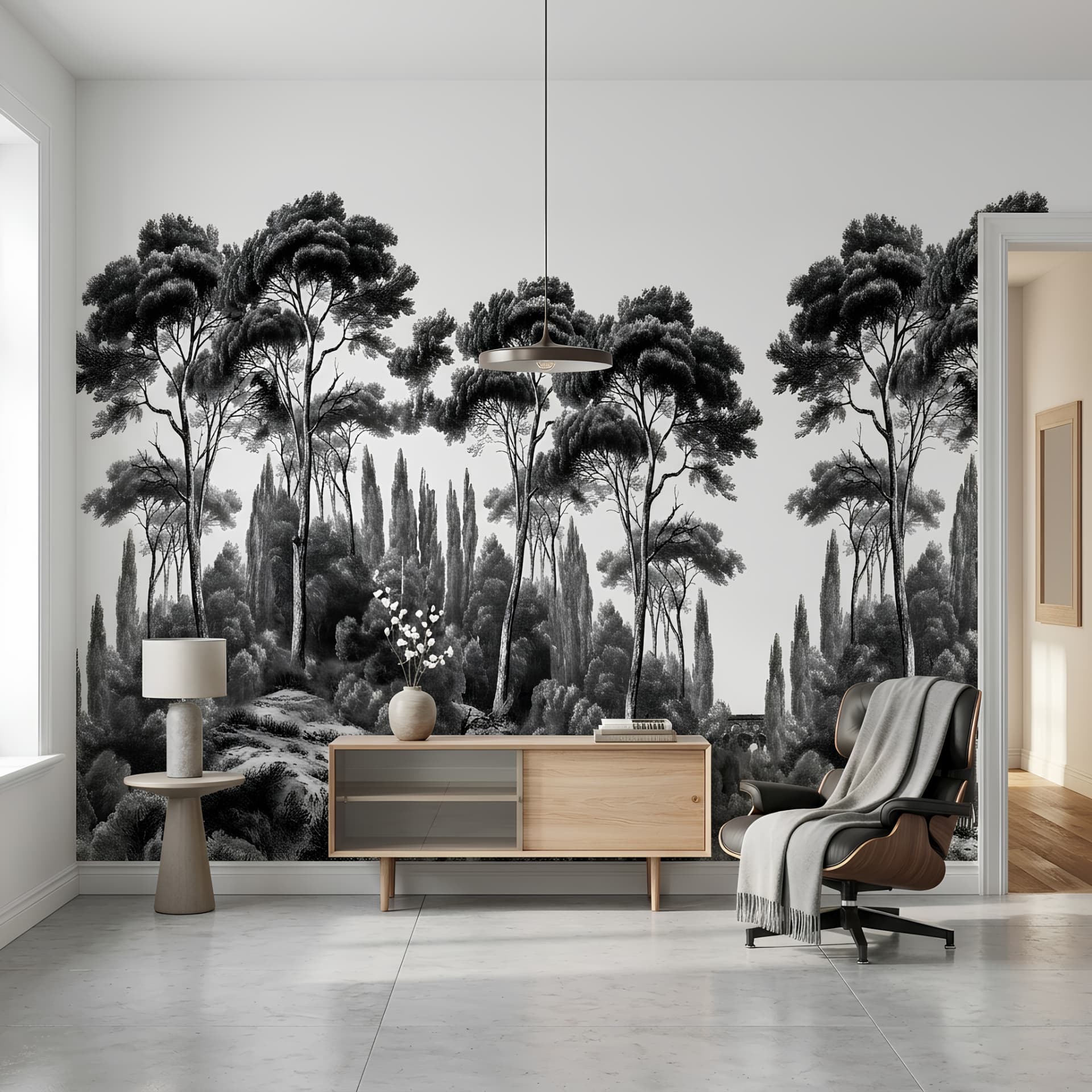
Black & White Vintage Forest Wipeable Wallpaper
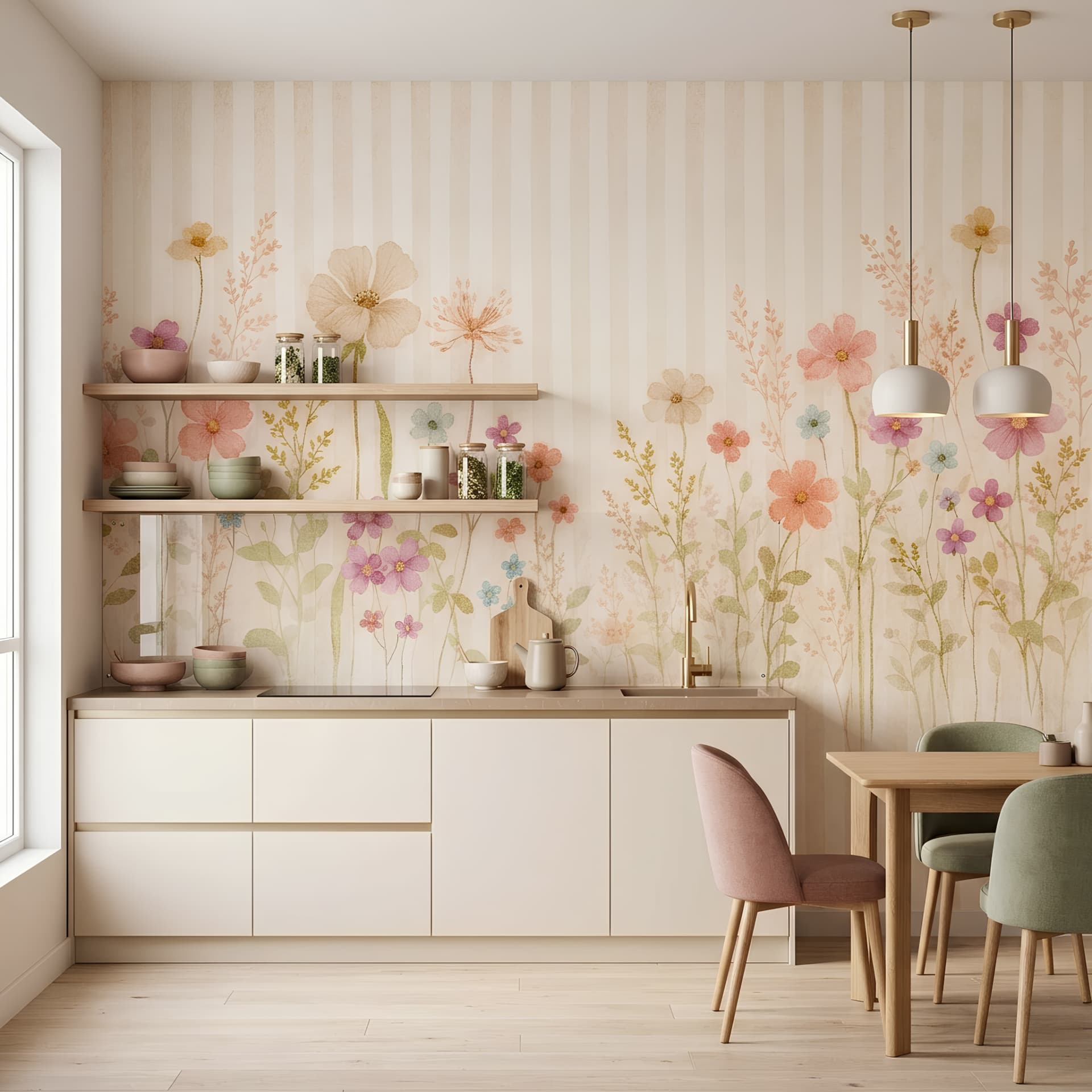
Pastel Spring Garden Striped Wallpaper
D
Dekoartizan Tasarım Ekibi
Dekoartizan Tasarım Ekibi, DEKOARTİZAN bünyesinde duvar kağıdı tasarımı ve iç mekan dekorasyonu alanında içerik üretmektedir.
İçeriklerimiz saha deneyimi ve sektörel uzmanlığa dayanır
how to clean wallpaperwallpaper carewashable wallpaperwallpaper stain removalvinyl wallpaper cleaning