Loading article…
how to remove wallpaperwallpaper removal solutionstripping wallpaper
How to Remove Wallpaper Without Damaging the Wall (Step by Step)
The secret to stripping wallpaper is the right solution: 1 part white vinegar to 2 parts hot water. A step-by-step, damage-free method plus tips by wallpaper type.
D
By Dekoartizan Tasarım Ekibi··9 min read

The trick to learning how to remove wallpaper without damage is patience and moisture. Perforate the surface, apply a warm removal solution, leave it for 15-20 minutes, then peel from top to bottom with a wide scraper.
The best homemade solution: 1 part white vinegar to 2 parts hot water, or 2 tablespoons of washing-up liquid in 1 litre of hot water. Non-woven papers, on the other hand, usually come off dry and in one piece. Below you'll find the technique type by type, plus how to leave the wall ready to paint.
Wallpaper Removal Solution: Recipes and How to Use Them
The most common mistake we see on site is forcing a dry scraper across dry paper — it tears the plaster off and lands you a filler bill. The job of the solution is to reactivate the paste so the paper lets go on its own.
Homemade Solution (3 recipes)
- Vinegar (most effective): 1 part white vinegar to 2 parts hot water. The acidity breaks down cellulose-based paste in 10-15 minutes.
- Washing-up liquid: 2 tablespoons of washing-up liquid in 1 litre of hot water. Odourless, ideal if the smell of vinegar bothers you.
- Fabric softener: 1 part fabric softener to 3 parts hot water. Works surprisingly well on old, dried-out paste.
Ready-Made Removal Solutions
Enzyme strippers from DIY stores (gel or concentrate) run around 150-400 TL as of 2026. They save time on multi-layered old paper (2-3 coats stacked up) and large areas; on a single layer of current paper the homemade recipe does the same job.
Application Tip
The hotter the solution, the faster it works (warm enough not to scald your hand). Spraying it on with a garden sprayer is 3 times faster than wiping with a sponge. Wet 1-1.5 m² sections at a time rather than the whole wall at once, so the rest doesn't dry out while you strip.
How to Remove Wallpaper Step by Step, Damage-Free (6 Steps)
1. Preparation
Lay a plastic sheet along the skirting boards, switch the sockets off at the fuse box and remove the socket and switch plates. What you'll need: a wide scraper (10 cm+), a perforation tool or utility knife, a sprayer, a ladder and a bin bag.
2. Corner Test
Try a dry peel from a bottom corner. If the backing fibres come away with the paper layer, you're in luck: it's non-woven backed and will most likely come off without any solution.
3. Perforation
The waterproof surface of vinyl and washable papers won't let the solution through. Run a perforation roller (the "hedgehog" tool) over the surface to make micro-holes. No tool? Sparse diagonal scores with a utility knife also work — without pressing, just deep enough to nick the paper layer.
4. Apply the Solution and Wait
Wet the area and leave it for 15-20 minutes. Spray a second coat where it dries out. The right consistency: the paper turns matt and slides slightly when you press it with a finger.
5. Peel
Start from a seam and run the scraper at a 30-degree angle; a steep angle gouges the plaster. Work top to bottom in the largest pieces you can. Add more solution to any stubborn patch — never scrape dry.
6. Remove Paste Residue
Once the wall dries, run your hand over it: rough, shiny spots are paste residue. Wipe them off with hot soapy water. Any paint or new paper applied over residue is guaranteed to bubble.
Differences in Removal by Type
| Wallpaper type | Method | Typical time (10 m²) |
|---|---|---|
| Non-woven | Peel dry, top to bottom | 20-30 min |
| Vinyl | Peel the film, wet the backing, scrape | 1.5-2 hours |
| Self-adhesive film | Heat with a hairdryer, pull at 45° | Quick, no soaking |
| Multi-layer old paper | Work layer by layer, steam stripper | 3-4 hours |
Non-Woven Wallpaper
The easiest type: on most products, grab a corner and pull at a steady speed and it comes away dry and in one piece. Any marks left behind wipe off with a lightly damp sponge. DEKOARTİZAN's textile products are built on this backing — if you're a tenant who wants to leave the wall as you found it when moving, see our guide for renters.
Vinyl Wallpaper
It's two layers: first the top vinyl film peels off dry (usually comes away easily), then the paper backing left underneath is wetted with solution and lifted with a scraper. Perforation is only needed if the film won't peel.
Self-Adhesive Film
Lift a corner and pull while heating it with a hairdryer; the heat softens the adhesive. A slow, steady pull at a 45-degree angle leaves no marks. Any adhesive residue wipes off with isopropyl alcohol.
Multiple Layers of Old Paper
Older homes can have 2-3 layers of paper built up. You have to work layer by layer; this is the one scenario where a steam stripper earns its keep.
When Does a Steam Stripper Make Sense?
A steamer (hire ~250-500 TL per day) loosens the paste deep down. It speeds things up on 30+ m² areas, multi-layered old paper or delicate non-concrete surfaces. Caution: on plasterboard, don't hold the steam on one spot for more than 10 seconds — it blisters the card.
After Removal: Preparing the Wall for a New Covering
- Clean off the paste residue completely (step 6 above).
- Fill scraper marks and small dents with filler, then sand.
- Let the wall dry for 24 hours.
- If new wallpaper is going up, primer isn't essential but it evens out absorbency; if you're painting, primer is a must. For new paper, our application guide walks you through it step by step.
Special Cases: Plasterboard, Painted Walls and Skim-Coat Plaster
Removing Over Plasterboard
The card face of plasterboard isn't water-resistant; apply the solution at a "dampening" dose with the sprayer, don't soak it. Keep the wait time to 10 minutes and work section by section. Run the scraper at an angle against the paper, not the card; if the card peels, paint won't hold without filler. Old paper stuck straight onto unprimed plasterboard is the toughest scenario — here, go steam-free, patient and in small pieces.
Paper Stuck Over Paint
Good news: paper separates far more easily from a painted surface (especially silicone or oil-based paint) because the paste can't penetrate paint the way it does plaster. Start with the corner test; often half the solution will do.
Skim Coat + Unprimed Application
On a skim coat where primer was skipped, the paste may have bonded with the plaster. Don't force it: plenty of solution, a long wait (25-30 min) and a second round if needed. If plaster comes away in places, accept it — a thin filler coat was going to be needed anyway. This very situation is also the answer to why primer is essential on a new application.
Removal Cost: DIY vs. a Pro (2026)
If you hire a pro, removal is usually priced at 80-150 TL/m² + 100-200 TL/m² for filler-and-sand prep; for a 10 m² wall, a total in the 1,800-3,500 TL band is normal. Do it yourself and the material cost (vinegar, scraper, sprayer, sheeting) won't top 300-500 TL. On a single layer of current paper, DIY is a clear win; on a multi-layer-old-paper-plus-plasterboard combo, the pro earns their fee.
Tools You'll Need: The Full List
- Wide scraper (10-15 cm) — one with the sharp corners filed down scratches the plaster less
- Perforation roller (the "hedgehog") — essential for vinyl and washable surfaces
- Garden-type sprayer (2-5 L) — instead of a sponge; 3 times faster
- White vinegar + washing-up liquid — the solution ingredients
- Plastic sheeting + masking tape — skirting and floor protection
- Ladder, bin bag, gloves
- Optional: steam stripper (hired) — only for multi-layer/large areas
The 5 Most Common Removal Mistakes
- Dry scraping: Gouged plaster + a filler bill. Don't run a scraper without solution.
- Wetting the whole wall at once: The rest dries while you strip the first section; work in 1-1.5 m² slices.
- Pressing too hard when perforating: The aim is to pierce the paper, not pound the plaster. The roller should glide under its own weight.
- Cold water instead of hot: Paste solubility multiplies with temperature; a cold solution triples the wait time.
- Leaving paste residue: Every covering that goes on top (paint included) will bubble. Every shiny spot your hand catches on must be wiped off.
Frequently Asked Questions
How do you make a wallpaper removal solution?
Mix 1 part white vinegar with 2 parts hot water, apply with a sprayer and wait 15-20 minutes. Alternatively: 2 tablespoons of washing-up liquid in 1 litre of hot water.
Can wallpaper be removed without damaging the wall?
Yes — follow the right order (perforation → solution → wait → angled scraper) and the plaster won't be harmed. Damage almost always comes from dry, hasty scraping.
Does self-adhesive paper leave marks?
Not if you heat it and pull slowly at a 45-degree angle. Any remaining adhesive spots clean off with isopropyl alcohol.
How long does removal take?
A single-layer 10 m² wall: non-woven 20-30 minutes, vinyl 1.5-2 hours, multi-layered old paper 3-4 hours. Wait times included.
Can you hang new wallpaper over old?
Not recommended. The old layer can absorb moisture and bubble, lifting the new paper too; seam lines show through to the surface. One or two hours of stripping means years of a smooth wall.
Can I get the same design again after removing it?
At DEKOARTİZAN, yes: every order is on file, and we can reproduce the same design at the same size. It's the service our customers use most after moving house.
From our shop
Wallpapers You Might Like
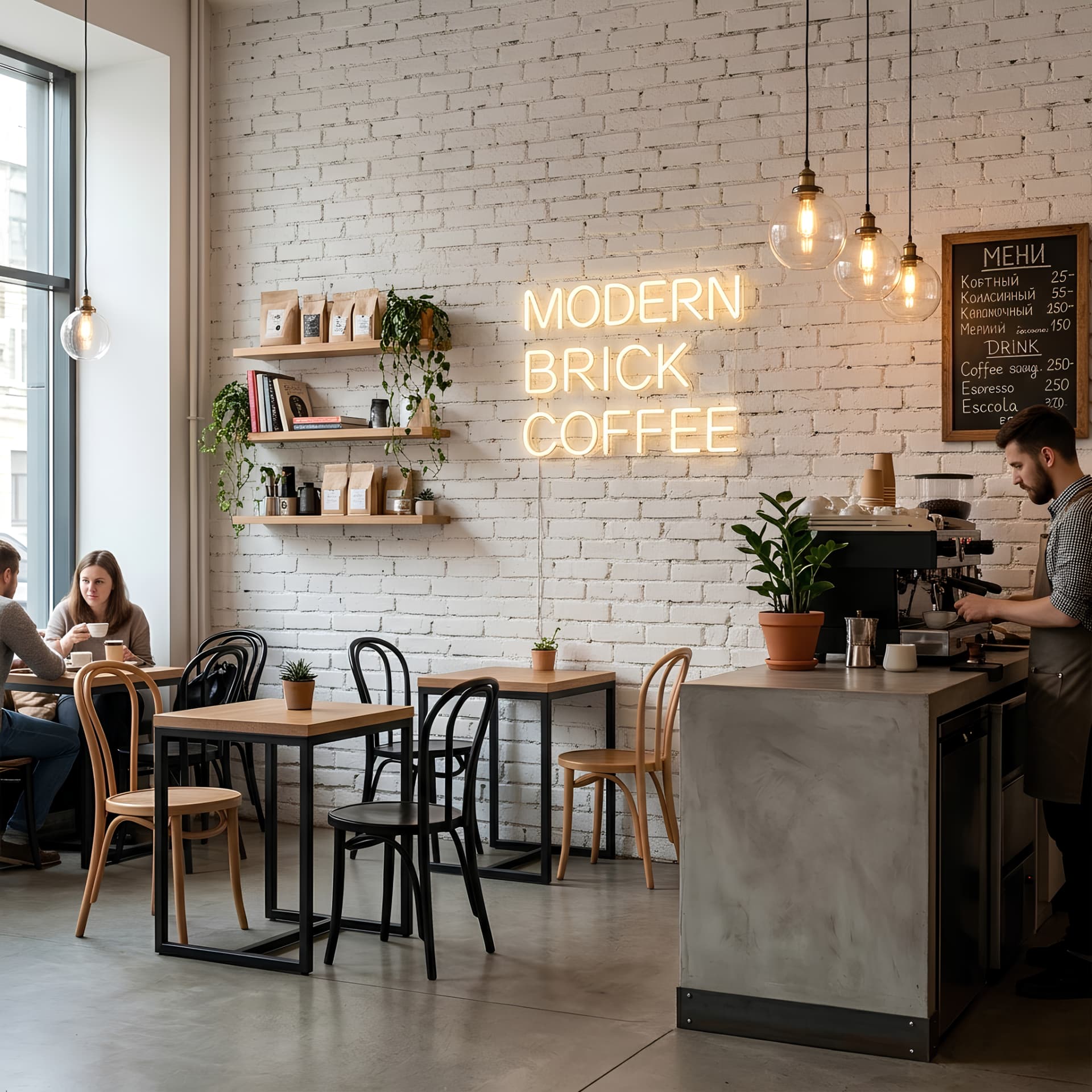
3D White Stone Brick Textile Wallpaper
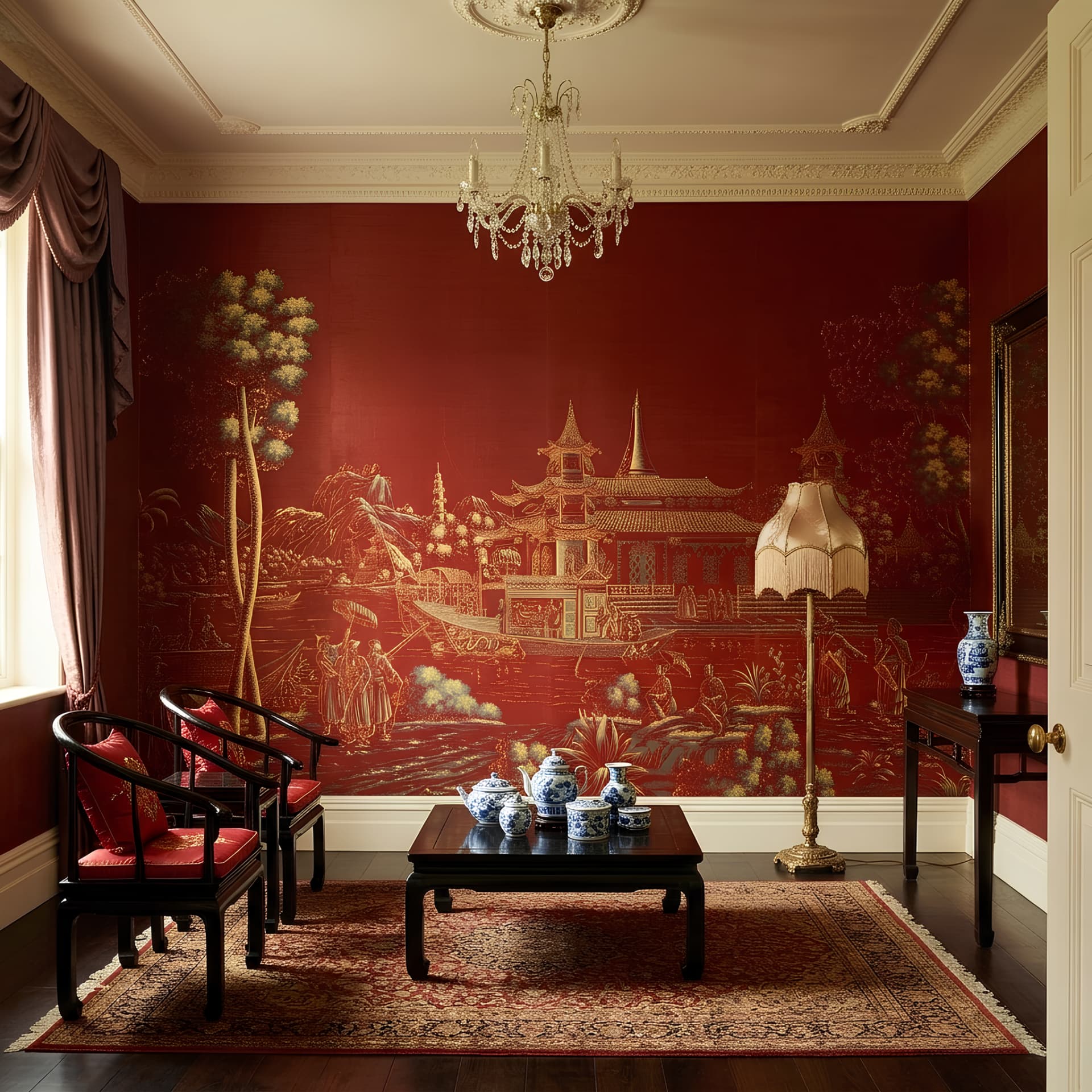
Classic Chinese Motif Burgundy Wallpaper
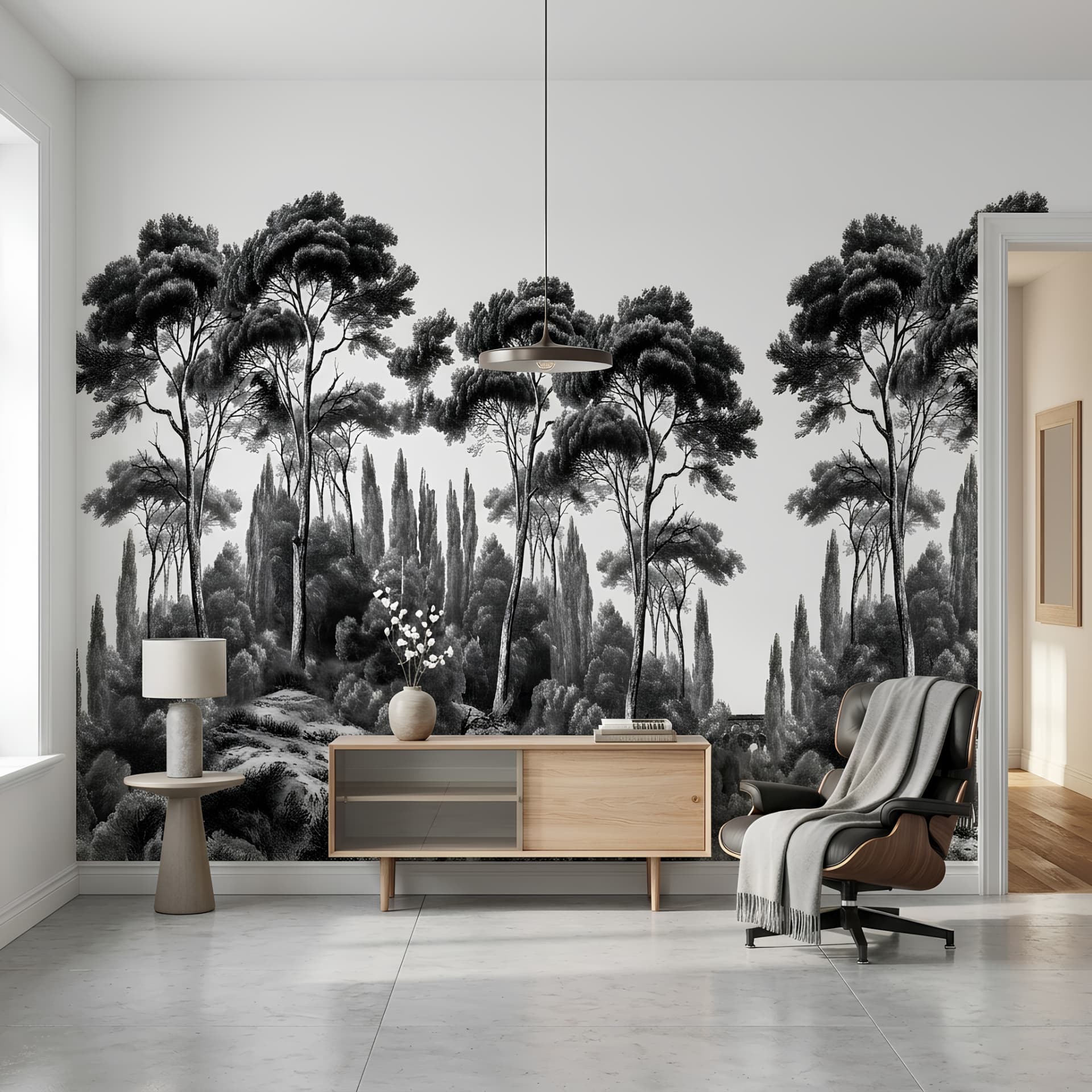
Black & White Vintage Forest Wipeable Wallpaper
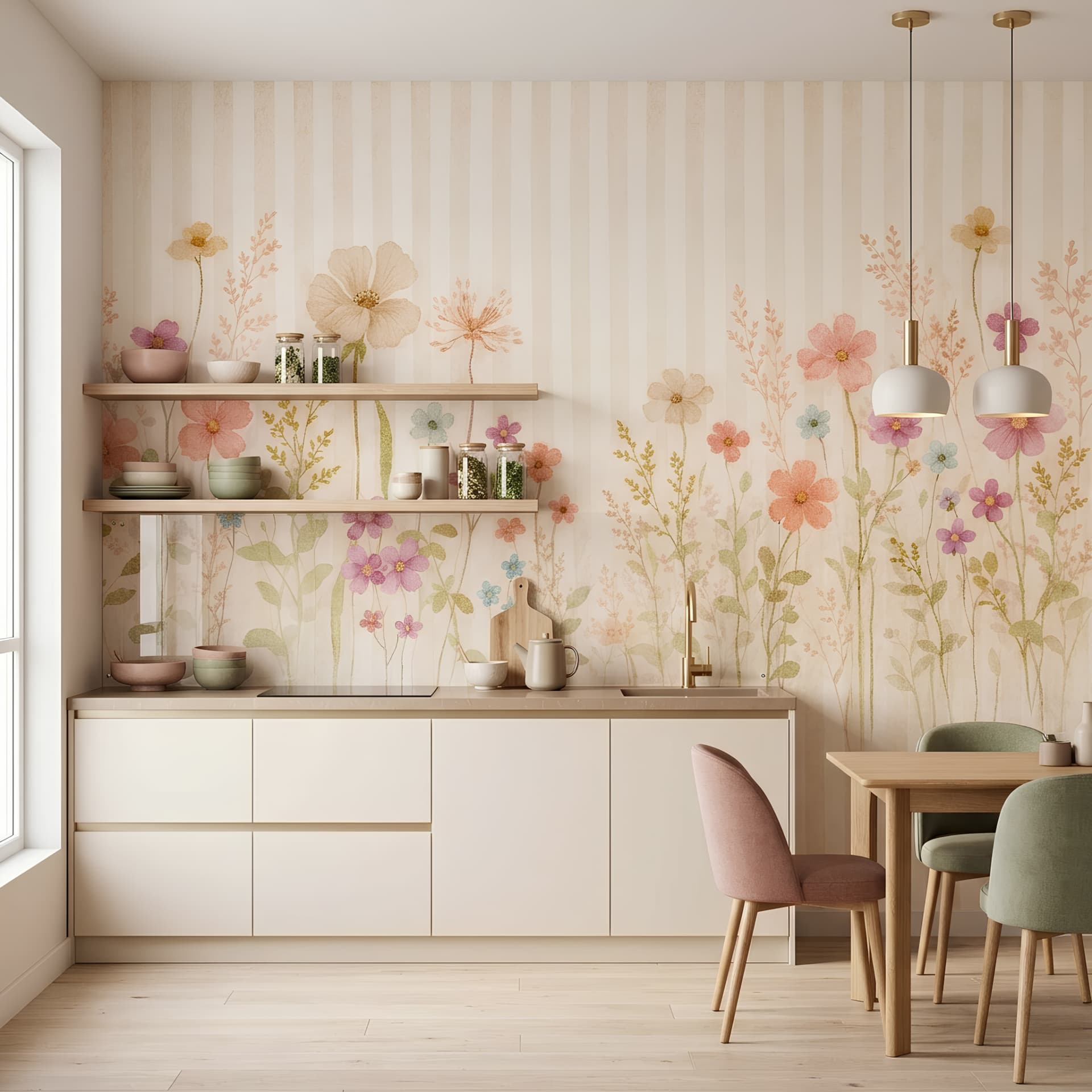
Pastel Spring Garden Striped Wallpaper
DA
Dekoartizan Tasarım Ekibi
Duvar kağıdı sektöründe uzmanlaşmış tasarım ve içerik ekibimiz, iç mekan dekorasyonu, malzeme bilgisi ve uygulama teknikleri konusundaki birikimlerini bu rehberlerde paylaşıyor. Tüm içerikler saha deneyimi ve güncel sektör verileriyle desteklenir.
İçeriklerimiz saha deneyimi ve sektörel uzmanlığa dayanır
how to remove wallpaperwallpaper removal solutionstripping wallpaperremove wallpaper without damaging wallsteam wallpaper strippernon-woven wallpaper removal