Loading article…
wallpaper for rentersremovable wallpaperpeel and stick wallpaper
Wallpaper for Renters: Transform Your Rental Without Losing Your Deposit
Can renters put up wallpaper? Removable non-woven options, peel-and-stick alternatives, how to ask your landlord, and what your tenancy actually allows.
D
By Dekoartizan Tasarım Ekibi··8 min read
Can Renters Put Up Wallpaper?
If you rent, you have probably stood in a beige living room wishing you could change it — then talked yourself out of it because "we'll have to take it all down when we move." Here is the part nobody tells you: with the right product and the right prep, wallpaper for renters is entirely doable — you can hang it, peel it off in one clean sheet on moving day, and hand the wall back exactly as it was.
📖 In-depth guide: The Complete Wallpaper Guide 2026
This guide walks through the wallpaper types that suit renters best, the application tricks that protect the wall underneath, and where you actually stand legally as a tenant.
The Best Wallpaper for Renters: Which Type to Choose
| Type | Removal | Risk to wall | Best use | Price / m² (2026) |
|---|---|---|---|---|
| Non-woven (paste-the-wall) | Peels off dry in one sheet | Very low on primed walls | Full accent wall | From 850 TL |
| Peel-and-stick foil | Warm gently, then peel | Low; can lift weak paint | Small areas, furniture | 950 TL |
| Foam panels / stick-on boards | Unclip or peel | Low | Accent detail only | Varies |
1. Non-Woven Wallpaper — The Top Choice
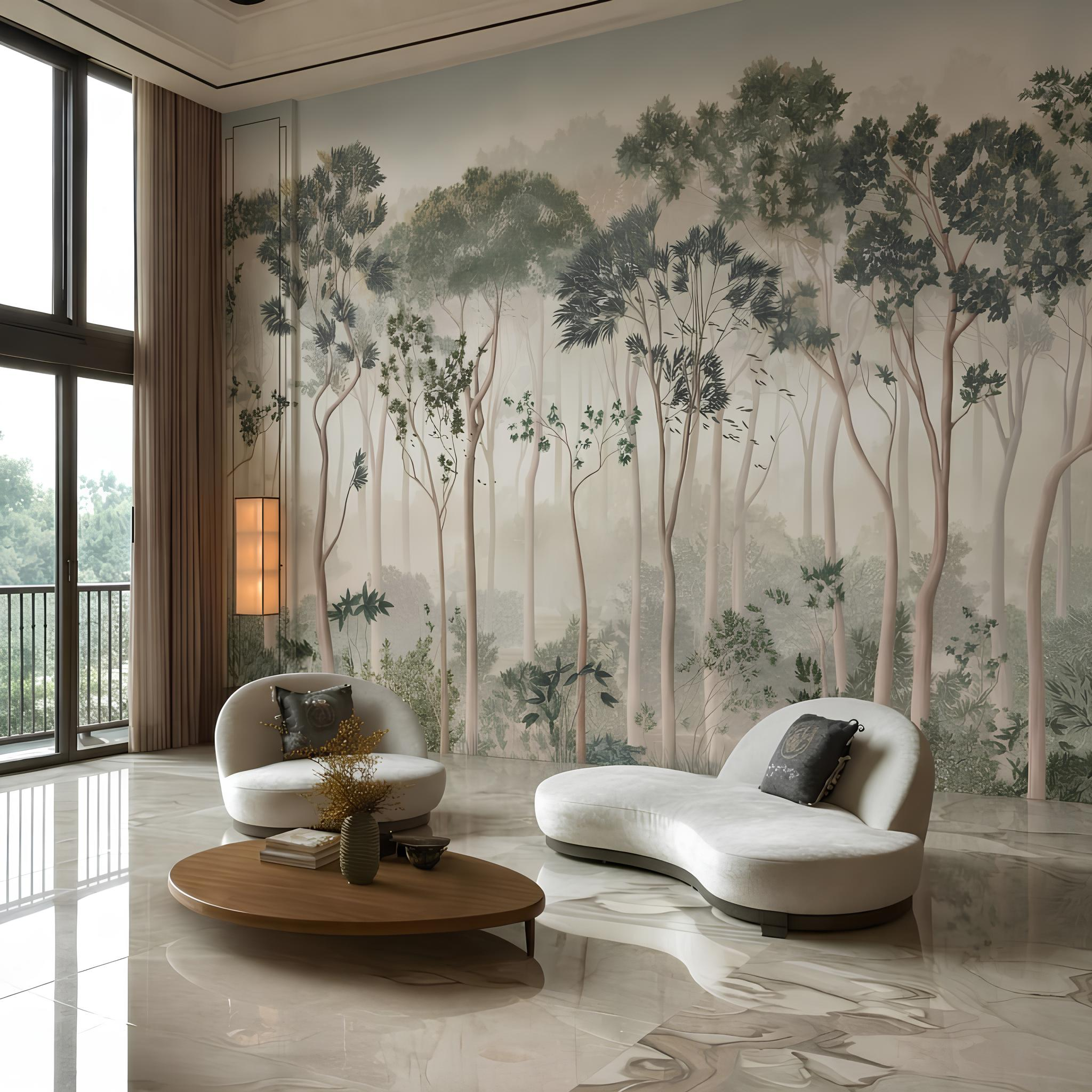
Non-woven wallpaper is the gold standard for renters. Why?
- Strip-off in one piece: Grab the bottom corner while the paper is dry and pull upward — it comes away as a single sheet.
- Leaves the wall unharmed: Prime the wall first and the paint underneath stays intact.
- No adhesive residue: Once stripped, any minimal leftover wipes off with a damp cloth.
- A finished, professional look: Visually it matches permanent wallpaper exactly.
Every DEKOARTİZAN product is non-woven backed — which makes it a natural fit for renters.
2. Peel-and-Stick (Self-Adhesive) Wallpaper
Peel-and-stick wallpaper goes straight onto the wall with no paste. It is easy to put up, but it comes with trade-offs:
- Pros: No adhesive needed, genuinely DIY-friendly, sticks instantly.
- Cons: The glue can soften in warm rooms, it is more likely to peel at the edges than non-woven, and it can lift certain types of paint.
Peel-and-stick is best for small areas — an alcove, the inside of a cupboard, a furniture surface. For a full wall, non-woven is the safer bet.
3. Wall Panels and Stick-On Boards
3D foam panels and adhesive wall boards are popular with renters too. But they never quite deliver the look of real wallpaper — treat them as an accent rather than the main event.
Application Guide: Renter-Specific Tips
Before You Start
- Photograph the wall: Take a picture of its current state before you begin — you will have something to compare against when you take the paper down.
- Always prime: Primer forms a protective layer between paper and paint and shields the paint when you strip the paper. Never skip this step.
- Check the paint finish: Matte paint takes wallpaper without any fuss. Over satin or gloss you will want a light sand plus primer first.
- Start with one wall: For your first go, do a single accent wall rather than the whole room.
Hanging It
Follow our detailed application guide. A few extra things renters should watch for:
- Paste the wall, not the paper (the non-woven method).
- Wipe off excess paste immediately — dried residue can leave a mark when you strip the paper later.
- Cut carefully around sockets and switches — remove the faceplates for a clean finish.
Stripping It on Moving Day
- Hold the bottom corner and pull slowly upward — at a 30–45 degree angle, at a steady speed.
- It should come off in one piece. If it catches, don't force it — dampen it slightly and try again.
- Wipe off any adhesive residue with a damp sponge.
- Check the wall — if you primed it, the paint will be intact.
- For a full walkthrough, read our guide on how to remove wallpaper.
Where You Stand Legally as a Tenant
Under Turkish tenancy law, a renter is entitled to make changes that fall within "ordinary use" of the property. Hanging wallpaper — as long as it is the removable kind — is generally treated as ordinary use.
Still, to stay on the safe side:
- Tell your landlord where you can, or get written permission.
- Photograph the wall before you start.
- Return the wall to its original state when you leave (with non-woven, this is easy).
- Clean the wall after stripping and photograph it again.
The Best Design Ideas for Renters
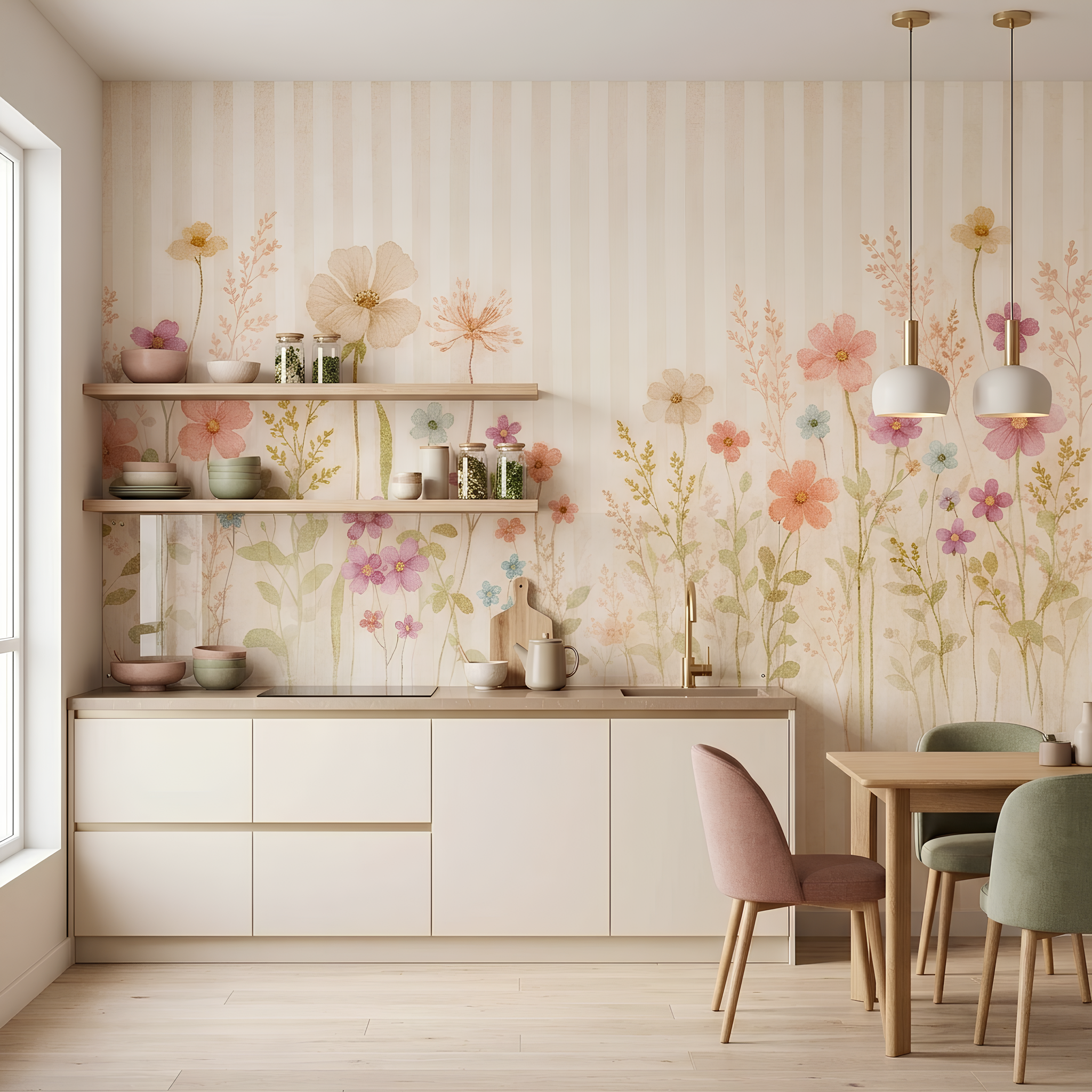
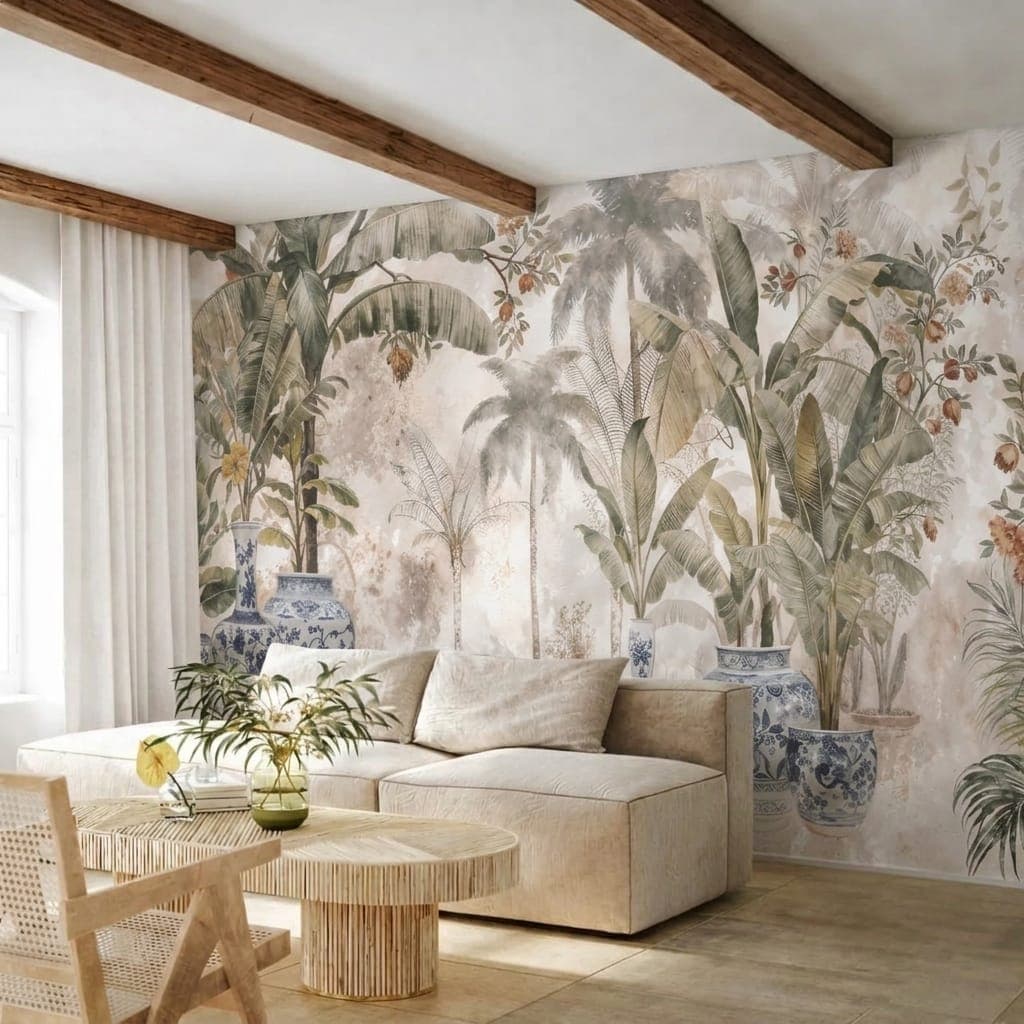
- Living room accent wall: One wall behind the TV or the sofa — highest impact, lowest risk. Browse our living room ideas guide.
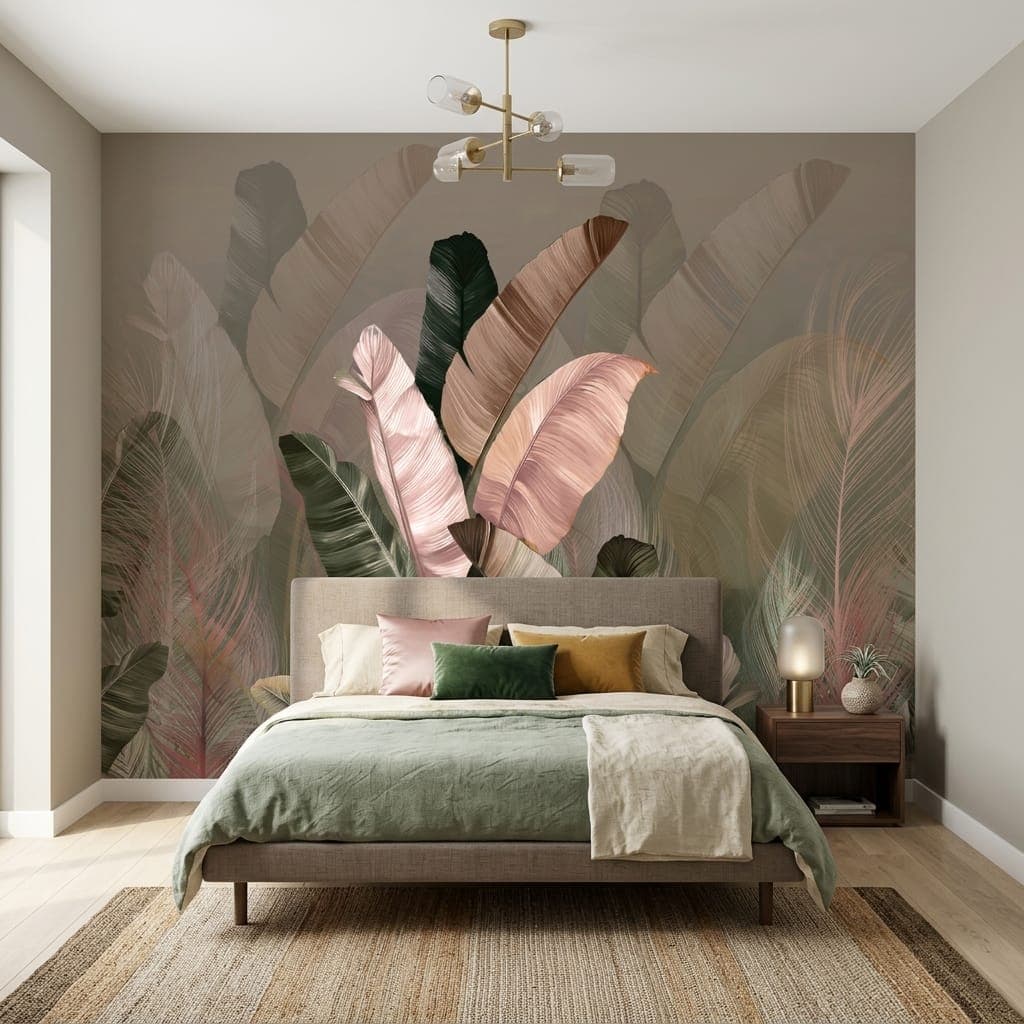
- Behind the bed: An accent wall behind the headboard changes the whole character of the room.
- Entrance hall: The first-impression zone — small area, big effect.
- Alcoves and behind shelving: The wall behind open shelves or a bookcase — minimal surface, maximum decorative payoff.
The Cost Case for Renters
Investing in decor as a renter can feel hard to justify. But the actual numbers are surprising:
- A single accent wall: 500–1,500 TL (material plus adhesive)
- Average length of tenancy: 3–5 years
- Daily cost: 0.5–1.5 TL per day
For less than the price of a coffee a day, you get a living space you will enjoy every day for three to five years — somewhere you are glad to come home to. And when you move, you simply strip it off and take it with you, or leave it behind.
Move-Out Day Protocol: Protect Your Deposit
The most critical moment for any renter is moving day. Our advice, in this order: strip the paper one to two weeks before you leave (rushing the job is where damage happens), wipe the wall down and do any small touch-ups, then take dated "before and after" photos. With peel-and-stick types, warming the paper with a hairdryer keeps removal of a 7–8 m² wall under half an hour. Sharing those photos with the landlord before handover ends the deposit conversation before it starts.
How to Ask Your Landlord: A Ready-to-Send Message
Getting permission is usually a single message. The version that works: "Hi — I'd like to put up a removable, peel-off wallpaper on one wall in the living room that won't damage the wall. I'll restore it to its original state when I move out. Would that be alright?" The three elements in that sentence — one wall, removable, a promise to restore — dissolve almost every landlord objection up front. And keep the written approval; on deposit day, it is your strongest piece of evidence.
Which Room Should You Start With?
If your renter's budget is tight, the order is clear: the highest return is on the wall you look at most each day — the living room TV wall comes first, the headboard second. Kitchen and bathroom makeovers are striking, but in a renter's scenario they should come last; they are the trickiest areas to strip on the way out. Starting with a single wall protects the budget and makes landlord permission easier — and once you are happy, moving on to a second wall is always an option.
A Closing Note
Renting is temporary; quality of life is daily. Leaving a wall you will look at for four or five years blank "because we're moving anyway" is the most expensive saving there is. The right backing and a single permission message tip that equation entirely in your favour.
Frequently Asked Questions
- Does wallpaper damage the paint?
- On primed walls, the paint stays intact when you strip non-woven paper. The primer forms a protective layer between paper and paint.
- Do I need my landlord's permission?
- It is not legally required (provided the wallpaper is removable), but a heads-up is recommended for the sake of goodwill.
- Do I have to strip it when I move out?
- That depends on your tenancy agreement and what the landlord expects. Non-woven papers come off in 15–30 minutes — it is so easy that it rarely becomes an issue.
- Should I choose peel-and-stick or non-woven?
- For a full wall, non-woven is far more reliable. Peel-and-stick suits small areas and furniture surfaces.
- Will adhesive residue be left behind after stripping?
- Non-woven papers leave minimal residue that wipes off easily with a damp cloth. Peel-and-stick can leave a little more — clean it with warm soapy water or an adhesive-remover spray.
- Can I take the wallpaper to my next home?
- Non-woven papers can't be reused once stripped. But you can simply re-order the same design from DEKOARTİZAN for your new place — made to measure, it arrives sized to fit your new wall.
Transform Your Rental with DEKOARTİZAN
Being a renter shouldn't stop you from living somewhere beautiful. Give your rental real character with DEKOARTİZAN's non-woven, easy-to-strip wallpaper. 1000+ designs, made to measure, free shipping. Explore the collection and transform your walls.
From our shop
Wallpapers You Might Like
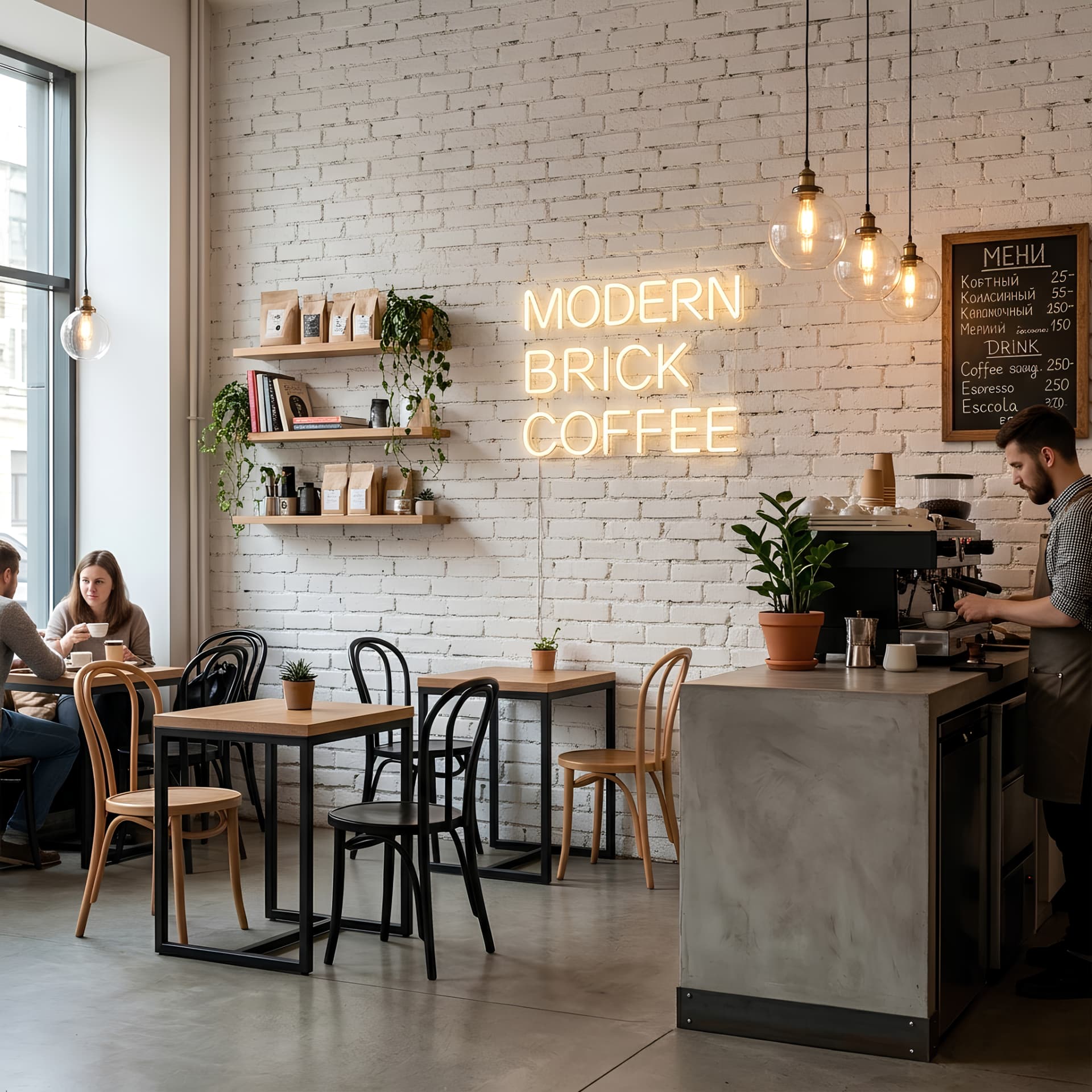
3D White Stone Brick Textile Wallpaper
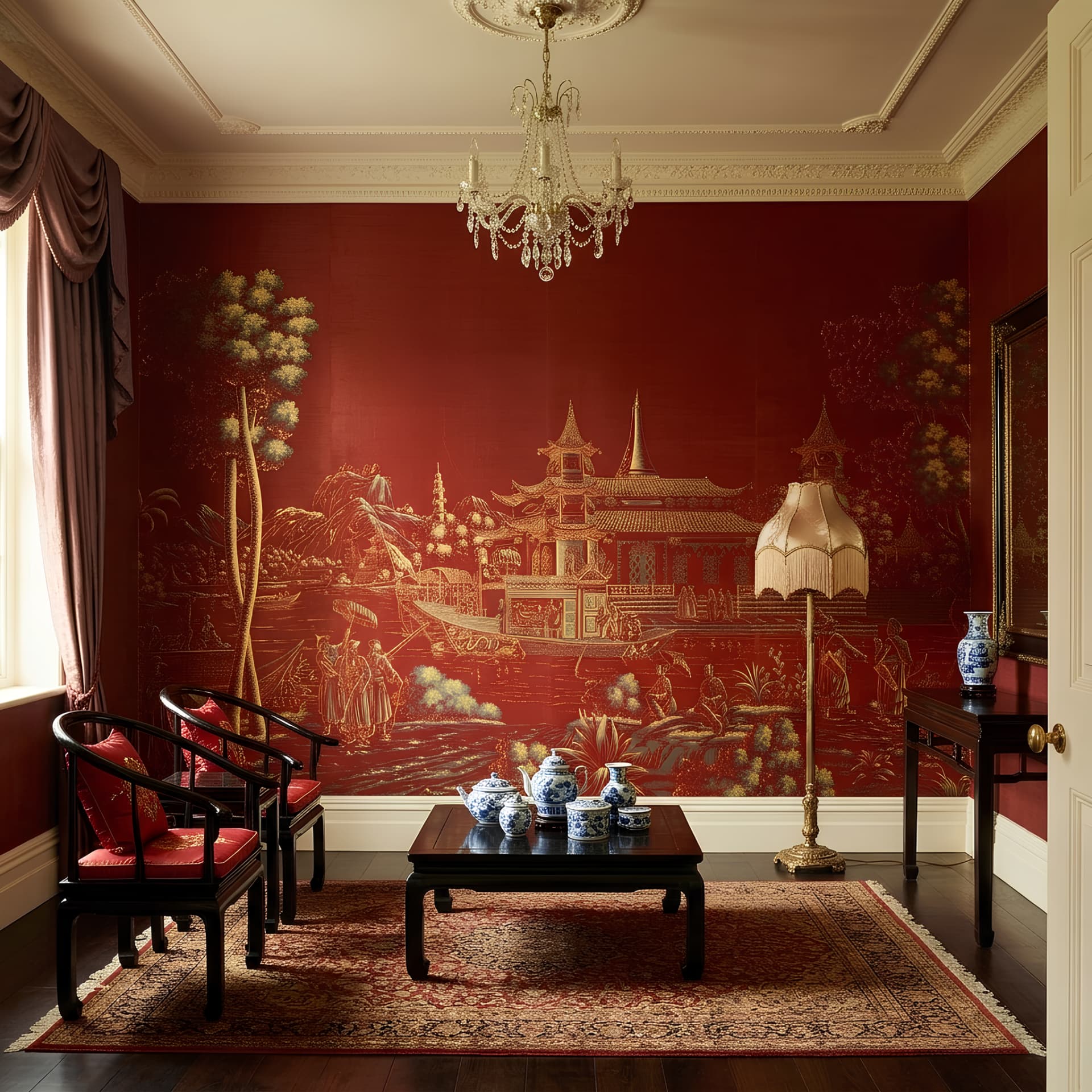
Classic Chinese Motif Burgundy Wallpaper
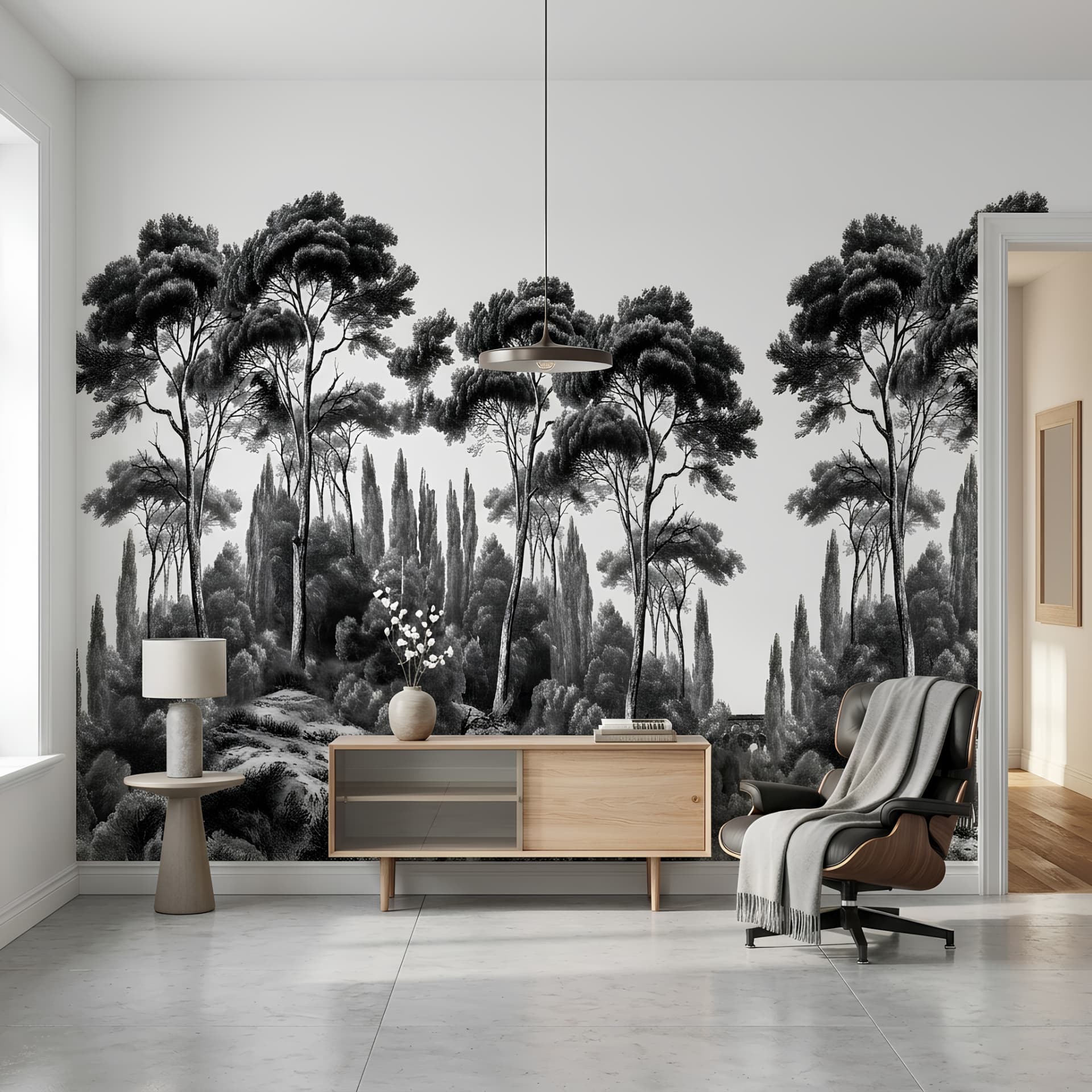
Black & White Vintage Forest Wipeable Wallpaper
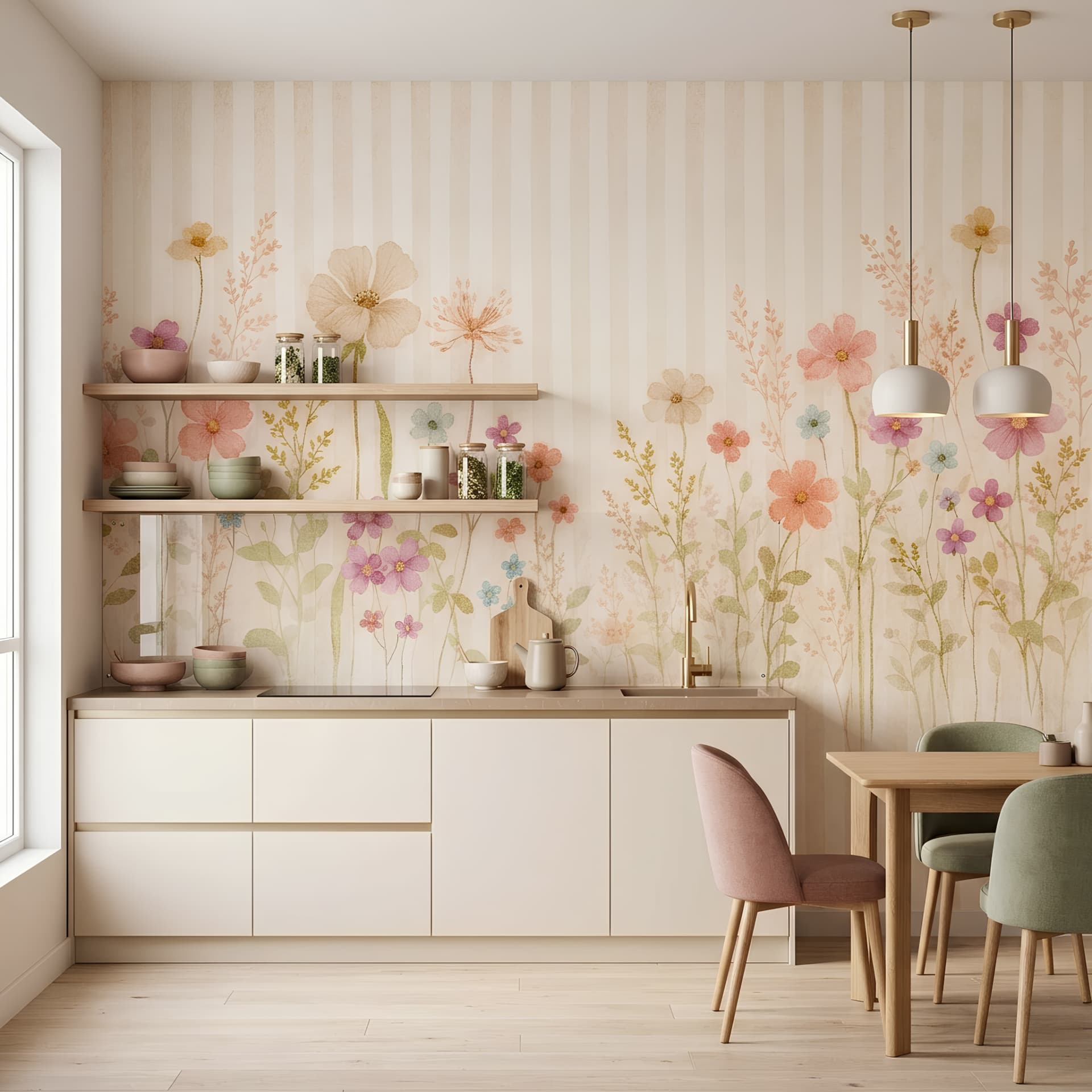
Pastel Spring Garden Striped Wallpaper
DA
Dekoartizan Tasarım Ekibi
Duvar kağıdı sektöründe uzmanlaşmış tasarım ve içerik ekibimiz, iç mekan dekorasyonu, malzeme bilgisi ve uygulama teknikleri konusundaki birikimlerini bu rehberlerde paylaşıyor. Tüm içerikler saha deneyimi ve güncel sektör verileriyle desteklenir.
İçeriklerimiz saha deneyimi ve sektörel uzmanlığa dayanır
wallpaper for rentersremovable wallpaperpeel and stick wallpaperrental apartment decorrenter friendly wallpaper