Loading article…
how to hang wallpaperwallpaper installation guideDIY wallpapering
How to Hang Wallpaper in 2026: Step-by-Step DIY Guide and Pro Secrets
A step-by-step guide for anyone who wants to hang wallpaper themselves. Tools you need, wall prep, pasting techniques and the mistakes people make most.
D
By Dekoartizan Tasarım Ekibi··8 min read
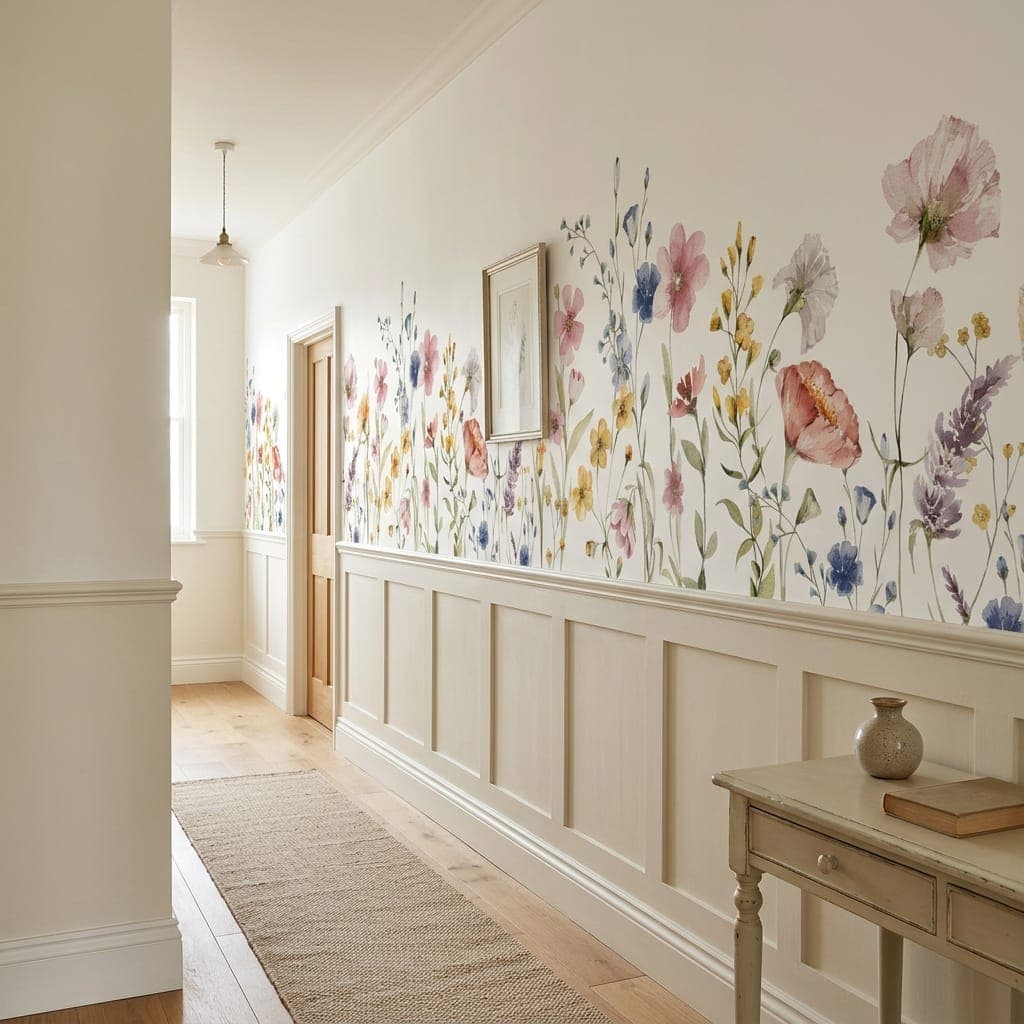
How to Hang Wallpaper: Easier Than It Looks
Learning how to hang wallpaper is far easier than most people expect — especially with DEKOARTİZAN's non-woven (paste-the-wall) ranges. In this guide we walk you through every stage, from prepping the wall to the final pass, including the tricks decorators only share among themselves. And if you'd rather bring in a professional, we've made it clear exactly which steps are worth handing over.
Tools and Materials You'll Need
- The right adhesive (non-woven or vinyl paste — match it to your paper type)
- A wide pasting brush or roller
- A flat plastic smoother or paperhanging brush
- A watertight paste tray
- A plumb line or laser level
- A sharp utility knife and a metal straightedge
- A clean sponge and a bucket
- Dry and damp microfibre cloths
Step 1 — Prepare the Wall (The Step That Matters Most)
Most of a good finish comes down to wall prep. Don't skip any of this:
- Cleaning: Strip the wall of dust, grease and flaking old paint. Adhesive won't grip a greasy surface.
- Filling: Fill cracks and plug holes with filler, then sand once it's dry. A smooth surface is non-negotiable.
- Priming: On fresh plaster especially, always use a wallpaper primer. Without it the wall drinks the adhesive straight in and the paper can sag.
- Dryness: The surface must be bone dry, with humidity below 70%.
Step 2 — Mark a Vertical Reference Line
Use a plumb line or laser level to mark a true vertical at your starting point. Without it, each length leans a little further as it drops — invisible at first, but obvious after three or four strips, and impossible to correct by then. The best place to start: the largest unbroken stretch of the most visible wall in the room, never the edge of a door or window.
Step 3 — Mix the Adhesive
- For non-woven: Apply the paste to the wall and hang the paper dry. There's no need to wet the paper and no expansion to allow for.
- For vinyl: Paste the back of the paper, fold it loosely and let it "book" (soak and expand) for a few minutes, then hang it on the wall.
Step 4 — Hang the First Length
Line the first length up exactly with your reference line and work from top to bottom. Leave 2–3 cm of overlap at the ceiling line; you'll trim this surplus with the knife. With your smoother or brush, push air bubbles out from the centre towards the edges in a "herringbone" motion.
Step 5 — Butt the Seams Together, No Gaps
Lengths should be butt-jointed edge to edge, never overlapped. DEKOARTİZAN's numbered panel system shows which strip sits next to which — keep them in order. Press the seam gently and wipe off any excess paste straight away with a damp sponge; wiping before it dries is critical.
Step 6 — Working Around Corners
- Internal corners: Carry the strip 2 cm round the corner; the next length on the adjoining wall starts over that 2 cm.
- External corners: Take the strip 2–3 cm past the corner and align the next length flush with the corner on the other side. External corners are never overlapped — make a clean cut.
Step 7 — Trimming at Ceiling and Skirting
Before the paste fully dries (usually within 15–20 minutes), trim the surplus at the ceiling and skirting with a metal straightedge and a sharp utility knife. Change the blade every two or three cuts; a blunt tip tears the paper.
Step 8 — Final Check and Clean-Up
- Press every seam down gently once more.
- Wipe any paste residue off the surface with a damp sponge.
- Once you've finished, keep ventilation to a minimum for at least 24 hours; this is when the paper "cures" and the adhesive bonds fully.
The Most Common Mistakes
| Mistake | Why It Happens | Fix |
|---|---|---|
| Air bubble | Hung without smoothing from the centre out | Press it flat at once with a damp cloth |
| Seam opening up | Too little paste or dried too soon | Work paste in with a fine brush and press down |
| Strips out of true | No reference line marked | Peel the first length off and mark a line |
| Paste marks | Not wiped immediately | Rub off with a cloth dampened in warm water |
| Torn paper | Blunt utility blade | Change the blade every two or three cuts |
Wall Prep Before You Start: Half a Day's Work, Years of Difference
Most application faults begin on the wall, not in the paper. Run through this order: if there's any sign of damp, don't hang anything until the source is fixed; if there's old paper, strip it off completely (we don't recommend hanging over the top); fill and sand holes and cracks; prime any dusty or absorbent surfaces. Priming is not up for debate: unprimed satin plaster pulls the water straight out of the paste so the bond fails — and years later it'll pull the plaster off when you strip the paper. The whole prep is half a day's work; skipping it is a problem for years.
Pattern Matching: The Advantage of a One-Piece Composition
The most painful stage of classic roll hanging is matching the pattern between strips; you waste a full repeat on every length and it takes real skill. With made-to-measure single-piece (or few-piece) compositions that problem simply doesn't exist by design: the pieces arrive numbered, you hang them left to right in order, and the pattern is matched at the factory. On wide two-piece walls the only thing to watch is taking the seam with the overlap-and-cut (double cut) technique: overlap the two pieces by 3–4 cm, cut down the middle in one pass, lift the offcuts away and butt the edges together — the result is an invisible seam. Ask your decorator about this technique; if they don't know it, run through the other questions in our guide to choosing a decorator too.
The First 48 Hours: The Drying Protocol
The job isn't done the moment you finish hanging. For the first 24–48 hours the room should sit at 15–25°C with no draught; throwing the windows wide open to "dry it quickly" stops the paste drying evenly and makes the seams shrink and open up — it's the single most common user mistake we see in the field. Don't blow air conditioning or heating straight at the wall. After 48 hours, small differences in sheen and tiny bubbles on the surface are normal; full settling takes about a week. Don't lean furniture against the wall during this time and don't clean it yet.
Your Toolkit: The Full List
Don't let your application day grind to a halt half-finished; here's the complete list: paste and a clean bucket (matched to the backing type — see our paste glossary), a roller brush, a wide bristle brush (for edges), a plastic squeegee or soft smoother, a sharp utility knife plus spare blades, a wide metal spatula (as a cutting edge), a laser aligner or plumb line, a tape measure, a clean sponge and two cloths, a ladder, a dust sheet. All in, it's a modest budget and you'll reuse it on the next job; the one item people are missing is usually "spare blades" — cutting with a blunt tip is the main cause of tears.
Frequently Asked Questions
Can I hang non-woven wallpaper myself?
Yes. Non-woven ranges are the most DIY-friendly type there is. You paste the wall, hang the paper dry, and can slide it a few seconds to adjust the position.
Does the room temperature matter while I'm hanging?
Yes. Below 10°C and above 35°C the paste won't grip properly. The ideal range is 15–25°C.
Does the adhesive come with DEKOARTİZAN products?
Yes. Every order includes imported adhesive and a step-by-step hanging diagram, free of charge.
Explore the DEKOARTİZAN Collection
Thousands of easy-to-hang, non-woven designs are waiting in our online store. Adhesive and a hanging guide come free with your package. Free shipping, delivered across all 81 provinces.
Related Guides
Choosing the right product before you start matters just as much as the hanging itself. Our 2026 wallpaper price guide will help you plan your budget. If you're renting and want to avoid trouble when you move out, be sure to read our wallpaper guide for renters. And if you're after bespoke design ideas for the bedroom, take a look at our 2026 bedroom wallpaper guide.
From our shop
Wallpapers You Might Like
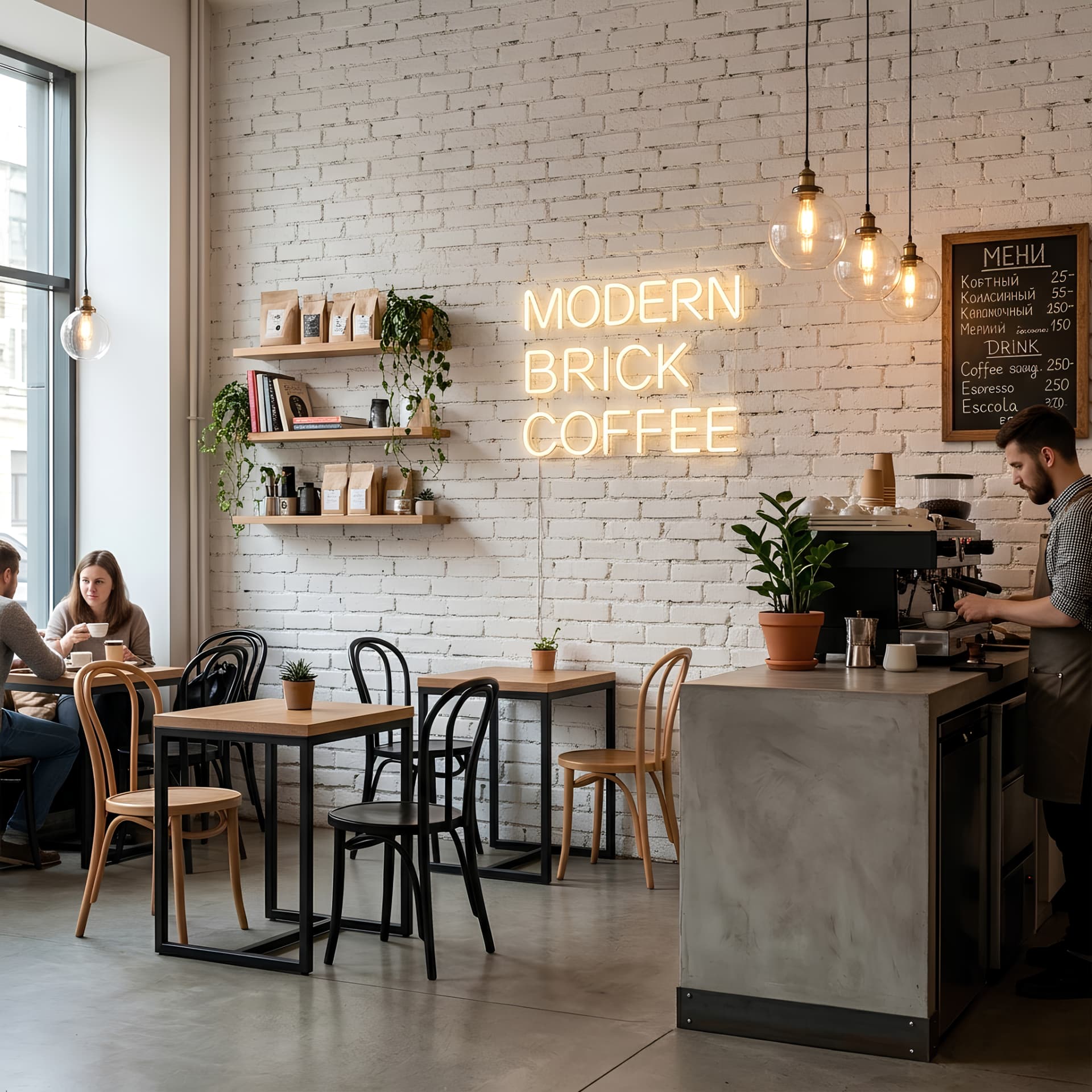
3D White Stone Brick Textile Wallpaper
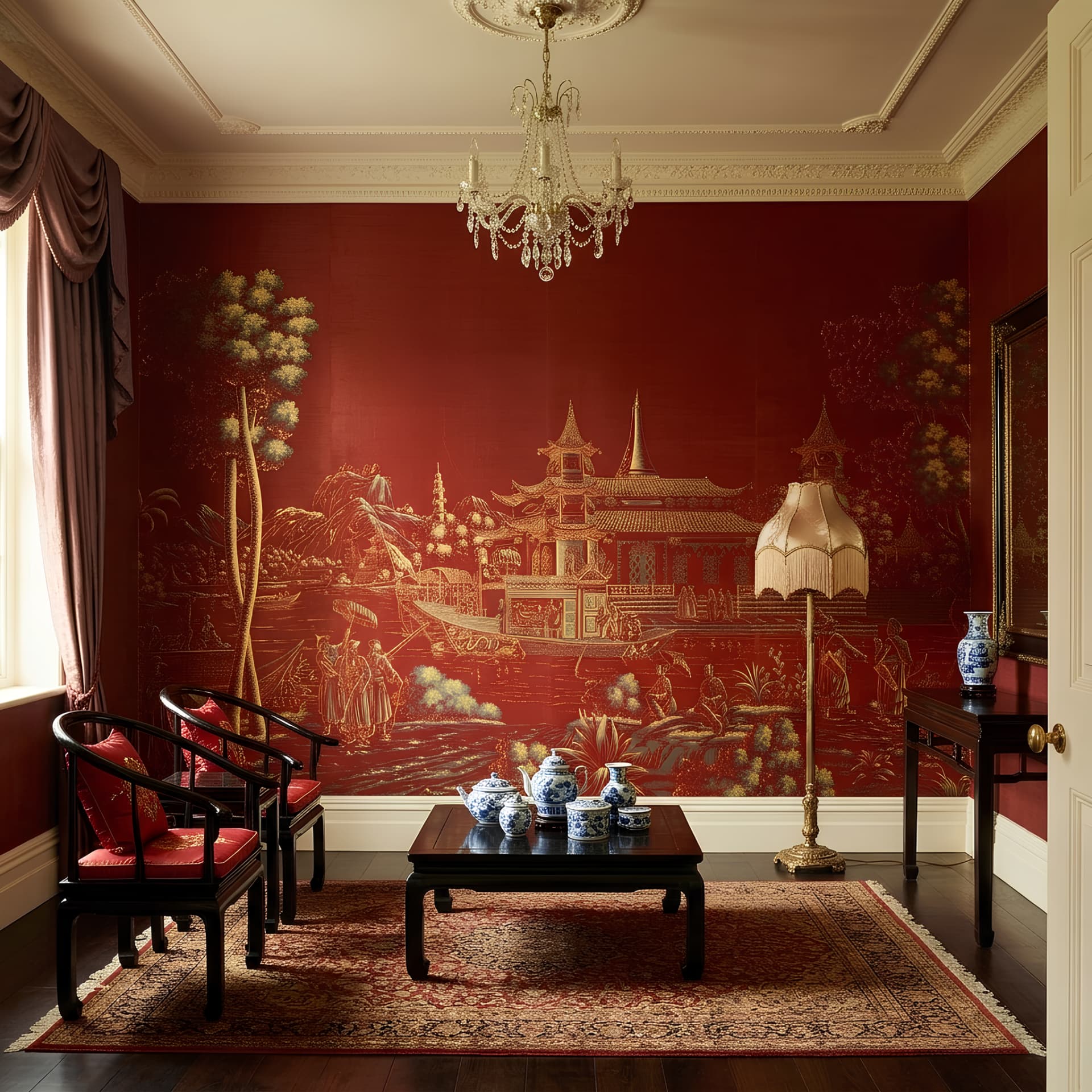
Classic Chinese Motif Burgundy Wallpaper
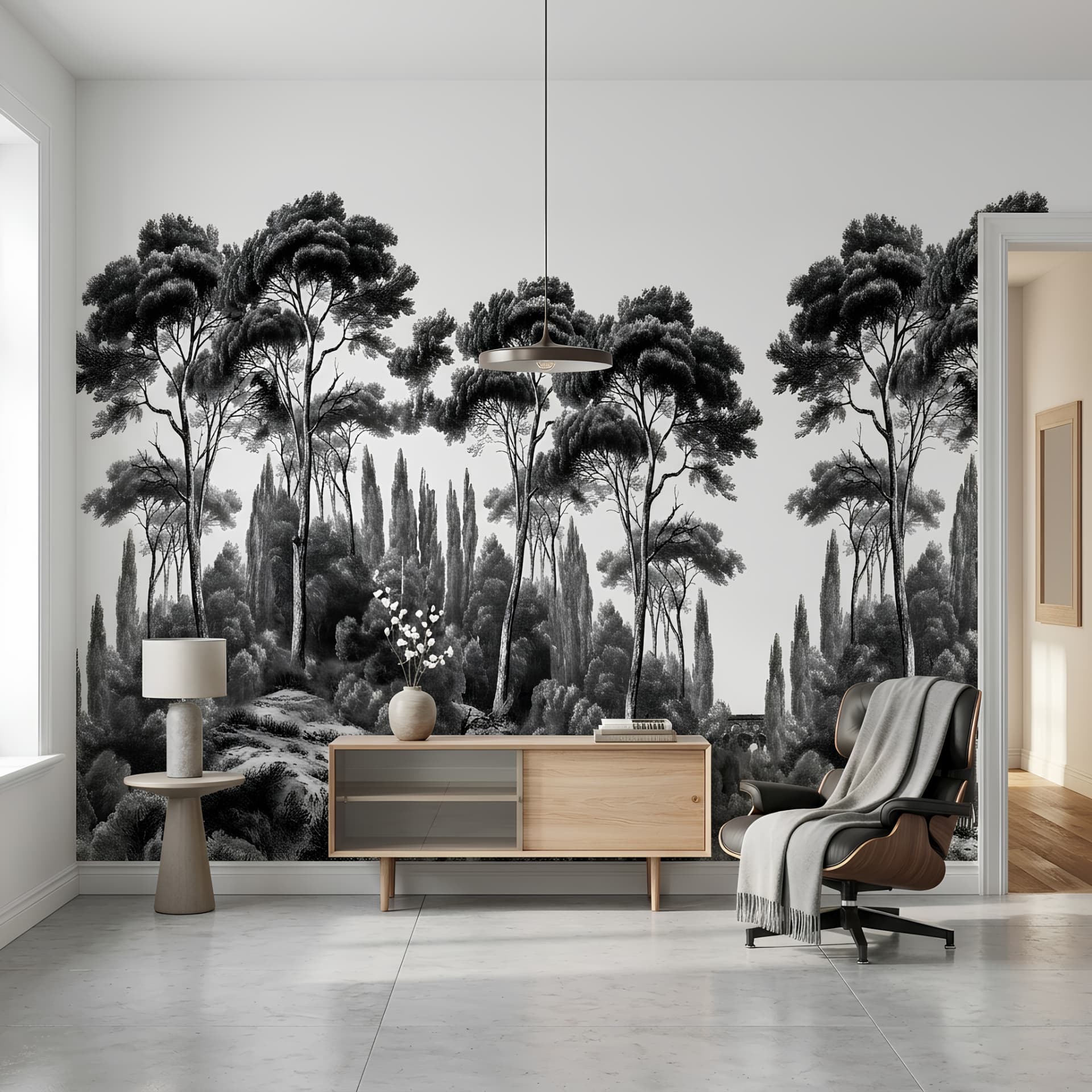
Black & White Vintage Forest Wipeable Wallpaper
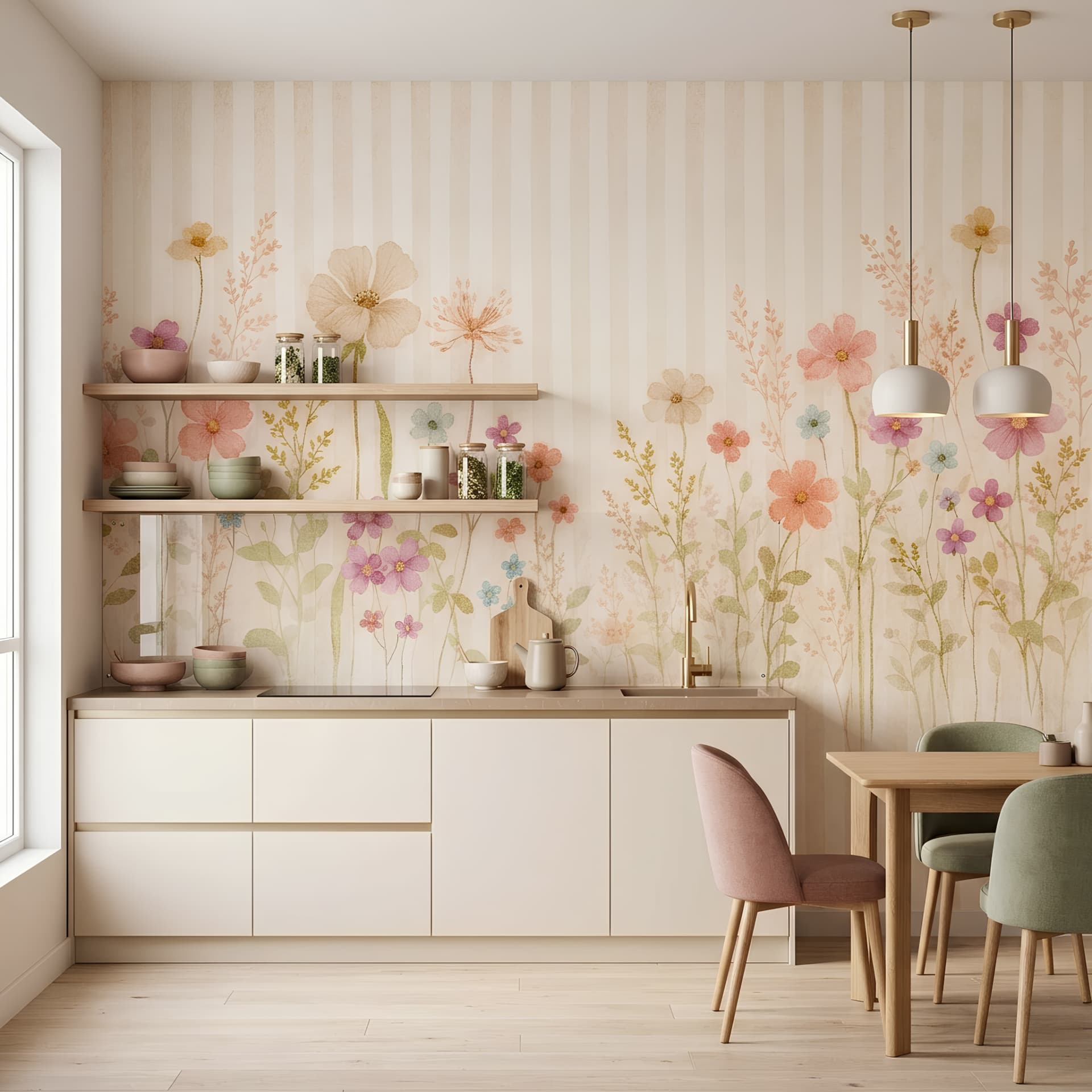
Pastel Spring Garden Striped Wallpaper
D
Dekoartizan Tasarım Ekibi
Dekoartizan Tasarım Ekibi, DEKOARTİZAN bünyesinde duvar kağıdı tasarımı ve iç mekan dekorasyonu alanında içerik üretmektedir.
İçeriklerimiz saha deneyimi ve sektörel uzmanlığa dayanır
how to hang wallpaperwallpaper installation guideDIY wallpaperingpaste the wall techniquenon-woven wallpaper hanging