Loading article…
wallpaper installation costwallpaper hanging pricehire a wallpaper fitter
Wallpaper Installation Cost 2026: Hiring a Fitter & Prices
What does wallpaper hanging cost in 2026? Per-m² rates, the 5 questions to ask a fitter, install-included orders and a realistic DIY alternative.
D
By Dekoartizan Tasarım Ekibi··7 min read
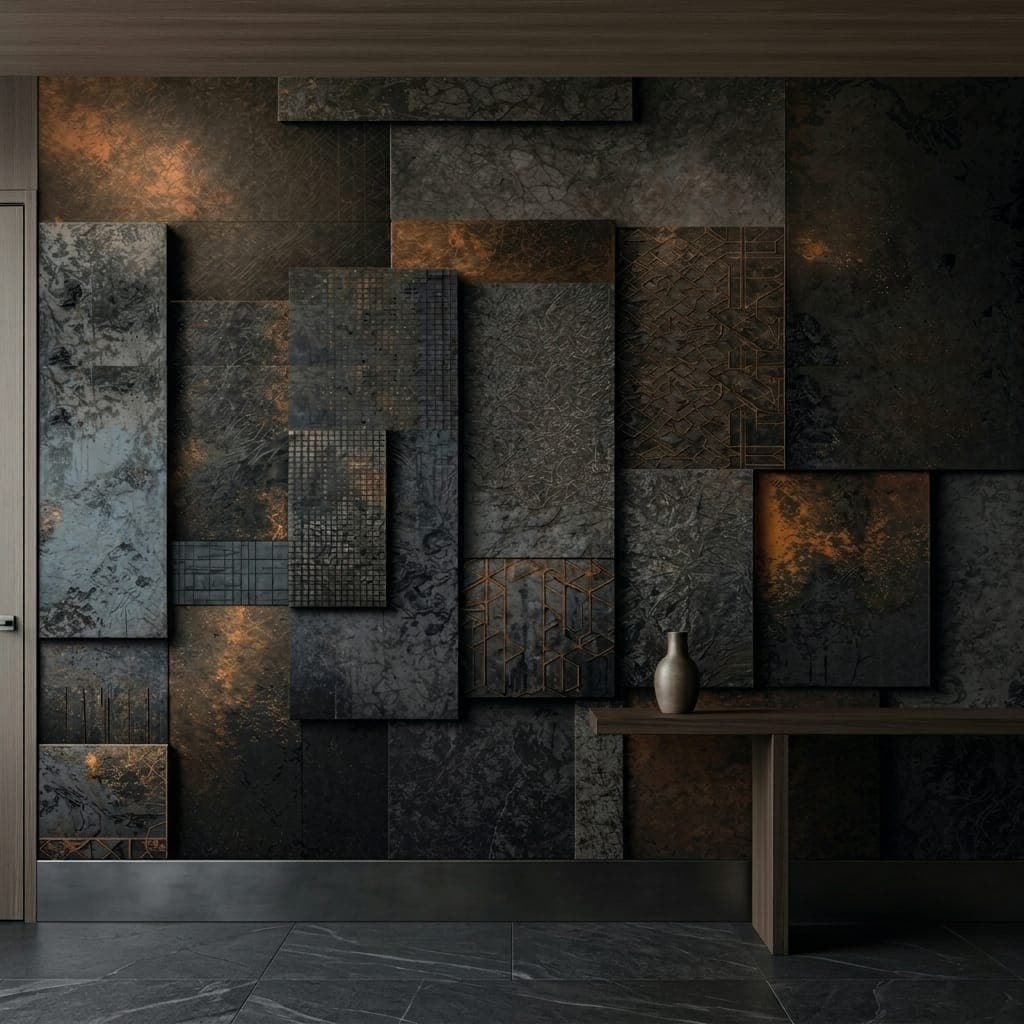
In 2026, the wallpaper installation cost from a professional sits in the 150-250 TL per square metre band, edging toward the top when patterns have to be matched. For a typical 10 m² feature wall that means 1,500-2,500 TL in labour.
You have two routes: a vetted installer (book it through your order note) or choosing a peel-and-stick base and hanging it yourself, which wipes this line off the budget entirely.
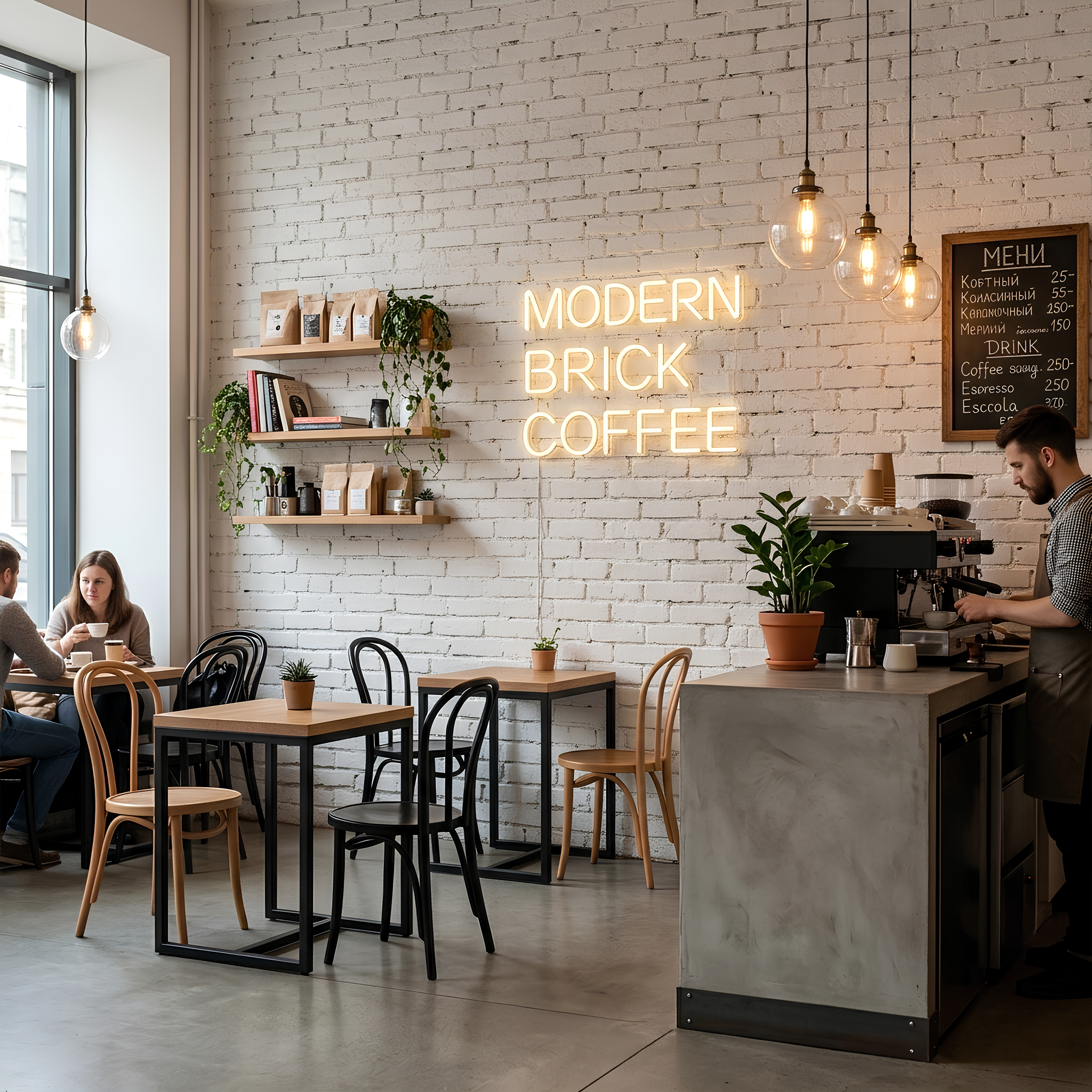
Wallpaper Installation Cost in 2026: What Sets the Rate
- Standard single-panel mural/composition: 150-200 TL/m². With made-to-measure printing there is no pattern matching, so labour sits at the lower end.
- Pattern-matched roll work: 200-250 TL/m² — aligning the drops takes a skilled hand.
- High ceilings (3 m+) and stairwells: a 25-50% surcharge for scaffolding or platforms.
- Wall prep is a separate line: stripping old paper runs 80-150 TL/m², filling and priming 100-200 TL/m². Strip it yourself (guide here) and you trim this item.
Outside the big cities rates sit 15-30% below the metro figure. Installation is never included in the product price; the per-m² tariff is here.
Choosing the Right Fitter: 5 Questions
- "Have you worked with non-woven or textile bases?" Traditional paper is soaked before it goes up; with non-woven the paste goes onto the wall instead. A fitter who mixes the two methods will open seams. The correct technique is in the application guide — compare it with what your fitter describes.
- "Who buys the paste, and which brand?" Non-woven needs a heavy-duty vinyl adhesive; a "general purpose" paste is what causes bubbling.
- "Who handles the wall prep?" Is filling and priming included or billed separately — settle it in writing. Most disputes we see trace back to this one item.
- "Do you have reference work?" Ask for photos or video; close-ups of the seams in particular reveal the craftsmanship.
- "Who covers wastage?" Agree up front who pays for material if a piece is mis-cut or torn. With made-to-measure printing a replacement panel can be reprinted, but it costs.
Install-Included Orders: How It Works
On orders within the metro area you can request our partner installation team: add "installation requested" to your order note and the team will call you to schedule once production is finished. The price is quoted transparently per square metre, and out-of-hours or weekend appointments are possible. On commercial projects (offices and shops) night installation is a standard service — office guide.
The DIY Alternative: A Realistic Look
Peel-and-stick foil (950 TL/m²) goes up with a squeegee and a craft knife — two people, one to two hours; step-by-step guide here. Hanging classic non-woven yourself is also doable, but don't take on more than 10 m² on your first try. The honest rule of thumb: a single feature wall = DIY makes sense; a whole home, high ceilings or pattern-matched work = the labour buys you quality.
Installation-Day Checklist
- Wall dry, dust-free, filled and primed (24 hours ahead)
- Socket and switch plates removed, power to those circuits off
- Furniture pulled 1.5 m clear of the wall, floor covered
- Room at 15-25°C with no draught (fast drying pulls seams apart)
- On delivery, check the roll label against your order dimensions — before hanging starts
Installation Price Bands by City (2026)
| City / region | Installation (TL/m²) |
|---|---|
| Istanbul | 150-250 |
| Ankara, Izmir | 10-15% below Istanbul |
| Bursa, Antalya, Kocaeli | 120-200 |
| Smaller provinces | 100-170 |
Istanbul sets the 150-250 TL/m² band, while Ankara and Izmir generally sit 10-15% below it; in large cities such as Bursa, Antalya and Kocaeli 120-200 TL/m² is normal, and across smaller provinces 100-170 TL/m² is common. The job itself moves the price more than the city does: pattern-matched roll work lands at the top of the band everywhere, while a single made-to-measure composition sits near the bottom. When you ask for a quote, request a written price in the format "per-m² unit price + prep items separate"; a lump-sum haggle always breeds uncertainty.
Four Clauses Every Installation Agreement Needs
Instead of a verbal deal, even a two-line message should cover these four points: unit price and estimated total; who owns the wall prep (stripping, filling, priming); the duration and date of the job; and liability for material wastage. With those four in writing the chance of a dispute drops to practically zero. A fifth bonus clause is standard among professionals: free remedial work on any seams or bubbles that appear within 48 hours of completion.
Five Early Signs of a Bad Installation
As the job wraps up, check these five: seams should not register as a line when viewed against the light; edge cuts should have no sawtooth above the skirting; socket cut-outs should be clean with no overrun; running your palm over the surface should catch no bubbles; and if there is a pattern, there should be no drift at eye level. One or two small bubbles in the first few days are normal and pull flat as it dries; large air pockets that travel under finger pressure need attention straight away — show them before the fitter leaves.
A Quick Paste Glossary
If the fitter asks "which paste should I get," don't get lost: for non-woven and textile bases a heavy-duty vinyl or non-woven adhesive (the box may read "Vlies") is correct; for lightweight papers a standard cellulose paste is enough; peel-and-stick products use no paste at all. The cheapest "fits everything" powder pastes are the prime suspect for opening seams, because they lack the grip a heavy textile base needs. Whether the paste goes on the wall or the paper depends on the base type — the summary is in the application guide.
Before the Appointment: A Customer Prep List
Nothing eats the fitter's time (and your money) like an unprepared room. Before the appointment, complete these five: the wall fully cleared (a 1.5-2 m working zone), socket and switch plates removed, floor covering ready, the room above 15 degrees, and the rolls in that same room for 24 hours (to acclimatise). With those five done a 10 m² job finishes in 2-3 hours; missing any of them stretches the same job to half a day, and some fitters bill the waiting time. The detail is in the application guide.
The First Week After Installation: What Counts as Normal
Things that should not cause panic once it is up: small differences in sheen and pinhead bubbles in the first 48 hours (they go as it dries), a faint paste smell lingering 2-3 days, and seams looking "visible" early on, then fading once drying completes. What does need attention: large air pockets you can move with a finger, the start of a seam opening, and corners lifting — photograph these within the first week and send them to your fitter; the 48-hour / one-week remedial clause in your agreement is for exactly this moment.
The Short Version
The gist of this guide is three sentences: installation is 150-250 TL/m², prep items are separate, and a written agreement is essential. In the fitter scenario, budgeting as "material + 20-30% labour" gives a realistic figure; with the peel-and-stick DIY route the labour line disappears completely. Whichever route you take, you are the one who signs off the quality at the final check — save the five-sign list to your phone and give it five minutes before you accept the work.
Frequently Asked Questions
How much does wallpaper installation cost per m²?
Istanbul in 2026: 150-250 TL/m²; wall prep (stripping/filling) is a separate line. A 10 m² feature wall comes to 1,500-2,500 TL in labour.
Who hangs wallpaper — can a painter do it?
Most experienced painters are good with traditional paper; for non-woven and textile systems always ask about experience — the method is different.
How long does installation take?
A single feature wall (8-12 m²) takes 2-4 hours; a whole flat one to two days. Allow 24 hours of draught-free drying.
Do you offer an installation service?
In Istanbul, yes, through our partner team — just note it on your order. Elsewhere, apply the five questions above to find a reliable fitter; we also give your fitter technical support over WhatsApp.
What about a guarantee on faulty installation?
Our production warranty covers product defects; application errors are the fitter's responsibility. With installation by our partner team the labour is guaranteed too.
From our shop
Wallpapers You Might Like
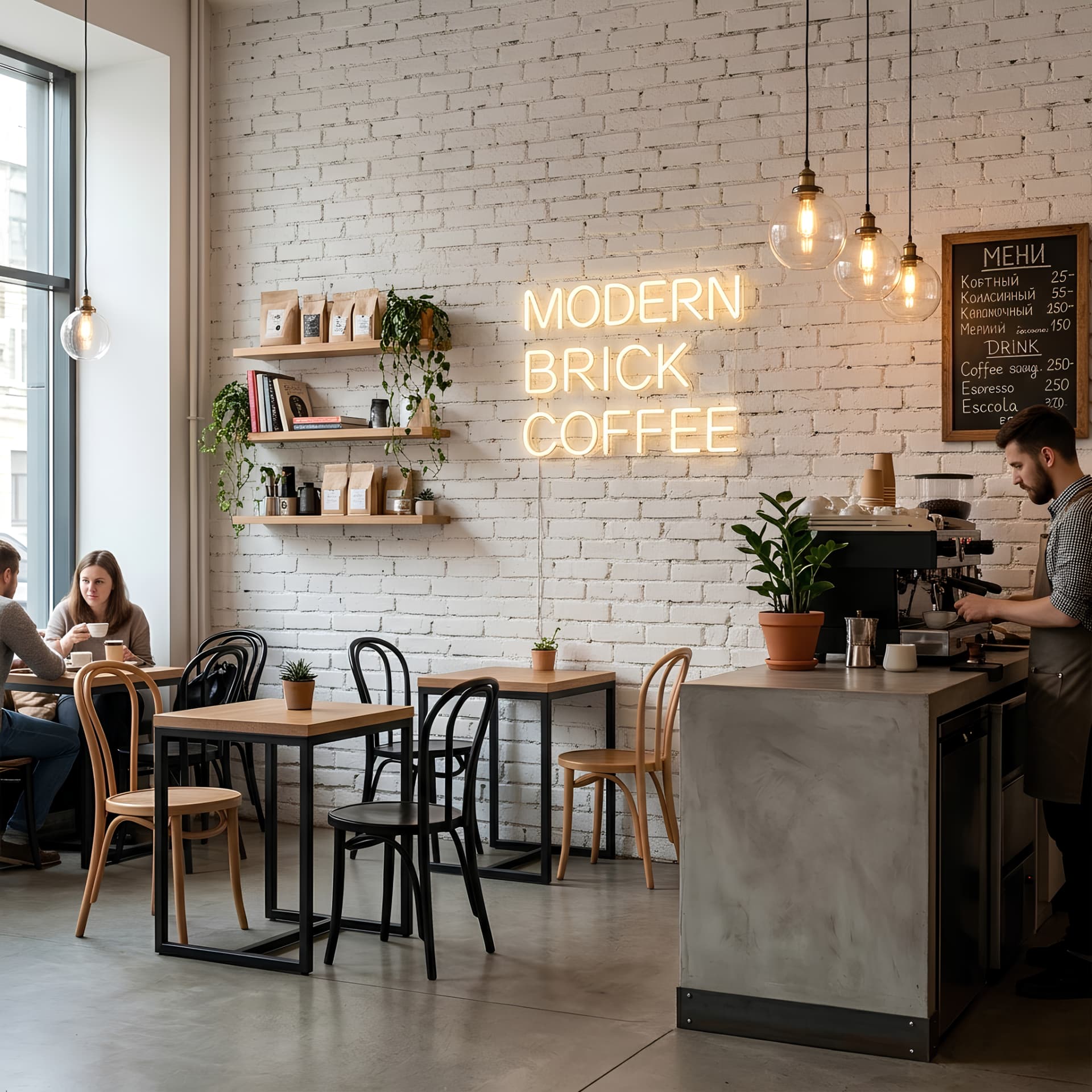
3D White Stone Brick Textile Wallpaper
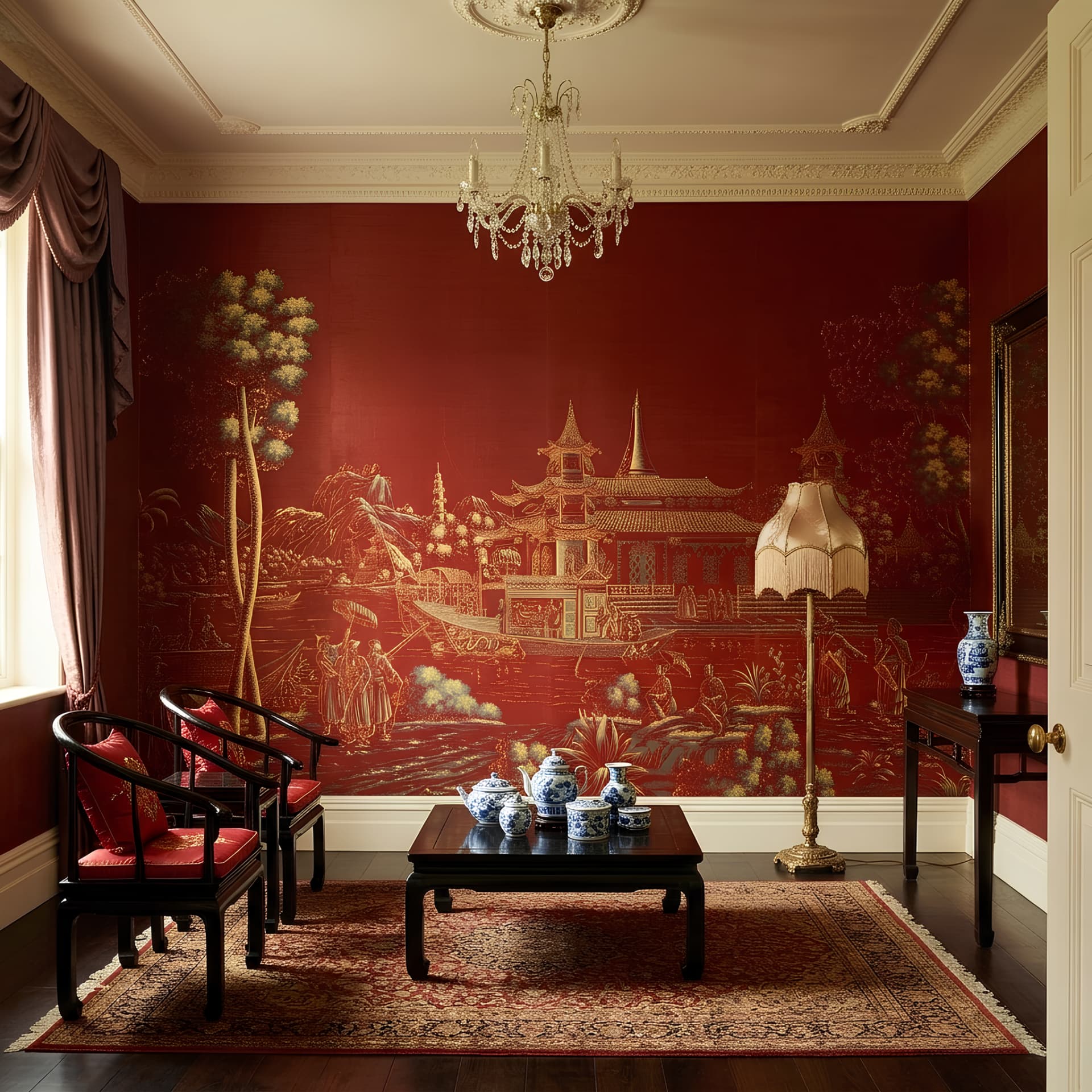
Classic Chinese Motif Burgundy Wallpaper
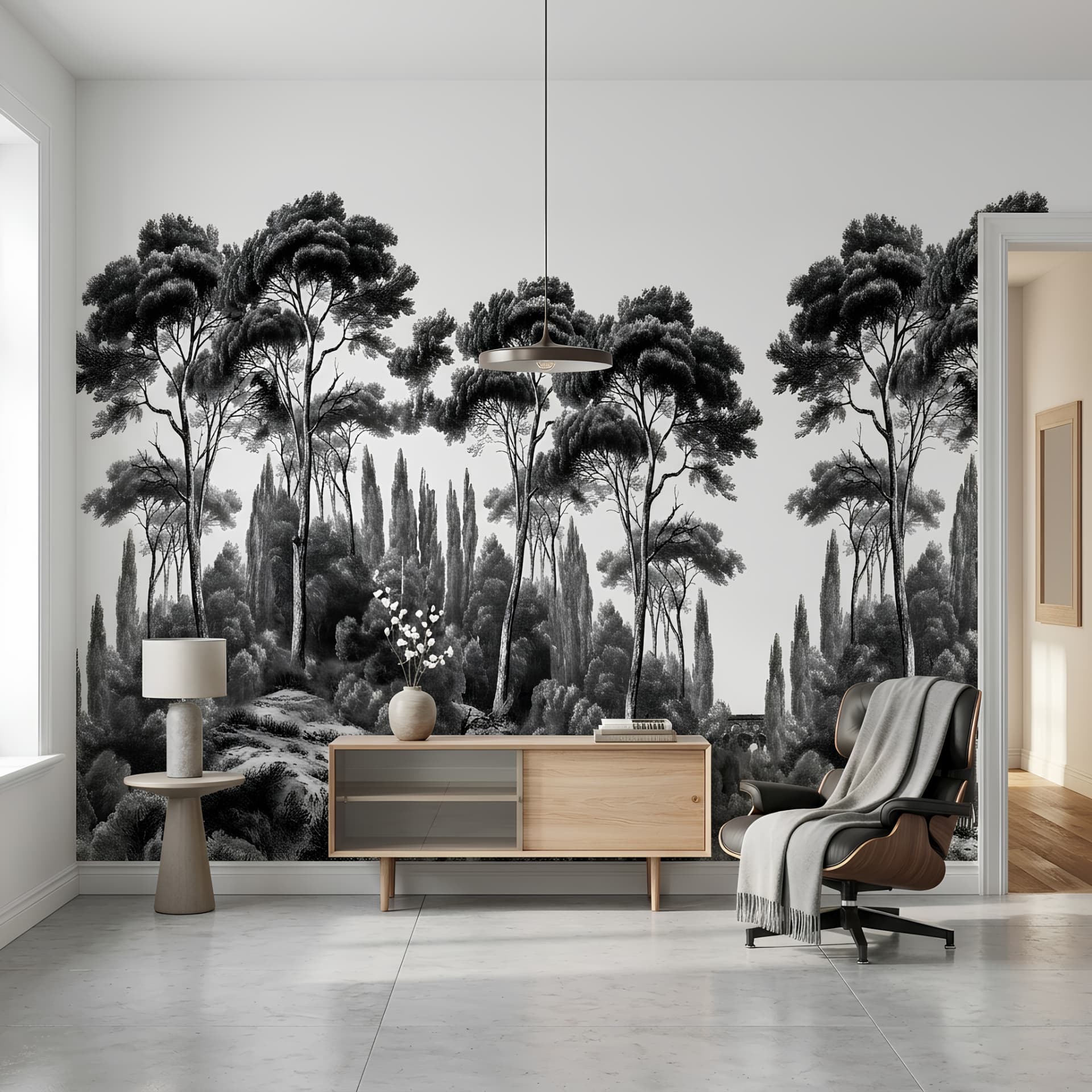
Black & White Vintage Forest Wipeable Wallpaper
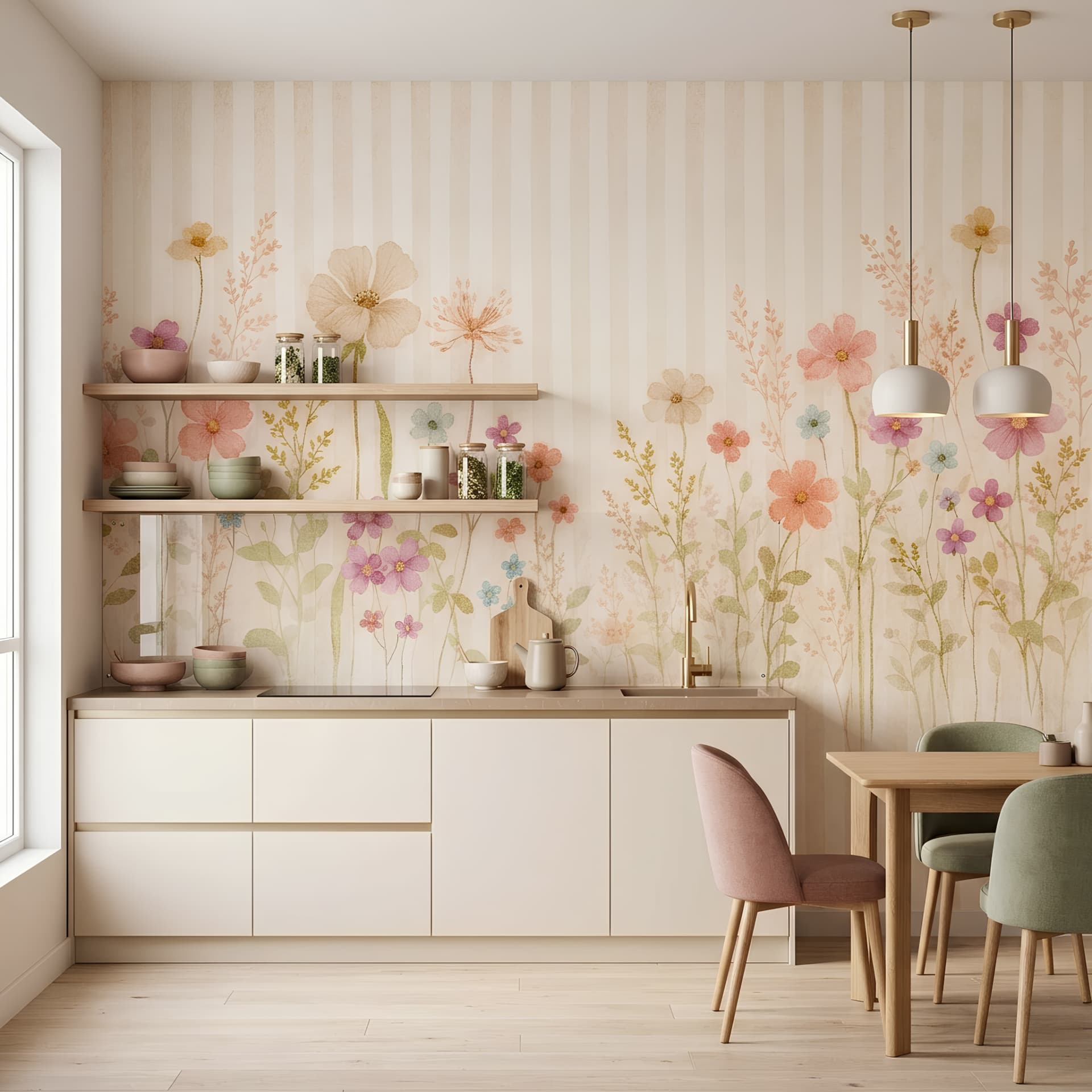
Pastel Spring Garden Striped Wallpaper
DA
Dekoartizan Tasarım Ekibi
Duvar kağıdı sektöründe uzmanlaşmış tasarım ve içerik ekibimiz, iç mekan dekorasyonu, malzeme bilgisi ve uygulama teknikleri konusundaki birikimlerini bu rehberlerde paylaşıyor. Tüm içerikler saha deneyimi ve güncel sektör verileriyle desteklenir.
İçeriklerimiz saha deneyimi ve sektörel uzmanlığa dayanır
wallpaper installation costwallpaper hanging pricehire a wallpaper fitterwallpaper installation per m2wallpaper labour cost