Loading article…
vinyl wallpapernon-woven wallpapervinyl vs non-woven
Vinyl vs Non-Woven Wallpaper: Which Material Should You Choose? (2026 Guide)
Vinyl and non-woven wallpaper compared on moisture resistance, breathability, removal, hanging and price. A room-by-room material guide with a technical comparison table.
D
By Dekoartizan Tasarım Ekibi··7 min read
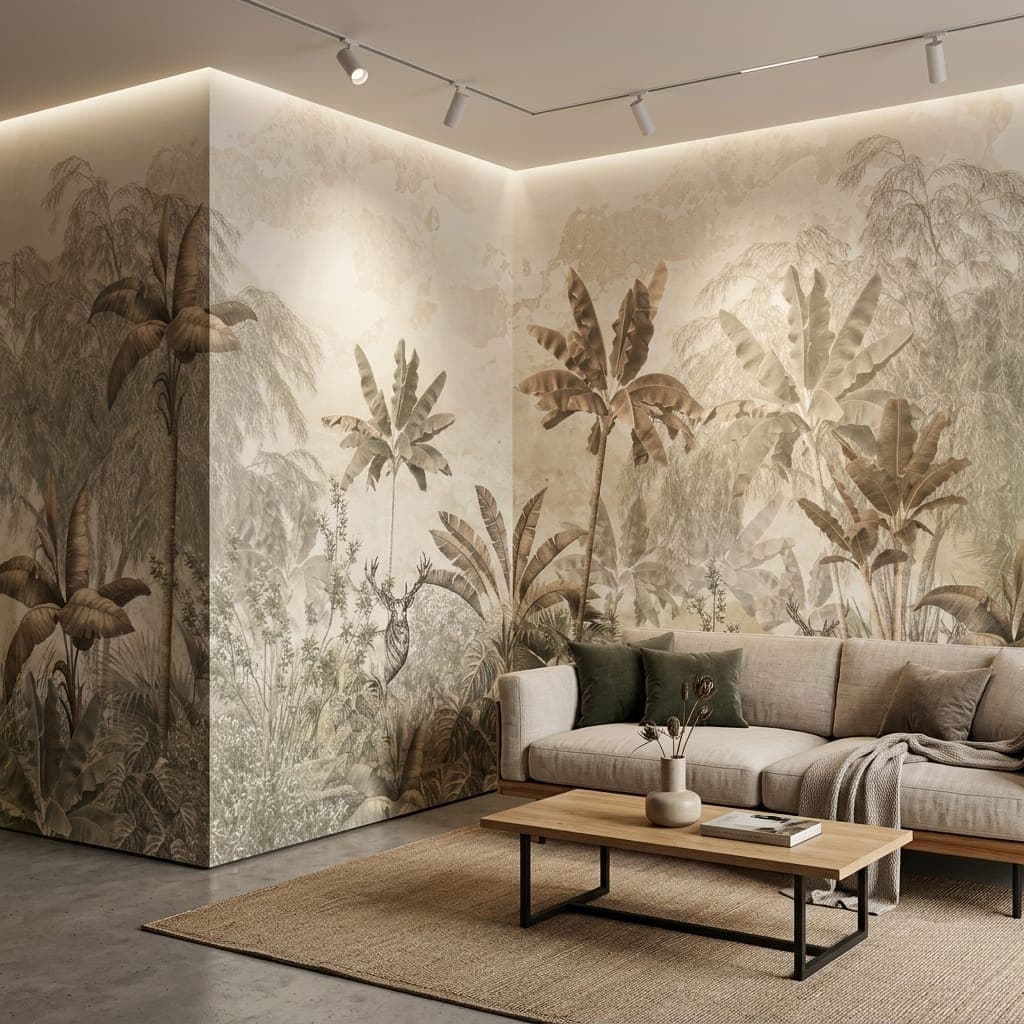
Vinyl vs Non-Woven Wallpaper: Why the Wrong Choice Costs You So Much
Once you decide to redecorate your home or office, picking a design from thousands of patterns and colours is the fun part. But beyond looks, the thing that really decides how long that choice lasts is the material the wallpaper is made from. The whole vinyl vs non-woven wallpaper debate comes down to two technologies that dominate the market today: vinyl and non-woven.
Most people judge these two types by their surface appearance alone, yet their moisture resistance, ease of removal, hanging technique and health credentials are completely different. The wrong call here can leave you with peeling edges in the kitchen after a few months, or paper that tears the wall apart when you move out.
What Is Vinyl Wallpaper? Built for Durability and Easy Cleaning
Vinyl wallpaper is built from two layers: a paper or fibre backing underneath, topped with a protective PVC (polyvinyl chloride) or acrylic coating. That plastic top layer gives the paper strong resilience. Vinyl itself splits into sub-categories such as paper-backed vinyl, fabric-backed vinyl and solid (compact) vinyl.
The Key Advantages of Vinyl
- Superior moisture and water resistance: The PVC layer makes it waterproof. It is indispensable behind kitchen worktops and in the splash-free zones of bathrooms.
- Washable and easy to clean: "Scrubbable" grades can be wiped down with a sponge and mild detergent. It is the safest choice for homes with children and for hallways.
- Physical resistance: Highly resistant to scratches, knocks and tearing. The most sensible pick for pet owners.
- Rich embossed texture: Because vinyl can be heat-pressed during production, it can realistically mimic stone, brick or leather textures.
The Drawbacks of Vinyl
Vinyl does not breathe; that may sound like a downside, but in a bathroom it stops moisture being trapped against the wall. Just make sure the wall you are hanging it on is dry and sound, and always use a suitable primer. During removal the top layer peels off easily, and the paper backing underneath is cleaned off by wetting it with warm water.
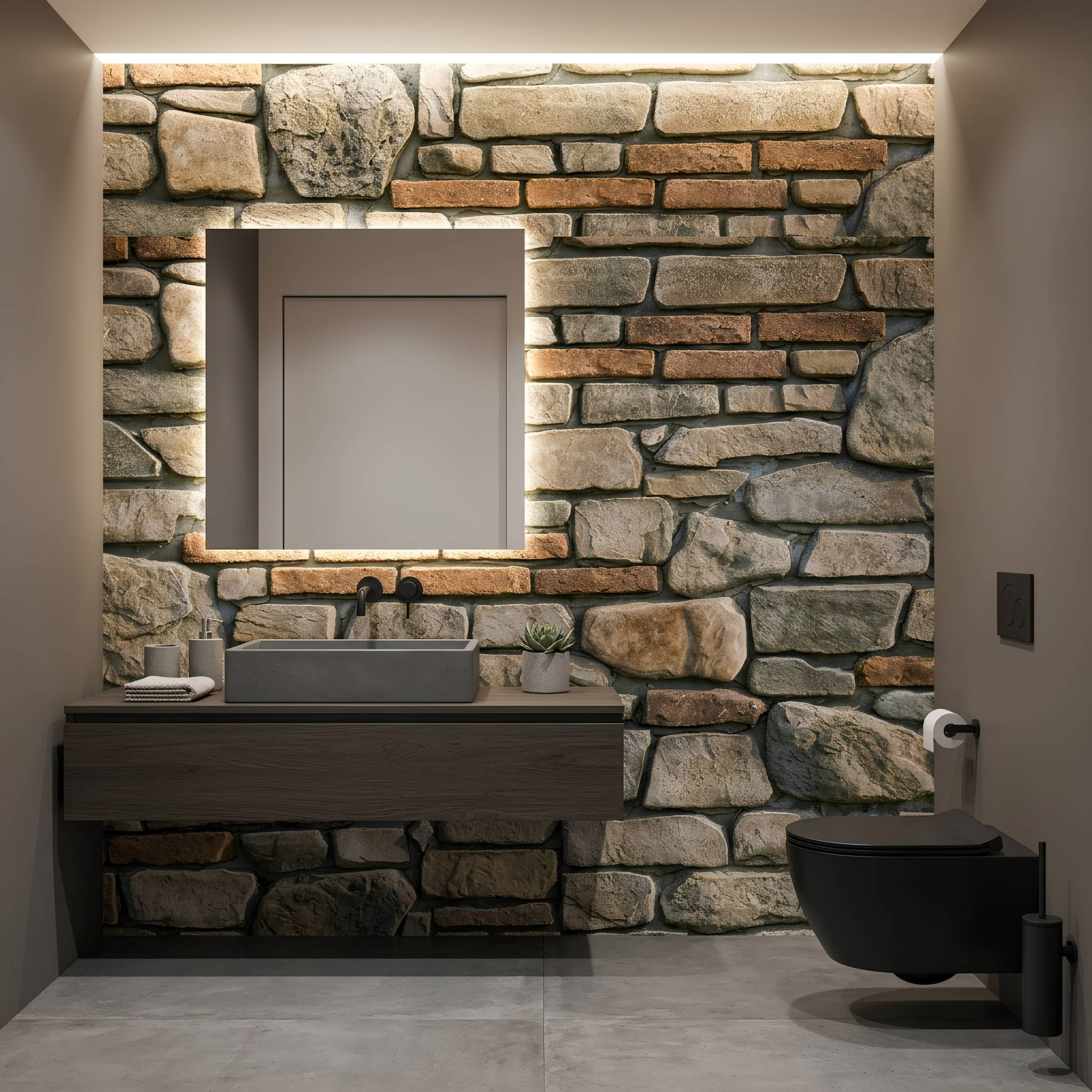
What Is Non-Woven Wallpaper? The New Generation of Decoration
Non-woven wallpaper is a fabric-free material made by bonding and pressing together textile fibres (cellulose and synthetic) with natural fibres. Replacing traditional paper-backed products, this technology is now widely used in interior decoration.
The Advantages of Non-Woven
- Breathable structure: It lets the wall breathe. It minimises mould and bacteria forming behind the paper, making it the healthiest material for bedrooms and nurseries.
- Easy to hang (DIY-friendly): The paste goes onto the wall, not the paper. There is no need to wet the paper and wait — you hang the dry sheet straight onto the wall.
- No stretching or shrinking: It does not expand when wet or shrink as it dries. The risk of seams opening up is almost zero.
- Flawless removal: Grab a corner, pull, and it strips off in one piece without damaging the wall at all. For rented flats this is a priceless feature.
Technical Comparison Table
| Feature | Vinyl Wallpaper | Non-Woven |
|---|---|---|
| Hanging method | Paste applied to the paper, then left to soak | Paste applied directly to the wall |
| Cleaning | Washable, can be scrubbed with detergent | Wipe gently with a damp cloth |
| Breathability | No (acts as a barrier) | Yes (mould-resistant) |
| Removal | In layers, wet stripping | One piece, dry and trace-free |
| Moisture resistance | Very high | Medium |
| DIY hanging | Moderate difficulty | Easy |
| Lifespan | 7–12 years | 10–15 years |
| Recommended for | Kitchen, bathroom, entrance, hallway | Bedroom, living room, nursery |
Room-by-Room Material Guide
Kitchen and Bathroom: Vinyl Is a Must
In kitchens, where steam, grease and water splashes are constant, non-woven papers can absorb odours over time. Vinyl, thanks to the PVC shield on its surface, wipes clean and seals itself off from external factors. In the zones of your bathroom outside the shower, you should always use thick vinyl wallpaper.
Bedroom and Nursery: Non-Woven
For the bedroom, where we spend most of our time, "walls that breathe" are vital. Non-woven papers are far cleaner when it comes to VOC emissions and are especially recommended for nurseries.
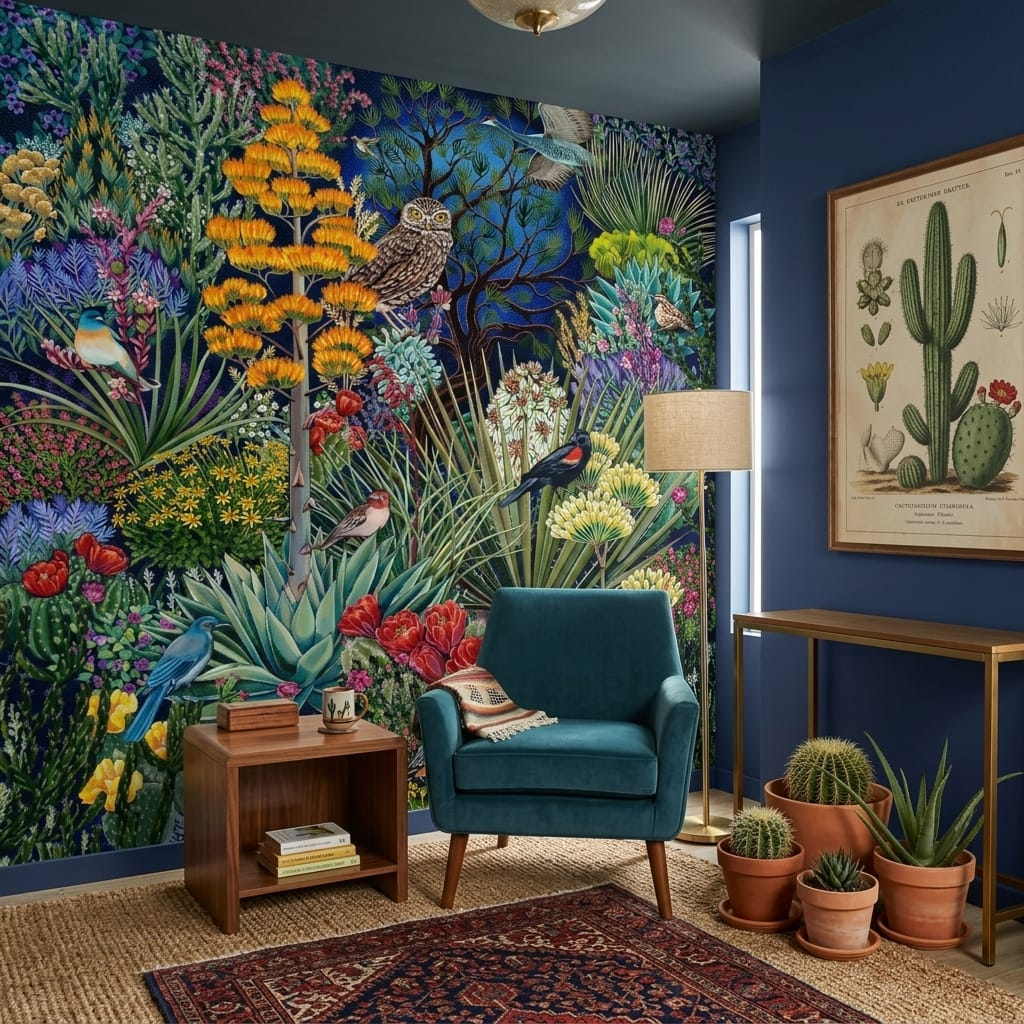
Living Room: Either Will Work
If your living room sees heavy traffic, go for vinyl; if healthy breathability and easy removal are the priority, choose non-woven. In our living room wallpaper guide we explain how to match the material to the conditions of the room.
Rented Flats: Save Your Deposit with Non-Woven
Non-woven papers let you strip the wall in a minute on moving day and leave it looking like new. For rented homes we strongly recommend turning to non-woven-backed digital print products.
Decision Tree: The Right Backing in Four Questions
If the comparison table felt long, these four questions are enough. Does the wall face a wet area? If yes, vinyl, no argument. Is there heavy child or pet traffic? If yes, vinyl again. Do you want a matt, fabric-like prestige texture? Then non-woven textile. Is there a chance you will move? Because non-woven strips off dry and in one piece, it wins in the tenant scenario. If two answers clash (e.g. a home with children plus a desire for prestige), the solution is zonal: vinyl on the lower walls and hallway, textile on the living room feature wall.
How Real Is the Price Difference?
The market repeats the old line that "vinyl is cheap, non-woven is expensive"; in made-to-measure production the picture is different. On our price list, premium non-woven-backed textile at 850 TL/m² is the most accessible class; wipeable foil is 950 TL/m². So it is the place of use, not the price, that should decide your choice: the 100 TL/m² gap is trivial next to the replacement cost the wrong backing will rack up within 2–3 years. The current table is in our price guide.
Hybrid Products: Both in One
Before we close the comparison, a technical note: most of the quality vinyl papers on the market are actually hybrids — a vinyl surface coated onto a non-woven carrier backing. So in most products the "vinyl or non-woven" question is really a "surface or backing" question: the backing determines the hanging-and-removal character, the surface determines the cleaning-and-durability character. Our wipeable ranges are built on this logic too: the dry-removal advantage of the non-woven backing plus the wipeability of the vinyl surface meet in a single product. If you see "non-woven-backed vinyl" on the label, it means you are getting the best of both worlds.
A guide that looks in depth at the properties of the non-woven backing alone: what is non-woven wallpaper.
Frequently Asked Questions
Can you paint over vinyl wallpaper?
No, the plastic structure of vinyl will not hold paint and the paint flakes off over time. If you want to paint, you need to strip the paper off.
Does non-woven need a special adhesive?
Yes, you should use a special wall-applied, crystallised adhesive that says "non-woven" on the box. These adhesives are included in DEKOARTİZAN application kits.
Which one is more expensive?
Non-woven papers are generally a little pricier than paper-backed vinyls. However, thanks to ease of hanging and not needing a professional installer, they can save you money on the total budget. Take a look at our current price guide.
Do I have to strip the old paper before hanging wallpaper a second time?
While hanging new paper over old is possible, it is strongly discouraged. Strip the old paper first and prepare the wall. Non-woven papers make this step much easier.
Discover the DEKOARTİZAN Collection
We produce thousands of designs in both technologies. You can read the material descriptions on our product pages or consult our technical team. Visit our products page right now — free shipping and damage-free delivery.
Related Guides
For budget planning after the material comparison, take a look at our 2026 wallpaper prices guide. We explain which material performs better in damp areas in our kitchen and bathroom guide. If you want to replace your old wallpaper, our removal guide will come in handy.
From our shop
Wallpapers You Might Like
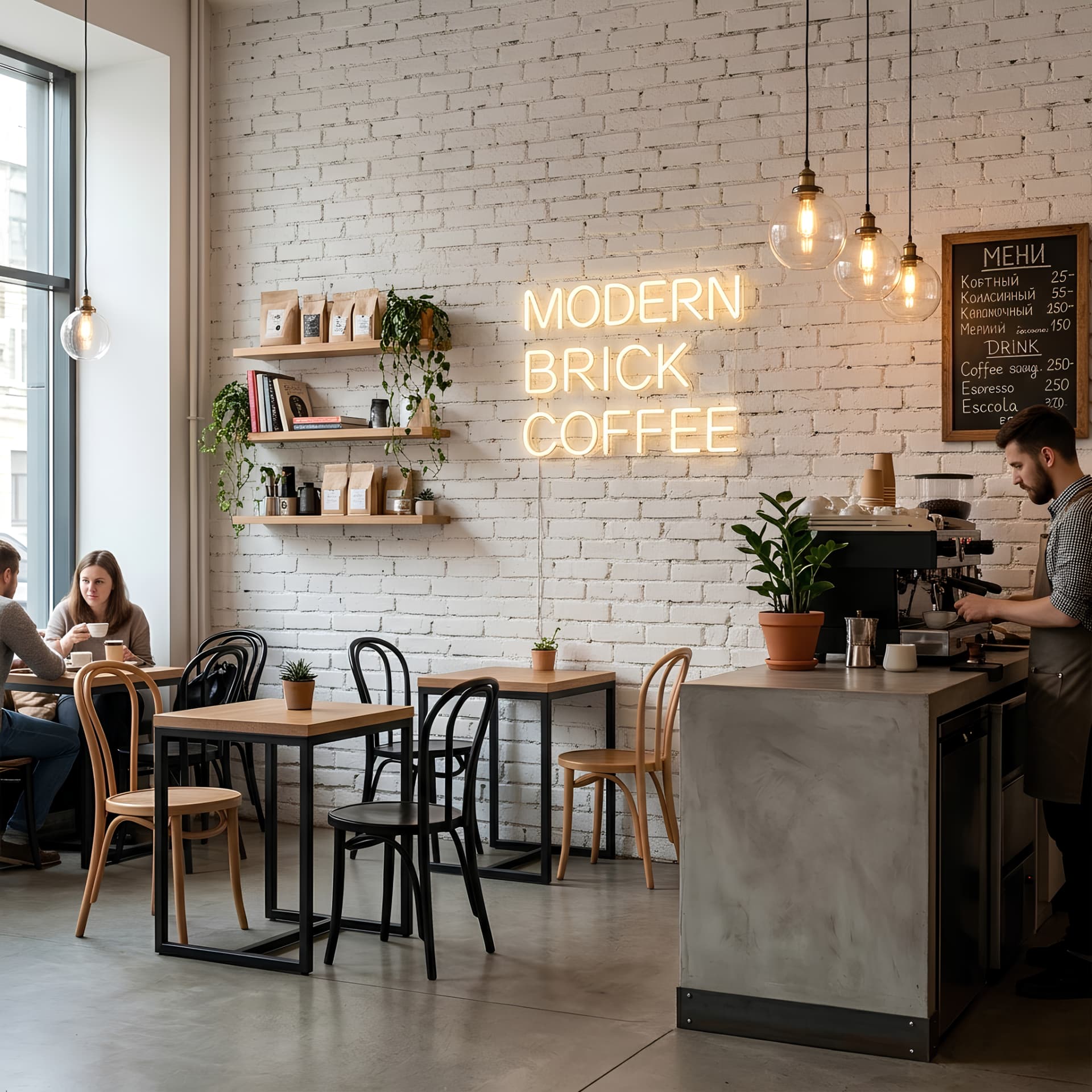
3D White Stone Brick Textile Wallpaper

Classic Chinese Motif Burgundy Wallpaper
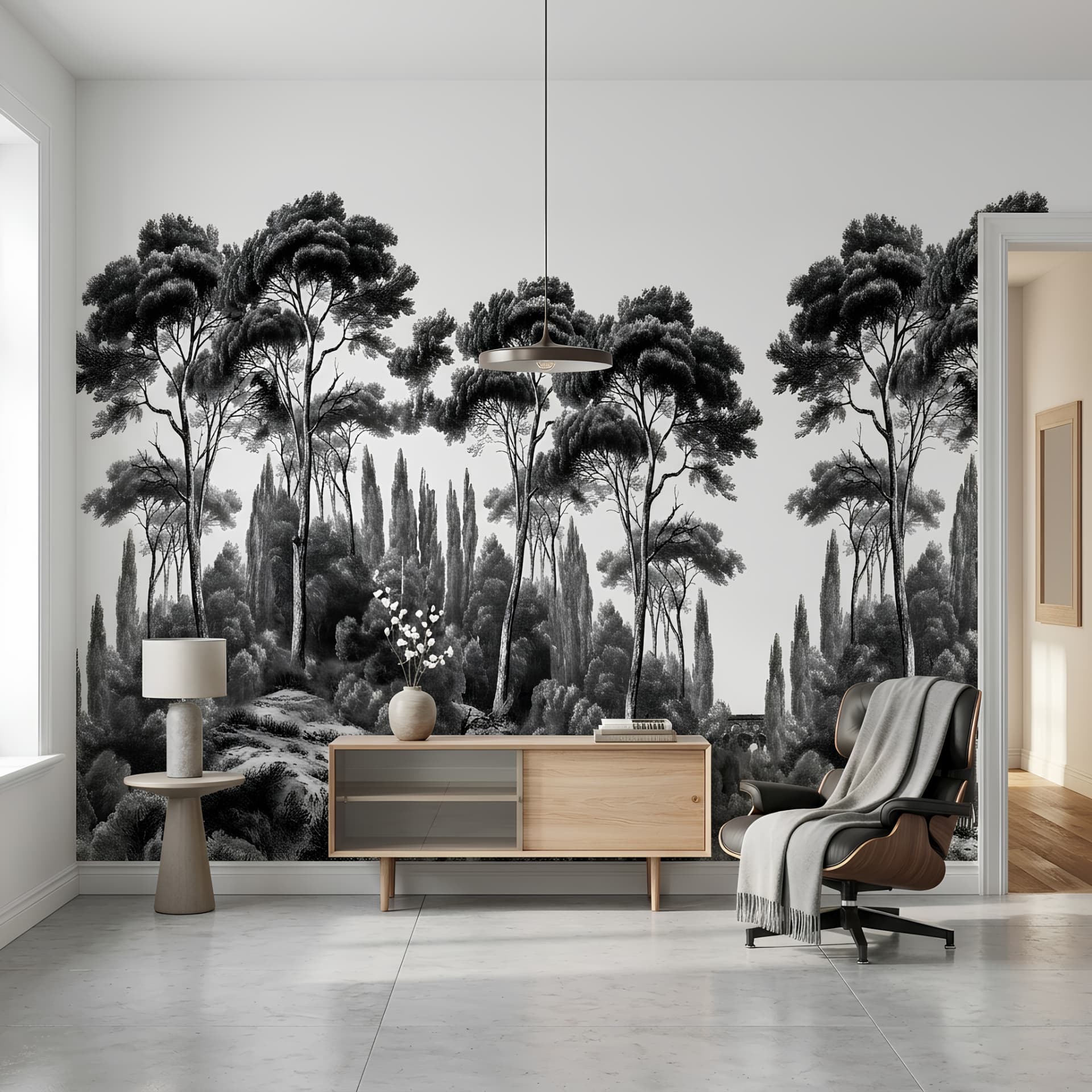
Black & White Vintage Forest Wipeable Wallpaper
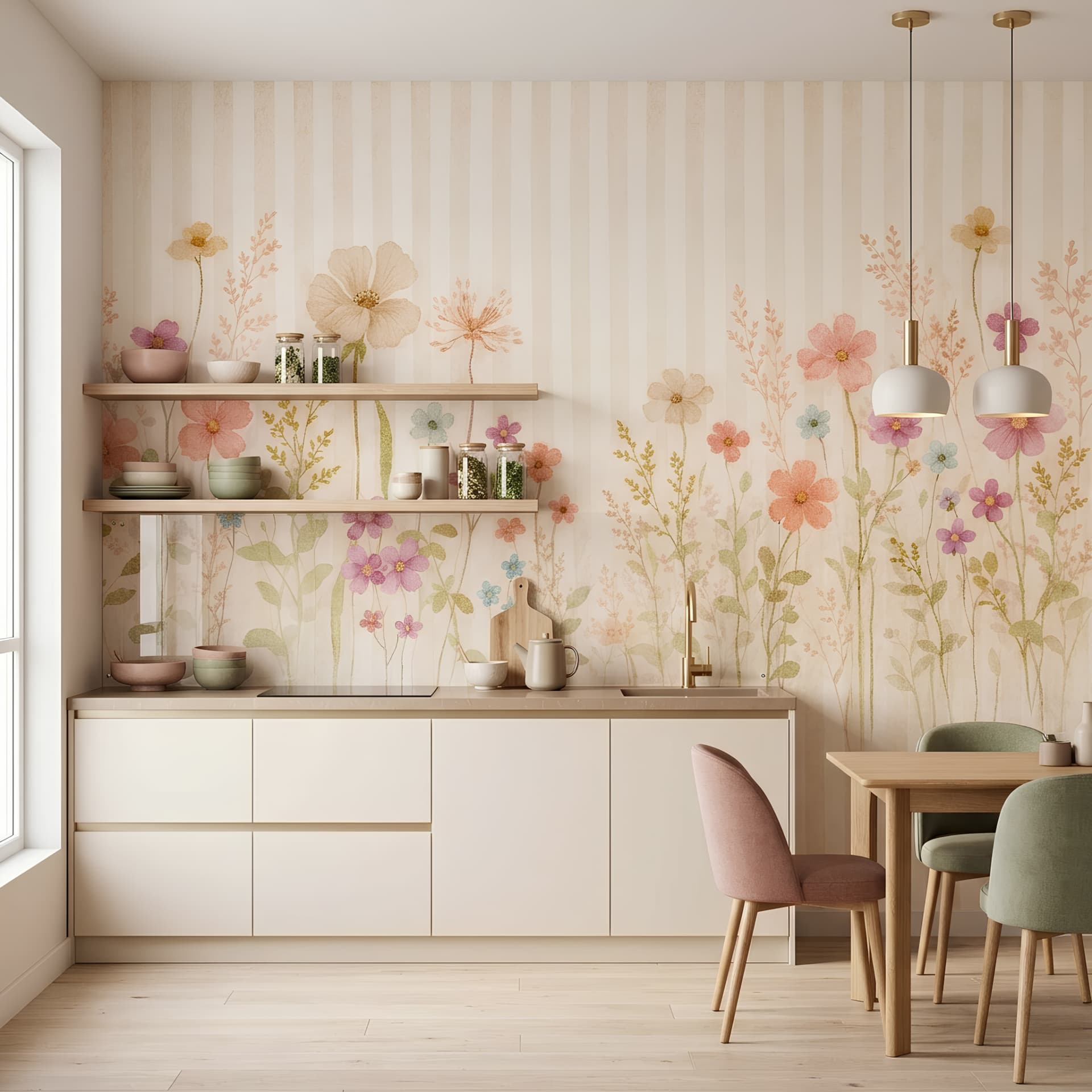
Pastel Spring Garden Striped Wallpaper
D
Dekoartizan Tasarım Ekibi
Dekoartizan Tasarım Ekibi, DEKOARTİZAN bünyesinde duvar kağıdı tasarımı ve iç mekan dekorasyonu alanında içerik üretmektedir.
İçeriklerimiz saha deneyimi ve sektörel uzmanlığa dayanır
vinyl wallpapernon-woven wallpapervinyl vs non-wovenwallpaper material guidewashable wallpaperbest wallpaper for kitchen