Loading article…
non-woven wallpaperfleece wallpaperpaste-the-wall
What Is Non-Woven Wallpaper? Benefits and How It Differs From Vinyl & Paper
Non-woven wallpaper is the modern standard backing: dimensionally stable, breathable, paste-the-wall and dry-strippable. Here are its benefits and how it compares to other backings.
D
By Dekoartizan Tasarım Ekibi··6 min read
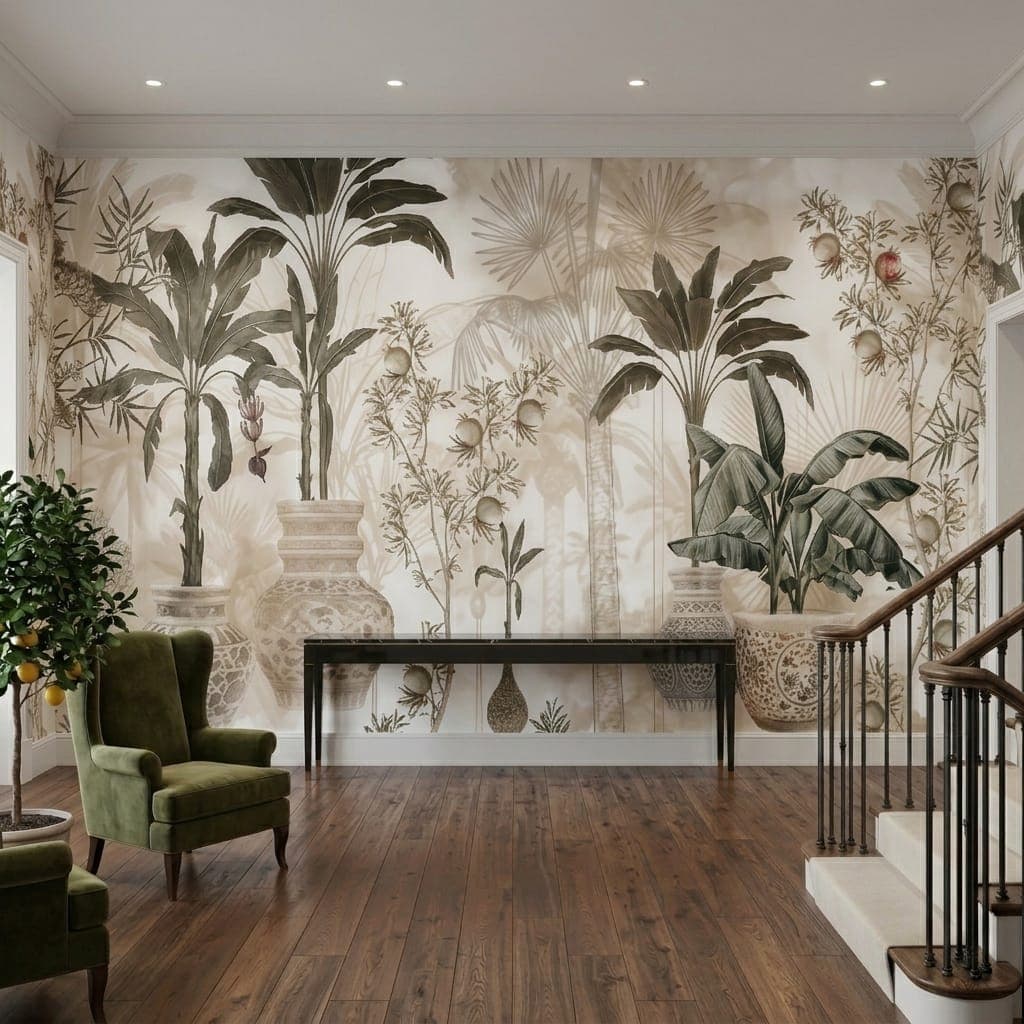
Non-woven wallpaper — sometimes called "fleece" or "fibre-based" backing — is made by pressing cellulose and polyester fibres together without weaving. It is the most widely used and most reliable backing in modern wallpaper.
It stands out in three ways: it takes up and releases moisture without stretching, so seams don't open; the paste goes on the wall and the dry sheet is hung straight onto it, which makes the job easier; and when you move out it peels off the wall in one piece without damaging the surface. DEKOARTİZAN's premium prints are produced on this backing.
What Is Non-Woven Wallpaper and What Is It Made Of?
The name means "not woven": instead of being spun into thread and woven, natural cellulose and synthetic polyester fibres are bonded and pressed together. The result is a lightly porous backing that prints as crisply as paper yet holds its shape like fabric. This hybrid build gives you both the print sharpness of classic paper and the dimensional stability of textile — which is exactly why it has become the modern industry standard.
5 Concrete Advantages of Non-Woven
- Dimensional stability: It won't expand or shrink with moisture and temperature. That means seams stay closed and the surface doesn't ripple — the single most common wallpaper complaint, which non-woven sharply reduces.
- Breathability: The porous structure doesn't disturb the wall's moisture balance; because it isn't as impermeable as vinyl, it lowers the risk of mould (in damp rooms a vinyl-coated version is still the better choice).
- Paste-the-wall hanging: The adhesive is applied directly to the wall and the dry sheet is hung onto it. There's no soaking and waiting (booking); application is fast and clean — the steps are in our installation guide.
- Dry, single-piece removal: When you move out or redecorate you can usually grip a corner and pull it off dry; the wall filler stays intact. Removal details are in our stripping guide.
- Crack bridging: Heavier non-woven backings can hide fine hairline cracks in the wall; they forgive surface imperfections.
Non-Woven vs Vinyl vs Paper
| Property | Non-woven | Vinyl-coated | Classic paper |
|---|---|---|---|
| Dimensional stability | Very good | Good | Poor (stretches) |
| Application | Paste-the-wall (easy) | Usually paste-the-wall | Soak and wait (hard) |
| Cleanability | Damp cloth | Washable (best) | Limited |
| Breathability | Good | Low | Good |
| Removal | Dry, single piece | Usually dry | Needs scraping |
For a full non-woven versus vinyl comparison and which one suits which room, see our vinyl or non-woven guide; for every backing type, our wallpaper types guide.
Weight and Quality: What to Look For
Not every non-woven is the same; the defining measure is weight (g/m²):
- 140 g/m² and above: Premium grade; firm, opaque, crack-bridging quality backing.
- Under 100 g/m²: "Budget" grade; thin, semi-translucent, can let the surface beneath show through.
- The sample test: If it feels firm and fabric-like it's quality; if it's crackly and thin it's budget. Imported European backings carry emission and fire certification — details in our imported wallpaper guide.
DEKOARTİZAN prints use premium-weight non-woven and imported textile-backed options; for texture depth, see our textile wallpaper guide.
Which Room Is Non-Woven For?
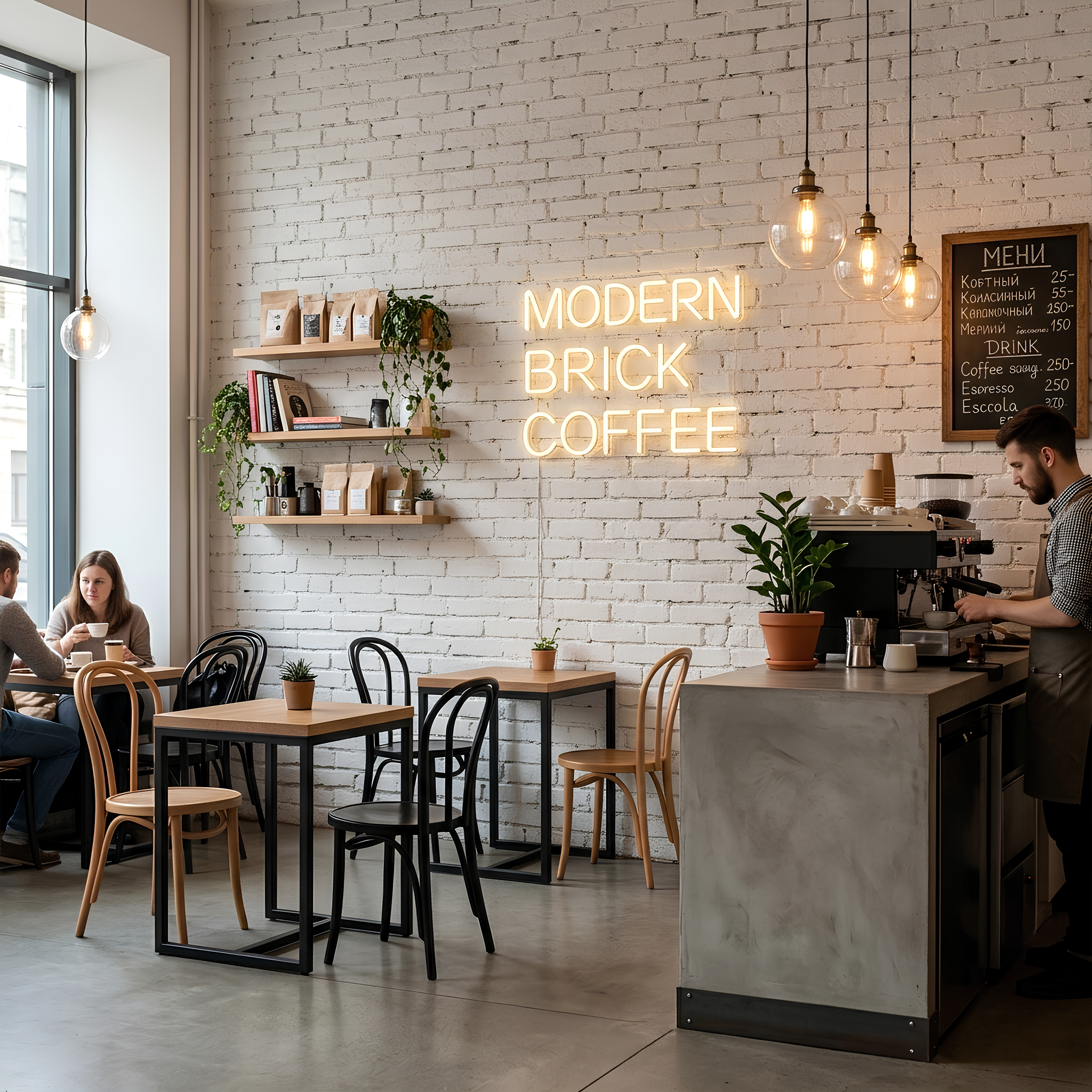
Non-woven backing is the safe default for almost any dry room: ideal in living rooms, bedrooms, studies and hallways. On surfaces that meet water — the kitchen counter run and the bathroom — a vinyl-coated (washable) non-woven or a wipeable backing is preferred. In office and commercial projects, fast hanging and clean removal make non-woven the standard — see our office wallpaper guide.
Price
Our non-woven-backed prints start from 850 TL/m²; textile/canvas texture rises to 1,050 TL/m² (2026). Backing quality is the real driver of price — cheap thin backings are cheap in the short term but expensive on a cost-per-lifespan basis. To estimate, use our price guide and m² calculator.
Non-Woven Installation Tips
Non-woven's "paste-the-wall" method makes it DIY-friendly, but a few details decide the result:
- Apply paste to the wall: No soaking and waiting (booking); spread the paste over an area slightly wider than the strip.
- Choose a heavy-duty vinyl paste: Especially with heavily printed and textile backings, "general-purpose" paste isn't enough.
- Smooth from centre to edge: Push the air out from the middle with a smoothing tool; press the seams closed.
- Stop draughts: Fast drying opens seams; keep the room at 15–25°C and draught-free.
The full step-by-step walkthrough is in our installation guide; if you'll work with a fitter, see installation costs.
Non-Woven Care and Lifespan
With the right care, premium non-woven holds its form for 10–15 years. Dust is lifted with a damp microfibre cloth; for stains, spot-clean with a pH-neutral detergent and avoid abrasives. Vinyl-coated versions stand up to more aggressive cleaning. Thanks to its dimensional stability, the risk of rippling or seams opening across seasonal changes is low — and that is the very property that extends its life.
3 Myths About Non-Woven
- "Non-woven is paper, so it's flimsy": Wrong — the polyester fibre content makes it far more stable than classic paper.
- "All non-woven is the same": No — weight (140+ premium, under 100 budget) decides quality; details in our imported wallpaper guide.
- "It can't be used in damp rooms": It's ideal in dry rooms; for the bathroom or kitchen you pick a vinyl-coated non-woven — so it can be used, with the right version.
Frequently Asked Questions
What does non-woven wallpaper mean?
It means "not woven": a modern, non-stretching, print-friendly backing made by pressing cellulose and polyester fibres together without weaving them. It's also called fleece backing.
Is non-woven or vinyl better?
For dry rooms and for easy hanging and removal, non-woven; for surfaces exposed to water and heavy contact (kitchen counters, bathrooms), washable vinyl. Combine the two (vinyl-coated non-woven) and you get the most durable result. The comparison is here.
Is non-woven wallpaper easy to remove?
Yes — it's one of its biggest advantages. Most of the time you grip a corner and pull it off dry in a single piece, leaving the wall filler unharmed.
Can non-woven wallpaper be used in humid environments?
Its porous structure lowers the risk of mould, but on surfaces in direct contact with water you should choose a vinyl-coated version. It's ideal in dry rooms such as living rooms and bedrooms.
From our shop
Wallpapers You Might Like
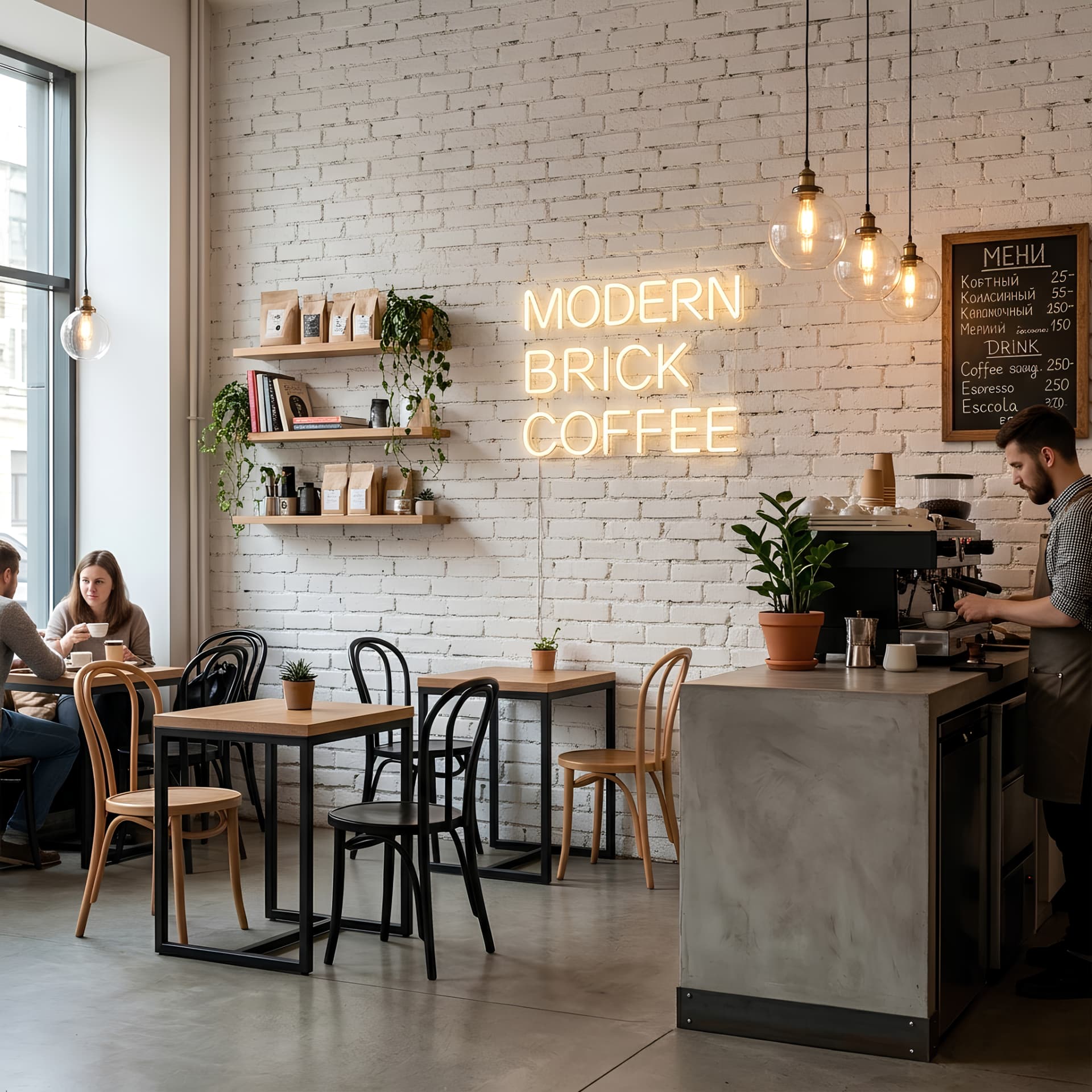
3D White Stone Brick Textile Wallpaper
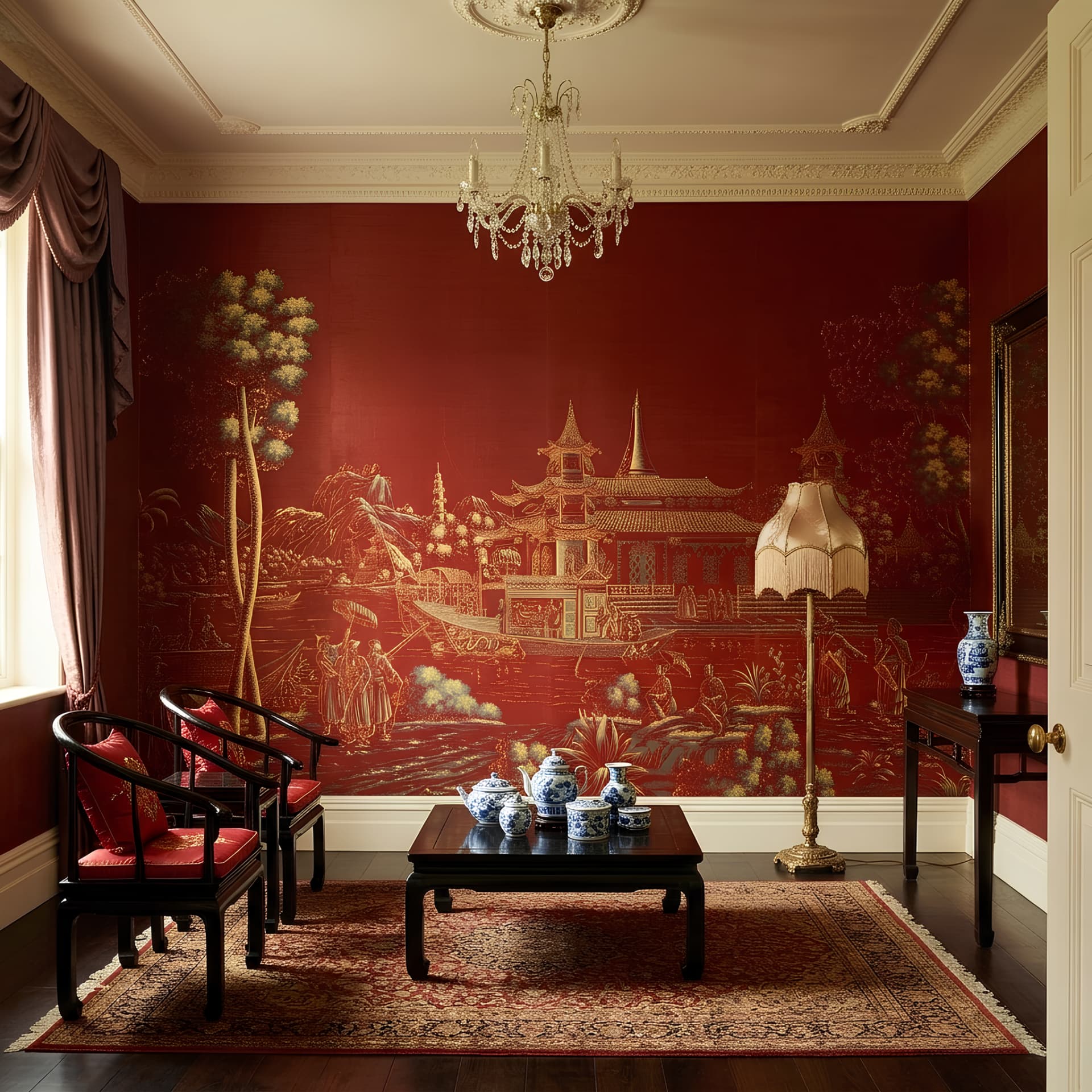
Classic Chinese Motif Burgundy Wallpaper
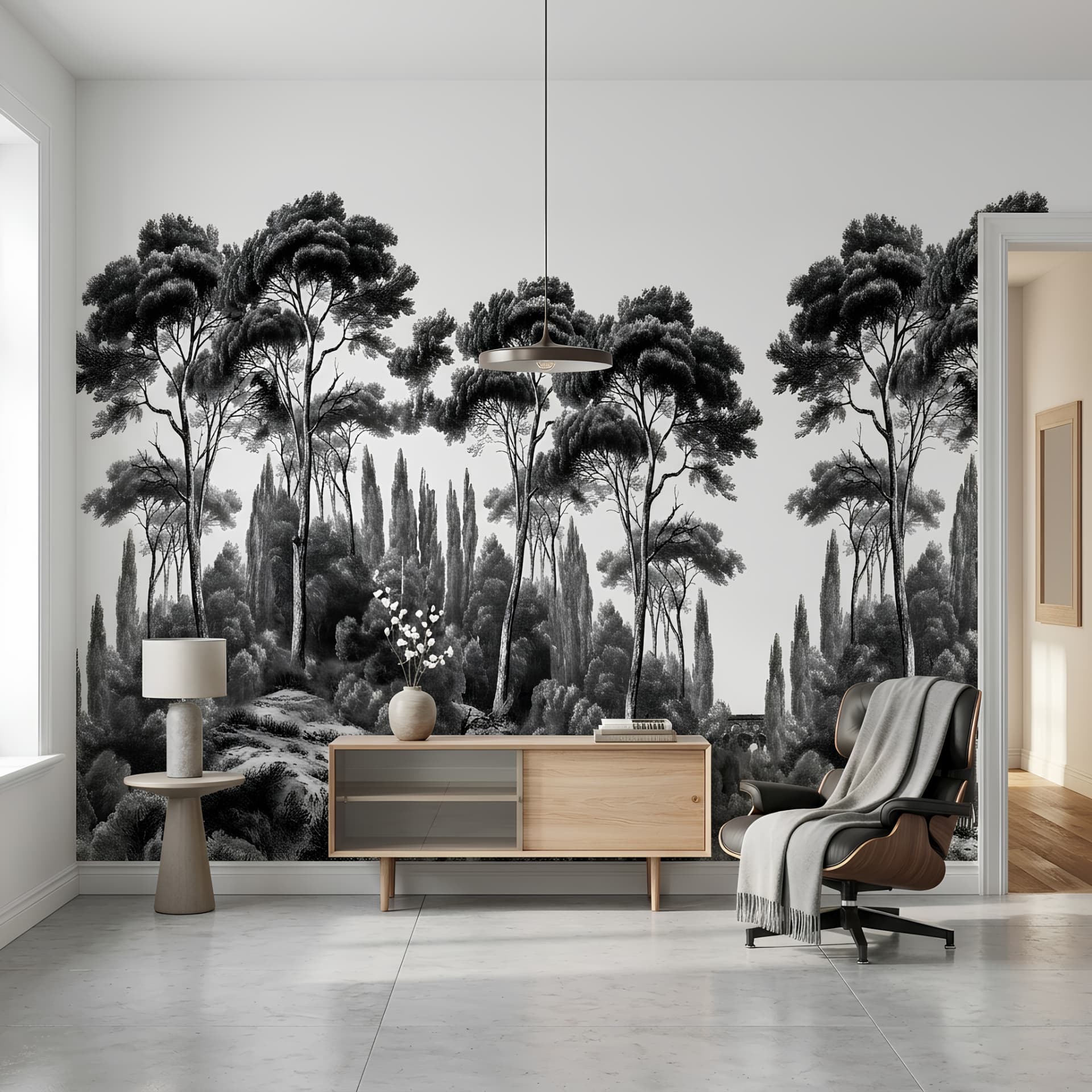
Black & White Vintage Forest Wipeable Wallpaper
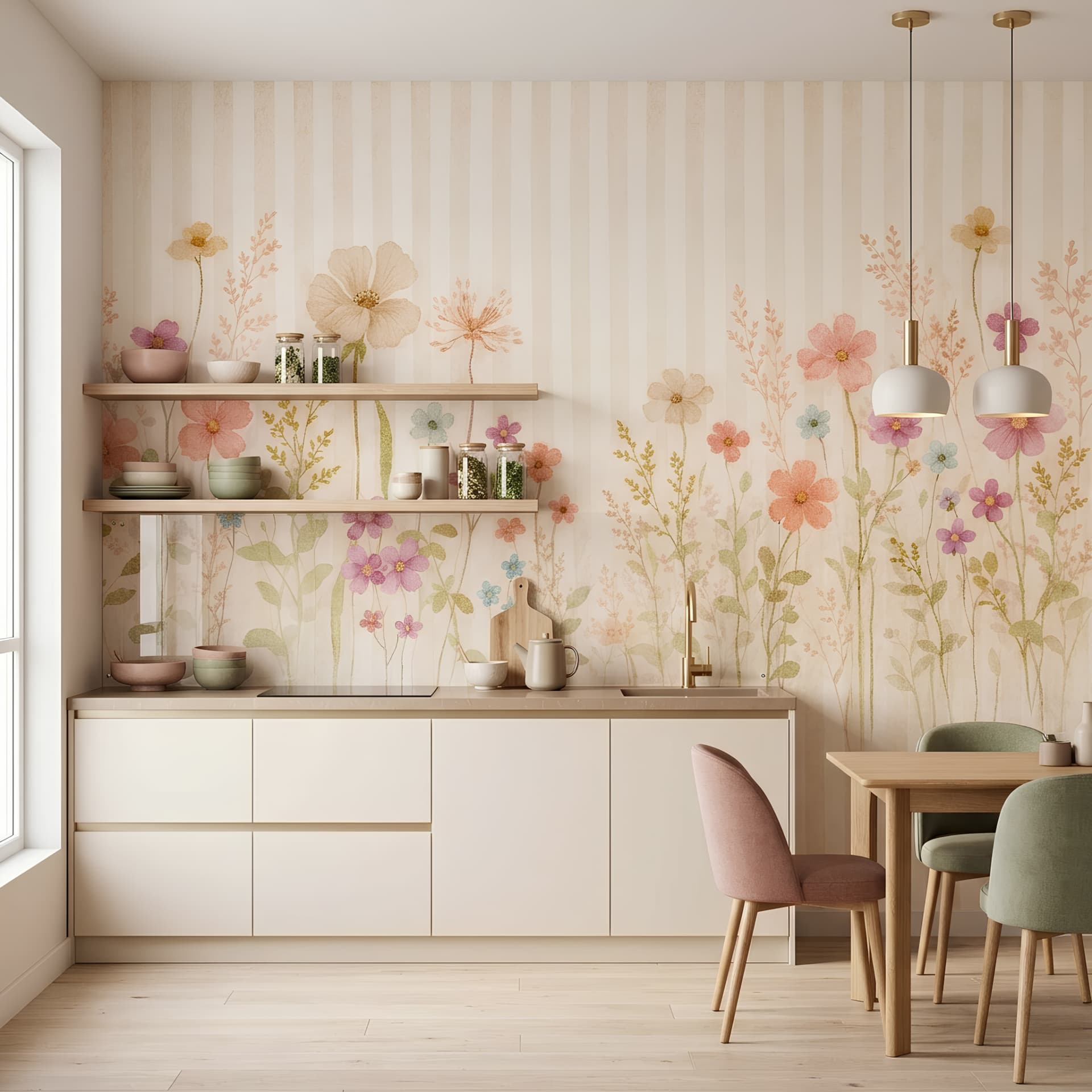
Pastel Spring Garden Striped Wallpaper
DA
Dekoartizan Tasarım Ekibi
Duvar kağıdı sektöründe uzmanlaşmış tasarım ve içerik ekibimiz, iç mekan dekorasyonu, malzeme bilgisi ve uygulama teknikleri konusundaki birikimlerini bu rehberlerde paylaşıyor. Tüm içerikler saha deneyimi ve güncel sektör verileriyle desteklenir.
İçeriklerimiz saha deneyimi ve sektörel uzmanlığa dayanır
non-woven wallpaperfleece wallpaperpaste-the-wallwallpaper backingvinyl vs non-woven