Loading article…
textile wallpaperfabric wallpaperluxury wall covering
Textile Wallpaper: A Luxurious Touch with a Natural Look
Textile wallpaper brings a true fabric texture and a luxurious feel to your home. It improves acoustics, lets the wall breathe, and hides the seams almost completely.
D
By Dekoartizan Tasarım Ekibi··8 min read
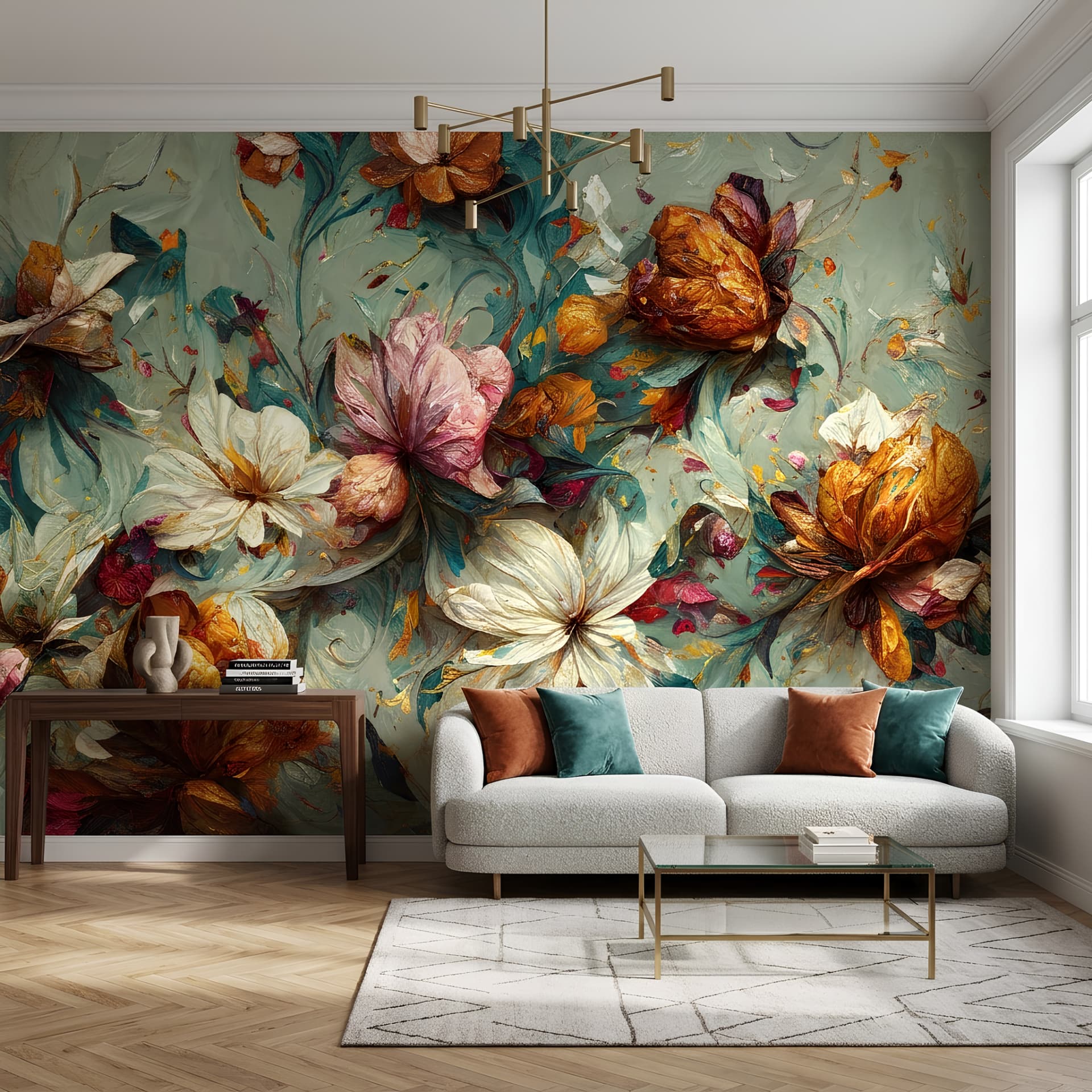
Touching a wall and feeling fabric under your fingertips — that is exactly what textile wallpaper offers. Woven from linen, cotton, polyester or silk yarns, this type lifts a room to a higher level both visually and to the touch.
What Is Textile Wallpaper?
It is made by laminating natural or synthetic fabric onto a paper or non-woven backing layer. Price and performance vary with the type of yarn used:
- Cotton-based: Soft to the touch, a natural feel. Mid-price range.
- Linen-based: A rustic look with high durability. Premium segment.
- Polyester-based: Affordable and easy to maintain. The most common textile type.
- Silk-based: Ultra-luxury. Used in hotel suites and designer homes.
Why Choose Textile?
A Natural, Luxurious Look
It offers an organic texture that vinyl and paper-based products simply cannot imitate. Under light, the play of shadow created by the fabric fibres gives the wall real depth.
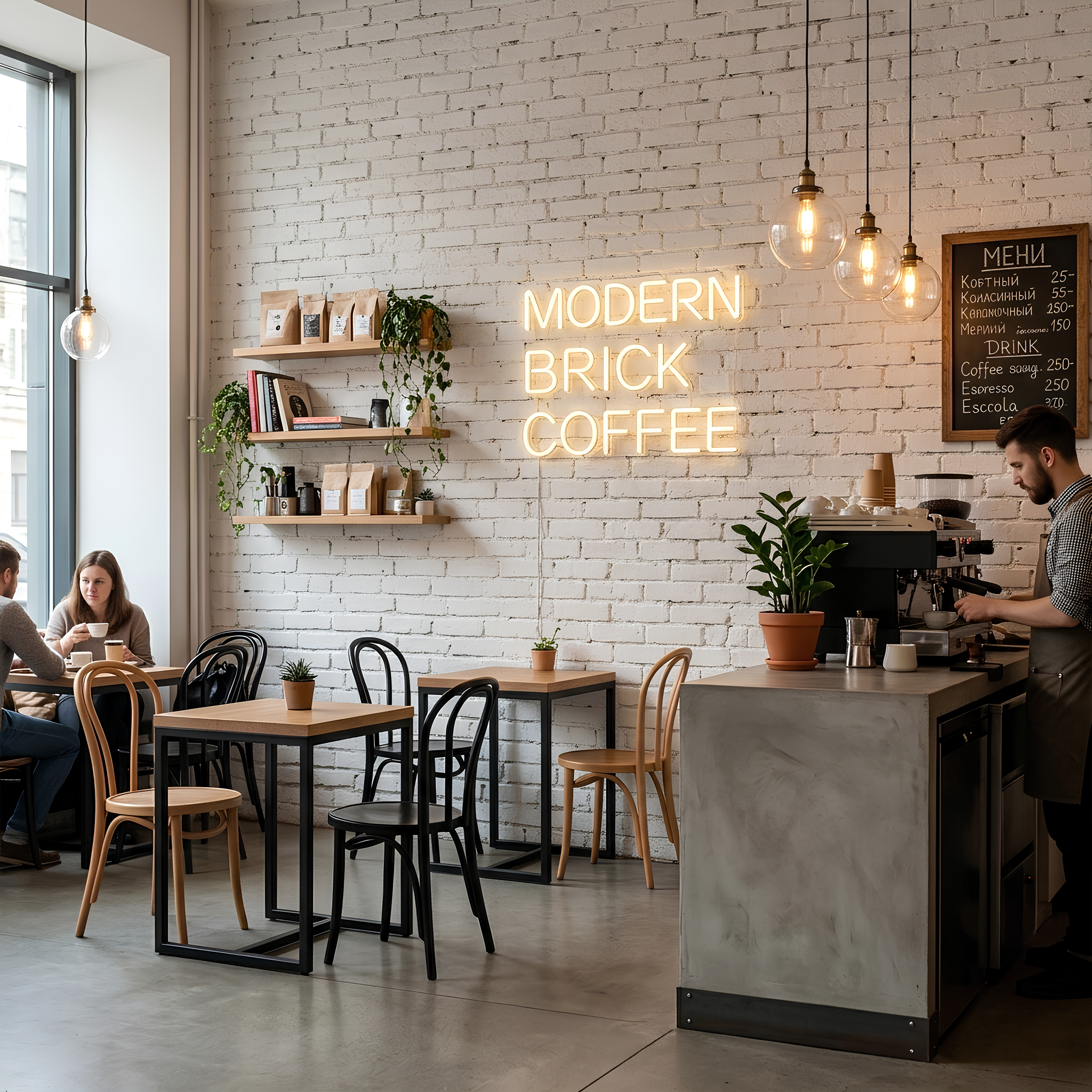
Better Acoustics
The fabric surface absorbs sound waves. Cover a room's walls with textile wallpaper and the echo softens noticeably. It makes a serious difference to comfort in bedrooms, home offices and meeting rooms.
A Breathable Structure
Unlike vinyl, it is not airtight. The wall breathes and the moisture balance is preserved. This is especially useful for preventing mould in older buildings.
Invisible Seams
Thanks to the fabric texture, the joins between strips almost disappear. The wall reads as a single, seamless covering.
Points to Keep in Mind
- Stain sensitivity: Adhesive or any liquid can leave a mark. Wear gloves during installation.
- Not for damp areas: Choose vinyl for bathrooms and kitchens.
- Professional fitting advised: Textile needs more care during hanging. Adhesive must not get onto the face of the material.
- Price: Premium textile is 850 TL/m² and canvas texture 1,050 TL/m² (2026) — the upper segment of our range.
Which Rooms Suit It?
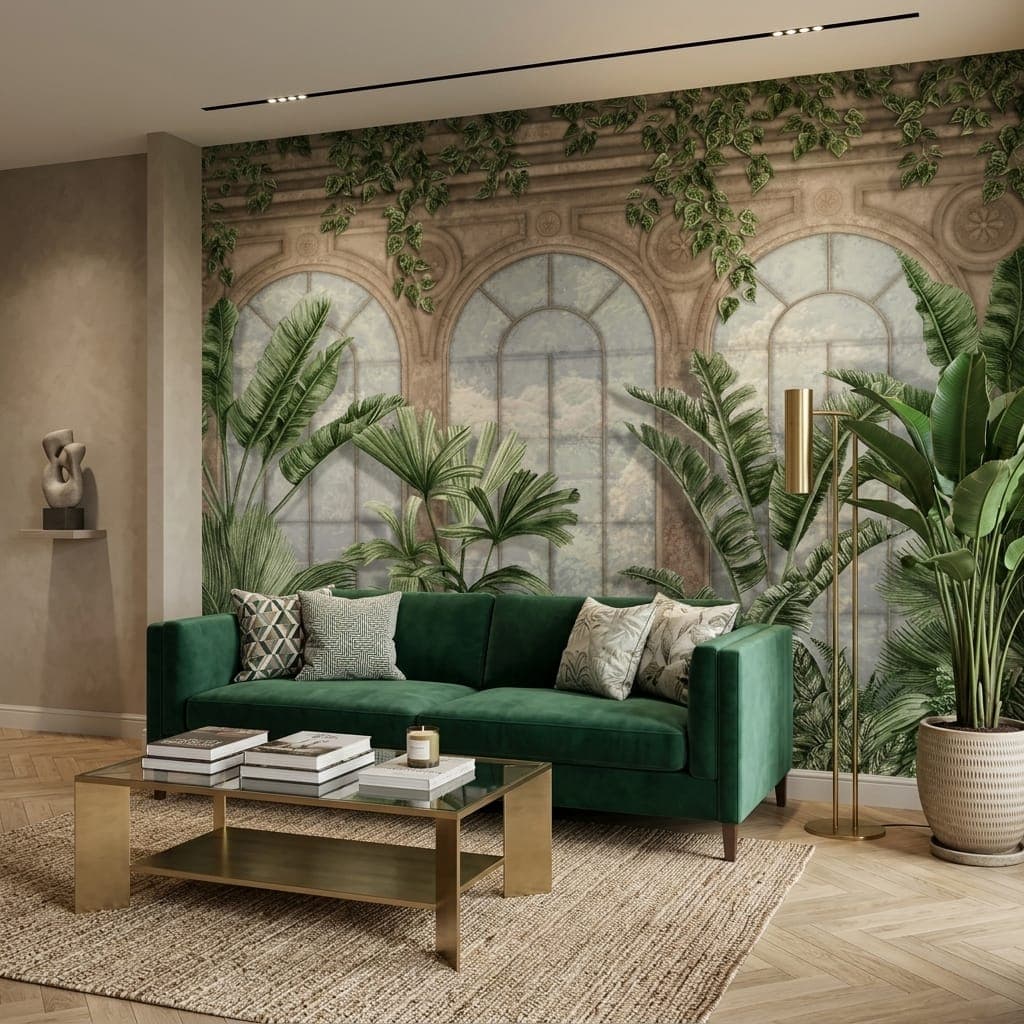
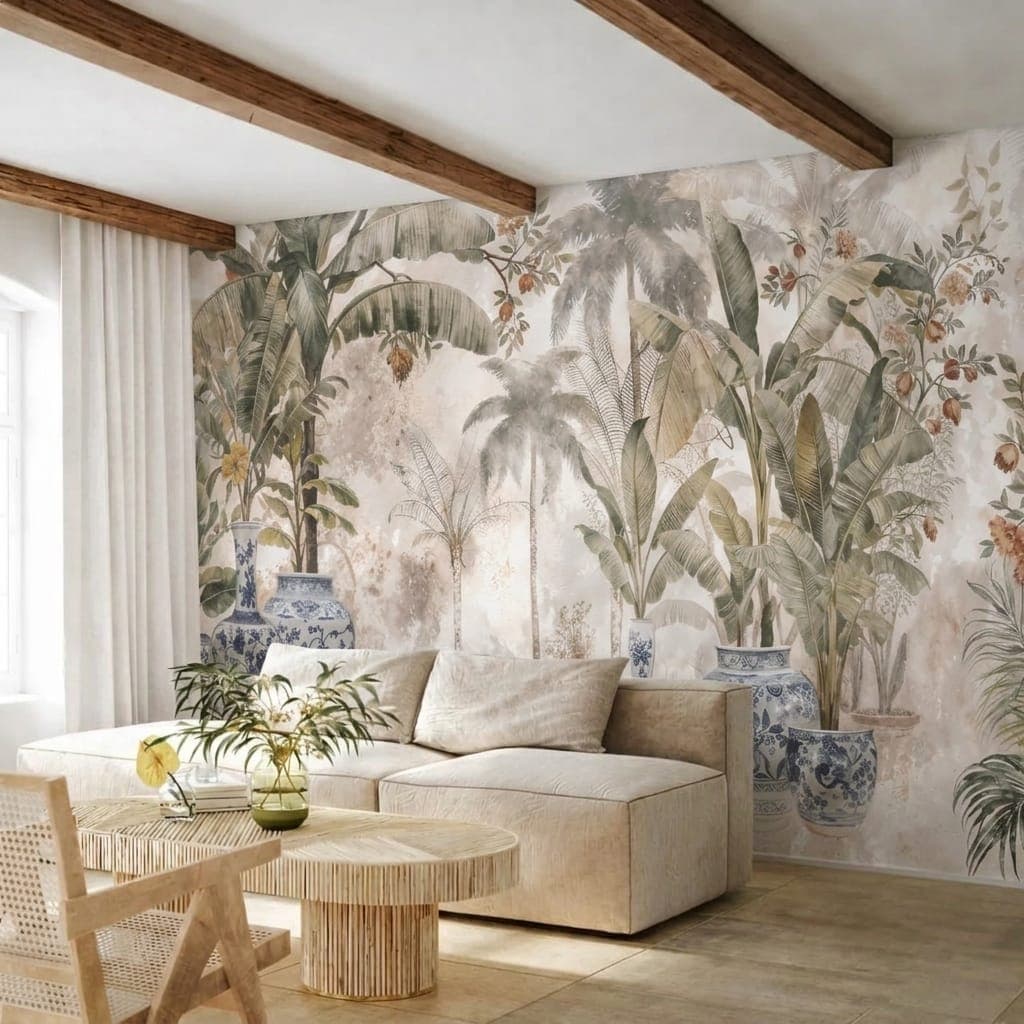
- Living room / lounge: The space where you welcome guests, and where textile is most striking. Living room wallpaper ideas
- Bedroom: A calming touch and sound insulation. Bedroom guide
- Study / library: A quiet, sophisticated atmosphere
- Hotel lobbies and suites: The ideal solution for a sense of luxury
Textile or Vinyl?
When deciding, ask yourself two questions:
- Is the room damp? Yes → vinyl. No → textile is a good option.
- Do touch and acoustics matter? Yes → textile. No → vinyl is enough.
For a detailed comparison of the two types, see our vinyl vs non-woven article and our guide to wallpaper types.
At DEKOARTİZAN, textile-based digital print wallpapers are produced to the exact measurements of your wall. A natural fabric texture + the image of your choice = a one-of-a-kind wall. Discover our collection →
For a general overview of every wallpaper type, see our comprehensive guide.
In our premium range we use German and Italian imported base paper — why it makes a difference is explained in our imported wallpaper guide.
Five Concrete Advantages of Textile Wallpaper
- Depth of texture: The fabric surface delivers a play of light and shadow that flat printing cannot; on large walls it breaks the dullness of a "painted wall".
- Matte and non-reflective: It does not glare behind a TV or on a projection wall — its clearest edge over the glossy surface of vinyl.
- Acoustic benefit: The fibre structure softens high-frequency echo; it makes a noticeable difference in open-plan offices.
- Breathable structure: It does not trap moisture in the wall; on a correctly primed surface it does not raise the risk of mould.
- Damage-free removal: The non-woven backing peels off dry and in one piece — ideal for tenants.
Where Textile Works, and Where It Does Not
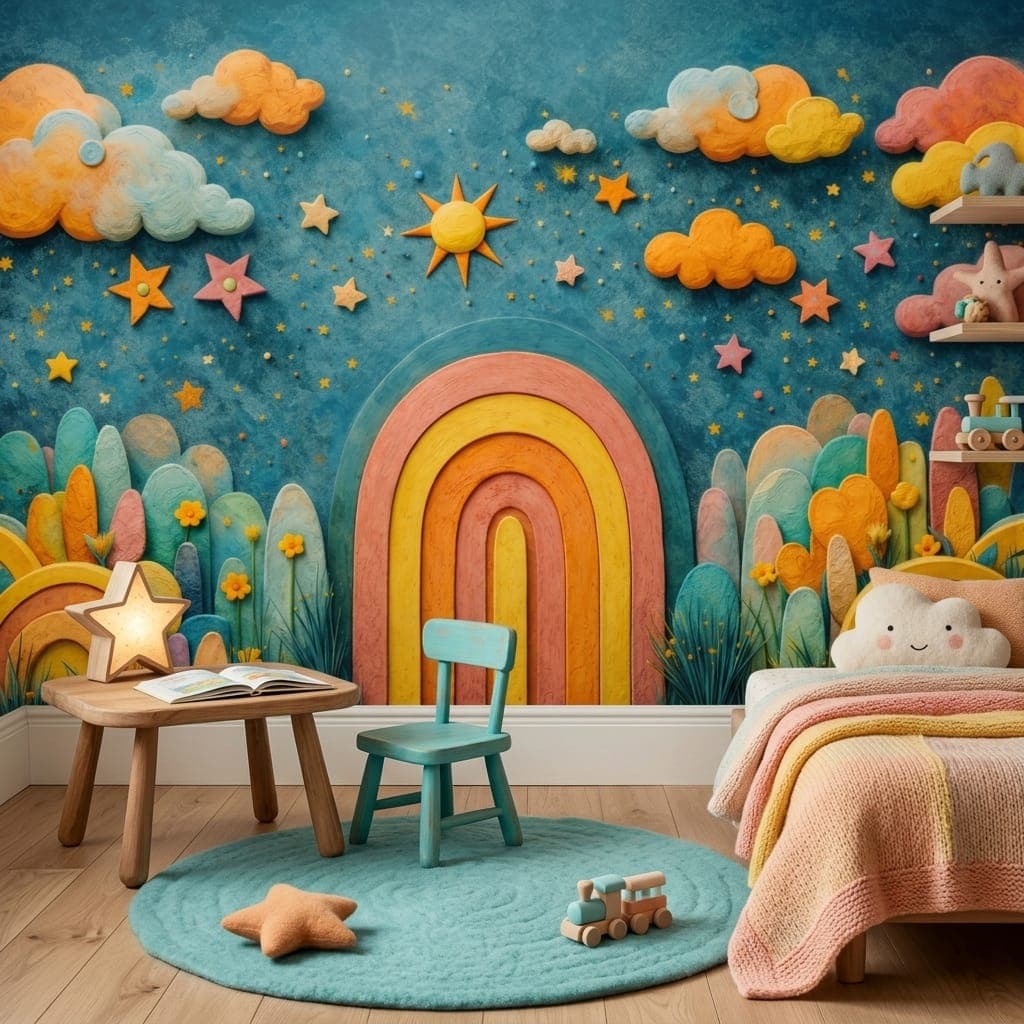
The stage for textile is the living room, the bedroom, the office and hotel rooms. On surfaces exposed to water, such as a kitchen splashback or a bathroom, wipeability takes priority; there we recommend vinyl or foil. A child's room calls for a middle path: at the age of intense "art production", a wipeable surface wins, while the warm texture of textile comes into its own afterwards.
Installation and Care in Brief
The paste is applied to the wall and the dry paper is hung (no soaking of the paper) — this is the biggest installation advantage of the textile/non-woven system over classic paper. The step-by-step process is in our installation guide, and texture samples with photos are on our textile application page. There is one rule for care: dry cleaning first, minimum moisture on a local stain — details in our care guide.
Pricing (2026)
Premium imported textile is 850 TL/m², and the top-segment canvas-textured option is 1,050 TL/m². A 10 m² living-room wall: 8,500–10,500 TL, with free shipping and instalments of up to 12 months. Tables and scenarios are in our pricing guide.
| Textile Texture | Feel & Look | Best Room | Price (2026) |
|---|---|---|---|
| Linen-look weave | Fine, matte, rustic | Bright living room, study | 850 TL/m² |
| Bouclé / coarse weave | Deep texture, strong character | Large feature wall | 850 TL/m² |
| Satin-sheen tight weave | Smooth surface, soft sheen | Classic bedroom | 850 TL/m² |
| Canvas texture | Art-canvas surface, matte | Statement wall | 1,050 TL/m² |
Prices are for made-to-measure production; professional fitting adds roughly 150–250 TL/m².
The Visual Language of Textile Wallpaper: What It Adds to Each Style
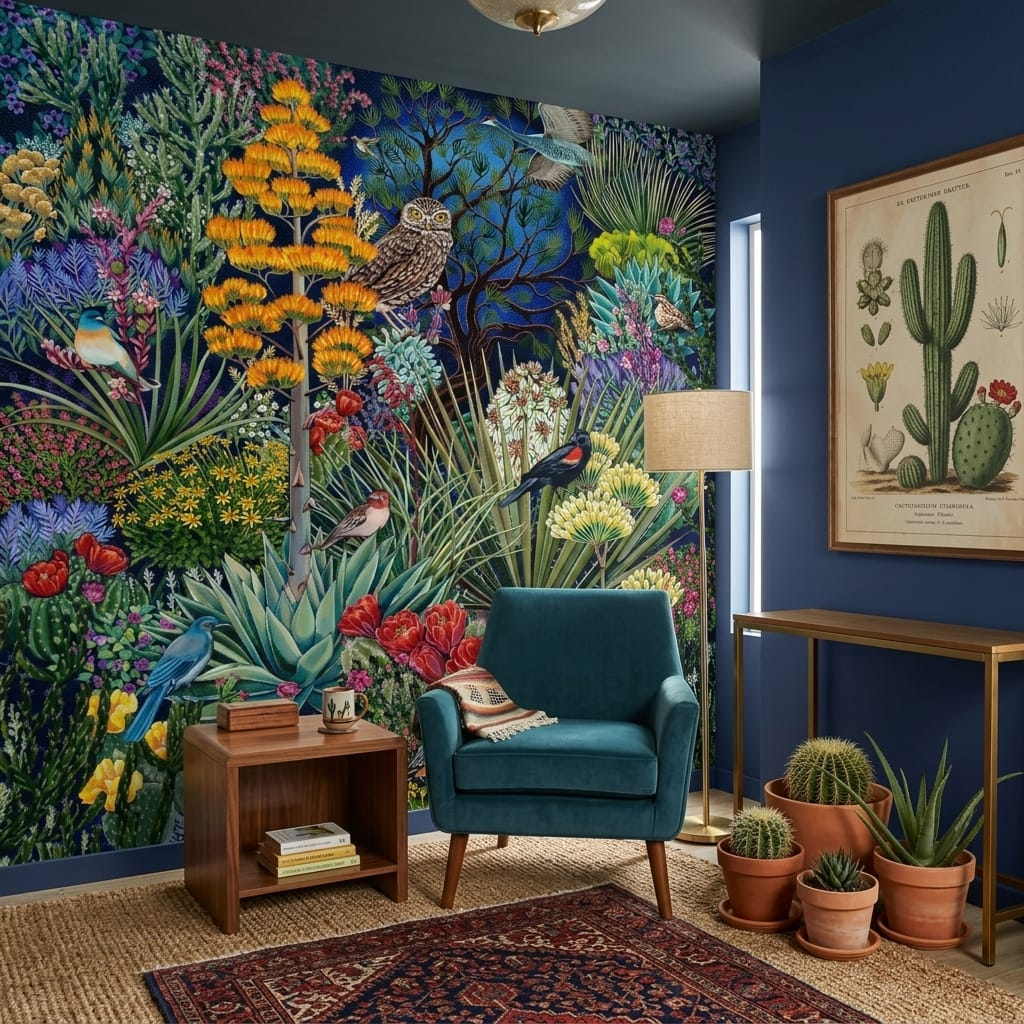
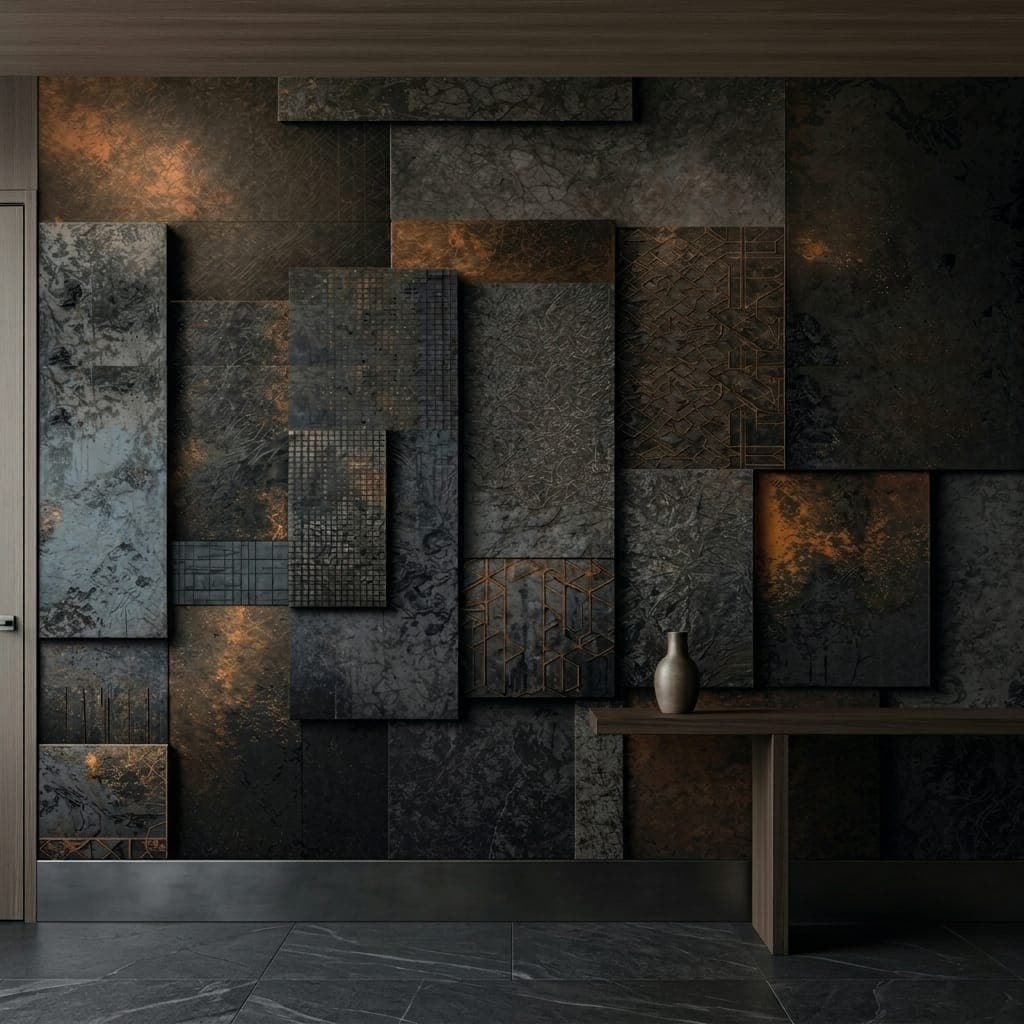
The word that best captures the difference textile makes is "depth". A flat painted wall reflects light on a single plane; fabric fibre, by contrast, adds movement to the surface through micro-shadows. That is why the very same colour reads one or two shades richer in a textile texture than in paint. In terms of style, japandi and modern classic interiors are textile's natural home; linen-look weaves sit beautifully with Scandinavian simplicity, while dark, velvet-feel textures align with art deco and luxury hotel concepts. The answer to the minimalist search for "like paint, but better" is plain, pattern-free textile textures — paint from afar, fabric up close.
The Allergy and Indoor Air Quality Side
The honest answer to the "does it collect dust?" question that fabric inevitably raises: not the way a rug or a curtain does. A wall surface is vertical and the fibre structure is short and tight; dust build-up stays at a small fraction of what horizontal surfaces gather and is managed with a weekly dry dusting. What really determines indoor air quality is the backing and the ink: the combination of an A+ emission-class imported base paper with UV printing is the configuration we recommend with complete peace of mind for bedrooms and children's rooms. In homes with asthma or allergy sensitivities, we suggest tightly woven flat textiles rather than rough, deep textures.
Bringing Textile Texture to Life with Lighting
The fabric feel of textile becomes visible with the angle at which light arrives. Panel lighting striking flat from above flattens the texture; a spot or wall light that grazes the wall at an angle brings the fibre shadows to life. In an evening scenario, warm light of 2700–3000K gives the richest result on a textile surface — the secret behind hotel-room walls looking "like fabric" is precisely this pairing: textile texture + angled warm light. Planning two small wall lights alongside the wallpaper on a feature wall is a simple move that doubles the visual return on the same budget.
Which Textile Texture for Which Room?
There is a choice within the textile family too: fine, linen-look weaves look elegant in bright, simple rooms; coarse-weave (bouclé-feel) surfaces gain character on large living-room walls; tightly woven textures with a satin sheen are the choice for classic bedrooms. As a rule, the coarser the texture, the simpler the pattern should be — a coarse texture plus a busy pattern smother one another. When in doubt, the sample is again the referee; the difference a sample makes is more pronounced with textile than with any other category, because what you are buying, before the pattern, is the touch.
A Roadmap for Those Who Have Chosen Textile
If you have settled on textile, the order is short: choose the texture type to suit your room's light (fine linen for bright rooms, coarse texture for a large wall), do the touch test with a sample, take your measurements, and add a plan for two wall lights on installation day. Textile, as we have described throughout this guide, is a product to be "touched" — most of the decision settles itself the moment the sample is in your hand. At 850 TL/m², the entry point to the premium class is also budget-friendly; browse the collection and let the textures wait for you.
Does textile wallpaper sag over time?
With quality non-woven-backed textiles, no — the backing is dimensionally stable and does not stretch even as it takes on and releases moisture. Complaints of sagging and rippling come either from low-grammage cheap backings or from the wrong use of adhesive. With the right backing and the right paste, the wall holds the tautness of day one for years.
From our shop
Wallpapers You Might Like
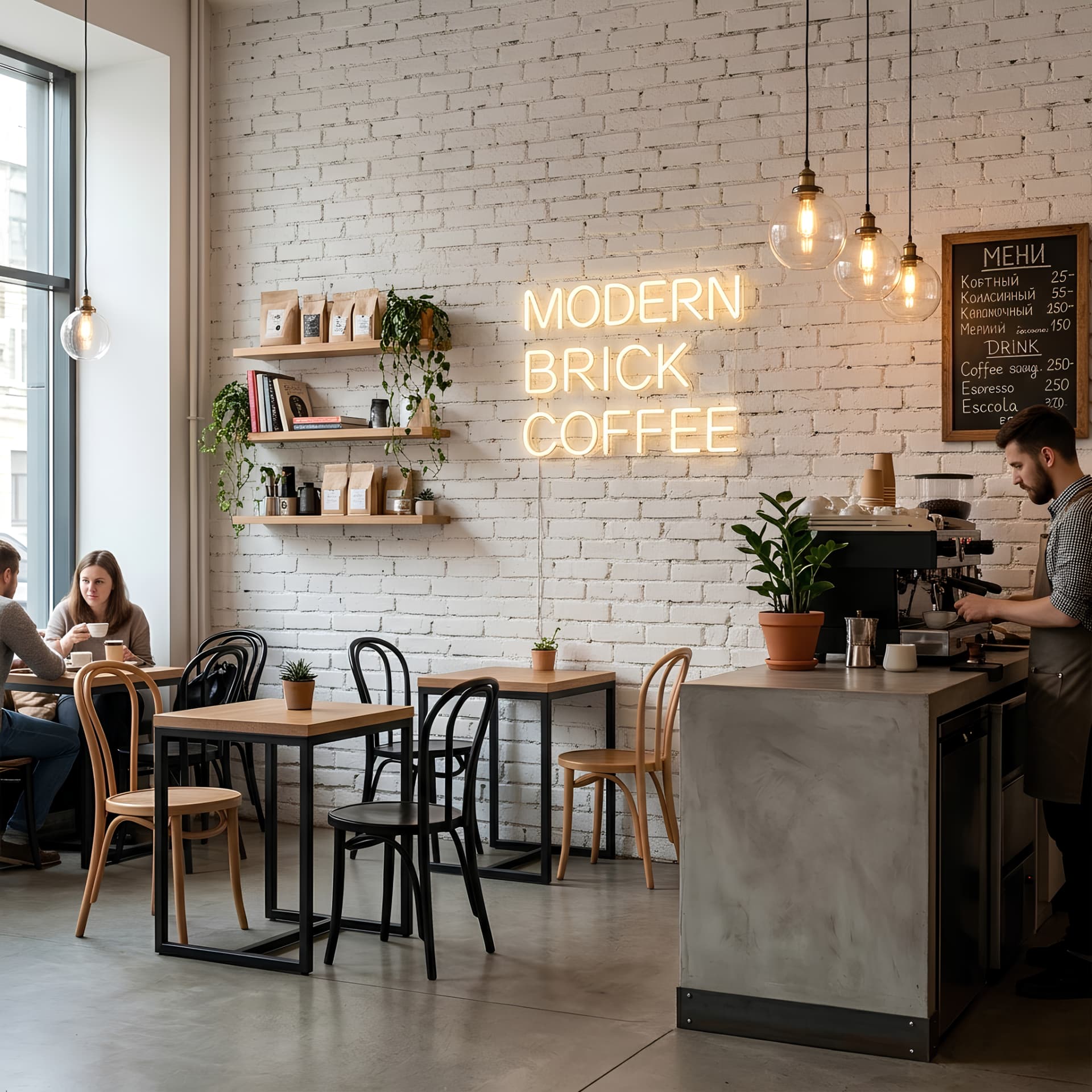
3D White Stone Brick Textile Wallpaper
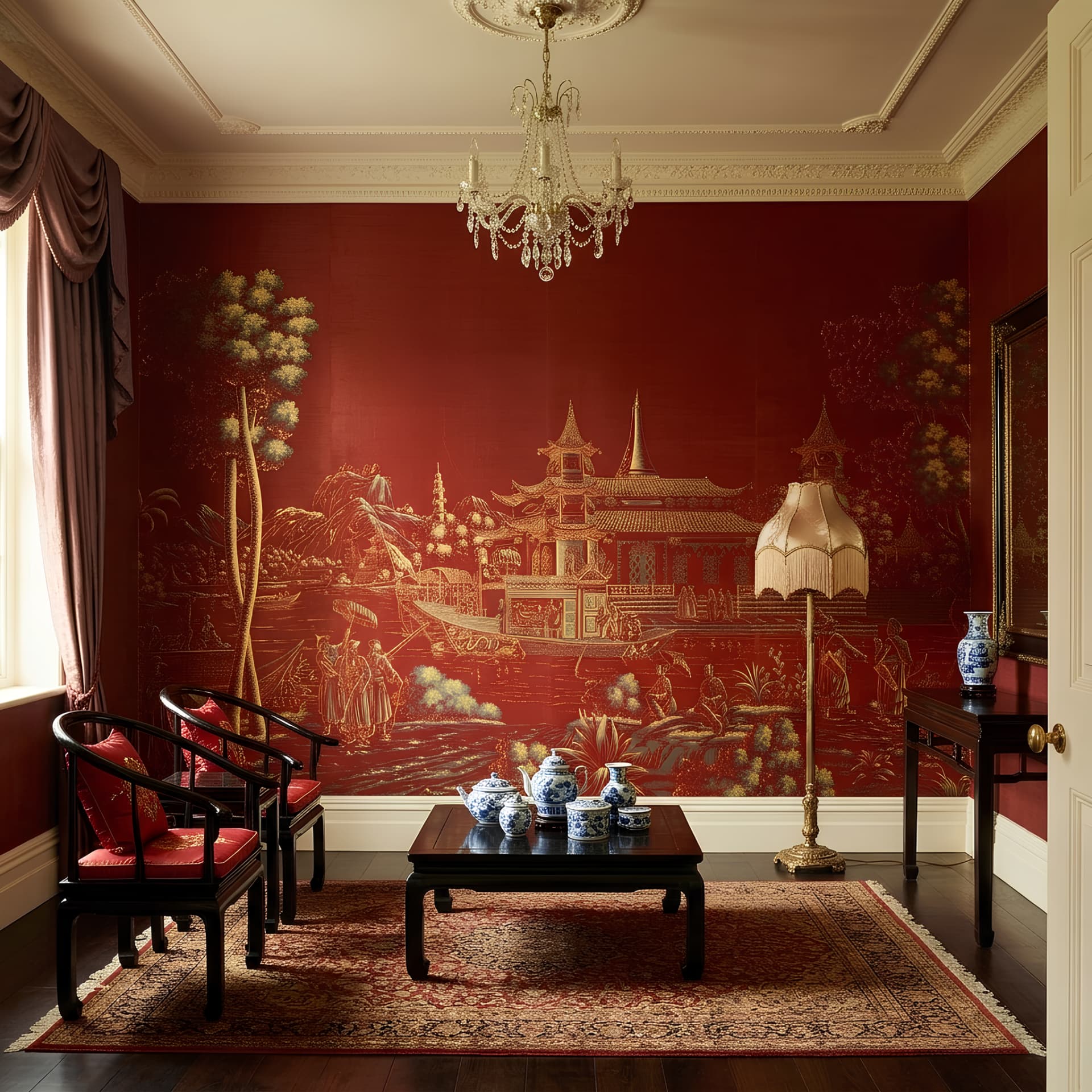
Classic Chinese Motif Burgundy Wallpaper
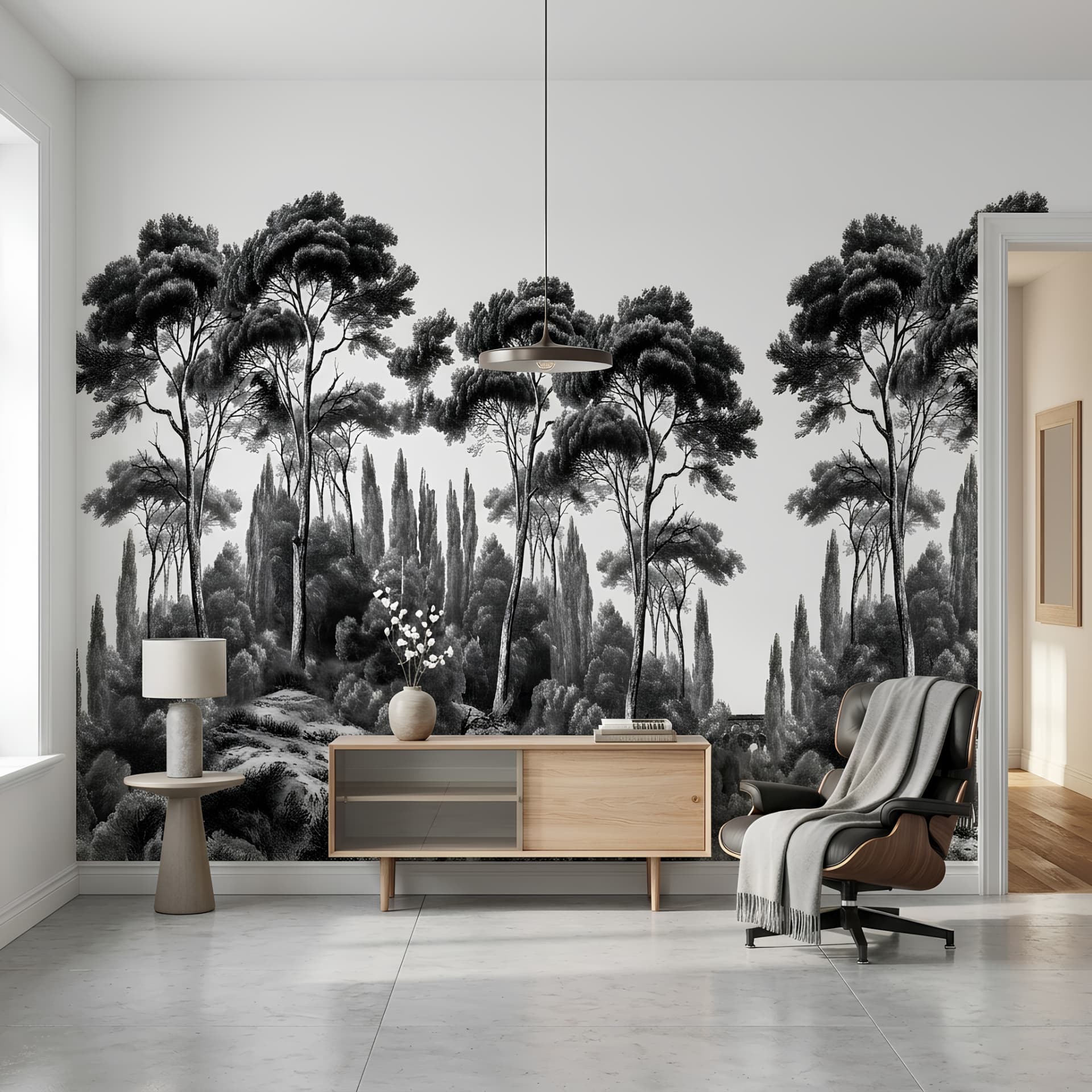
Black & White Vintage Forest Wipeable Wallpaper
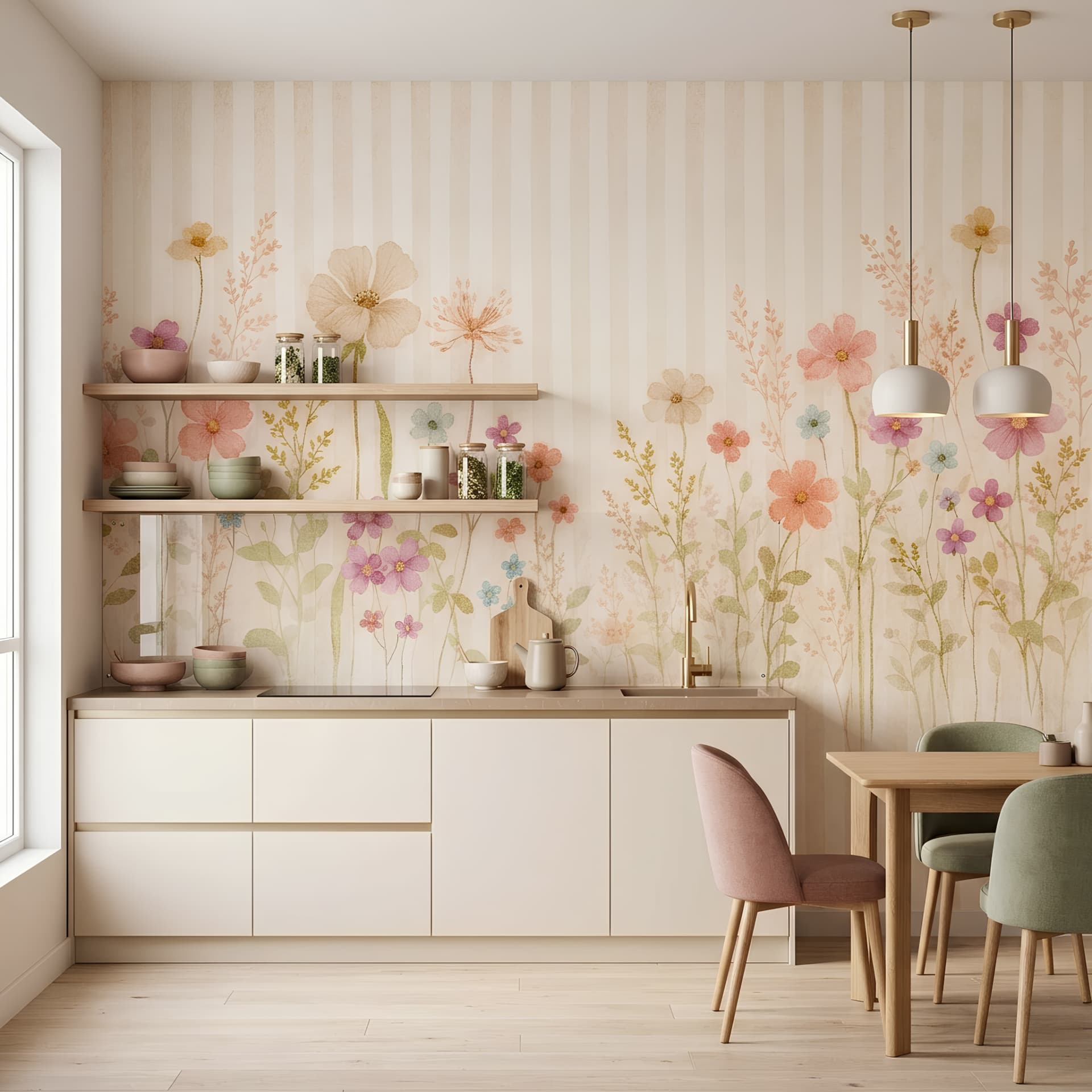
Pastel Spring Garden Striped Wallpaper
DA
Dekoartizan Tasarım Ekibi
Duvar kağıdı sektöründe uzmanlaşmış tasarım ve içerik ekibimiz, iç mekan dekorasyonu, malzeme bilgisi ve uygulama teknikleri konusundaki birikimlerini bu rehberlerde paylaşıyor. Tüm içerikler saha deneyimi ve güncel sektör verileriyle desteklenir.
İçeriklerimiz saha deneyimi ve sektörel uzmanlığa dayanır
textile wallpaperfabric wallpaperluxury wall coveringacoustic wallpapernon-woven wallpapernatural texture wall