Loading article…
types of wallpapervinyl wallpapernon-woven wallpaper
Types of Wallpaper: Vinyl, Textile, Non-Woven and Digital Print Compared
There are dozens of wallpaper types on the market, but they all fall into four main categories: vinyl, textile, non-woven and digital print. This guide weighs up the strengths and weaknesses of each.
D
By Dekoartizan Tasarım Ekibi··8 min read
"It looks nice" isn't enough when you're choosing wallpaper. Is the room damp? Are there kids about? Are you renting? Those questions decide which of the main types of wallpaper you should actually buy. Here are the four core types and what sets each one apart.
1. Vinyl Wallpaper
Vinyl is the most common type of wallpaper, made with a PVC (polyvinyl chloride) coating. It stands up to water and moisture and wipes clean, which makes it a sensible pick for high-traffic spots like kitchens, bathrooms and children's rooms.
Pros
- Resistant to water and moisture — you can wipe it down with a damp cloth
- Stain-resistant and easy to clean
- Strong value for money
- Huge range of patterns and colours
Cons
- It doesn't breathe — moisture can get trapped behind it (ventilation matters)
- It can feel plasticky, with none of the warmth of a natural surface
For a closer look, read our vinyl wallpaper guide.
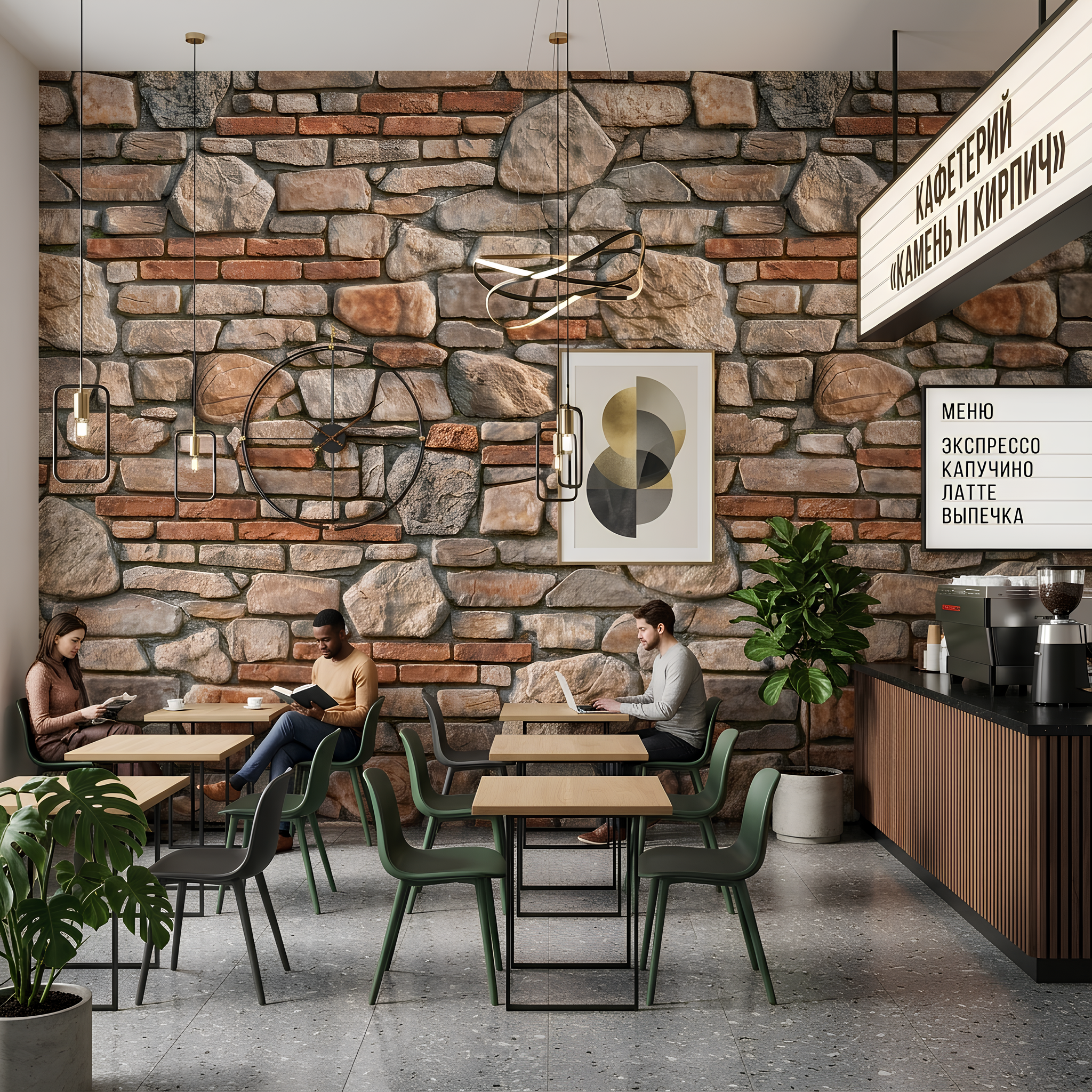
2. Textile Wallpaper
This is a fabric-based wallpaper made from cotton, linen, polyester or blended yarns. It brings a genuine woven texture and a sense of warmth to a wall, which is why you'll find it in living rooms, bedrooms and hotel lobbies.
Pros
- A natural, luxurious look and feel
- Helps with sound insulation; noticeably softens echo
- It breathes, so it helps keep moisture in balance
- Seams are far less noticeable
Cons
- Pricier than vinyl and non-woven
- Stains are hard to lift — any adhesive that gets on the surface leaves a mark
- Not suitable for damp areas
For more, take a look at our textile wallpaper article.
3. Non-Woven Wallpaper
Non-woven wallpaper is made from a blend of cellulose and polyester fibres. Its big selling point is how easy it is to hang — you paste the wall, not the paper, and apply the sheet dry. That makes it ideal for renters: it comes off cleanly without damaging the wall.
Pros
- The easiest type to hang — no booking or soaking time needed
- Strips off cleanly and won't ruin the wall
- Breathable, with a low risk of mould
- Paintable versions are available (you can paint over them)
Cons
- Not as water-resistant as vinyl
- The pattern choice may not be as broad as vinyl's
If you're torn between vinyl and non-woven, see our detailed comparison.
4. Digital Print Wallpaper
This is the type that prints whatever image, photo or design you want, made to the exact dimensions of your wall. It's precisely what DEKOARTİZAN specialises in. It can be vinyl- or textile-based — the printing technique is one thing, the base material is another.
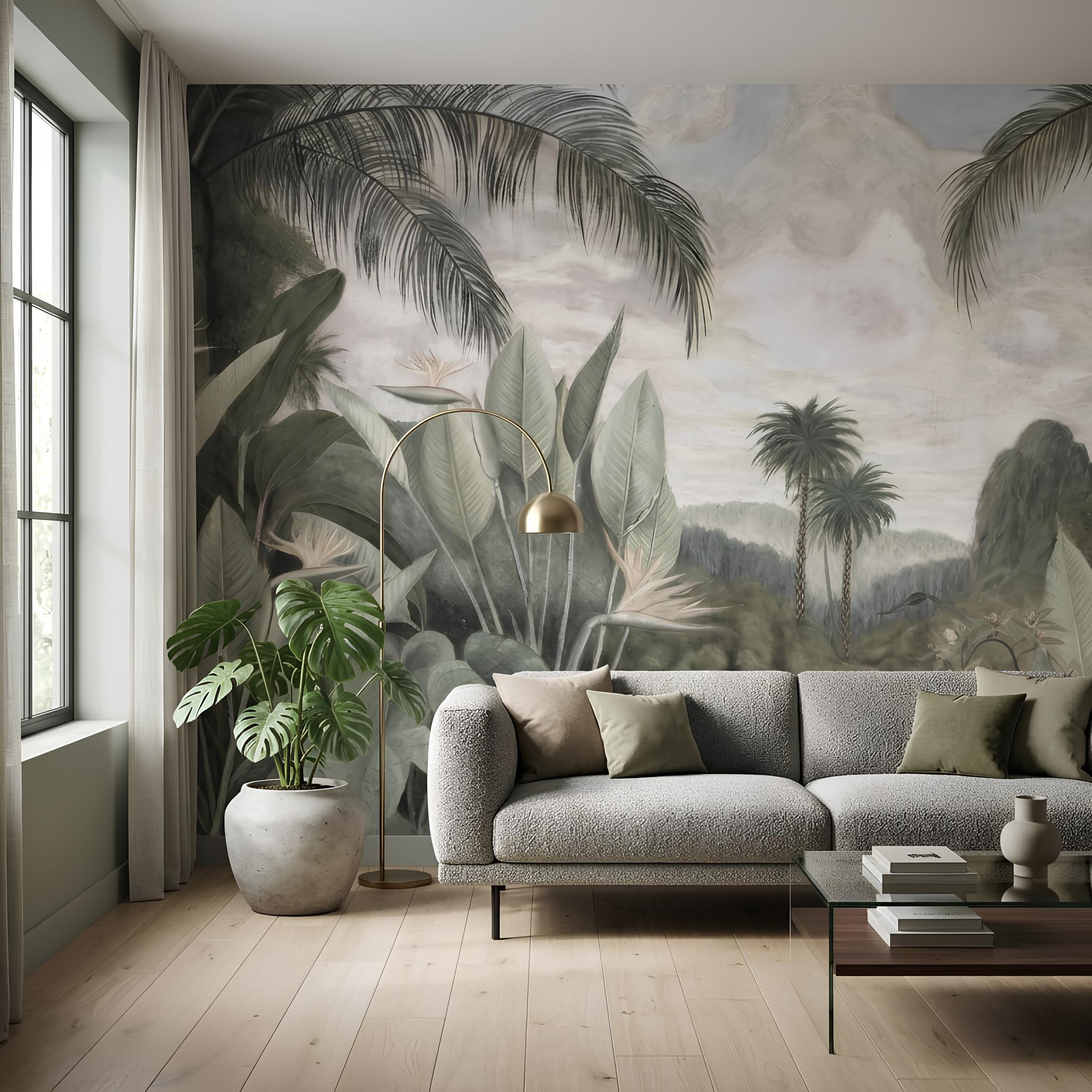
Pros
- Unlimited patterns — photographs, illustrations, 3D effects, bespoke designs
- Made to wall size — no seam headaches
- High resolution with vivid colours
- You choose the base: vinyl or textile
Cons
- A little pricier than off-the-shelf roll products
- Made to order, so it can't be returned
Types of Wallpaper Compared: The Table
| Feature | Vinyl | Textile | Non-Woven | Digital Print |
|---|---|---|---|---|
| Water Resistance | High | Low | Medium | Depends on base |
| Ease of Hanging | Medium | Difficult | Very easy | Medium–easy |
| Pattern Variety | Wide | Limited | Medium | Unlimited |
| Sound Insulation | Low | Good | Medium | Depends on base |
| Price Range | ₺80–250/m² | ₺150–400/m² | ₺70–200/m² | ₺100–350/m² |
| Best For | Anywhere | Living room, bedroom | Anywhere | Anywhere |
Which Type for Which Room?
Kitchen and Bathroom
In spaces with moisture and steam, go for a vinyl-based wallpaper. The wipeable surface protects against grease and water marks. You'll find detailed suggestions in our kitchen and bathroom guide.
Living Room
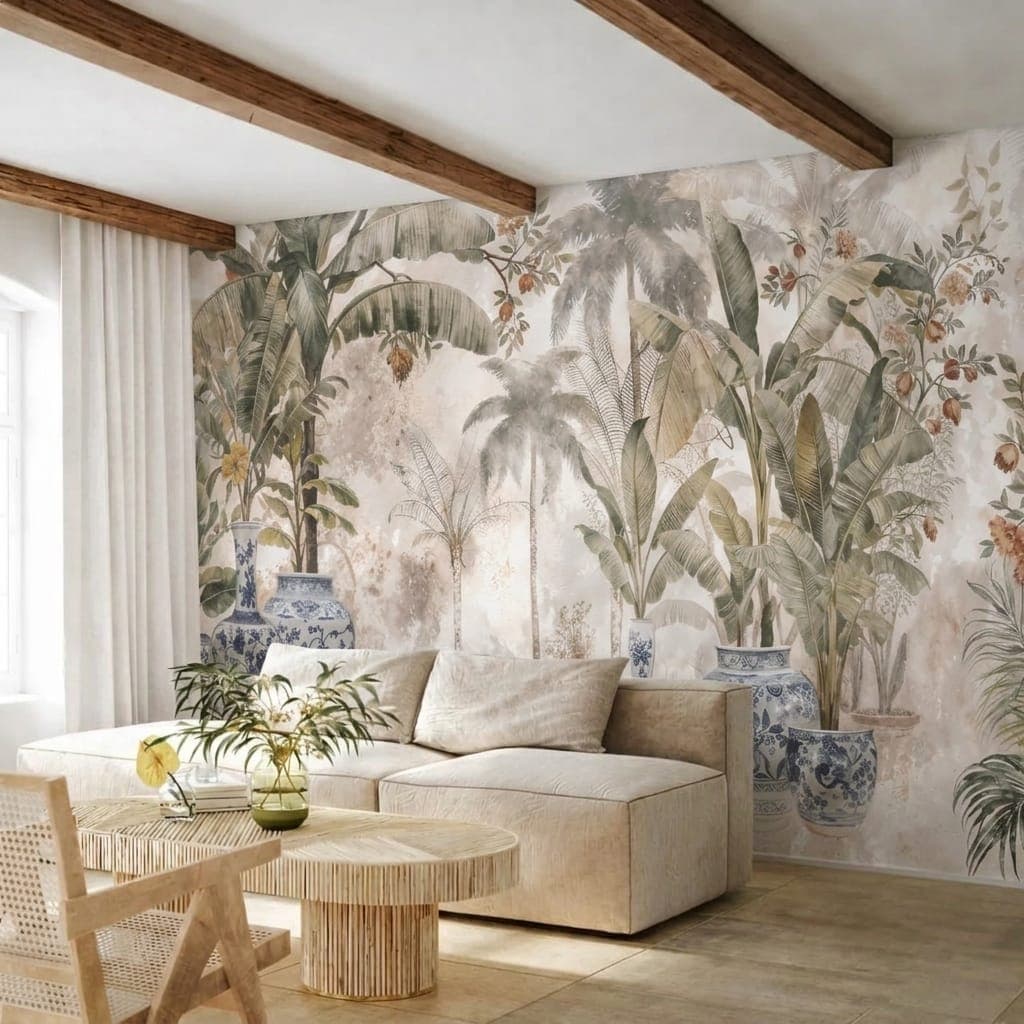
This is the main space where you entertain — textile or digital print can turn one wall into a real statement. Have a look at our living room wallpaper ideas.
Bedroom
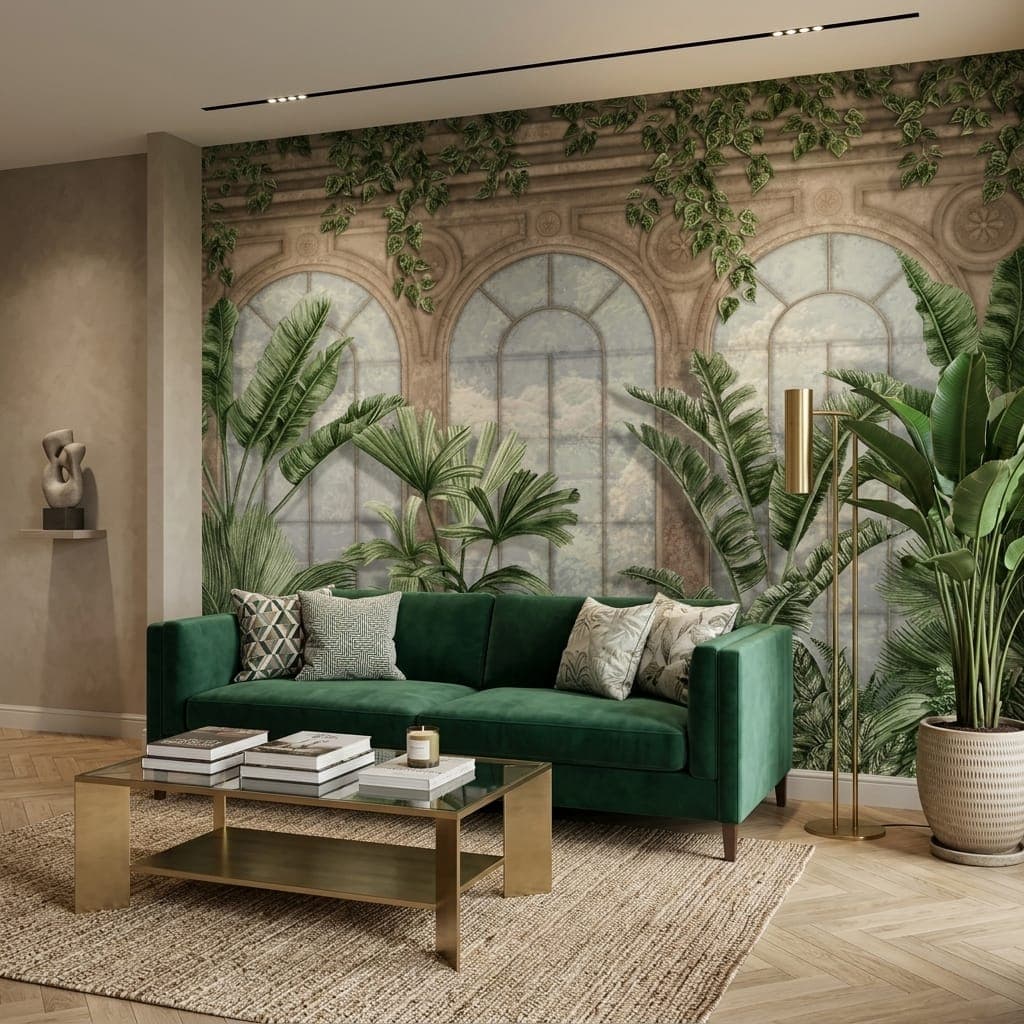
For calming tones and textures, textile works beautifully; for sweeping landscapes or botanical patterns, digital print is the one to reach for. Our bedroom guide will point you in the right direction.
Children's Room
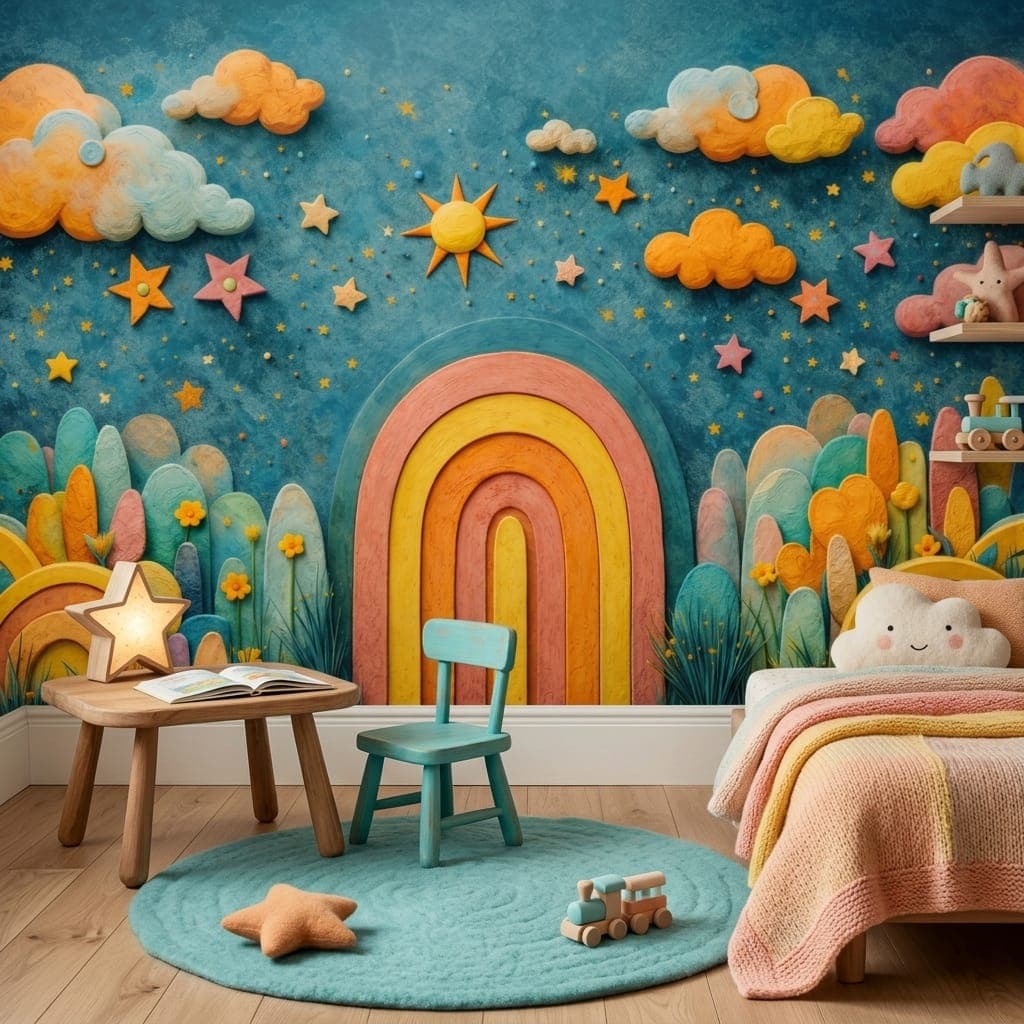
A wipeable vinyl-based digital print makes the most sense here. Cartoon characters, a space theme, animals — there's no limit to the imagination. Take a look at our children's room guide.
For a full breakdown of every type, visit our comprehensive wallpaper guide. At DEKOARTİZAN you can order made-to-measure vinyl and textile wallpapers from over 1,000 designs.
Decision Table: Which Type for Which Scenario?
Getting to know the types one by one is useful, but the real question is matching them up. Here's the practical version: for a living room or bedroom where you're after a sense of texture and prestige, go textile; for homes with children, pets and lots of hands on the wall, go vinyl; for renting and DIY, self-adhesive film; for wet areas, film again; for budget-led, temporary fixes, lightweight paper bases. When two scenarios collide (say, a home with kids that still wants a prestige living room), mix it up by zone: wipeable in shared areas, textile on the feature wall. For a technical comparison of the bases, the vinyl vs non-woven guide is a good companion, and for wipeability ratings see the washable guide.
Weight and Quality: What to Check on the Label
Two products with the same name can be worlds apart, and the deciding measure is weight. On a non-woven base, 140–150 gsm and above is the premium tier; anything under 100 gsm tends to tear during hanging and age early on the wall. On vinyl surfaces, the two values to look for on the label are thickness (in microns) and the washability class (washable or extra-washable). Verifying claims about an imported base also comes down to the label — there's a full checklist in our imported wallpaper guide. The true cost of a cheap-looking, low-weight product shows itself when you're forced to replace it within two or three years.
Application and Lifespan by Type
Each type has its own hanging discipline and lifespan, and setting the right expectations from the start saves disappointment. Textile and non-woven are hung with paste and hold their shape for 10–15 years; vinyl surfaces last about the same but tolerate cleaning far better; self-adhesive bases go up without paste and are at their best for 7–10 years; lightweight papers are economical solutions for 3–5 years. For the methods, our application guide and, for the maintenance routine that extends their life, our cleaning guide are the natural follow-ups to this article.
Format Types: Roll, Panel, Poster, Border
Alongside the material types, get to know the format types too; the two get muddled in the language of buying. A roll is a repeating pattern at a standard width (53/70/106 cm). A panel or mural is a single composition produced to wall size — this is our main way of making things. A poster is the name for a single-scene photographic composition; it has its own guide. A border is a narrow strip format; these days it rarely stands alone and instead lives in children's rooms and in moulding-and-panel transitions. The same material can be produced in any format; choosing the material first and the format second is the right order.
Can You Hang New Wallpaper Over the Old?
A common practical question with a clear answer: we don't recommend it, and we won't do it. However sound the old layer looks, the moisture in the new paste can loosen the layer underneath; seams and texture marks will telegraph through to the surface. The correct order is always stripping → surface prep → new application. The one apparent exception is a temporary covering done with self-adhesive film — and even there, the layer beneath has to be smooth and sound.
An End to Type Confusion: A One-Sentence Compass
If you take one sentence away from this guide, make it this: define the demands on your wall first (water, contact, sun), let those demands choose the type, and you choose the pattern. Deciding the type around the pattern — "this design is gorgeous, I'll take whatever it's made of" — is the main source of the regret we see out in the field; yet because any pattern can be printed onto any base, that compromise is completely unnecessary. Demand analysis + the right base + a pattern you love: get all three right and which type you bought is just a technical footnote.
Which types should I ask for as samples?
If your indecision is between two types, ask for a sample of both in the same design — you can only feel the difference in texture side by side. Our standard sample set can include textile, film and canvas swatches together; once you've touched them with your own hands and tested how they wipe, the "which type" question usually answers itself.
From our shop
Wallpapers You Might Like
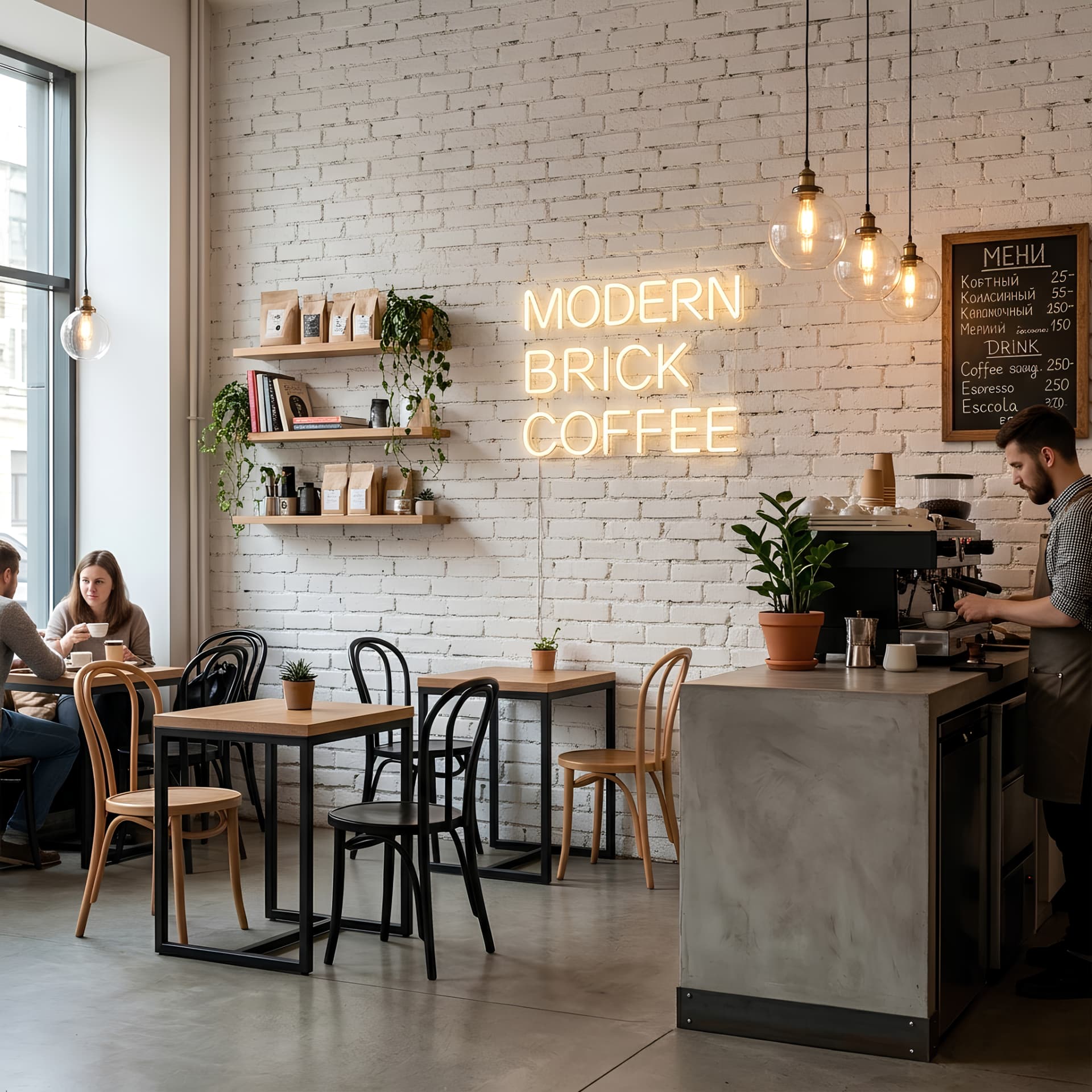
3D White Stone Brick Textile Wallpaper
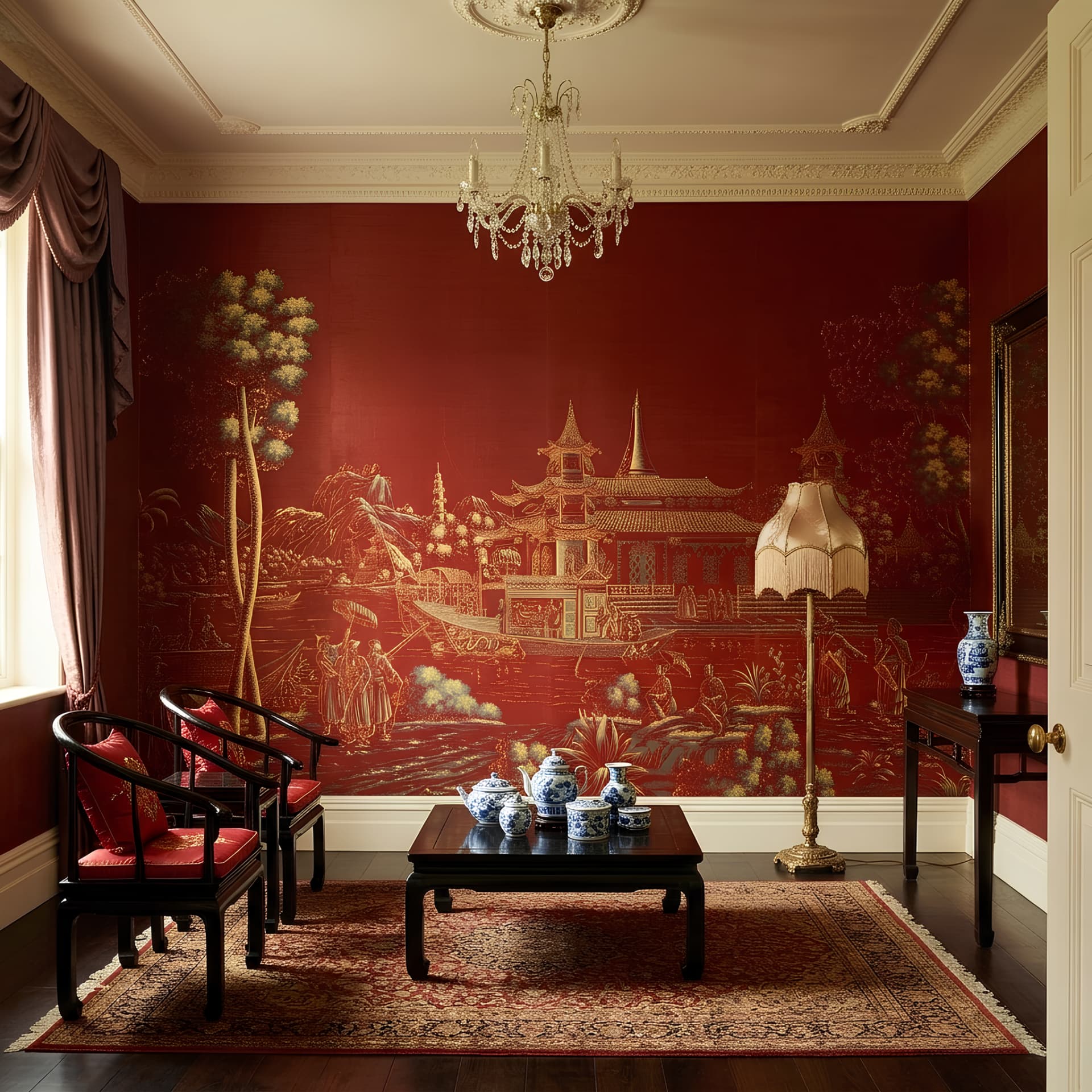
Classic Chinese Motif Burgundy Wallpaper
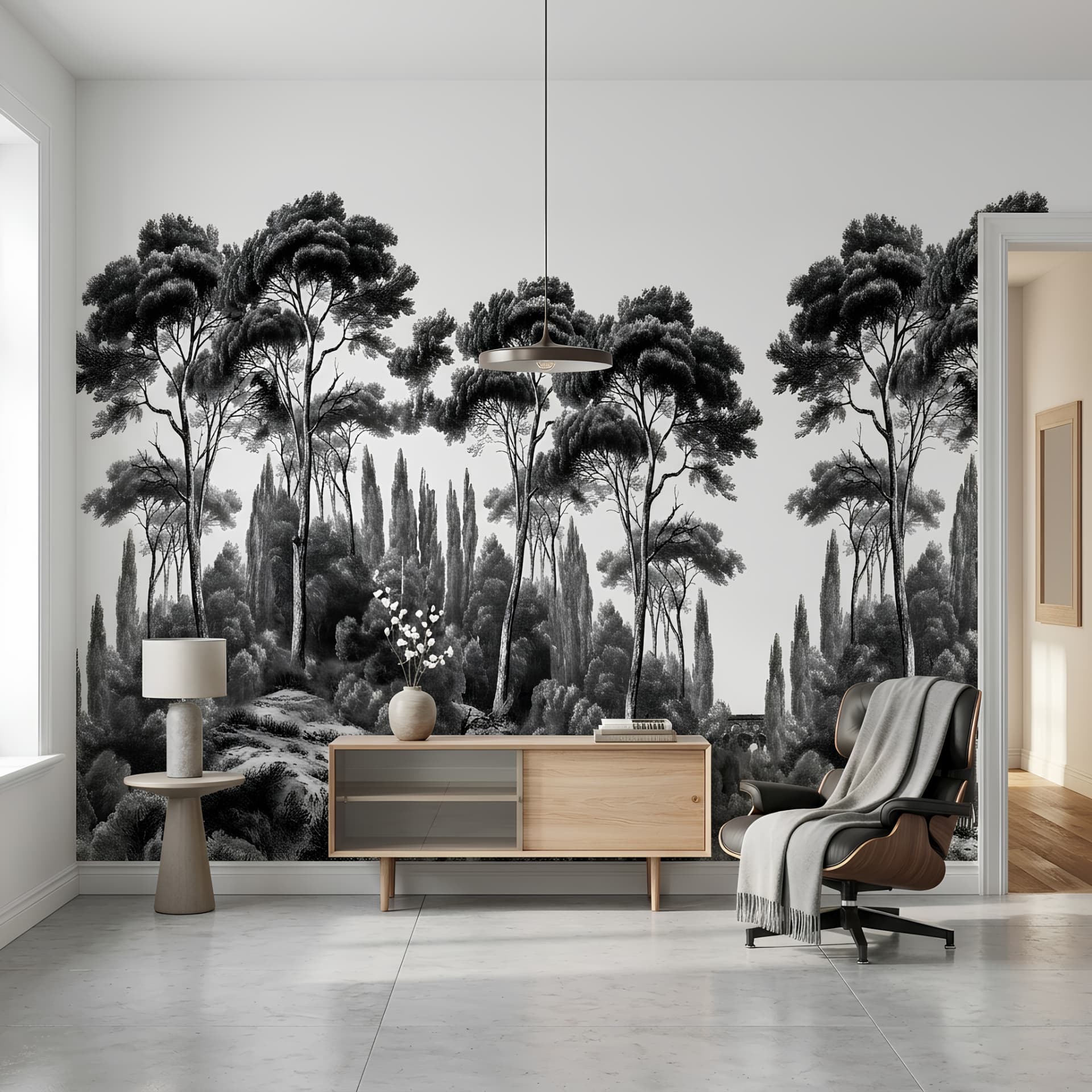
Black & White Vintage Forest Wipeable Wallpaper
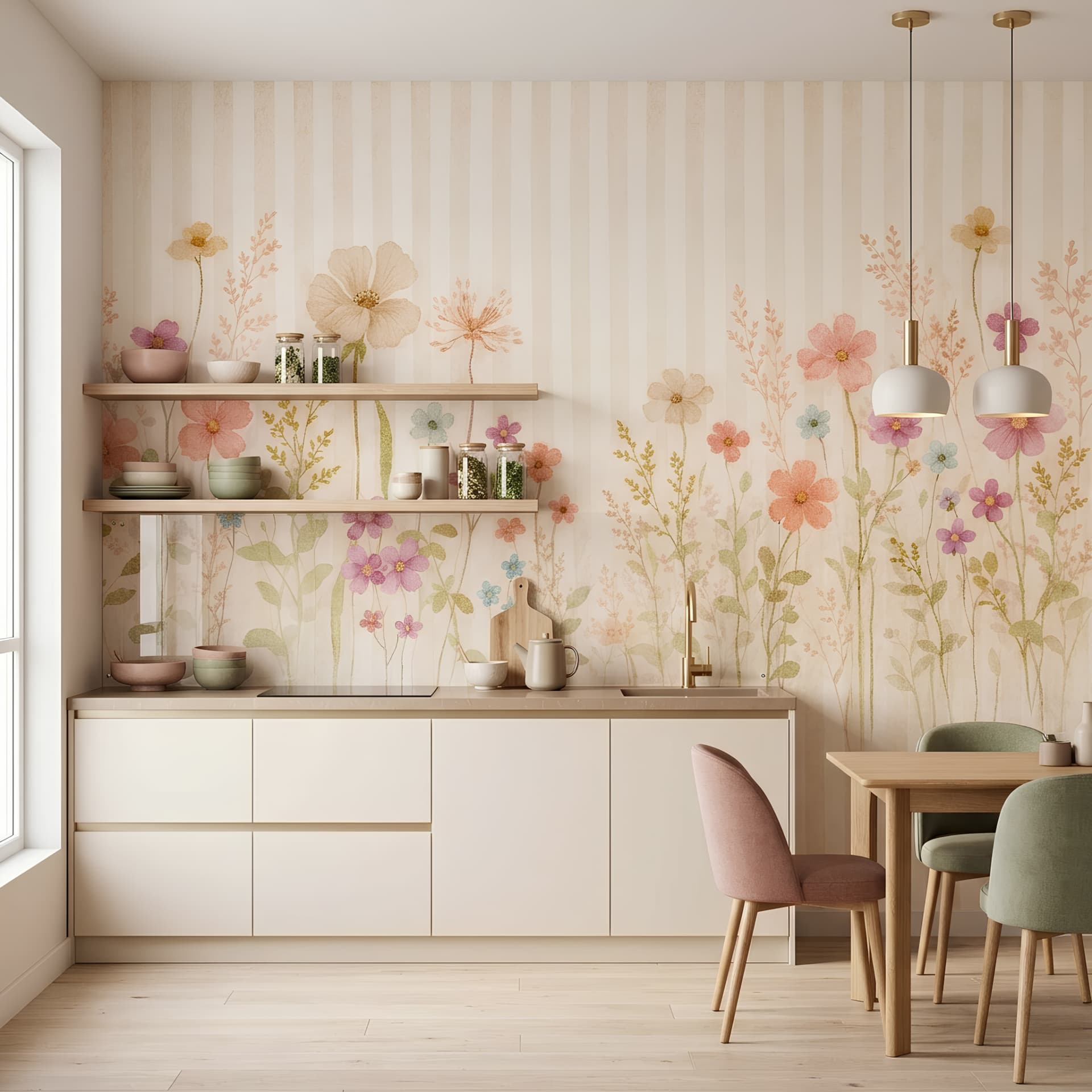
Pastel Spring Garden Striped Wallpaper
DA
Dekoartizan Tasarım Ekibi
Duvar kağıdı sektöründe uzmanlaşmış tasarım ve içerik ekibimiz, iç mekan dekorasyonu, malzeme bilgisi ve uygulama teknikleri konusundaki birikimlerini bu rehberlerde paylaşıyor. Tüm içerikler saha deneyimi ve güncel sektör verileriyle desteklenir.
İçeriklerimiz saha deneyimi ve sektörel uzmanlığa dayanır
types of wallpapervinyl wallpapernon-woven wallpapertextile wallpaperdigital print wallpaperwallpaper comparison