Loading article…
washable wallpaperwipeable wallpapervinyl wallpaper
Washable Wallpaper: Which Types Wipe Clean, and Where You Actually Need It
Washable wallpaper means a vinyl surface or a self-adhesive film. Here are the washability grades, a room-by-room map of where it matters and the prices.
D
By Dekoartizan Tasarım Ekibi··8 min read
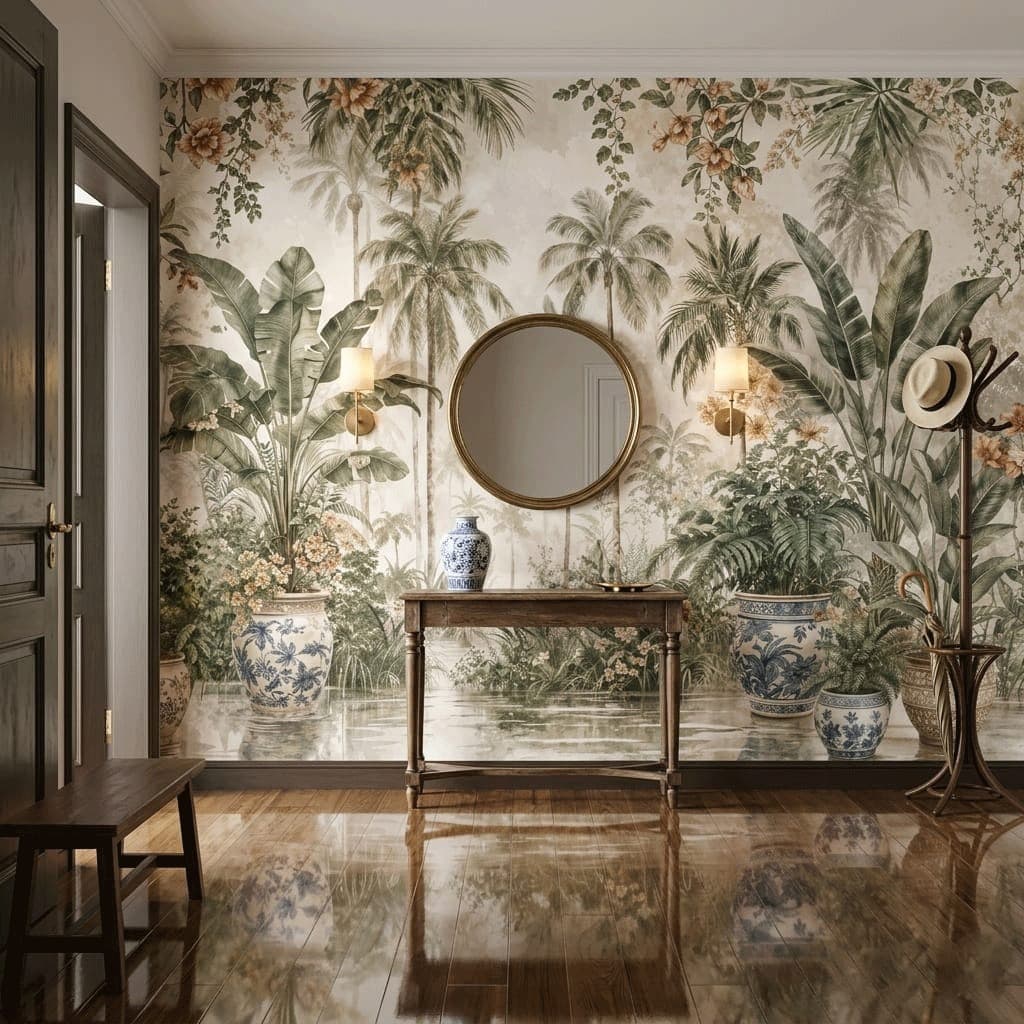
Washable wallpaper isn't a single product, it's a surface class: finishes that survive a damp cloth and soapy water. Two products fall into this class — vinyl-coated papers and self-adhesive film (950 TL/m²).
Textile and non-woven bases, on the other hand, aren't "washable" but "wipeable with a damp cloth"; in a home with children or a kitchen, that distinction matters a great deal. Below is a grade-by-grade washability map.
Washability Grades: The Industry Classification
Under the European standard, surfaces fall into four classes; look for these terms when you buy:
- Spongeable: Fresh marks only, with a dry or damp cloth. Classic paper bases.
- Washable: Withstands soapy water; most vinyl surfaces sit here.
- Extra-washable: Handles light scrubbing and detergent — the kitchen and hallway standard.
- Scrubbable: The toughest class; for high-traffic commercial spaces.
At DEKOARTİZAN the self-adhesive film is extra-washable, while vinyl surfaces are washable or extra-washable; the grade is stated in the material details on each product page.
Where Washable Is a Must, and Where It's a Luxury
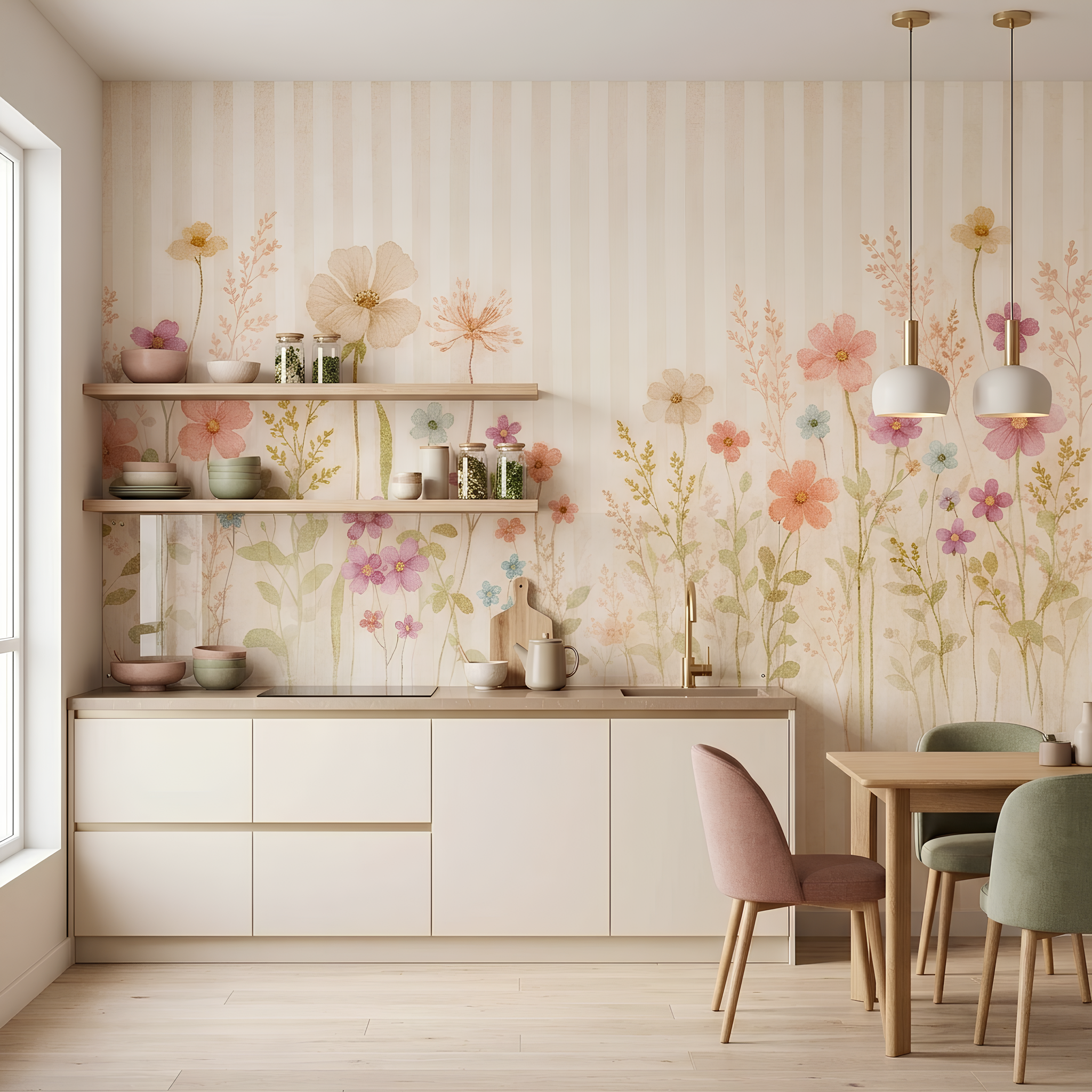
Essential: The Kitchen
Under the combination of grease aerosol and steam, anything below washable goes dull within one to two years. Film for the splashback, vinyl for the dining area — the details are in the kitchen guide.
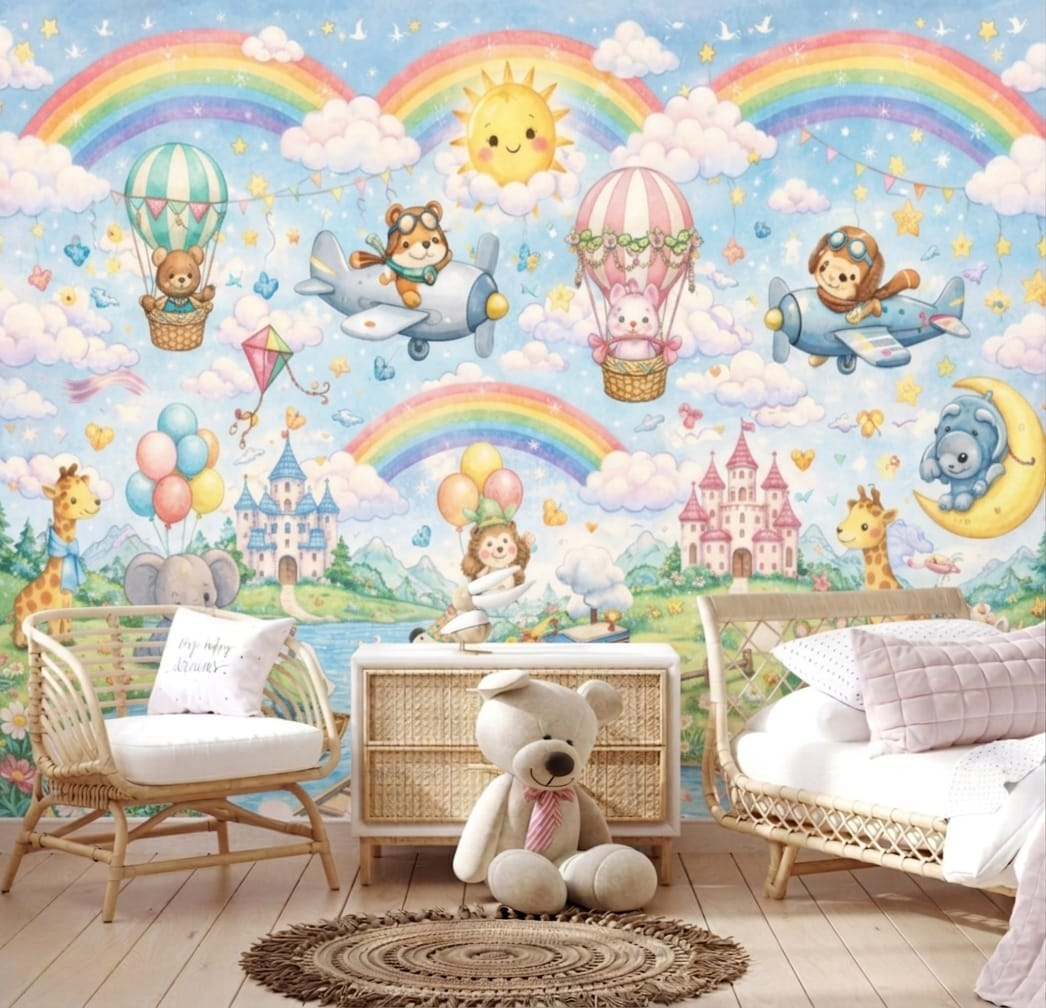
Essential: The Children's Room (ages 0-10)
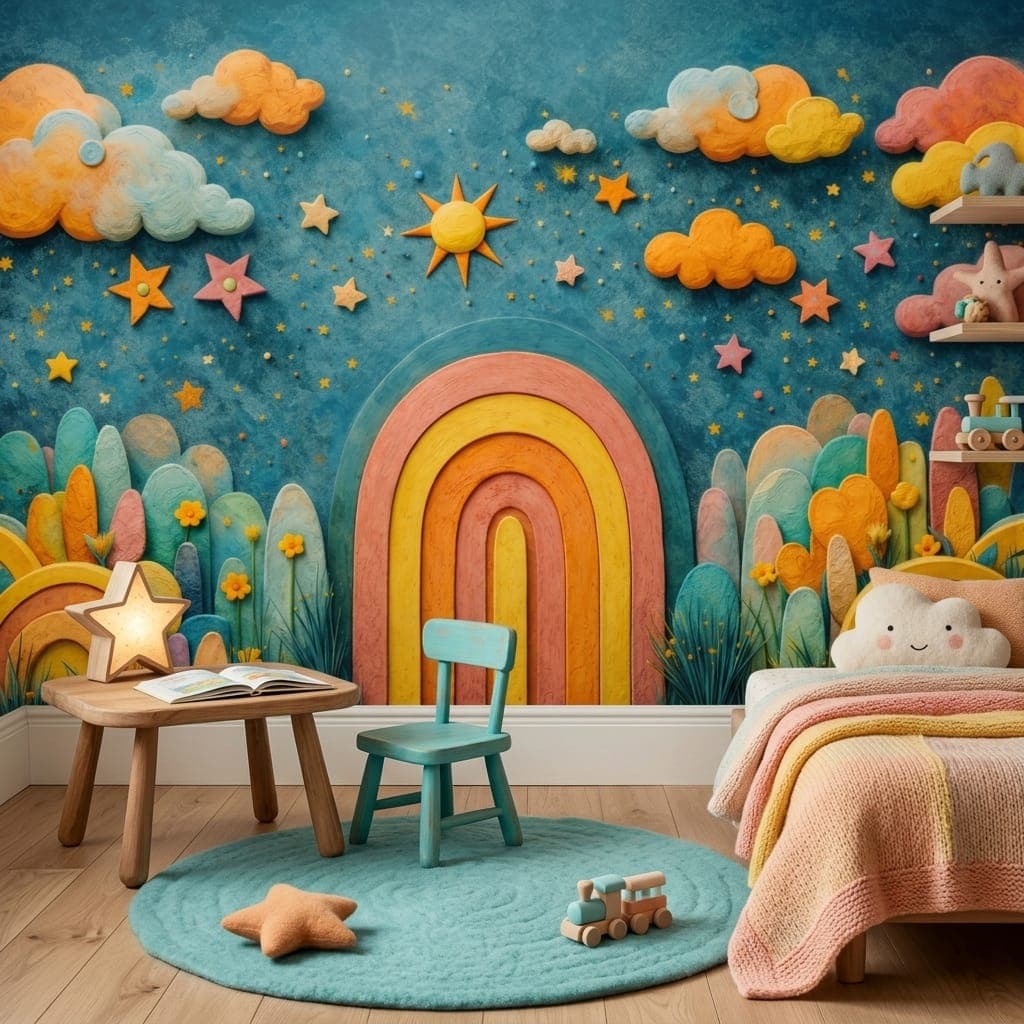
Pastel crayon, fingerprints, "wall-art masterpieces"... on a washable surface they lift off with a single pass of the cloth. Every idea in the children's room guide can be paired with a washable base.
Essential: Bathroom and Hallway
Condensation in the bathroom, shoulder-and-bag friction in the hallway. The answer to both is extra-washable: bathroom guide.
A Luxury (not required): Living Room and Bedroom
Low contact, little risk of stains. Here the visual edge of a matte textile texture is worth more than washability — textile guide. A mixed approach works well: textile in the living room, a washable surface in the lower zones and hallways within children's reach.
| Room / Zone | Minimum Grade | Recommended Base | Price (2026) |
|---|---|---|---|
| Kitchen splashback | Extra-washable | Self-adhesive film | 950 TL/m² |
| Kids' room (0–10) | Washable | Vinyl or film | 950 TL/m² |
| Bathroom / hallway | Extra-washable | Wipeable film | 950 TL/m² |
| Living room / bedroom | Spongeable | Textile / non-woven | 850 TL/m² |
| Café / clinic / nursery | Scrubbable | Extra-washable film | 950 TL/m² |
Washable Wallpaper ≠ Indestructible
The misconception we see in the field: people buy washable wallpaper and then scrub with bleach. No — even a washable surface has rules: pH-neutral detergent, wipe top to bottom, no abrasives. The full protocol and 12 stain fixes are in the cleaning guide.
Price and Ordering
Self-adhesive film is 950 TL/m² (2026); the adhesive canvas is not currently in production. No restriction on patterns: every one of the 1,000+ designs in the catalogue can be printed on a washable base — just select film as the paper type on the product page. If you plan to do the installation yourself, the self-adhesive guide walks you through it step by step.
Washable Surfaces in Homes with Pets
In homes with cats and dogs, the bottom 60-70 centimetres of the wall lives a separate life: rubbing, paws and the occasional dental experiment. A washable vinyl surface delivers durability in this zone, not just easy cleaning — coat oils leave a mark on a matte paper base, yet wipe off vinyl in a single pass. Against cat scratching, no paper can offer a guarantee; the fix isn't the pattern but positioning a scratching post before the wall takes the damage.
There's a practical middle formula too: making only the lower band washable (80-90 cm up from the skirting) rather than the whole wall. With a border, this approach is especially good in hallways and entrance halls — it trims the budget and adds a second texture to the look.
Washable Wallpaper or Washable Paint?
For anyone planning a refresh, this is often the real dilemma. Washable (silicone) paint is cheaper at 120-200 TL/m²; but it's a single colour and leaves a localised sheen difference once you wipe a stain. Washable wallpaper carries a pattern, and because the whole surface reacts identically, no wipe marks form. Over five years paint is usually repainted once while the wallpaper isn't — so in the total-cost calculation the two come surprisingly close. In any scenario with a visual expectation, wallpaper comes out ahead.
Is Your Own Wallpaper Washable? A 30-Second Test
If you don't know the class of your existing wallpaper, test it in a hidden corner: put a drop of dish soap on a damp cloth and rub gently for 10 seconds. If the surface doesn't release colour, doesn't absorb water and the texture doesn't swell, you're in the washable class. If colour transfers to the cloth or the area darkens, your wallpaper has an absorbent base — use only a dry or damp cloth on that wall and turn to the material-based rules in the cleaning guide.
Washability in Commercial Spaces: Nurseries, Clinics, Cafés
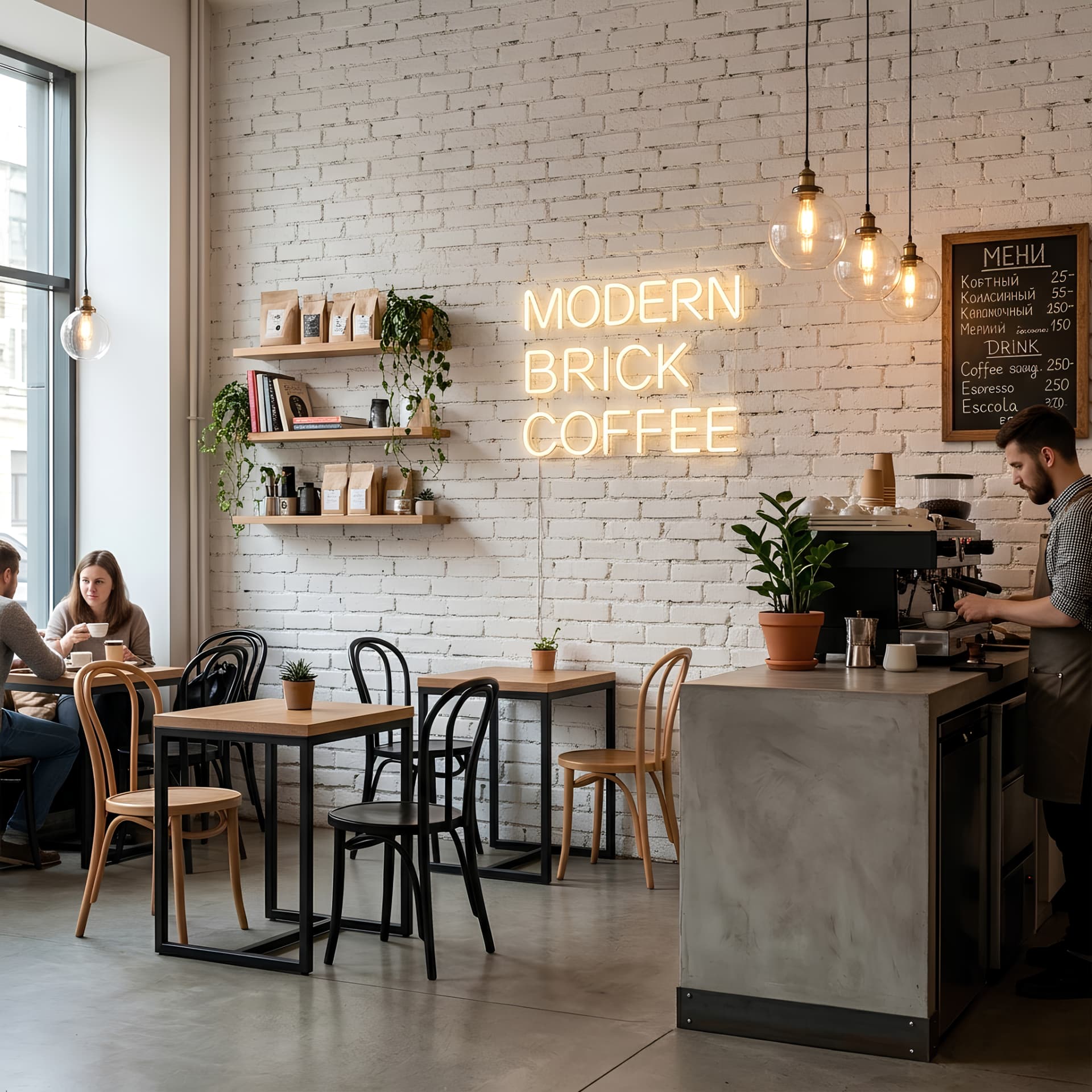
In businesses, washability isn't a preference, it's a requirement. In nurseries and kindergartens the entire child-height line, in clinics the waiting area and corridors, in cafés the strips behind tables get wiped several times a day. No surface other than extra-washable film holds up to that pace for long. For sector-specific application notes, see the office and café and restaurant guides; for nursery projects, additionally request an A+ emission-certified base paper — it's the standard in our premium range.
Why Colour Choice Matters for Washability
On the same washable surface, colour determines perceived cleanliness. Very light, flat colours show every mark instantly — you wipe often, but it always looks clean. Mid-tone surfaces with a subtle pattern visually swallow marks; you wipe less often. Very dark flat colours, however, reveal dust and limescale streaks even more than light ones. In practice, for a home with children the best middle ground is mid-tone, textured patterns: they hide stains and show no difference once wiped.
There's also the reality of wiping fatigue: at spots touched dozens of times a day, like around doors and light switches, having the busy part of the pattern fall there visibly cuts down your wiping routine. If you note these zones on your order when we lay out the composition to your dimensions, we position the design accordingly.
Lifespan and Warranty Expectations
A washable surface's life is shortened not by how often you wipe but by how you wipe. In a home using a pH-neutral solution and microfibre, even twice-weekly wiping won't tire the surface across 8-10 years; monthly wiping with an abrasive sponge, on the other hand, starts dulling it within two years. On our products, the warranty covers print and base manufacturing defects as standard; use-related wear (wrong chemicals, a stiff brush) falls outside it. That's why it's worth leaving a one-line note for any cleaning help you bring in: "Walls only with damp microfibre." With the right technique, a washable surface becomes the least troublesome surface in the home.
The Deciding Sentence
Let's boil the whole guide down to one decision: every wall where, at least once a day, you say "something is going to get on this" should be in the washable class; walls whose getting stained once a year is news can enjoy the texture instead. Walk through your floor plan with that sentence — the kitchen, children's room, hallway and entrance fall onto the washable list on their own, while the living room and bedroom stay with textile. Mixing the two classes in the same home isn't a flaw, it's good engineering; at the ordering stage you can pick a separate paper type for each wall, and production and shipping still combine into a single package.
Frequently Asked Questions
Which wallpapers are washable?
Vinyl-coated papers and self-adhesive films. Textile and non-woven can only be wiped with a damp cloth and don't count as "washable".
What is the price per m² of washable wallpaper?
2026: film 950 TL/m²; the adhesive canvas is not currently in production. Full price list.
Can I use bleach?
No — it lightens the colour even in the most durable class. pH-neutral detergent is the upper limit.
Can I have any design made washable?
Yes, every design can be printed on a film base; including your own image.
Does washable wallpaper look glossy?
Not necessarily — washability is about surface chemistry, not gloss. Matte washable film options exist, and especially in areas where you don't want reflections, like a TV wall, this exact combination (matte plus washable) is the one people choose. The surface details on the product page note the matte/semi-matte distinction; when in doubt, a sample gives the clearest answer.
From our shop
Wallpapers You Might Like
3D White Stone Brick Textile Wallpaper
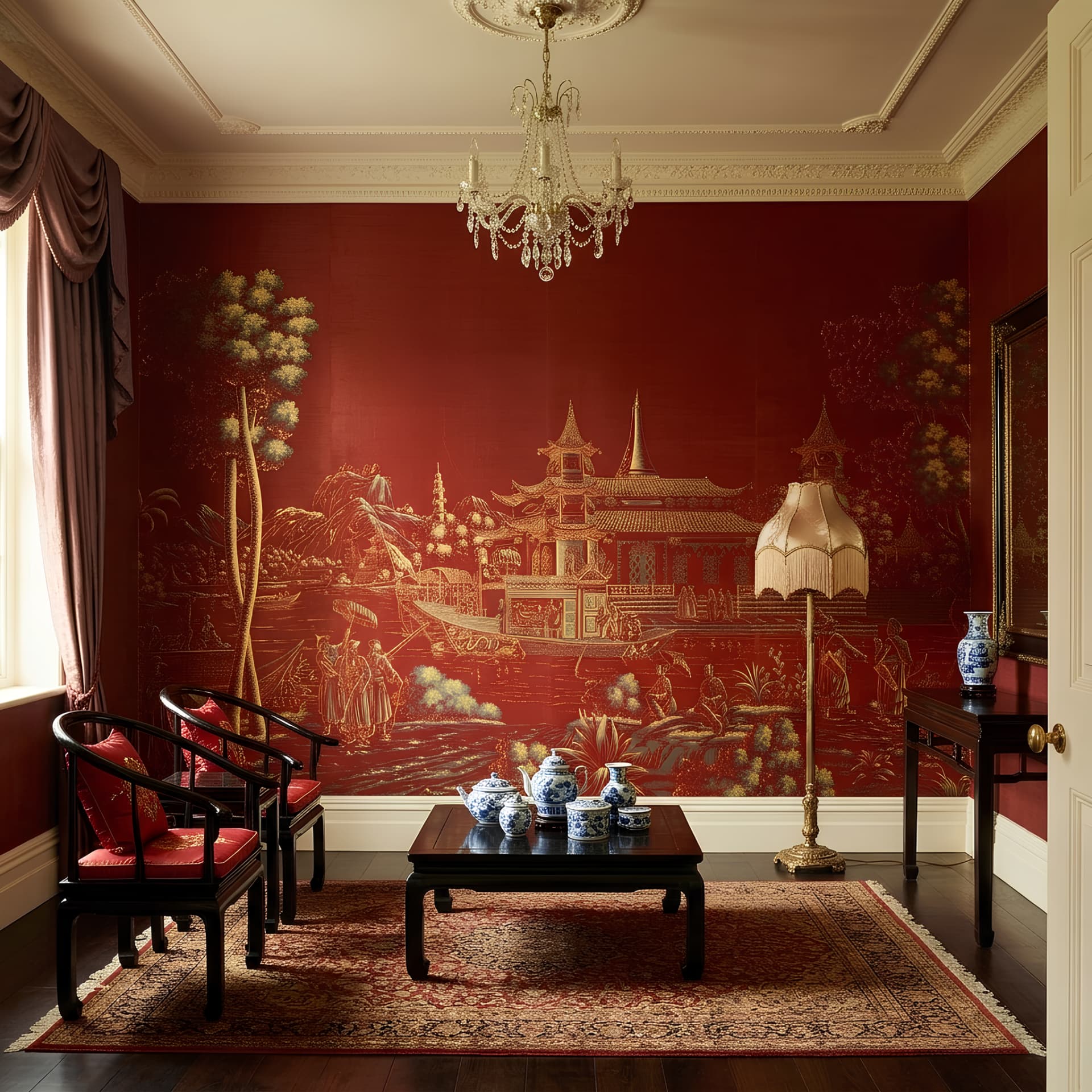
Classic Chinese Motif Burgundy Wallpaper
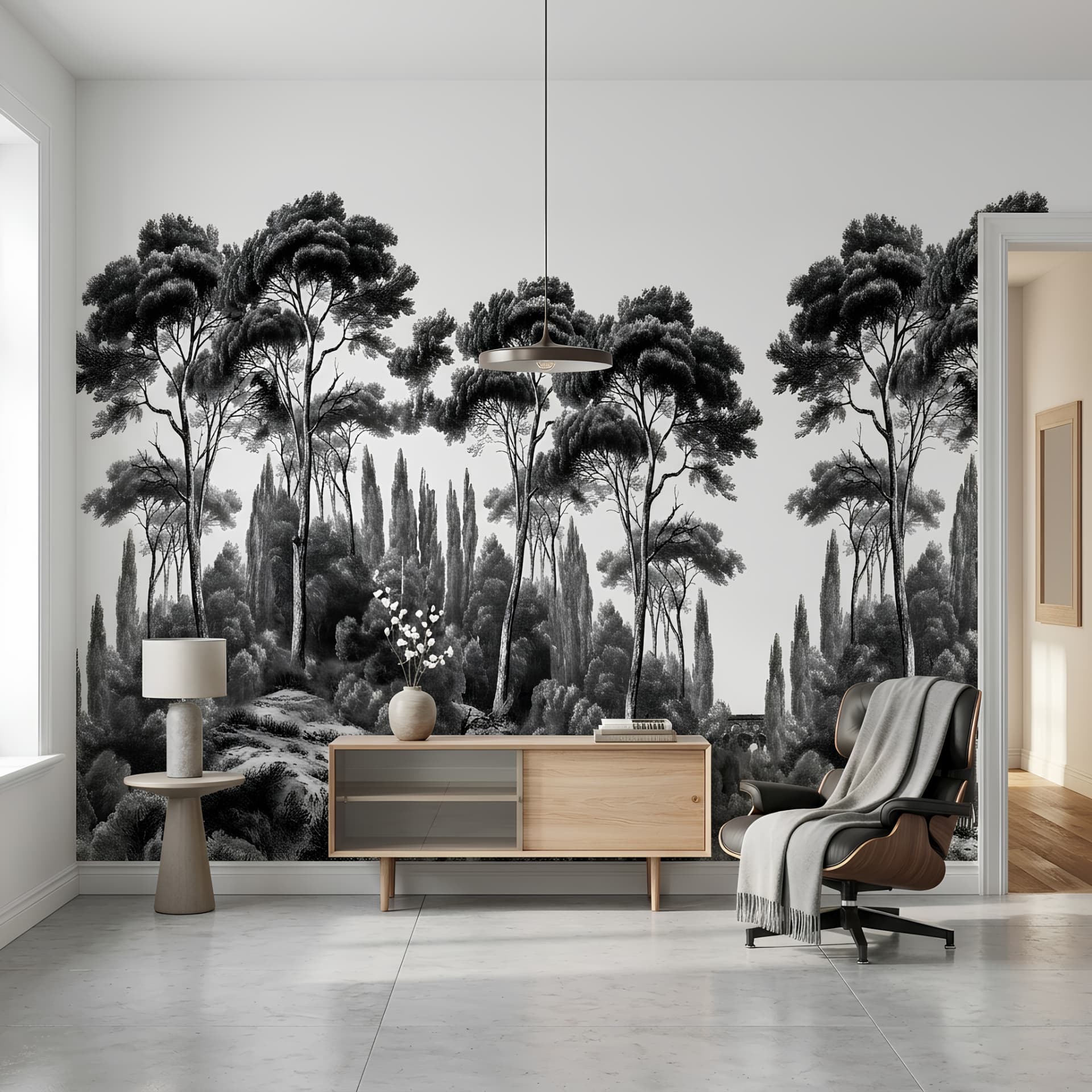
Black & White Vintage Forest Wipeable Wallpaper
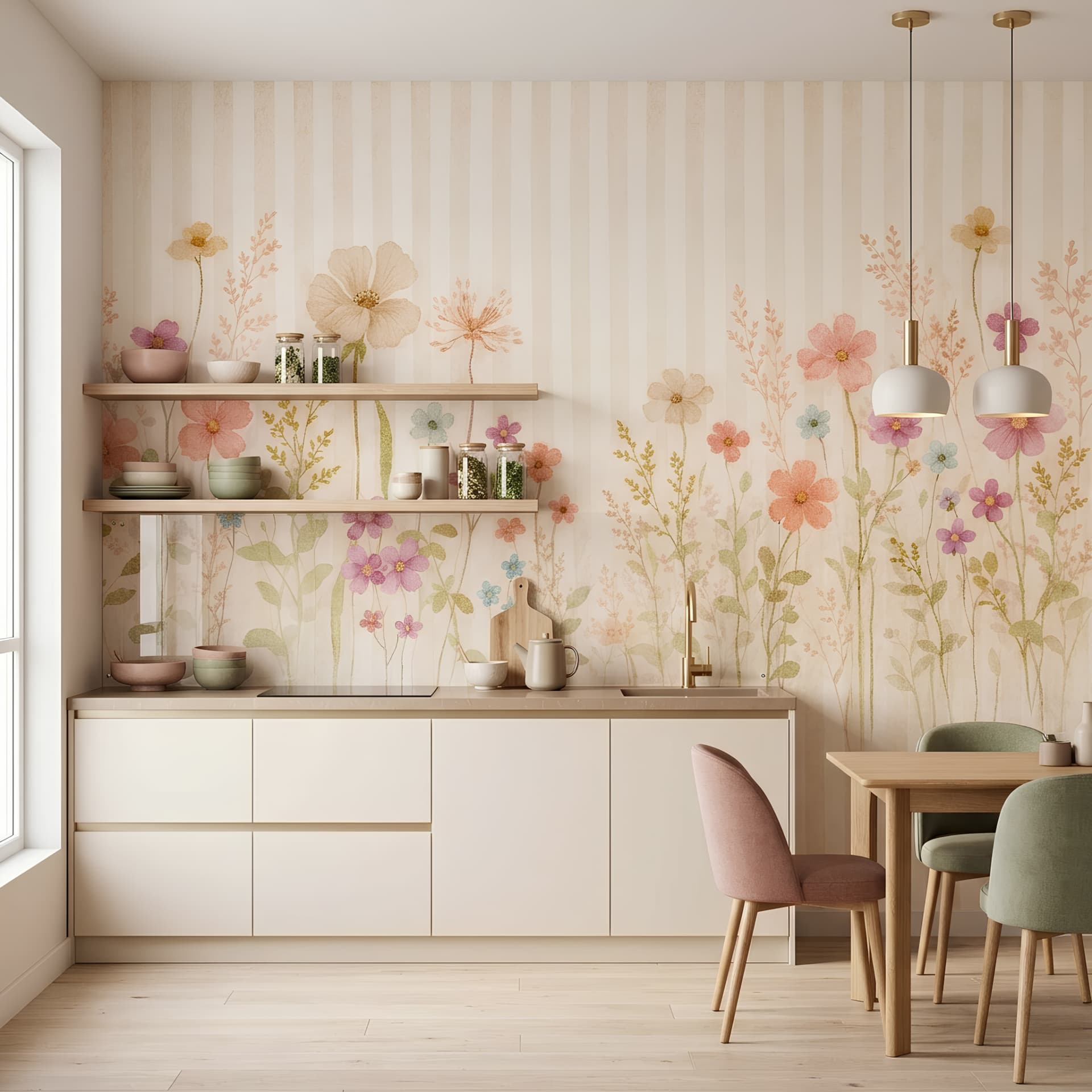
Pastel Spring Garden Striped Wallpaper
DA
Dekoartizan Tasarım Ekibi
Duvar kağıdı sektöründe uzmanlaşmış tasarım ve içerik ekibimiz, iç mekan dekorasyonu, malzeme bilgisi ve uygulama teknikleri konusundaki birikimlerini bu rehberlerde paylaşıyor. Tüm içerikler saha deneyimi ve güncel sektör verileriyle desteklenir.
İçeriklerimiz saha deneyimi ve sektörel uzmanlığa dayanır
washable wallpaperwipeable wallpapervinyl wallpaperkitchen wallpaperkids room wallpaperscrubbable wallpaper