Loading article…
wall slat panelslat wall wallpaperwood slat wall
Wall Slat Panel & Wallpaper Guide 2026: Pairing Wood Slats With Wallpaper
Slat panel styles, material options, step-by-step fitting and ideas for combining wood slats with wallpaper. The most striking wall décor technique of 2026.
D
By Dekoartizan Tasarım Ekibi··8 min read
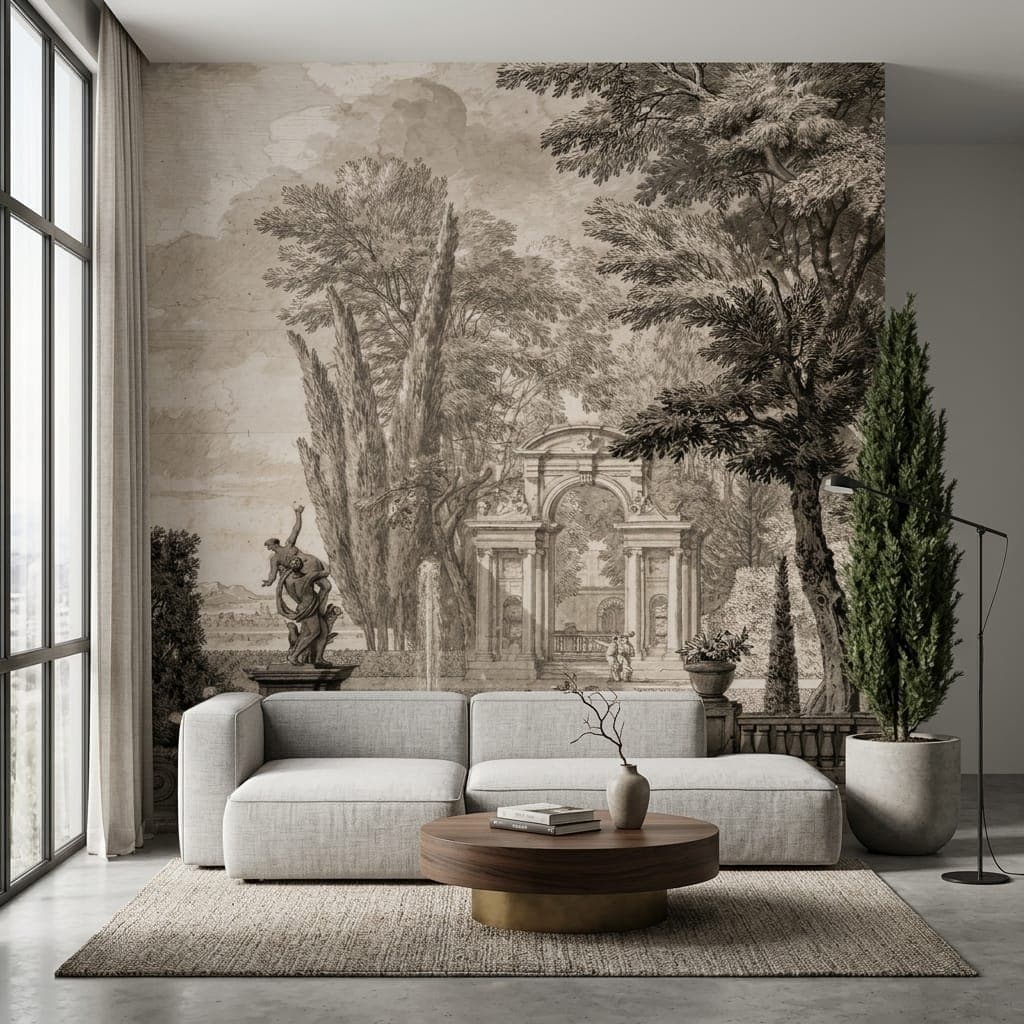
What Is a Wall Slat Panel? Why Is It So Popular With Wallpaper?
A wall slat panel (also called slatted wall panelling or wainscoting) is a decorative architectural feature created by fixing horizontal or vertical wood strips to the lower or upper section of a wall. Now one of the biggest trends in interior design, slat panelling adds genuine depth and a sense of luxury to a room, especially when it is paired with wallpaper.
The reason this look has taken off is that it works on several levels at once: it delivers both a tactile experience (the genuine warmth and grain of real wood) and a visual one (the pattern and depth of wallpaper). It is modular, suits DIY fitting, and can be scaled to any budget.
Types of Wall Slat Panel
- Vertical Slat Panel (Acoustic): Vertical wood strips set side by side; decorative and sound-absorbing in one. The most popular choice for media walls. It draws the eye upward and makes a room feel taller.
- Wainscoting (Lower Panelling): Panels or frames fitted to the bottom 90-120 cm of the wall. A staple of classic and period English interiors; it creates the ideal base for wallpaper on the section above.
- Picture Rail (Upper Moulding): A horizontal rail set close to the ceiling; used to hang artwork or to create a visual divide.
- Grid / Square Panelling: Geometric frames formed by running slats both vertically and horizontally. Filling these frames with wallpaper creates a powerful effect.
The Most On-Trend Combinations for 2026
Vertical Slats + Dark Backdrop Wallpaper
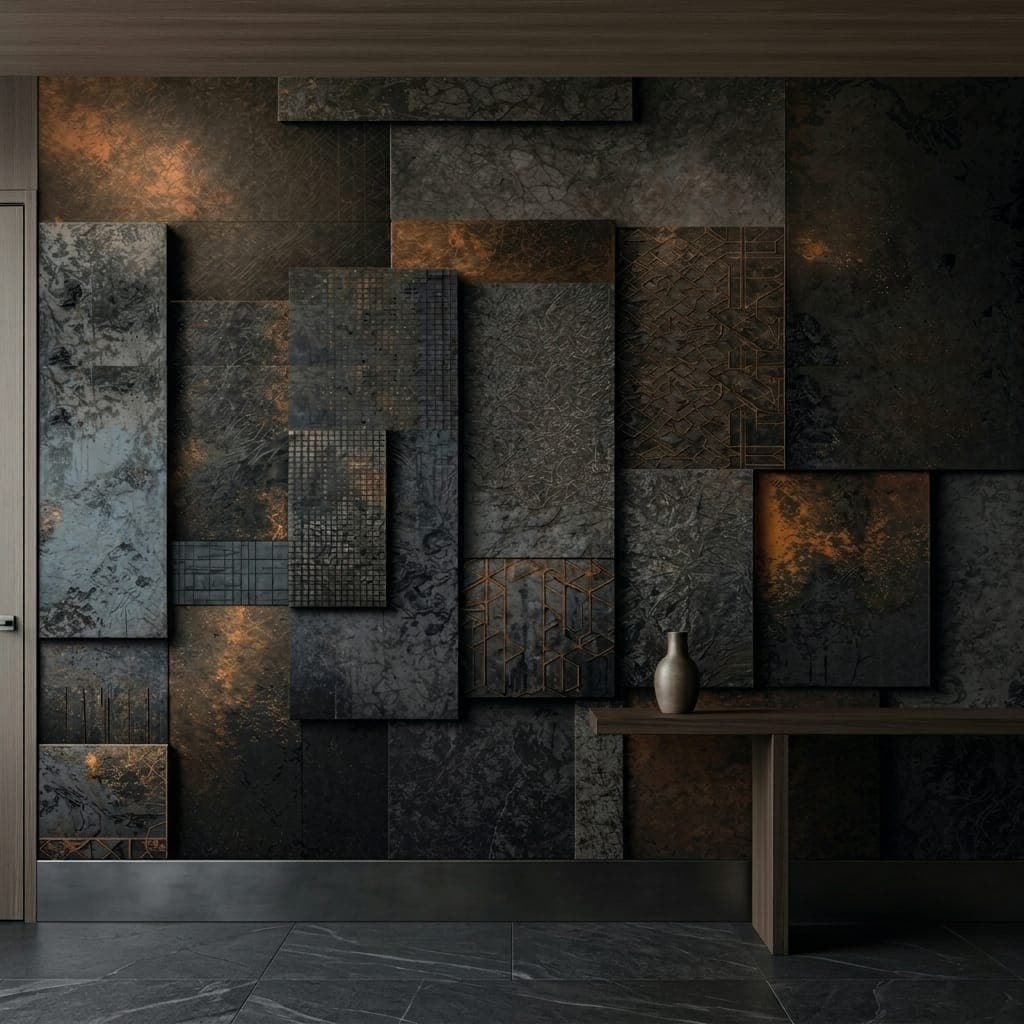
On a media wall, running vertical wood strips over a deep navy, charcoal or rich green paper gives a cinematic, premium result. The acoustic sound absorption is a welcome bonus. Living room accent wall ideas →
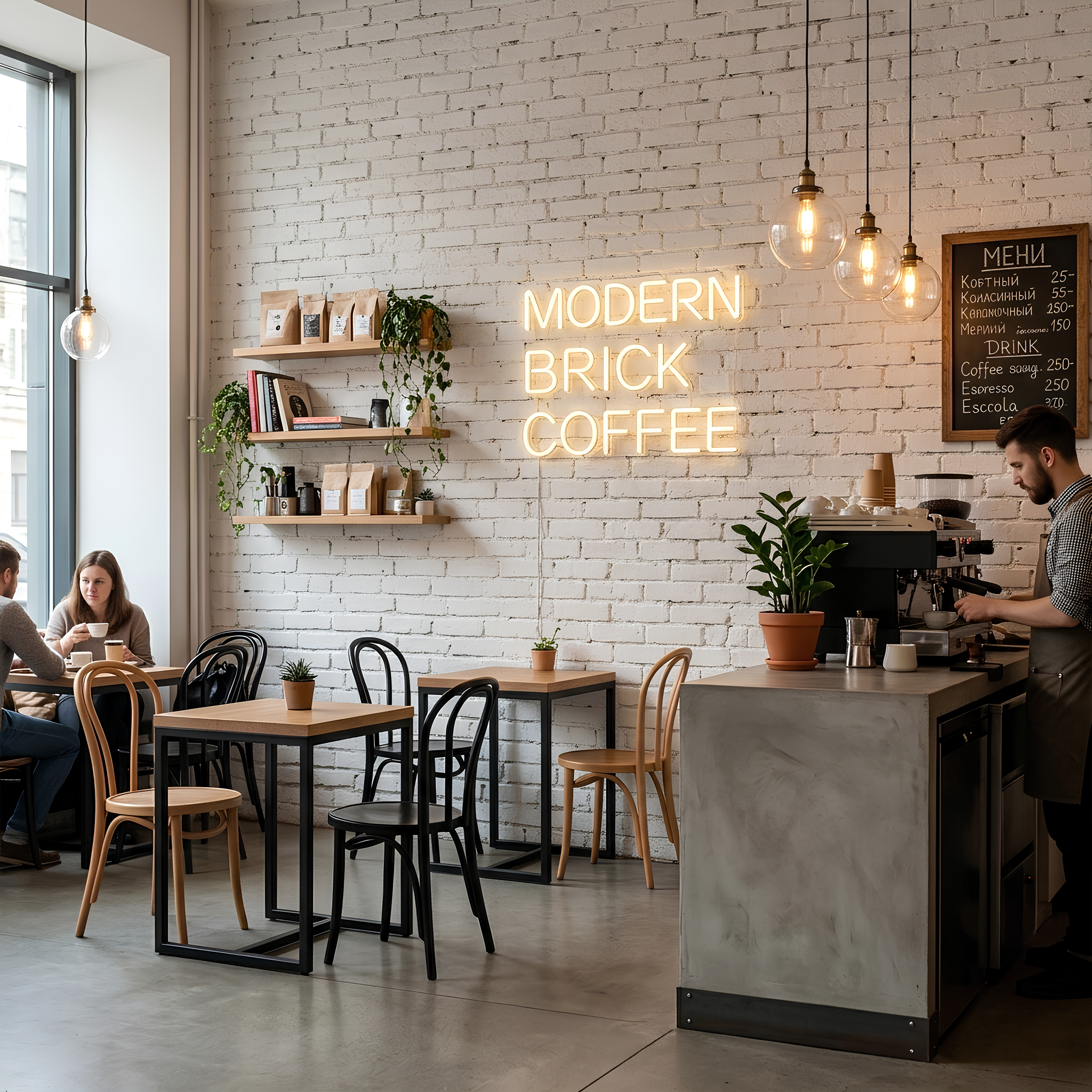
Wainscoting + Botanical Wallpaper
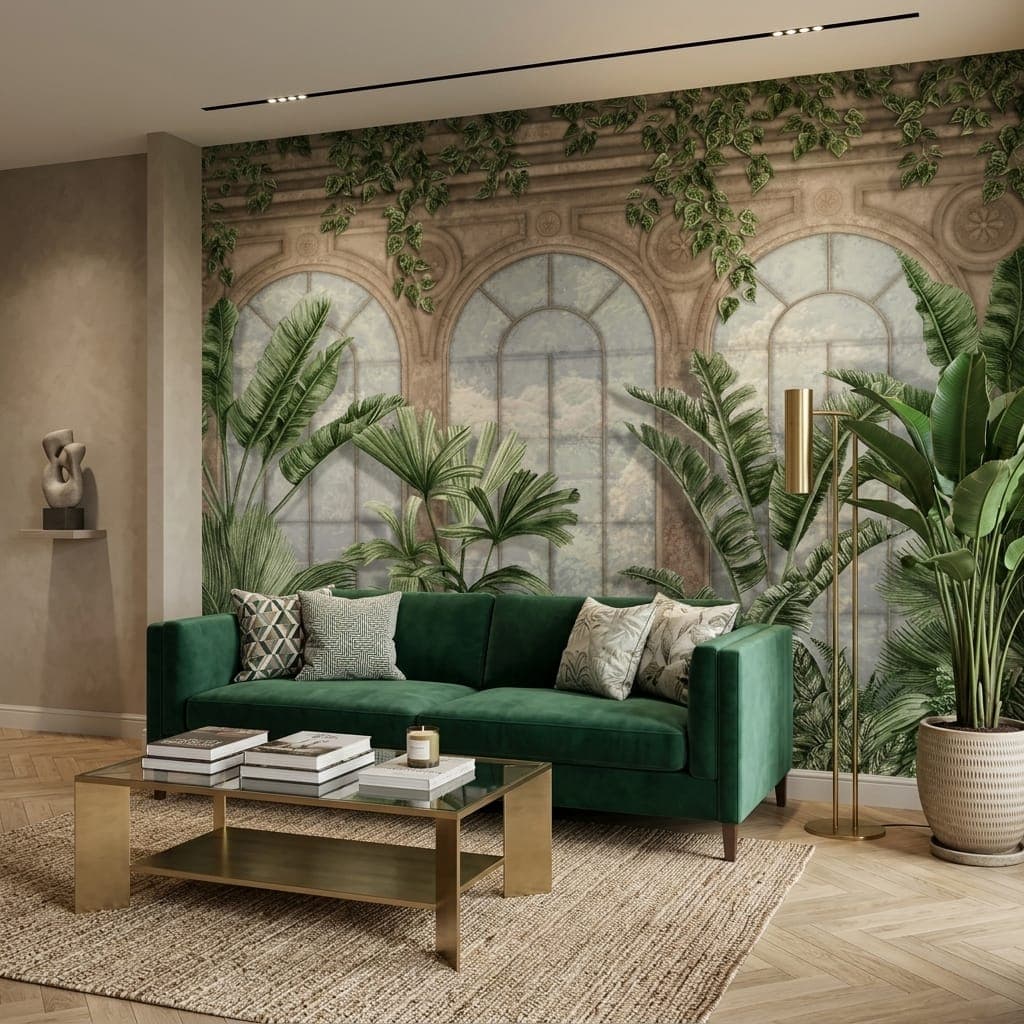
Framing the bottom 90 cm of the wall in wainscoting and applying a large-leaf tropical paper above strikes a balance that is both classic and modern. This combination is especially captivating in dining rooms and hallways. Botanical designs →
Grid Panelling + Pastel Wallpaper
Setting a soft pastel paper inside geometric wood frames gives an elegant, romantic result, especially on a headboard wall. It is also a brilliant choice for both girls' and boys' bedrooms.
Order of Work: Wallpaper First, Slats Second
- Prepare the wall: clean it, fill any gaps and apply primer.
- Hang the wallpaper across the whole wall (including the area the slats will cover).
- Once the wallpaper is fully dry (at least 24 hours), fit the slats.
- Paint the slats or leave them natural.
Working in this order eliminates any gaps that could appear along the edges of the slats and gives a clean, professional finish. For fitting details, see our application guide.
Sizing and Material Choice
- Slat width: 1-2 cm thin strips read as modern and minimalist; 4-6 cm wide strips suit classic, statement rooms.
- Material: Painted MDF, solid wood, bamboo or PVC (moisture-resistant, for bathrooms). If the room is humid, go for MDF or PVC.
- Wainscoting height: The standard is 90-100 cm. In rooms with high ceilings you can go up to 120 cm.
- Slat spacing: A 2-4 cm gap for a modern look; 0 cm (butted together) for a fully closed panel look.
Slats + Wallpaper: Filling the Panels
The smartest use of slats in recent years is to fill the panels they frame with wallpaper. In the classic French style, three or four rectangular panels are built onto the wall with slats, and the panel interiors are papered with damask, chinoiserie or a fabric-effect design — the result is the look of a boutique hotel wall. The sizing logic is simple: each panel's internal measurement is given separately, and the pattern is started from the same alignment point in every panel. Because the total area of wallpaper here is small (around 3-4 m²), premium textile textures can be used without straining the budget.
Colour Strategy: Should the Slats or the Wall Lead?
There are two schools of thought with a slatted wall. The tone-on-tone school paints the slats the same colour as the wall; texture and shadow do the talking, and the result is calm and full of depth — the right call for small rooms and bedrooms. The contrast school uses light slats over a dark wall (or the reverse); the rhythm becomes graphic, creating character in living rooms and entrance halls. A third approach is on the rise too: ending the slats at waist height and leaving the upper section to patterned wallpaper. In this mixed layout, harmony is guaranteed if the paper's pattern is fine and has a vertical rhythm; large motifs compete with the rhythm of the slats.
The 4 Most Common Slat Mistakes
The mistakes we see on site keep repeating: dividing the panel gaps by eye (you must calculate equal spacing — subtract the total slat thickness from the wall width and divide by the number of gaps); starting out of line with the skirting and cornice; screwing MDF slats to a damp wall without primer (they warp over time); and choosing a chunky profile on a narrow wall. A fifth comes from us: if you are going to paper inside the panels, finish painting the slats before the paper goes up — masking tape on wallpaper is always a risk.
Choosing the Material: MDF, Polyurethane or Solid Wood?
The three materials of the slat world speak to different budgets and conditions. MDF is the most common: cheap, paintable and trouble-free on a flat wall — its only weakness is sensitivity to water, so it is not used in bathrooms. Polyurethane (PU) is lightweight and moisture-resistant; it is the right choice around bathrooms and kitchens and for ceiling cornice details, and its flexibility is an advantage on slightly curved walls. Solid wood is the prestige class; it is the choice of those who want unpainted natural grain and of restoration projects, and it costs three to four times as much as MDF. The in-panel wallpaper application works the same way with all three.
Slat Panel Materials Compared
| Material | Relative cost | Moisture resistance | Best use |
|---|---|---|---|
| MDF (painted) | Budget | Low — avoid bathrooms | Flat interior walls, most rooms |
| Polyurethane (PU) | Mid | High | Bathrooms, kitchens, cornices, curved walls |
| Solid wood | 3–4× MDF | Medium–high | Natural grain, restoration, prestige projects |
| Bamboo | Mid | Medium | Eco look, feature walls |
| PVC | Budget–mid | High | Wet areas, splash zones |
Getting Started on Your Slat Project
Whether you are aiming for plain slats or a panel-and-wallpaper combination, the starting point is the same: the exact measurement of the wall and a calculation for equal spacing. If you are planning a combination with wallpaper, note the order — slat fitting and painting first, wallpaper second. When ordering the in-panel sizes, give each panel's internal measurement separately; the pattern alignment is set to the panels at the factory. On the budget side, the cost of slats per linear metre plus a few square metres of in-panel wallpaper is often more economical than papering the whole wall, and the effect is every bit as strong.
Frequently Asked Questions
Can you put wallpaper under wall slats?
Yes, and this is the correct order. Wallpaper goes on first, slats second. The slats conceal any imperfections along the lower or edge sections of the paper and give a very clean finish.
Can I fit wall slats in a rented flat?
Fitting slats together with non-woven wallpaper is possible; when you move out you can take the slats off first and then remove the paper without damaging the wall. Your deposit stays safe.
Which wallpaper works best with wall slats?
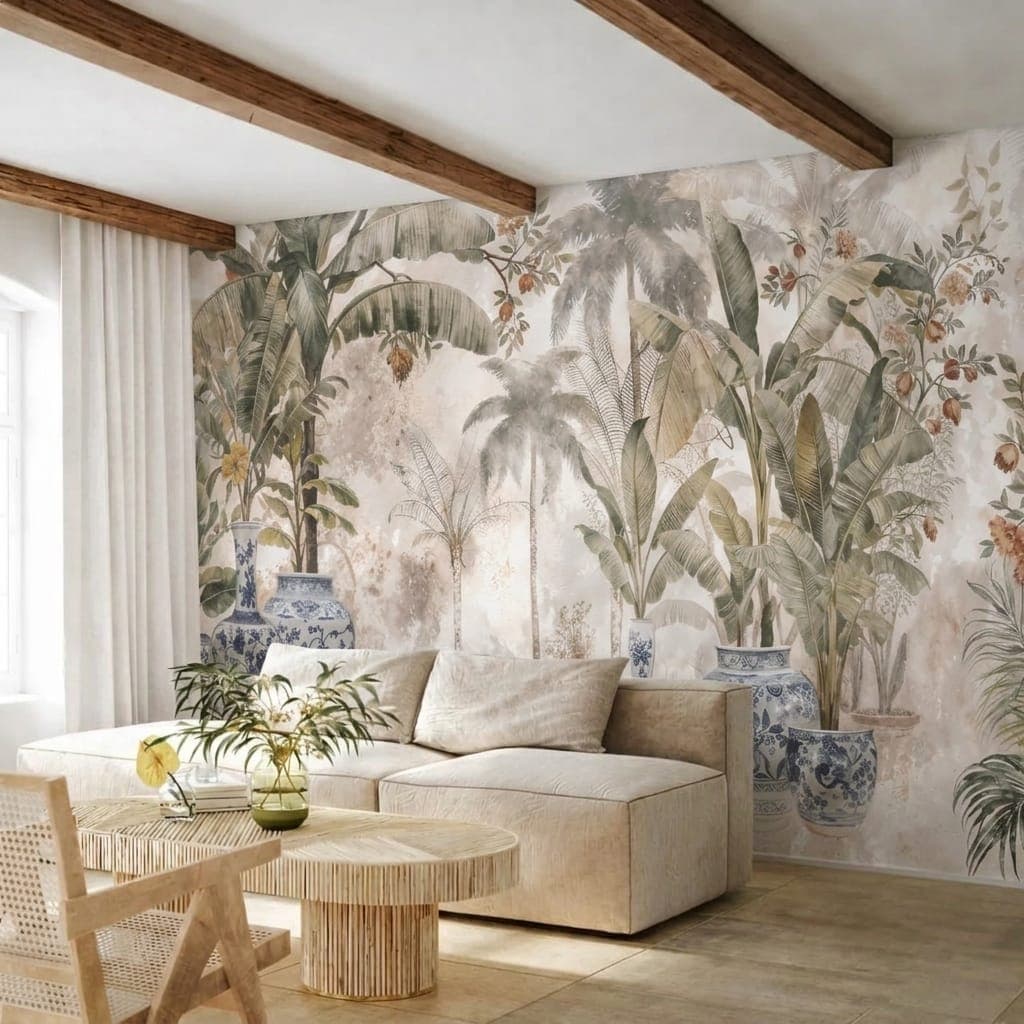
The warmth of the wood pairs perfectly with botanical, vintage and pastel-toned papers. Avoid very busy papers with small, complex patterns — if the slats and the pattern clash, it tires the eye.
Explore the DEKOARTİZAN Collection
Hundreds of designs that will pair perfectly with your wall slats are waiting in our online shop. Free shipping, made-to-measure production, delivery across all 81 provinces.
Related Guides
Combining wall slats with wallpaper delivers a striking result. For living room ideas, take a look at our living room wallpaper ideas guide. For a paint versus wallpaper comparison, see our comparison guide.
Can the gaps between slats be painted instead of papered?
They can, and it is a legitimate choice; the difference is in the texture. Paint gives a flat surface, while wallpaper brings fabric and pattern depth into the panel. If budget comes first, choose paint; if you want that hotel effect, in-panel textile is the right pick. A mix is possible too: paper the panels on the main wall, paint those on the side walls — cost and impact are balanced.
From our shop
Wallpapers You Might Like
3D White Stone Brick Textile Wallpaper
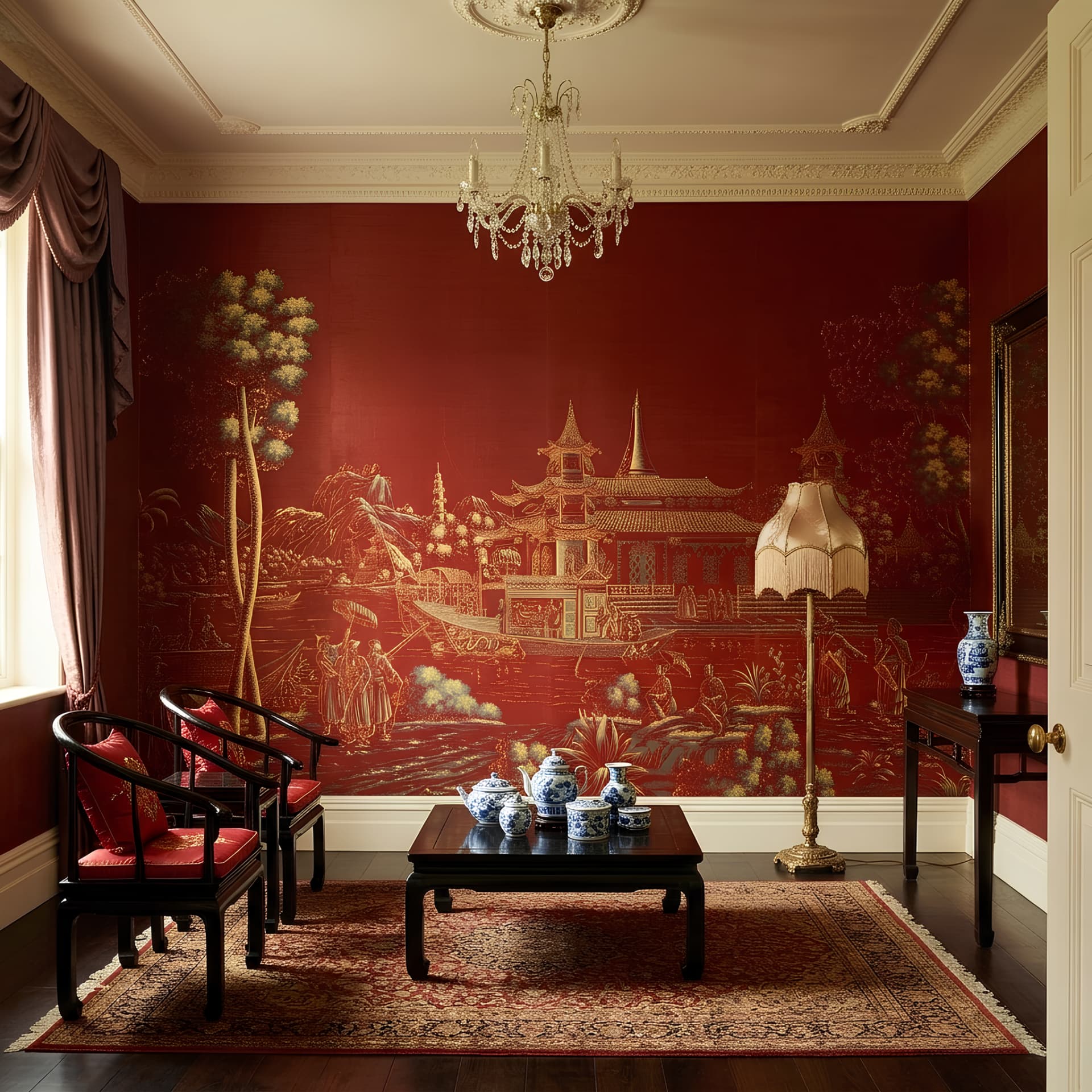
Classic Chinese Motif Burgundy Wallpaper
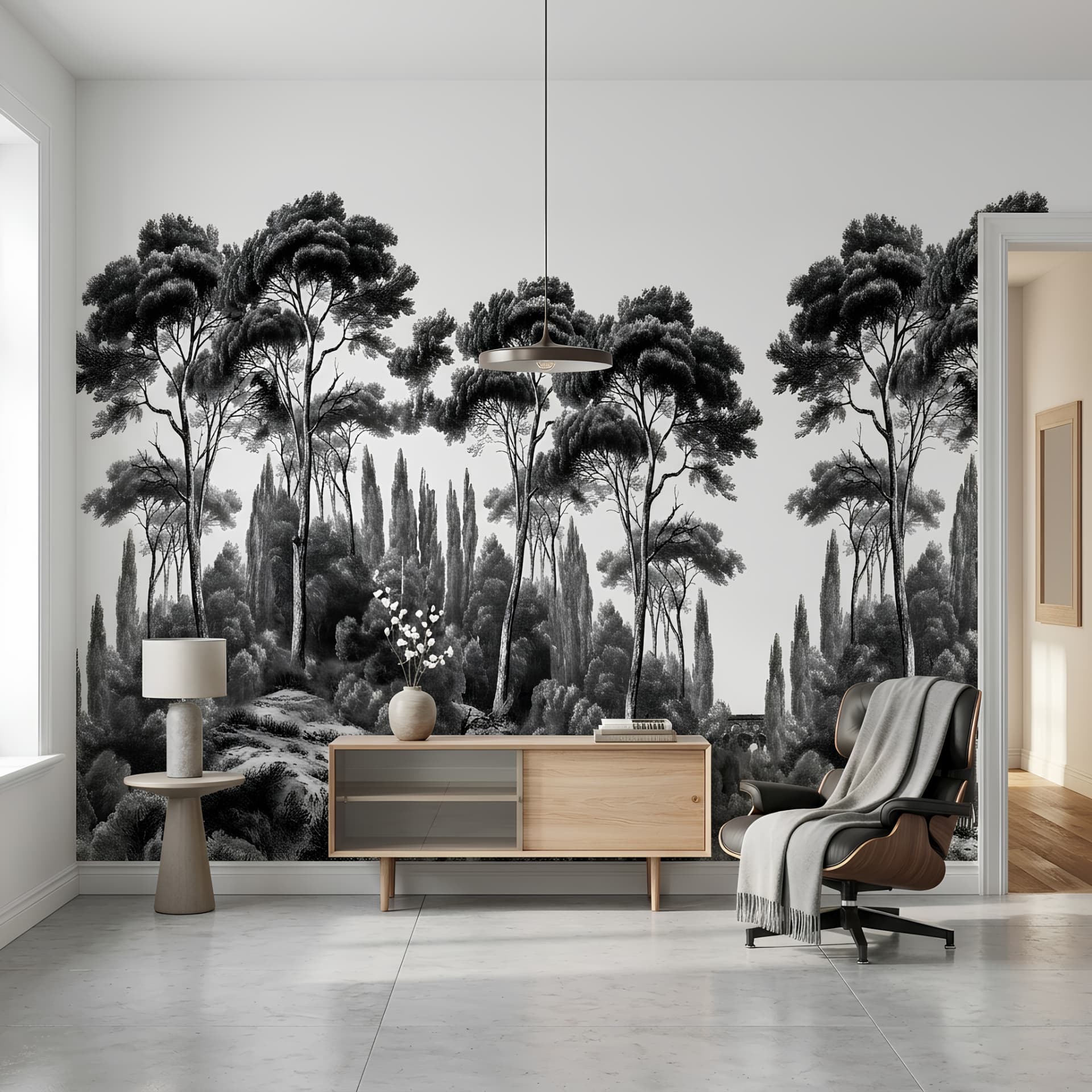
Black & White Vintage Forest Wipeable Wallpaper
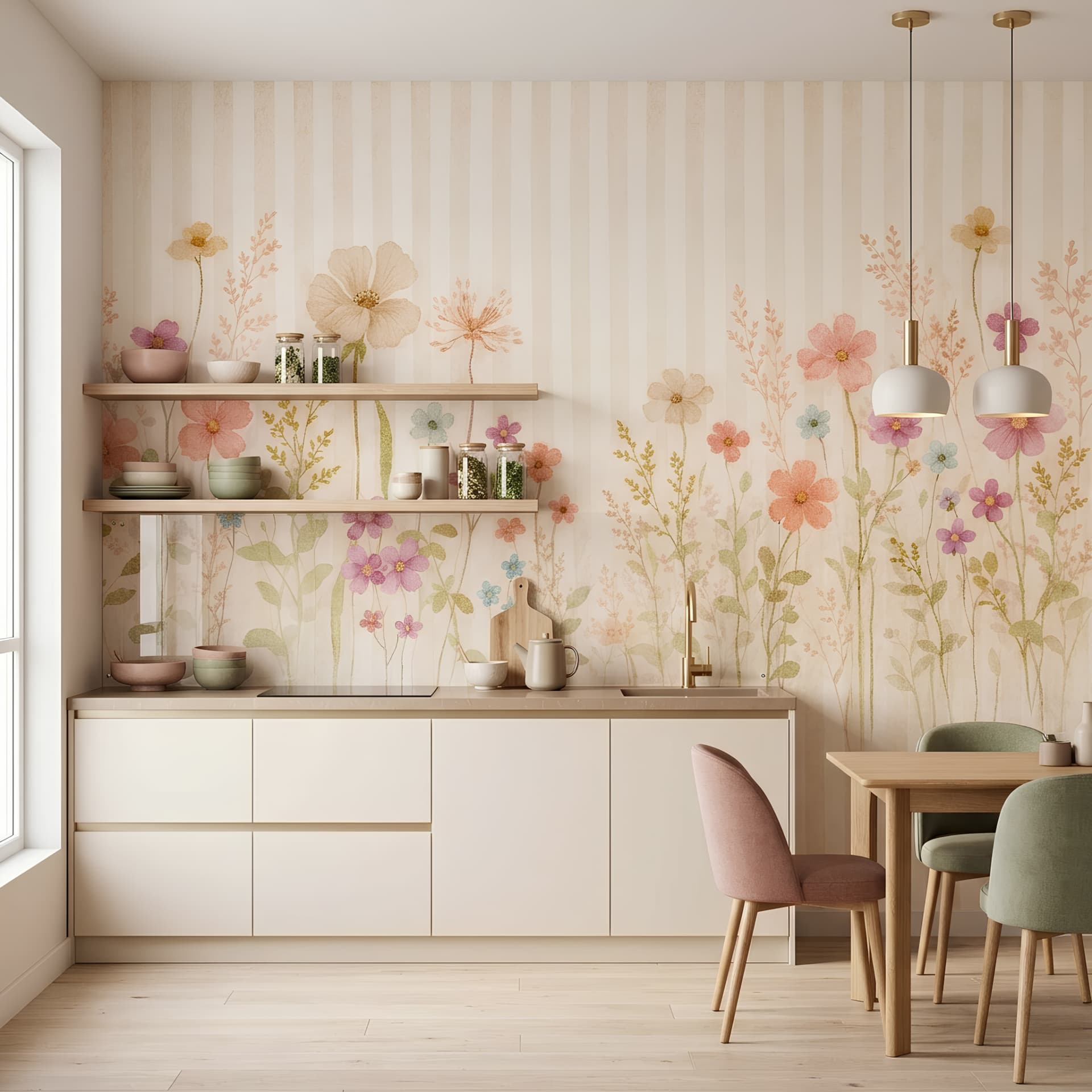
Pastel Spring Garden Striped Wallpaper
D
Dekoartizan Tasarım Ekibi
Dekoartizan Tasarım Ekibi, DEKOARTİZAN bünyesinde duvar kağıdı tasarımı ve iç mekan dekorasyonu alanında içerik üretmektedir.
İçeriklerimiz saha deneyimi ve sektörel uzmanlığa dayanır
wall slat panelslat wall wallpaperwood slat wallwainscoting ideasacoustic slat panel