Loading article…
imported wallpaperpremium textile wallpapernon-woven wallpaper
Imported Wallpaper: Premium Textile Quality and Prices
Imported base paper plus digital printing in Turkey: get imported quality without paying the imported price. Premium textile designs and a buying comparison.
D
By Dekoartizan Tasarım Ekibi··8 min read
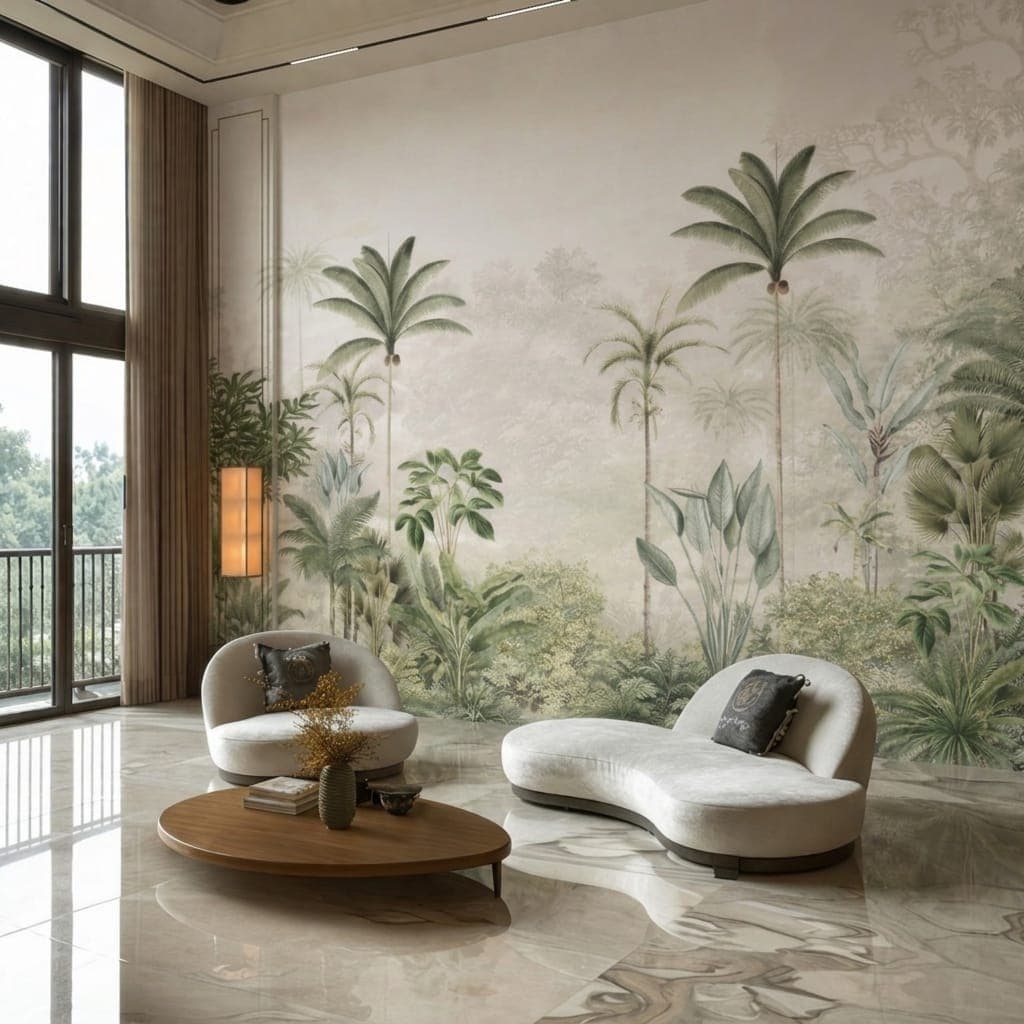
"Imported wallpaper" is really just shorthand for "good wallpaper" — and the instinct is sound, because the lifespan of any wallpaper is decided by its base paper (the substrate), and the best base papers come out of Germany and Italy.
DEKOARTİZAN's premium textile range works on exactly that logic: an imported European base paper, with digital printing done in Turkey to the exact measurements of your wall. So you get the quality of an imported ready-made roll, without the price tag of its customs-and-distributor chain — 850-1,050 TL/m².
What Does "Imported" Actually Guarantee, and What Doesn't It?
In the market, the "imported" label means two very different things, and the difference is critical:
- Imported ready-made rolls: standard rolls printed in Europe and sold from catalogues. Quality is usually good, but the design pool is limited, they are not made to your measurements (so you pay for waste), and customs, distributor and dealer margins all pile onto the price. In 2026, a quality imported roll often works out to 1,100-2,000 TL per m².
- Domestic printing on an imported base paper (our model): the same German or Italian substrate, but the printing is done in Turkey and made to the size of your wall. Product quality comes from the raw material; the pricing chain is short. With over 1,000 designs plus the option of your own image.
So the right version of the question "is it imported?" is actually: "where does the base paper come from, and what is the printing technology?"
Premium Imported Textile: Why Does It Make a Difference?
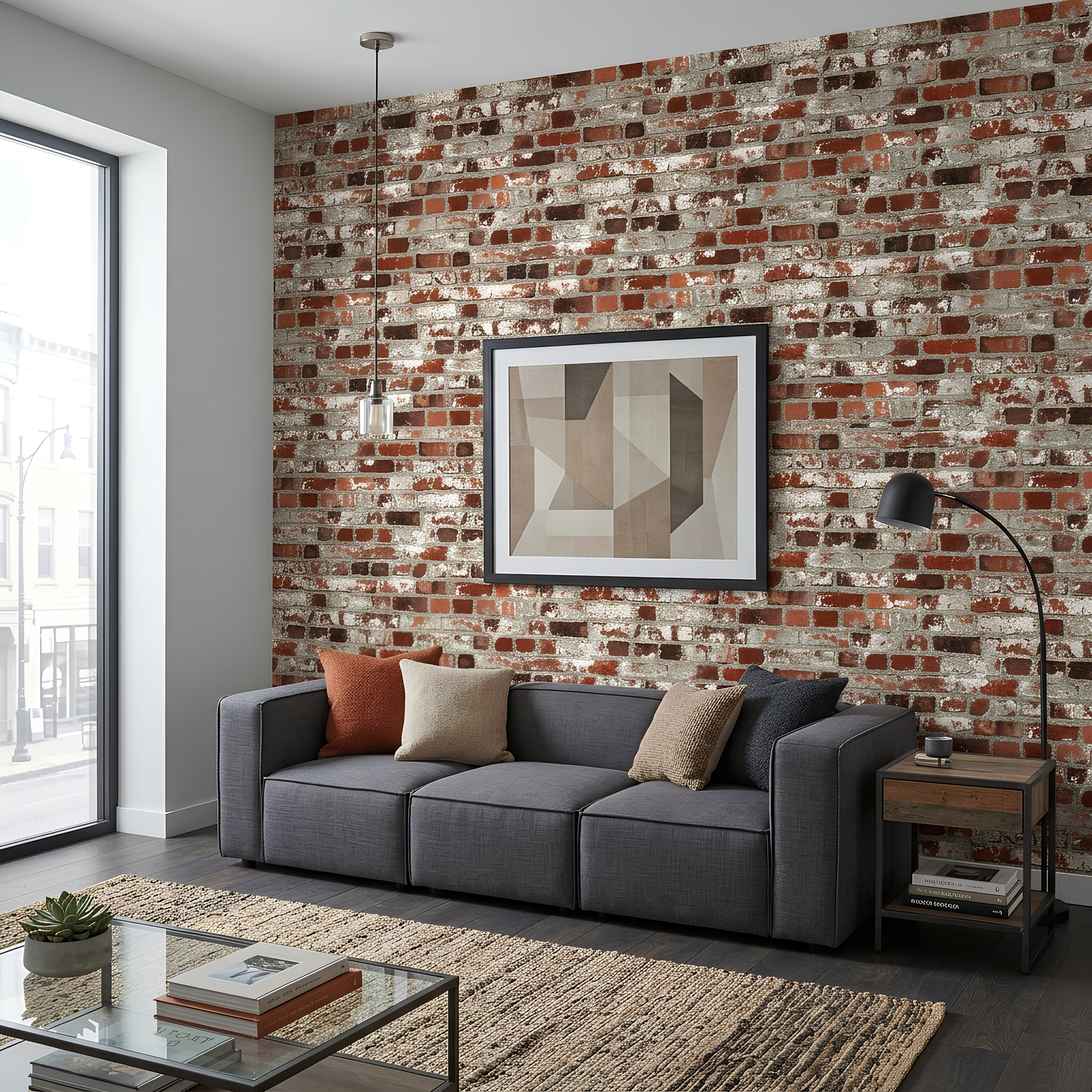
- Dimensional stability: a quality non-woven substrate does not stretch as it takes on and releases moisture — which lowers the risk of seams opening up and the surface waving.
- Depth of texture: the play of light and shadow across fabric fibres separates it at a glance from the flat, plastic look of cheap paper substrates. The detail: textile guide.
- How the print holds: UV-cured ink grips more evenly on an imported substrate; large single-colour areas do not cloud or mottle.
- Lifespan: with the right care it keeps its form for 10-15 years; cheap substrates start curling at the edges within 2-3 years.
Fakes Dressed Up as Imported: 4 Checks
A trap we see often in the field: thin, paper-based products sold as "German paper". Your checklist:
- Ask about the weight: a quality non-woven substrate is 140 gsm and up; anything under 100 gsm is the "economy" class.
- Ask for a sample: take it in your hand — an imported substrate feels firm and fabric-like, a cheap one is thin and rustles. Avoid any seller who will not send a sample.
- Ask for certificates: European base papers are fire- and emission-certified (B1, A+ emission, and so on).
- The price sanity check: "imported textile" at 300-400 TL/m² is mathematically impossible; something has been cut somewhere.
Imported Wallpaper Price Comparison (2026)
| Product type | Base paper | Price / m² (2026) | Made to measure | Lead time |
|---|---|---|---|---|
| Imported ready-made roll (dealer) | Europe / Far East | 1,100–2,000 TL | No — pattern-repeat waste | 4–8 weeks if out of stock |
| DEKOARTİZAN premium textile | Germany / Italy | 850 TL (canvas 1,050 TL) | Yes — no waste | 2–4 working days |
| Domestic economy roll | Far East / local | 250–500 TL | No | In stock |
Economy rolls look cheap up front but cost more on a cost-per-year basis.
The full table and room-by-room calculations are in the price guide; for measuring, see m² calculation.
How to Read the Country-of-Origin Label
The quickest way to verify an "imported" claim is to read the label. On European-made base papers, three pieces of information are standard: the country of manufacture (Made in Germany / Italy), the weight (gsm), and the pictograms for washability and fire class. If the label carries only the importer's company name, the product is most likely of Far Eastern origin — that does not automatically make it bad, but it is not a product you should be paying "German paper" money for. If you are buying by the roll, eliminate any unlabelled product; if you are ordering a custom-size print, eliminate any seller who will not state the origin of the substrate in writing.
For Ready-Made Roll Buyers: The Batch Number Trap
The most expensive mistake made by those who choose imported rolls is skipping over the batch number. There can be a visible difference in tone between different print runs of the same design; buy three rolls today and two next month, and you end up with a colour line down the middle of your wall. The rule: buy all your rolls from the same batch, in a single order, and add one spare roll. With custom-size digital printing this problem does not exist by design — your entire wall is printed in one production run, in a single tone; the waste calculation disappears too.
The Lead-Time Gap: 6 Weeks or 4 Days?
The hidden cost of an imported ready-made roll is time. If the design chosen from the catalogue is not in the distributor's warehouse, ordering it from Europe takes 4-8 weeks; for anyone working to a renovation schedule that is a serious risk. With the imported-substrate, domestic-print model the base material is already in stock; production takes 2-4 working days and shipping 1-2 days. In the real world, where you have to make the painter's appointment, this gap turns out — for most of our customers — to be even more decisive than the price.
Locking In Your Price Against Currency Swings
As with any product that uses imported raw materials, wallpaper price tags follow currency movements with a 3-6 month lag. Our advice to customers whose project has firmed up is simple: placing the order and starting production locks the price at that day's rate. Even if you are saying "the renovation is three months away", you can take delivery of the production and store the roll lying flat in a cool, dry place; it causes no problem for print stability. The current rate is always in the price guide and in the calculator on the product page.
Certificate Glossary: What Do B1, CE and A+ Mean?
The concrete language of any conversation about imported quality is certificates. B1, in the German fire classification, means "hard to ignite"; in hotel and office projects it is often required by specification. CE indicates that the product complies with EU technical legislation. A+ emission is the lowest level of volatile compounds (VOC) under the French indoor-air standard — and that is the figure to actually look at for bedrooms and children's rooms. An "imported" product whose label carries none of these three is, to put it kindly, missing its documentation. On corporate projects, request the certificate PDFs as files; serious suppliers share them in seconds.
The Three-Question Quality Test
Three questions that strengthen your hand across the table from a seller: "What is the origin and weight of the base paper?" (the answer should include a country plus gsm, not something vague like "European made"); "Which ink system?" (for interiors you should hear a solvent-free system — UV, latex or water-based); "Can you send a sample?" (walk away from any seller who hesitates). The seller who gives you clear answers to these three — whatever country the label shows — is the one you are in the right place with. Our own answers are written on every product page; the sample process is explained in the model guide too.
Final Word: Buy the Structure, Not the Label
"Imported" is a promise of quality in the language of marketing; the whole point of this guide is to make that promise something you can audit. The customer who asks about the four — origin, weight, certificate, sample — finds the right product regardless of the label. Our formula is open from the start: European base paper, UV printing, production to measure, transparent pricing. And our door is open to anyone who wants to compare — put our sample side by side with any imported roll; touch it, bend it, wipe it. That is the healthiest way to have a conversation about quality.
Frequently Asked Questions
What is the difference between imported and domestic wallpaper?
The deciding factor is the base paper: European substrates are ahead on dimensional stability, texture and lifespan. Where the printing is done makes no difference beyond price, provided the substrate is of good quality.
How much is imported wallpaper per m²?
For ready-made imported rolls, the equivalent of 1,100-2,000 TL/m²; for custom-size production on an imported substrate, 850-1,050 TL/m² (2026).
Which country's wallpaper is the highest quality?
For base paper, Germany and Italy are the industry standard; we use substrates of this origin in our premium range too.
Is the care of imported wallpaper different?
No — it varies by material class (textile / vinyl). The rules are in the care guide.
Why are delivery times long for imported products?
A ready-made imported roll, if not in the distributor's stock, waits on a batch from Europe — 4-8 weeks is normal. With the imported-substrate, domestic-print model the base material is waiting in stock, so the time is 2-4 working days plus shipping. For anyone working to a renovation schedule, this gap is often more decisive than the price.
From our shop
Wallpapers You Might Like
3D White Stone Brick Textile Wallpaper
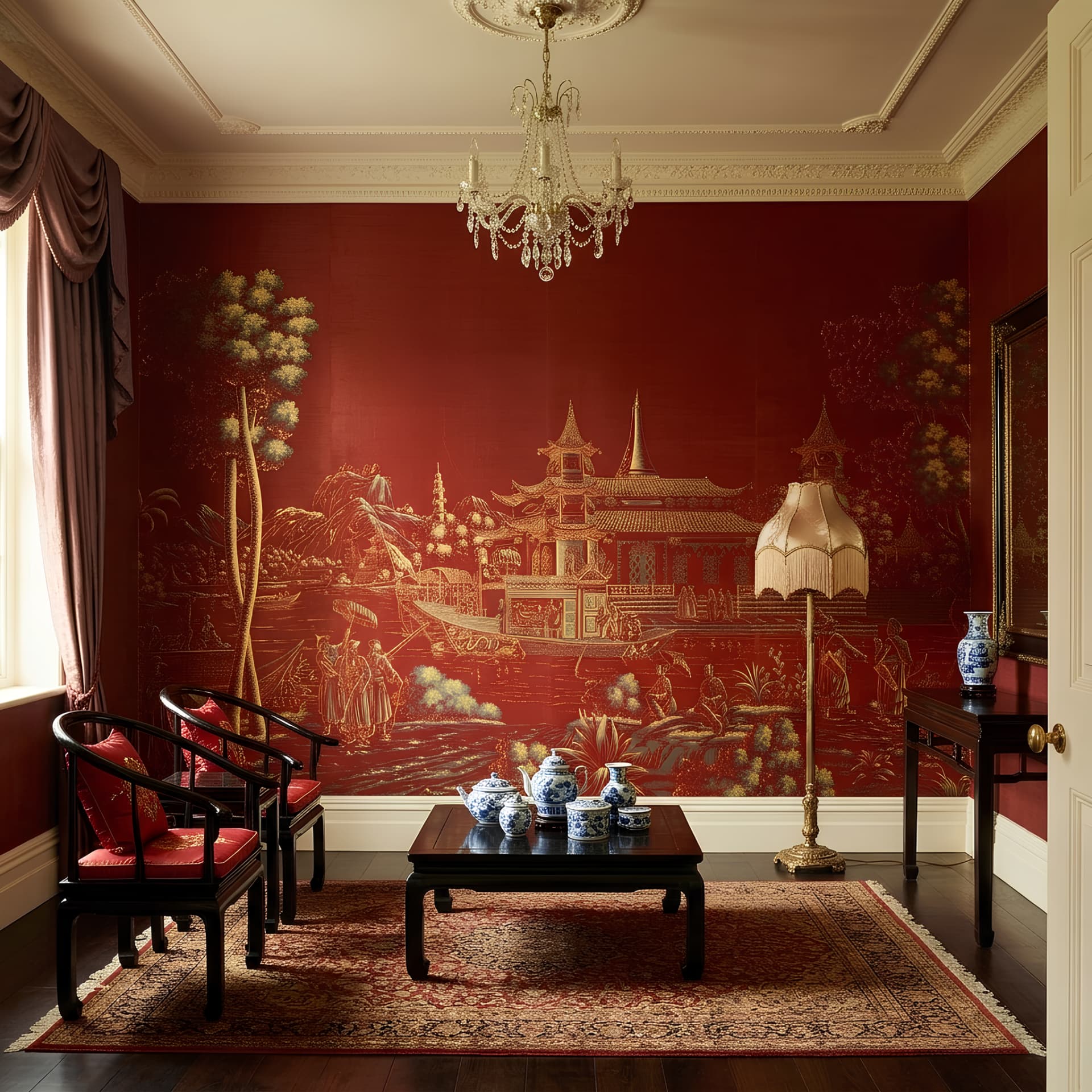
Classic Chinese Motif Burgundy Wallpaper
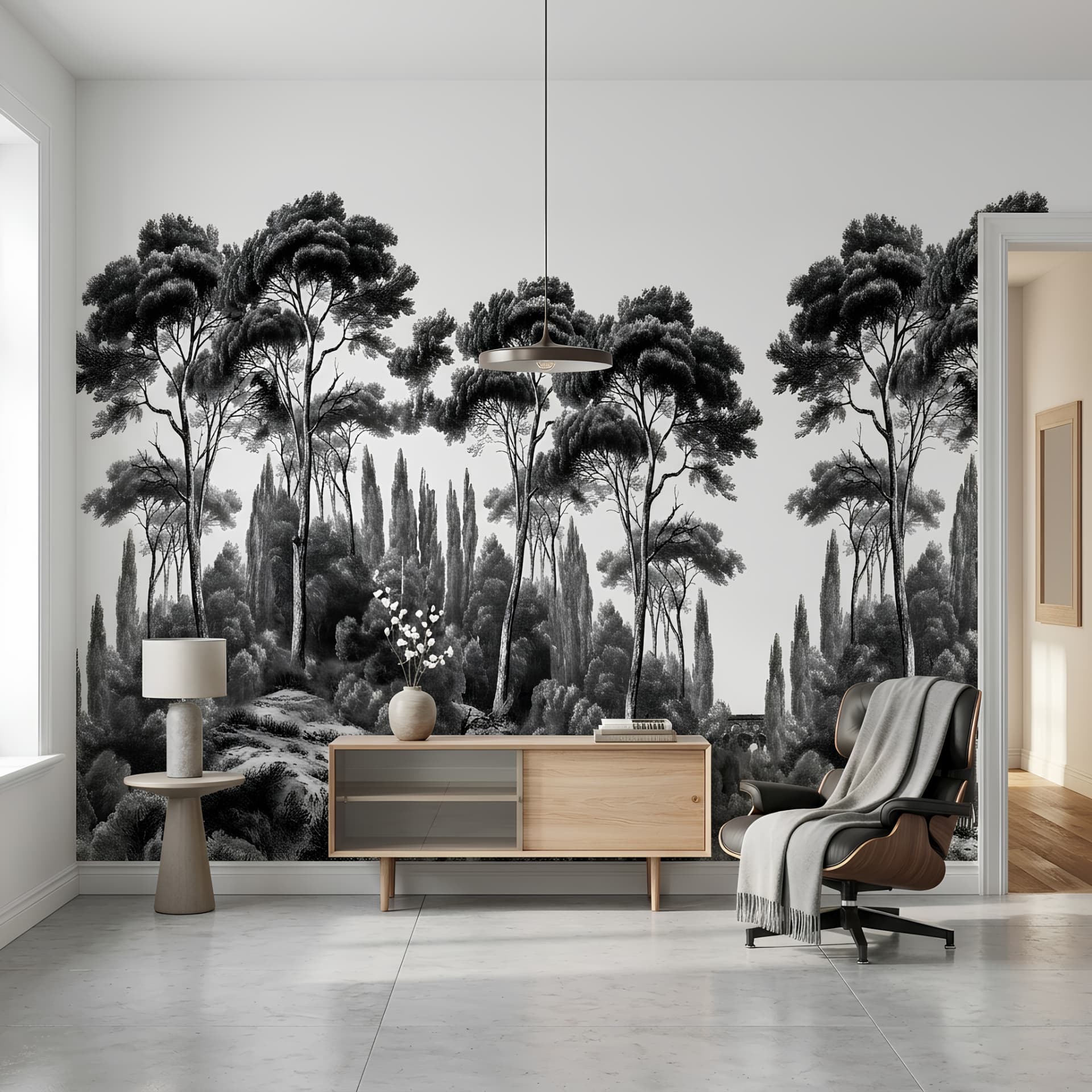
Black & White Vintage Forest Wipeable Wallpaper
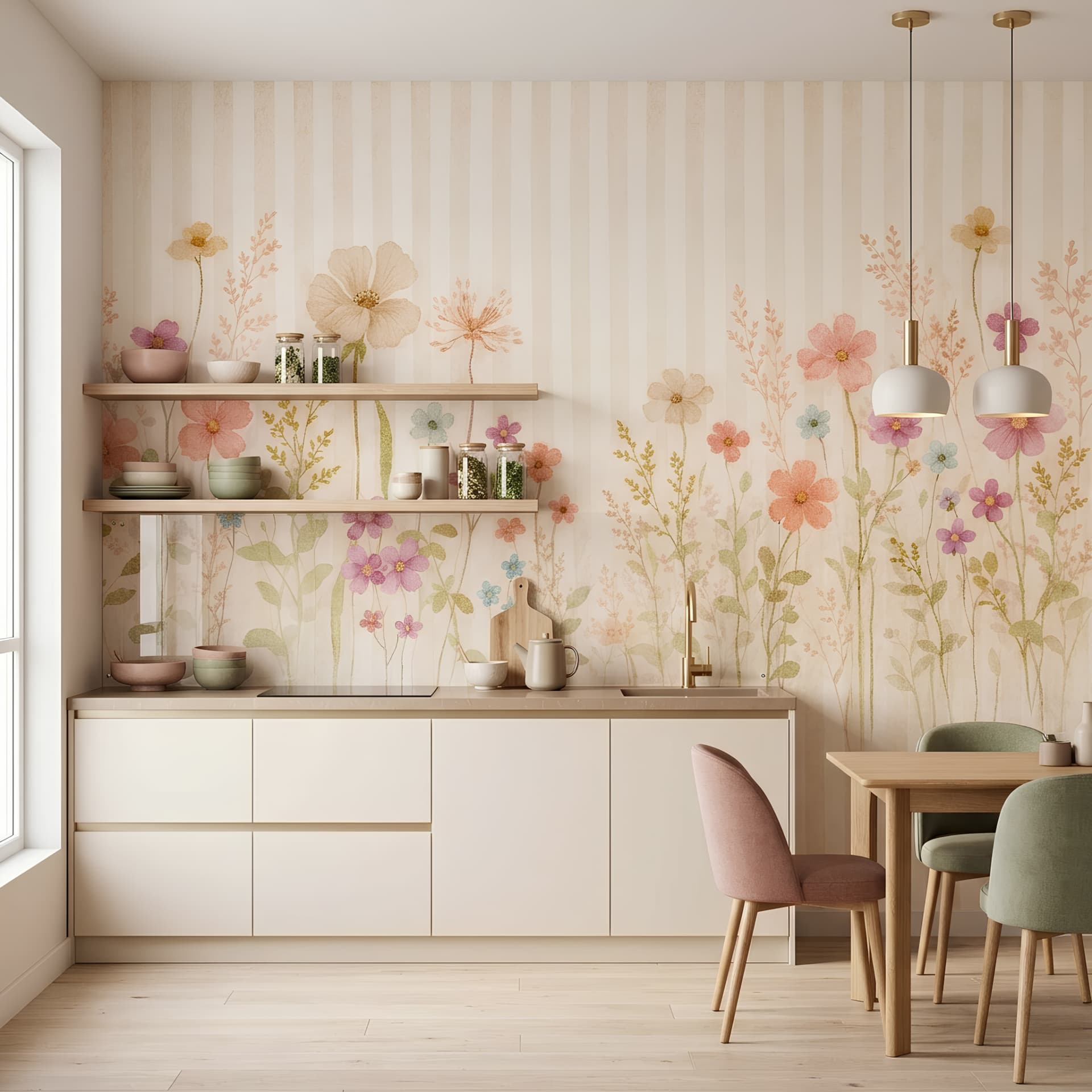
Pastel Spring Garden Striped Wallpaper
DA
Dekoartizan Tasarım Ekibi
Duvar kağıdı sektöründe uzmanlaşmış tasarım ve içerik ekibimiz, iç mekan dekorasyonu, malzeme bilgisi ve uygulama teknikleri konusundaki birikimlerini bu rehberlerde paylaşıyor. Tüm içerikler saha deneyimi ve güncel sektör verileriyle desteklenir.
İçeriklerimiz saha deneyimi ve sektörel uzmanlığa dayanır
imported wallpaperpremium textile wallpapernon-woven wallpaperluxury wallpapermade to measure wallpaper