Loading article…
vinyl wallpaperPVC wallpaperwashable wallpaper
Vinyl Wallpaper: Pros, Cons and 2026 Prices
Thanks to its PVC coating, vinyl wallpaper is the most water- and stain-resistant type of wall covering. It suits kitchens, bathrooms, nurseries — any space exposed to moisture.
D
By Dekoartizan Tasarım Ekibi··8 min read
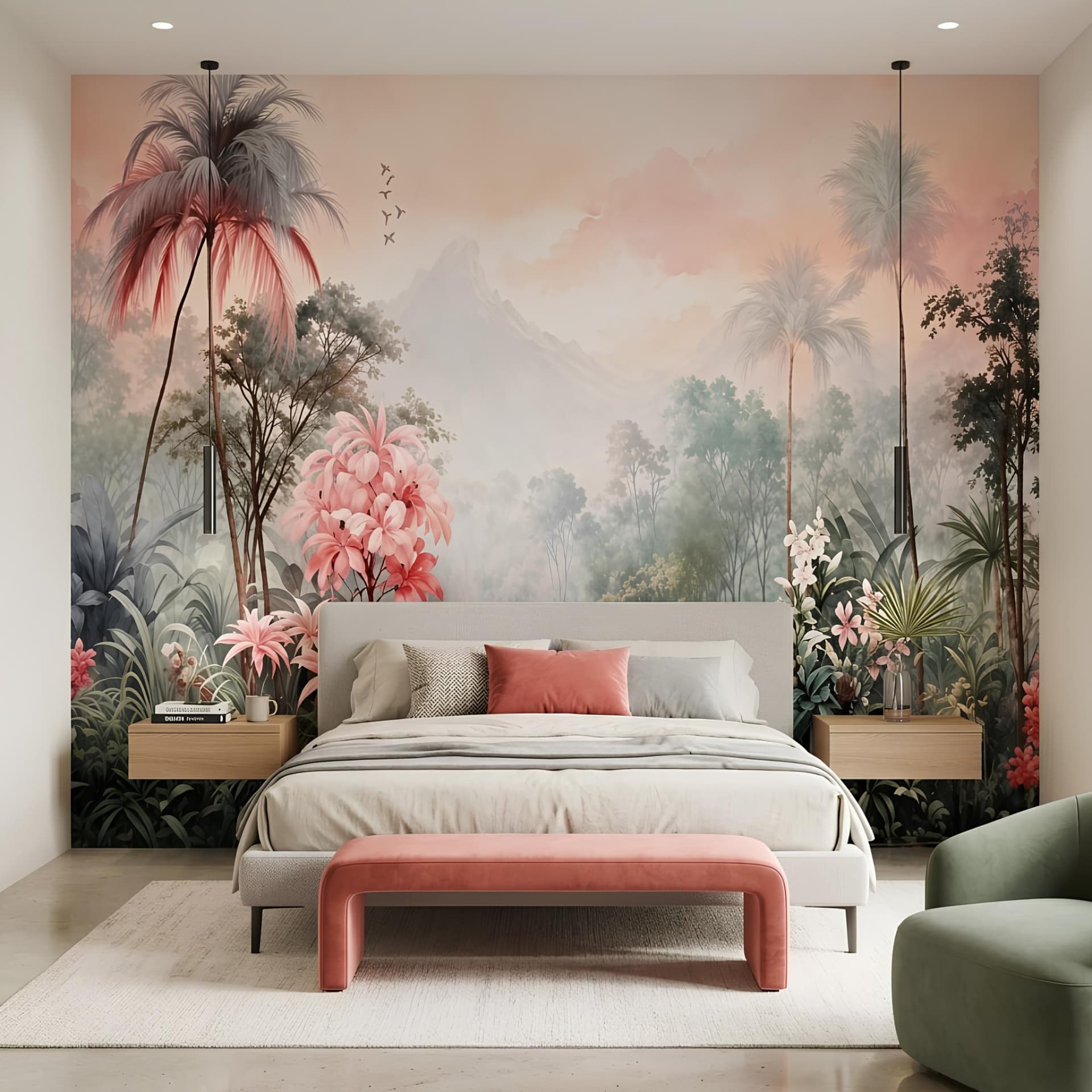
Vinyl wallpaper is a wall covering whose surface is coated with PVC (polyvinyl chloride). Water splashes, fingerprints, pen marks — you can wipe them all off with a damp cloth. That single property makes vinyl wallpaper the first choice for families and for high-traffic spaces.
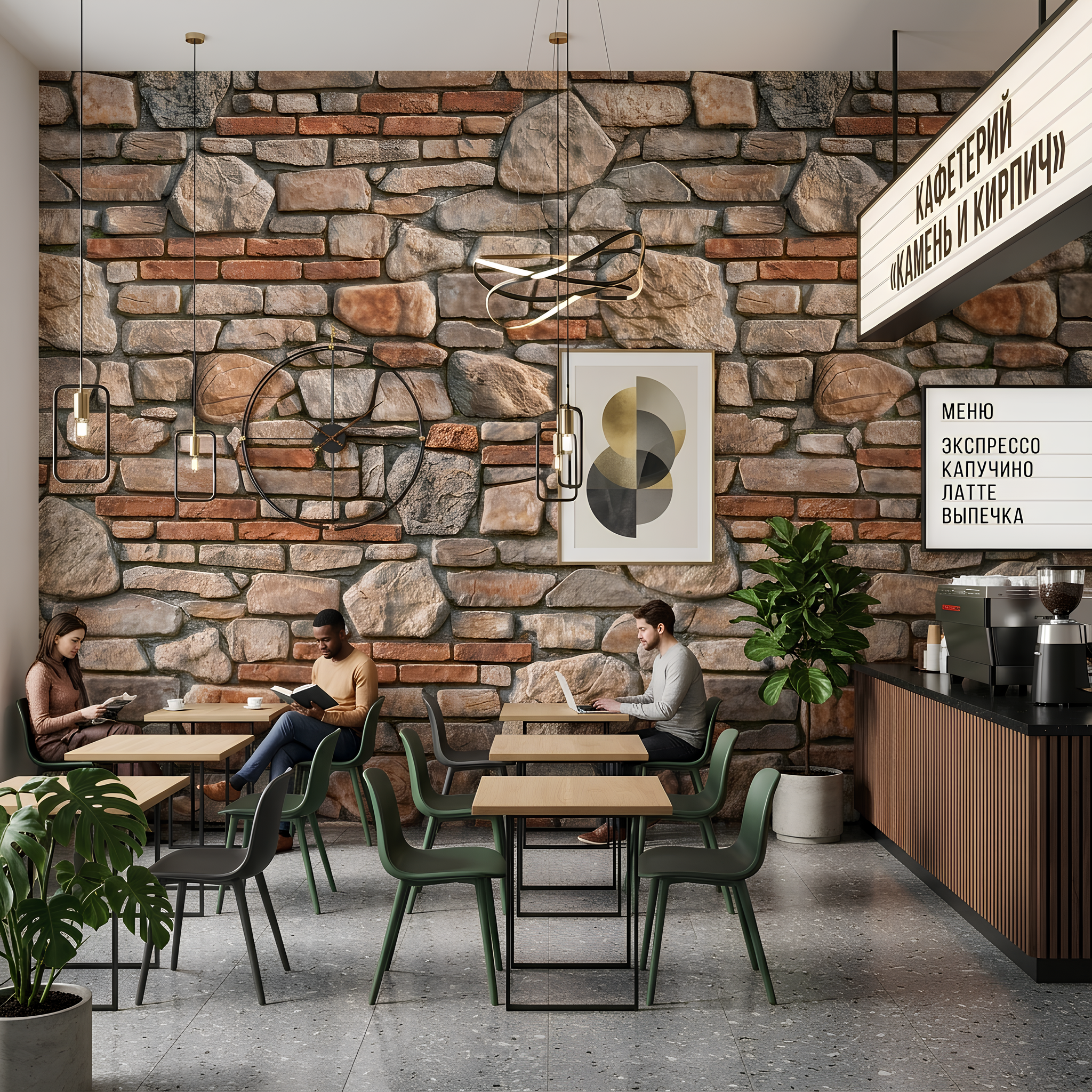
What Is Vinyl Wallpaper?
Vinyl wallpaper is made by coating a PVC film onto a paper or non-woven backing layer. This PVC layer gives the wall waterproofing, stain resistance and mechanical durability. There are three sub-types:
- Vinyl-coated paper: Paper backing + thin PVC film. The budget option.
- Solid vinyl: PVC throughout, backing included. The most durable type.
- Vinyl non-woven: Non-woven backing + PVC surface. Easy to hang plus durable.
Pros
- Water and moisture resistance: Suitable for damp areas — bathrooms, kitchens, basements
- Easy cleaning: Wipes clean with a damp cloth or mild detergent
- Durability: Resistant to scratches, knocks and UV fading
- Wide range of designs: Every kind of pattern, from solid colours to 3D effects
- Affordable price: A more budget-friendly class than fabric-based coverings
Cons
- Not breathable: PVC film is airtight — if moisture builds up behind it, you risk mould. Good ventilation is essential.
- Plastic feel: To the touch it doesn't feel as natural as fabric
- Hanging: It needs booking (applying paste and letting it rest) — slightly more fiddly than non-woven
Where Can You Hang Vinyl Wallpaper?
Kitchen
Ideal for the area behind the hob (excluding the section directly above the worktop) and the dining area. Grease splashes wipe away. Our kitchen wallpaper guide has detailed advice.
Bathroom
Can be applied to walls outside the shower enclosure. However, it isn't recommended where there's direct water contact (inside the shower) — there, tile is still the safest choice.
Nursery
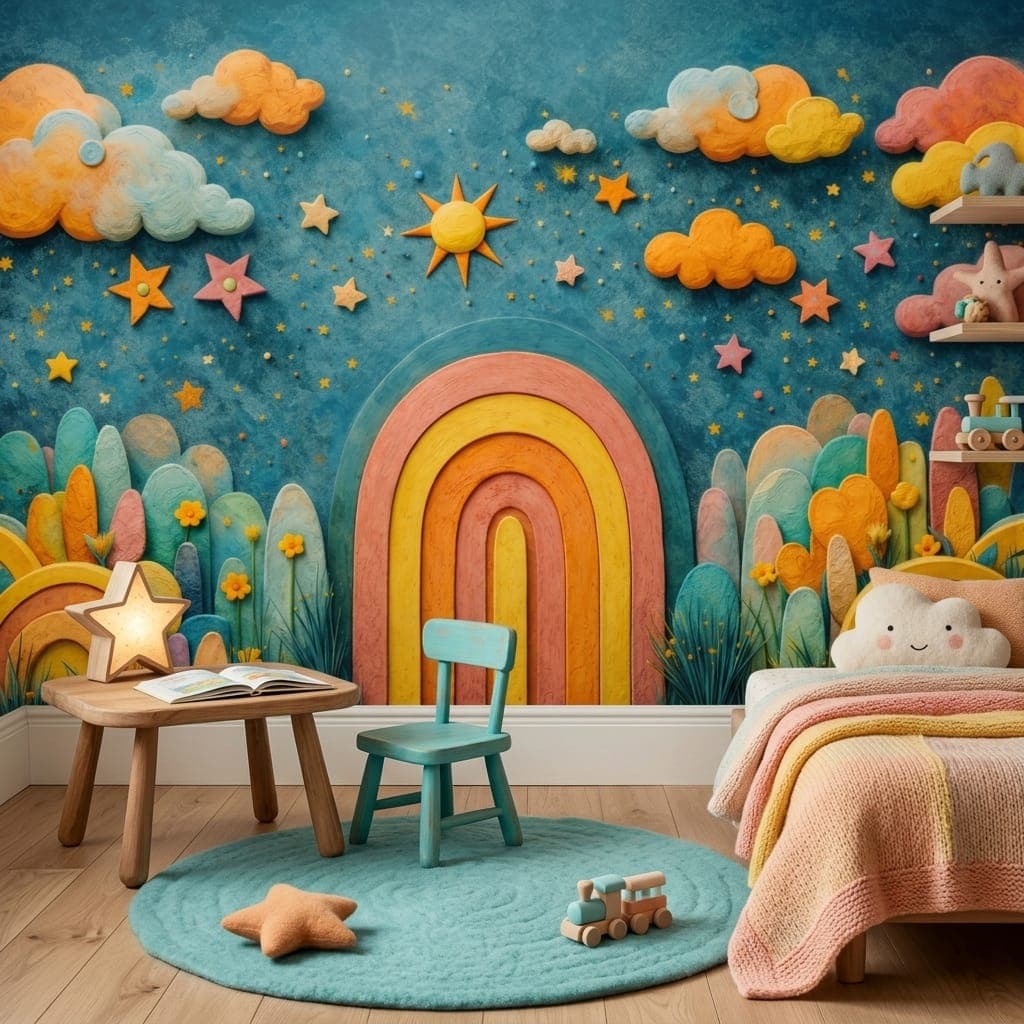
Pen, crayon, stickers — there's no telling what children will do to a wall. A vinyl surface takes it all. Take a look at our guide for nursery wallpaper ideas.
Commercial Spaces
Offices, hotels, restaurants, shops — in high-traffic spaces the durability of vinyl is a major advantage. Our office wallpaper and café-restaurant guide cover this in detail.
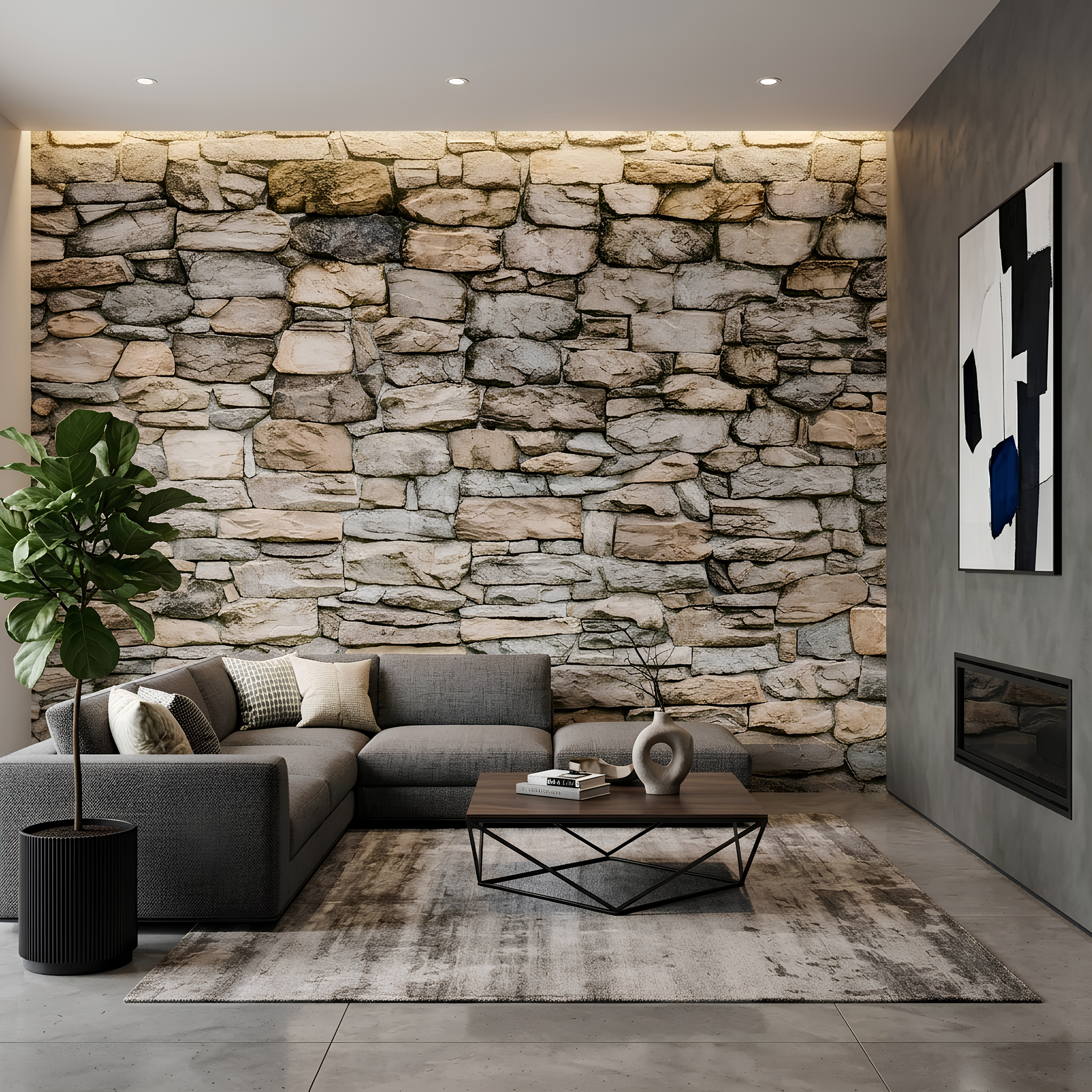
Vinyl Wallpaper Prices (2026)
Prices vary by quality, pattern complexity and base material:
- Budget segment: ₺80-150/m² — solid colours, simple geometric patterns
- Mid segment: ₺150-250/m² — detailed patterns, embossed effects
- Premium (digitally printed vinyl): ₺200-350/m² — photo-quality custom printing
For current pricing, take a look at our 2026 wallpaper price guide.
Vinyl or Fabric?
The practical rule is this: areas exposed to moisture → vinyl; areas where you want a luxurious, natural touch → fabric.
In mixed-use rooms such as the living room, digitally printed vinyl offers both durability and good looks. At DEKOARTİZAN you can choose from over 1,000 digitally printed vinyl designs and have it produced to the exact dimensions of your wall. Browse our collection →
For a broader perspective, read our wallpaper guide and our comparison of wallpaper types.
For washability grades and a room-by-room requirements map, see the parent guide: washable wallpaper.
5 Concrete Advantages of Vinyl Wallpaper
- Washable/scrubbable surface: Fingerprints, crayon, food splashes come off with soapy water — the most forgiving class in our cleaning guide.
- Moisture resistance: Safe to use in kitchens and bathrooms (with proper ventilation); our kitchen-bathroom guide explains the application limits.
- Mechanical durability: The most scratch-resistant surface for contact-heavy areas such as hallways, staircases and nurseries.
- Colour saturation: The vinyl film is the layer that carries vivid, high-contrast colours most brightly in print.
- Long life: Holds its form for 10-15 years even under heavy use.
Vinyl or Non-Woven? Decide in 30 Seconds
If you need to wipe it often (kitchen, children, hallway), go vinyl; if a matte texture, prestige and acoustics come first, go fabric/non-woven. A technical comparison of the two structures is set out as a table in this guide. A practical formula for the undecided: if you're likely to take a damp cloth to it more than once a month, choose vinyl.
Self-Adhesive Vinyl (Peel-and-Stick): Renter-Friendly
The peel-and-stick class (950 TL/m²) is applied without paste; you peel off the backing film and stick it straight on. With the techniques in our application guide it's a 1-2 hour DIY job. When you move, it warms off without leaving a trace — the number-one recommendation in our renters' guide.
Price (2026)
Self-adhesive peel-and-stick is 950 TL/m². A kitchen splashback (1.5 m²) at around 1,425 TL is the lowest-budget transformation on the site. The full price list is in our price guide.
Vinyl Thickness and Surface Types
| Vinyl Surface | Character | Best Use | Cleaning |
|---|---|---|---|
| Smooth vinyl | Flat, easiest to wipe | Kitchen, hallway | Damp cloth + mild detergent |
| Embossed vinyl | Textured; grooves can hold dirt | Living room, low-traffic walls | Soft brush + damp cloth |
| Expanded (foam) vinyl | Deep texture, hides wall flaws | Uneven old-building walls | Gentle wipe |
Our made-to-measure digital-print vinyl is 950 TL/m² (2026); professional fitting adds roughly 150–250 TL/m².
"Vinyl" isn't a single thing; depending on the surface finish it has three characters. Smooth vinyl is the easiest surface to wipe and is the standard for kitchens and hallways. Embossed vinyl gives a textured look but can trap dirt in the grooves — in areas that need frequent cleaning we recommend the smooth surface. Expanded (foam) vinyl is a plastisol-blown texture; it's the type that best hides wall imperfections and is a lifesaver on the wavy walls of older buildings. The rule when choosing is simple: the more flawed the wall, the more useful the texture, and the heavier the cleaning load, the smoother the surface should be.
The Breathability Question with Vinyl and Correct Use
Vinyl's only structural limit is that it doesn't breathe: the waterproof film also traps moisture inside the wall. On a dry, healthy wall this causes no problem at all; on a wall with a history of damp it hides mould behind the surface. The practical rule is this: before applying vinyl to a wall that has suffered damp, the problem must be fixed at the source and the wall must be completely dry. In new buildings, too, until the "building moisture" clears in the first year, it's safer to choose breathable non-woven fabric for external walls rather than vinyl. On internal walls there is no such restriction; all the advantages of vinyl are yours to use freely.
Certification and Child Safety
The word "vinyl" raises plastic concerns for some parents; here's the distinction: the phthalate problem in low-quality PVC products is a matter that has been solved in certified modern manufacturing. The figures to look for are clear — an A+ emissions class, a phthalate-free formulation declaration and CE conformity. If those three are present, a vinyl surface can be used in a nursery with complete peace of mind; with its washability, it's already the most practical choice for that room. With cheap, uncertified products of unknown origin, the concern is justified; steer clear of those.
Colour Fading: Vinyl's Test with the Sun
The vinyl surface's only natural enemy is direct UV. On south-facing walls that get sun all day, dark, saturated colours may lose a slight shade over 4-5 years; on light and pastel backgrounds the difference isn't noticeable over the same period. The solutions are simple: choose a light background on a wall that gets intense sun, use sheer curtains or blinds, or have UV-filtering film applied to the glass. On north- and east-facing walls this never comes up in practice. Combined with the fade resistance of UV printing, with the right aspect-and-colour pairing vinyl also lives in the 10-year class.
The Vinyl Verdict in Brief
Vinyl wallpaper is the marriage of common sense for kitchens, bathrooms, hallways, nurseries and every high-contact surface — washability, moisture resistance and long life meet on a single base. As long as certified manufacturing is chosen, the health side is clear too. Let your only planning note be the aspect-and-colour pairing: a light background on a wall that gets intense sun. That's it; the rest is down to your taste in patterns and our model guide.
Can vinyl paper be painted?
Standard patterned vinyls aren't made to be painted; even if the paint holds, the pattern shows through and the warranty is void. If you're looking for something paintable, the right choice is the textured white bases produced as "paintable". When you want a colour change, the more practical route is to take the vinyl down and replace it with a new pattern — the cost per m² is often not far off quality paint plus labour.
From our shop
Wallpapers You Might Like
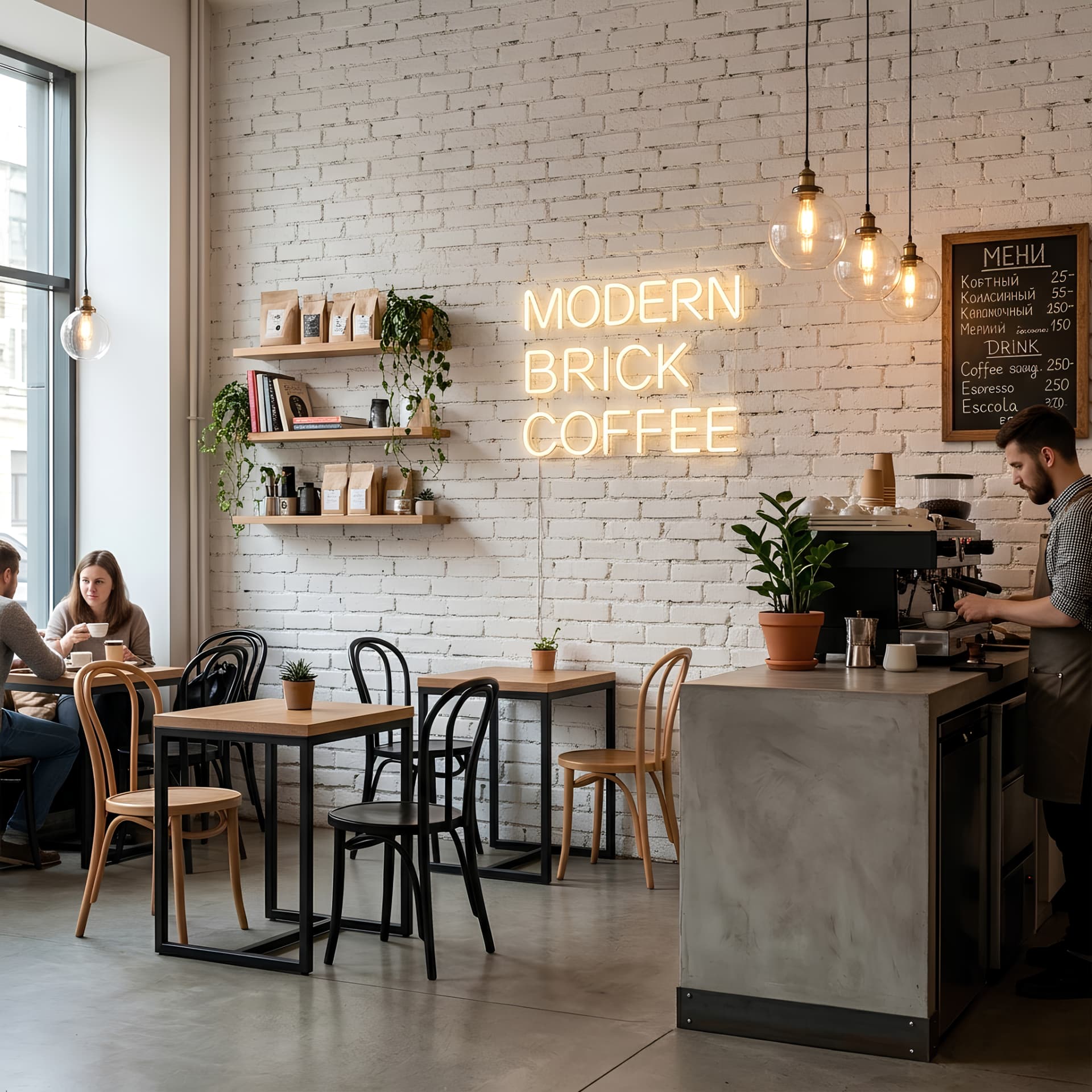
3D White Stone Brick Textile Wallpaper
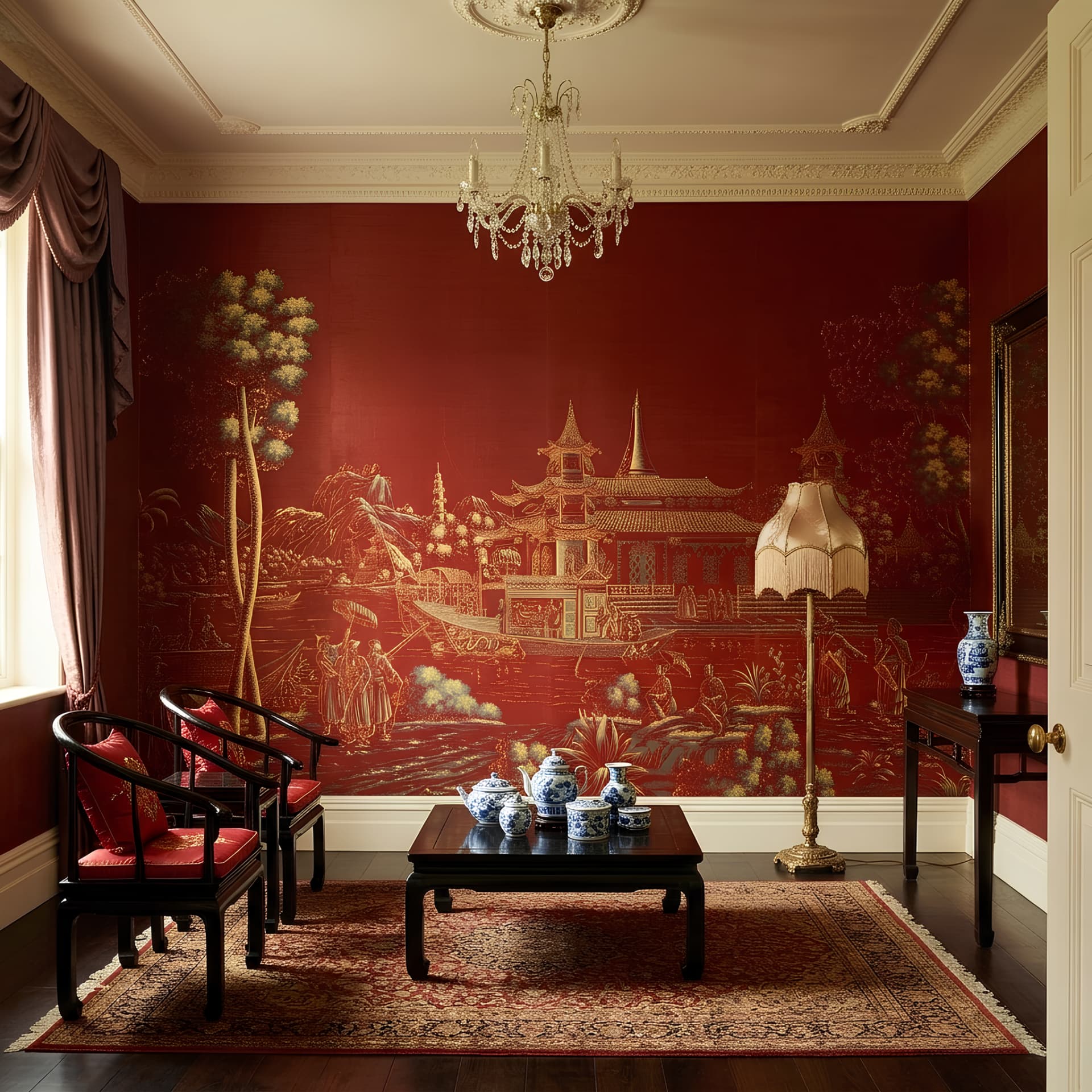
Classic Chinese Motif Burgundy Wallpaper
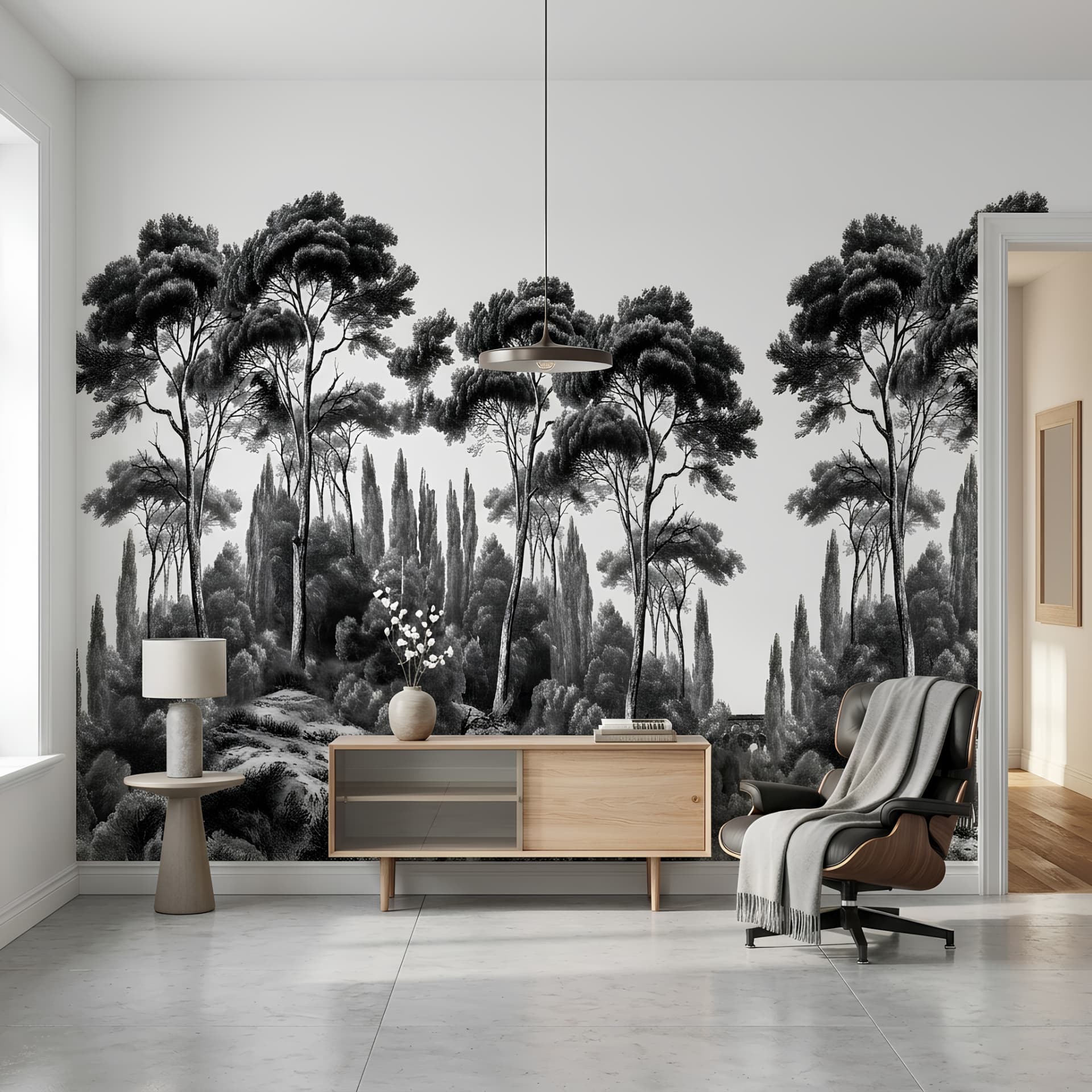
Black & White Vintage Forest Wipeable Wallpaper
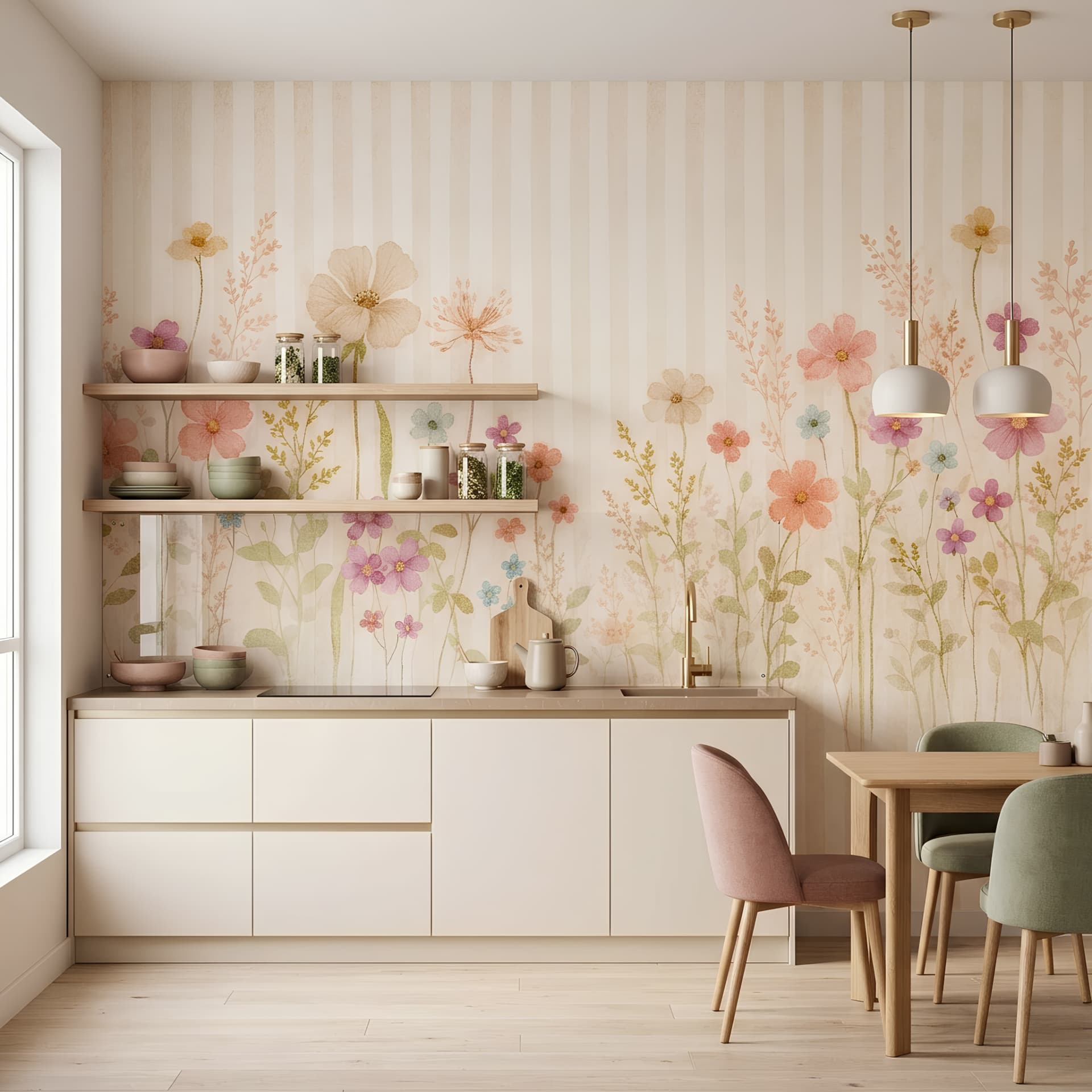
Pastel Spring Garden Striped Wallpaper
DA
Dekoartizan Tasarım Ekibi
Duvar kağıdı sektöründe uzmanlaşmış tasarım ve içerik ekibimiz, iç mekan dekorasyonu, malzeme bilgisi ve uygulama teknikleri konusundaki birikimlerini bu rehberlerde paylaşıyor. Tüm içerikler saha deneyimi ve güncel sektör verileriyle desteklenir.
İçeriklerimiz saha deneyimi ve sektörel uzmanlığa dayanır
vinyl wallpaperPVC wallpaperwashable wallpaperwaterproof wall coveringkitchen wallpapervinyl wallpaper price