Loading article…
ottoman wallpaperiznik tile wallpaperethnic wallpaper
Ottoman Wallpaper: Iznik Tiles, Tulips and Ethnic Cultural Motifs
Ottoman and ethnic motifs — Iznik tile, tulip, calligraphy and kilim — make a bold cultural statement in a modern home. The rules for using authentic patterns with balance.
D
By Dekoartizan Tasarım Ekibi··6 min read
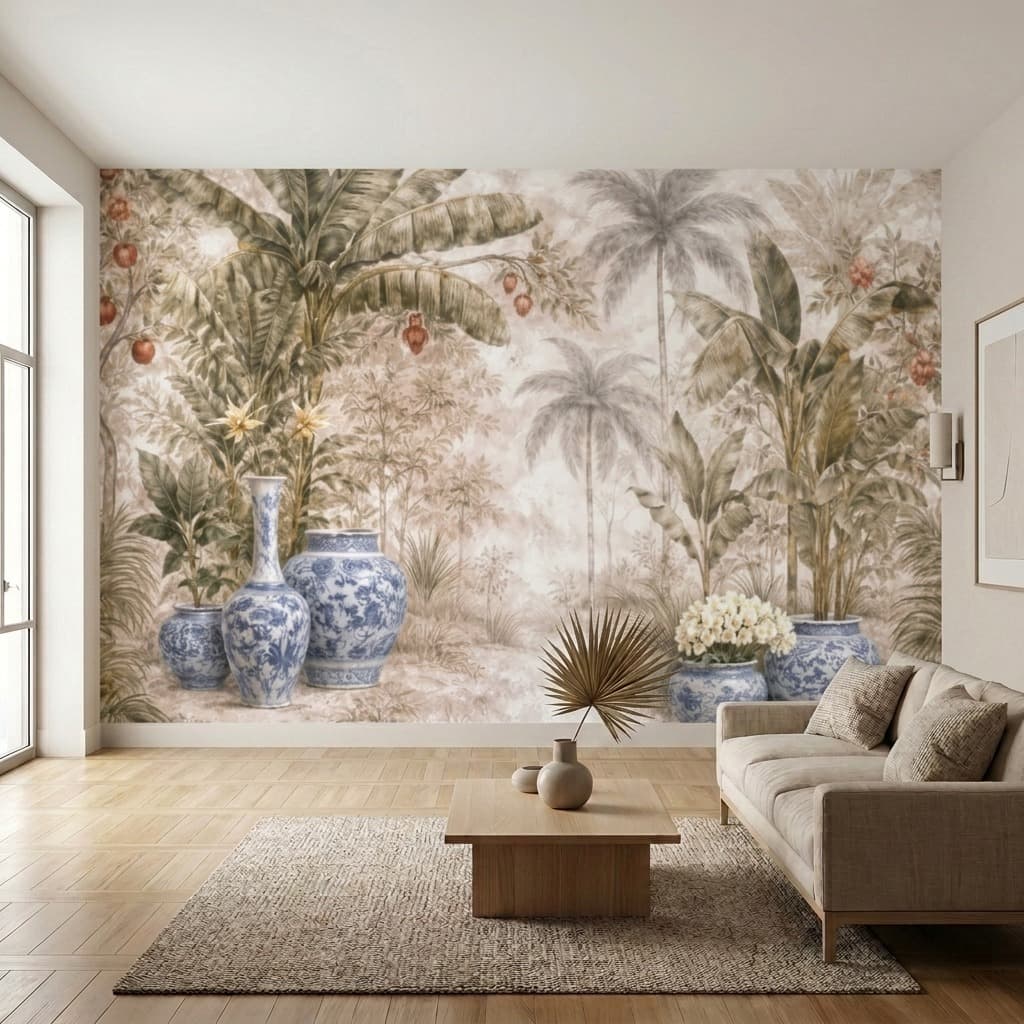
Ottoman wallpaper brings together the motifs that define a centuries-old visual language — Iznik tilework, tulip-carnation-hyacinth, the art of calligraphy, the imperial tughra and kilim patterns — giving a space a strong cultural identity and a real sense of roots. These patterns are bold by nature.
That's why the golden rule in a modern home is restraint: one accent wall in a cultural pattern, the rest neutral. In the right dose, an Ottoman motif ennobles a room; overdone, it turns into a museum display. With custom-size printing, these rich compositions are produced as a single seamless piece, made to fit your wall exactly.
Ottoman and Ethnic Motif Families
| Motif | Character | Where it works best |
|---|---|---|
| Iznik tile | Blue-white-coral, tulip-carnation-rumi | Living-room accent wall, dining room, entryway |
| Tulip / şükûfe florals | Stylised flower garden, classical-era elegance | Bedroom, sitting room |
| Calligraphy / tughra | The art of script, spiritual and calm | Study, entryway, prayer or quiet corner |
| Kilim / ethnic geometry | Anatolian motifs, warm earth tones | Rustic living room, hallway, café |
| Oriental landscape | Miniature and garden scenes | Dining room, boutique spaces |
Classic tile and oriental designs are close cousins of our vintage collection and the traditional pattern family.
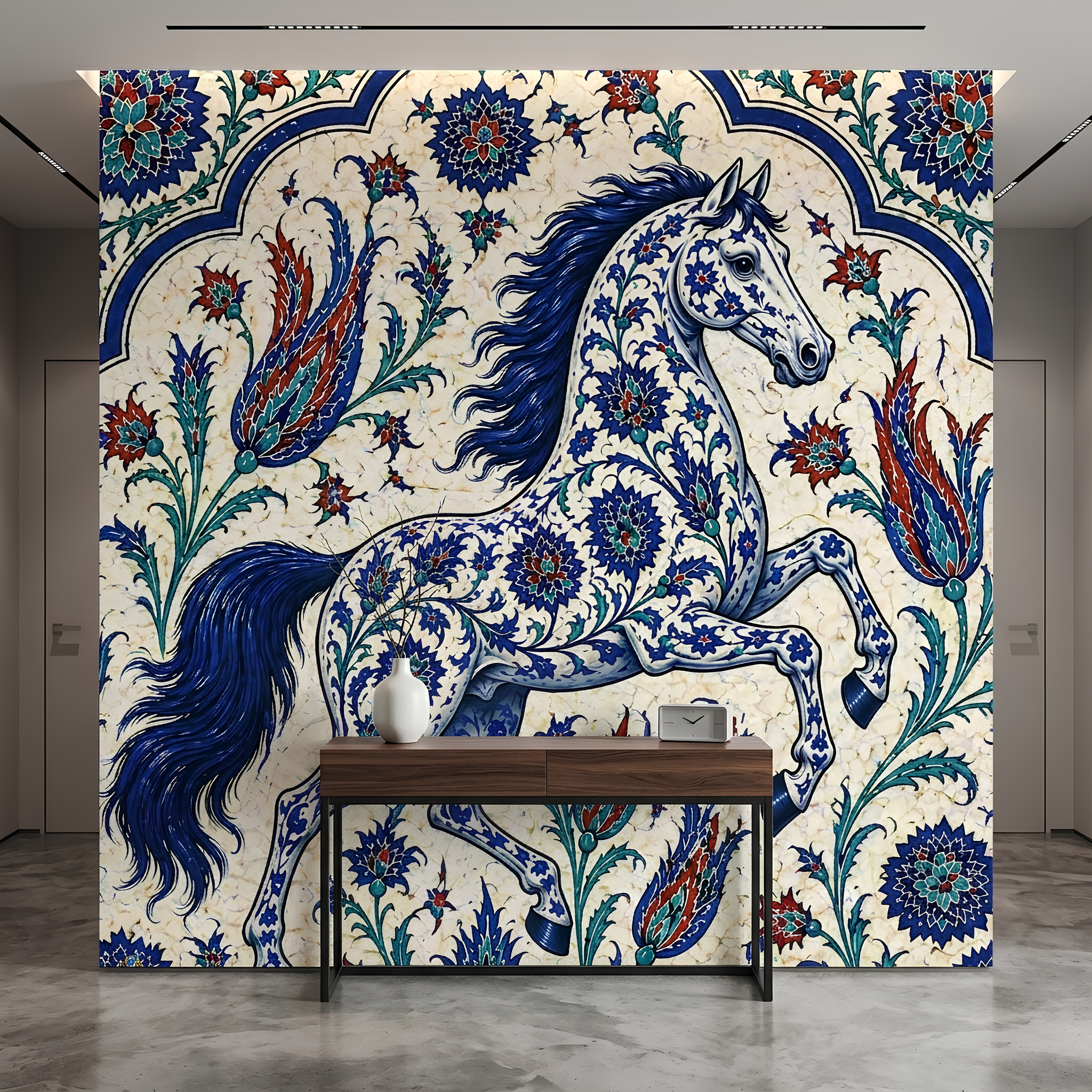
Which Room for an Ottoman Wallpaper Motif?
- Living room: Iznik tile on a single accent wall — the blue-and-white palette reads airy and noble. It pairs naturally with classic furniture and sets up a strong contrast against modern pieces.
- Dining room / entryway: a tulip garden or a tile border; the "this is a home that cares" welcome for guests.
- Study / quiet corner: calligraphy and tughra compositions create a calm, contemplative focal point.
- Café / restaurant: kilim and ethnic geometry are the fastest route to an authentic venue identity — café & restaurant guide.
Cultural Pattern in a Modern Home: The Rules of Balance
A bold cultural pattern succeeds when it is "less but right":
- One wall is enough: wrapping a tile pattern across all four walls overwhelms the room; a single accent wall is both striking and balanced.
- A neutral frame: keep the other walls in cream or stone tones and the furniture plain — the pattern then stands out like a painting.
- A colour bridge: repeat one colour from the pattern (Iznik blue, coral) in a cushion or accessory; the room pulls together.
- A modern reading: single-colour or large-scale contemporary takes on a traditional motif integrate more easily than the authentic version. Current approaches are in our trend report.
The World of Colour
The Ottoman palette is recognisable and powerful: Iznik blue and turquoise bring coolness and nobility; coral / tomato red is the classic accent; emerald green adds depth; and gold, used sparingly, adds luxury. Earth-toned kilim palettes, meanwhile, are ideal for warm, intimate spaces. Too much gold and heavy contrast can read as "too much"; in a modern home, limiting yourself to one or two dominant colours is the safest course.
Authentic or a Modern Take?
There are two routes. Authentic — a faithful Iznik or classical pattern, for traditional spaces and themed projects. A modern take — a simplified, single-colour or large-scale contemporary version of the motif, which slots easily into modern homes. For most residential projects a modern take is the more enduring choice; and if you want to print a specific tile panel or a family motif onto your own wall, the process is in our custom-design guide.
Price and Production
Cultural-motif models are produced at the standard rate: 850–1,050 TL/m² (2026); pattern density does not change the price. Rich tile compositions are produced as a single piece in custom-size printing and scaled precisely to your wall — so you avoid the problem of the motif being split at a seam, as happens with ready-made rolls. For measuring, see m² calculation; for pricing, the price guide.
A Short Story Behind the Motifs
Ottoman ornamental art is a language with meaning: the tulip evokes elegance and, through the harmony of its letters (abjad), the divine; the carnation and hyacinth evoke the garden of paradise; rumi and hatayi represent stylised botanical infinity. The blue-white-coral palette of Iznik tile is the signature of the 16th-century classical period. Knowing this context lets you use the pattern as "meaning" rather than mere "decoration" — which gives a space an identity that is rooted rather than superficial.
3 Common Mistakes with Ottoman/Ethnic Patterns
- Gold inflation: gold everywhere reads as "too much"; use it as a measured accent, never as the dominant colour.
- Tile on all four walls: a dense tile pattern overwhelms the whole room; the single-accent-wall-plus-neutral-frame rule is essential.
- Mixing styles: gathering Iznik, Moroccan and Indian motifs in one room creates cacophony; stay faithful to a single cultural language.
Lighting and Display
Tile and calligraphy panels turn into "wall paintings" with the right light. A directional spot brings out the depth of Iznik blue and the elegance of calligraphic lines. Placing calligraphy/tughra compositions at eye level and symmetrically strengthens the contemplative effect. A matte textile base mimics the texture of real tile, keeping the print from looking "plastic". A brass or wooden console in front of it, with a single authentic object, completes the cultural corner.
Frequently Asked Questions
Does an Ottoman/tile pattern suit a modern home?
It does — the key is the dose. With a single accent wall, a neutral frame and one colour bridge, a tile pattern becomes a noble focal point in a modern space. Overdone, it just reads as themed.
Which room is best for a cultural motif?
A living-room accent wall, the dining room and the entryway are the safest spots. Calligraphy/tughra shine in a study or quiet corner, and kilim stands out in a café or rustic setting.
Does an Iznik tile pattern look like real tile?
With high-resolution printing and a textured base it comes very close to the feel of tile; depth increases especially on a matte textile base. It gives a similar effect without the cost and installation difficulty of real ceramic.
Can I have a family or corporate motif printed?
Yes. We print a tughra, a coat of arms or a custom tile panel onto your wall at high resolution, made to measure; the process is explained in the custom-design guide.
From our shop
Wallpapers You Might Like
3D White Stone Brick Textile Wallpaper
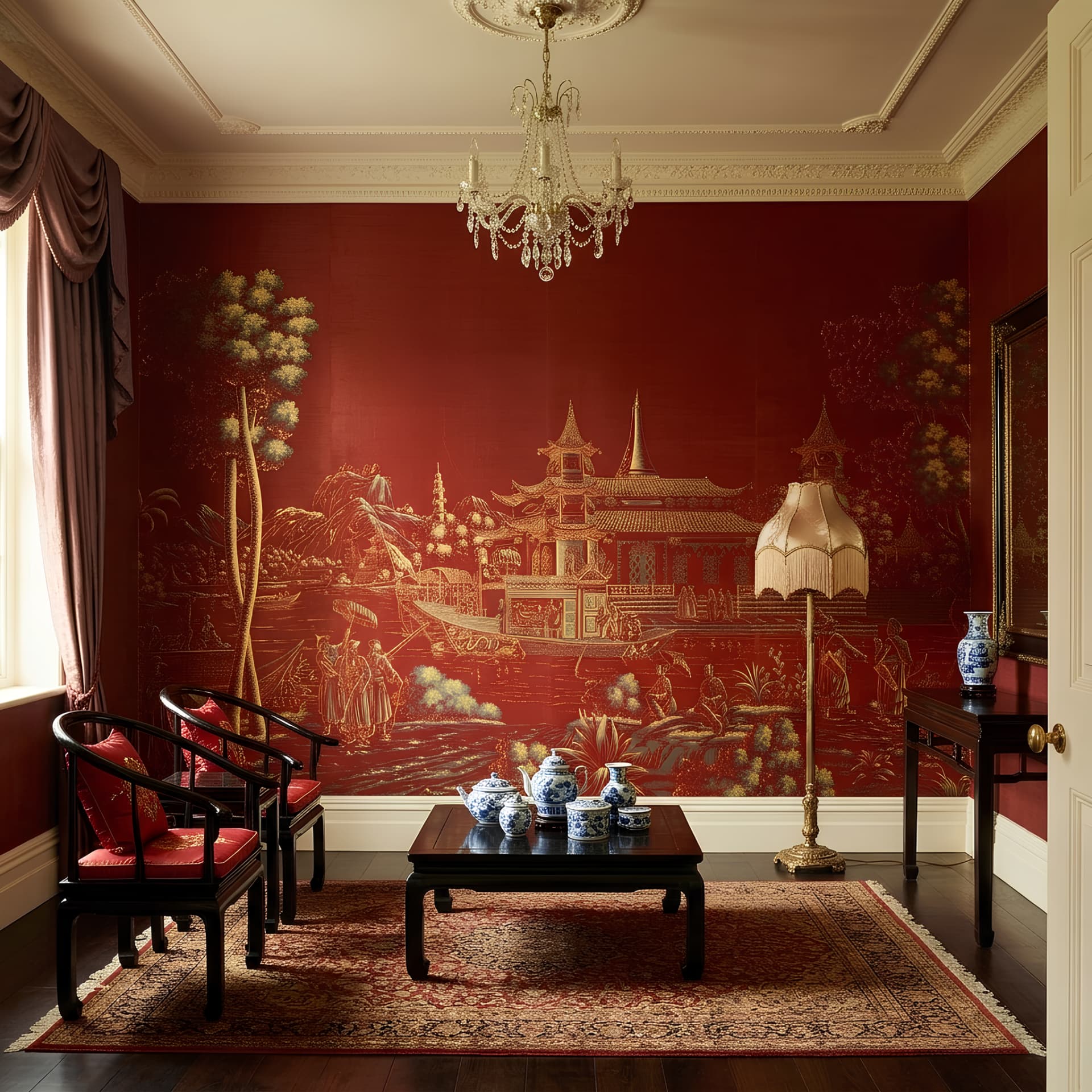
Classic Chinese Motif Burgundy Wallpaper
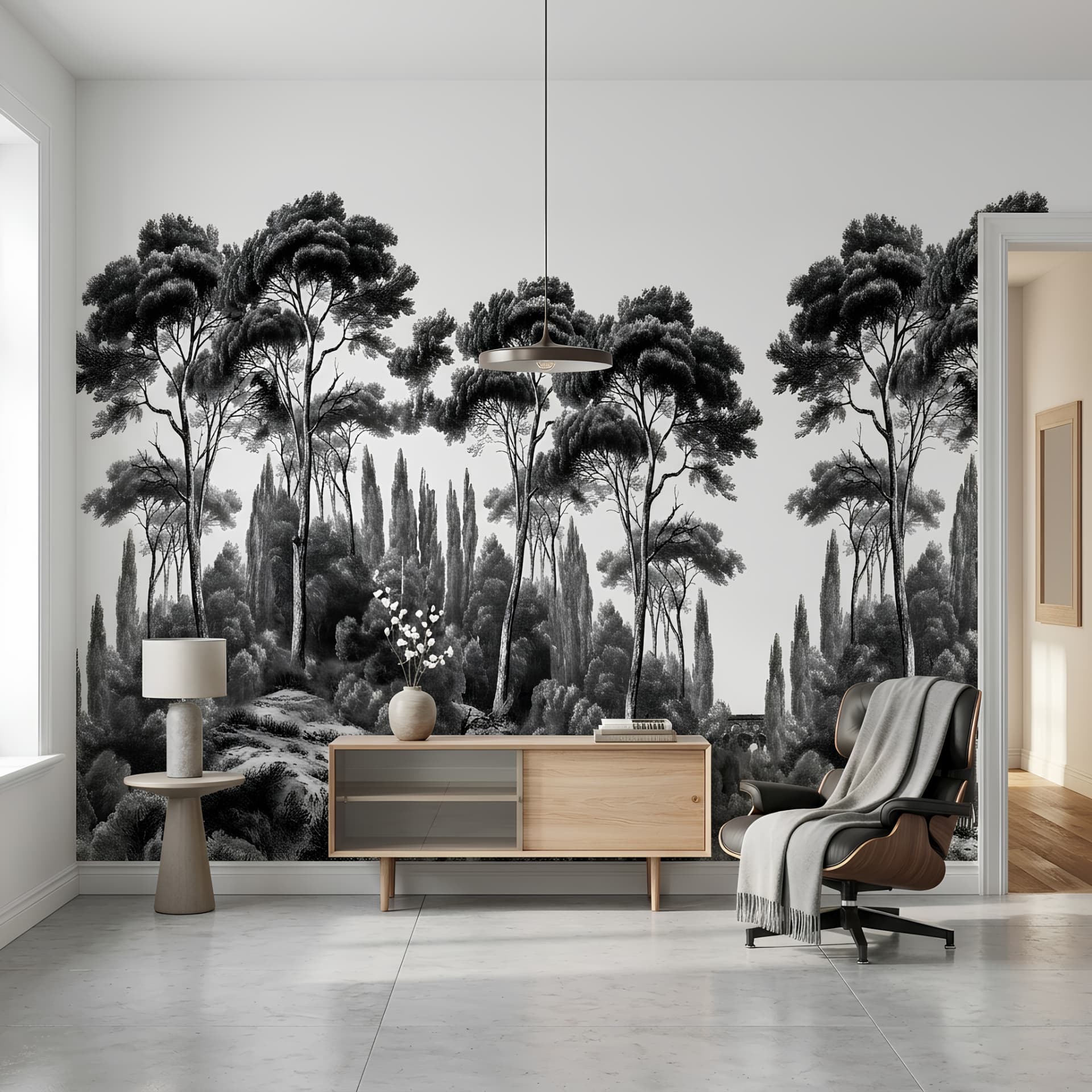
Black & White Vintage Forest Wipeable Wallpaper
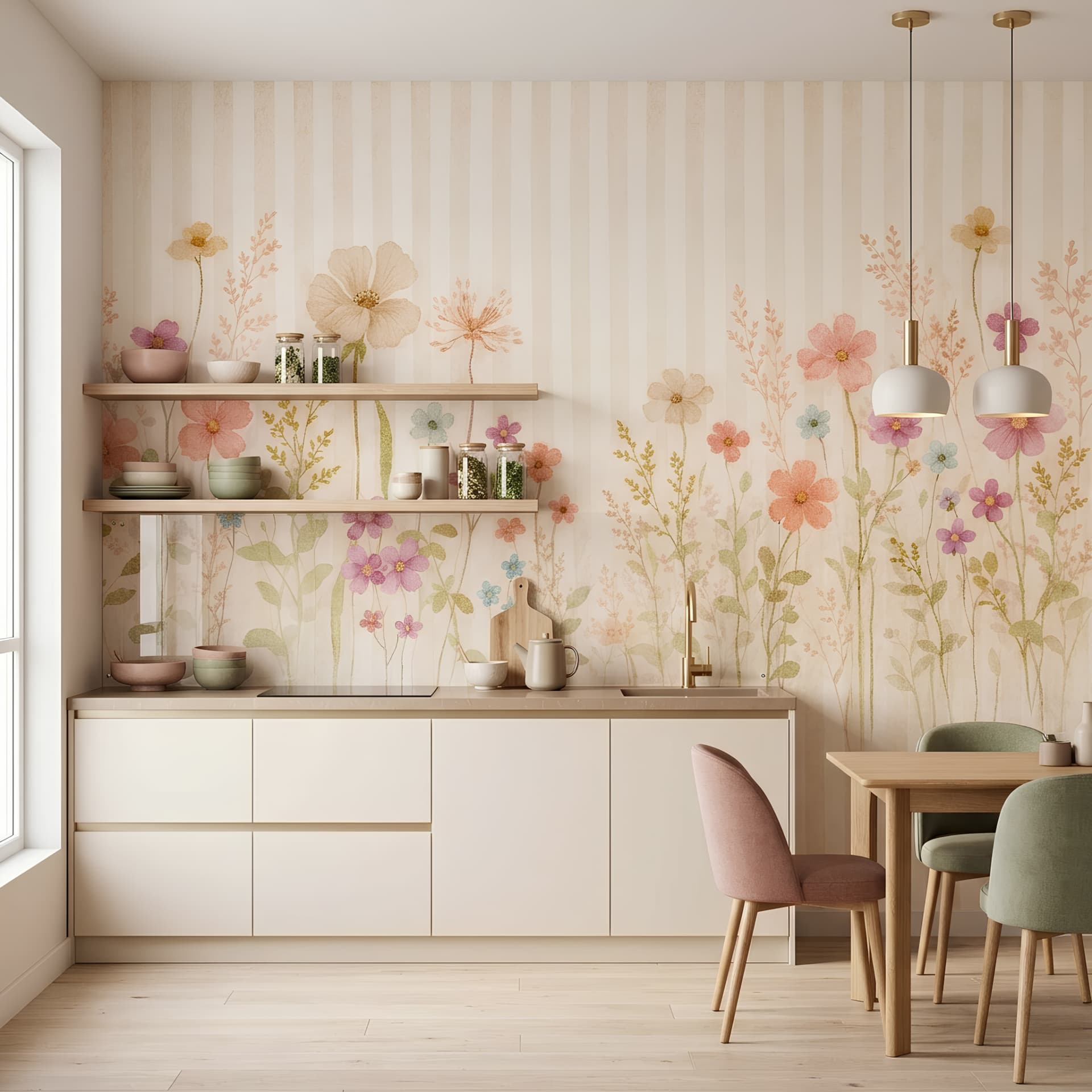
Pastel Spring Garden Striped Wallpaper
DA
Dekoartizan Tasarım Ekibi
Duvar kağıdı sektöründe uzmanlaşmış tasarım ve içerik ekibimiz, iç mekan dekorasyonu, malzeme bilgisi ve uygulama teknikleri konusundaki birikimlerini bu rehberlerde paylaşıyor. Tüm içerikler saha deneyimi ve güncel sektör verileriyle desteklenir.
İçeriklerimiz saha deneyimi ve sektörel uzmanlığa dayanır
ottoman wallpaperiznik tile wallpaperethnic wallpapermoroccan motifcultural patterntulip motif