Loading article…
wallpaper for small roomsmake a room look bigger3d wallpaper small room
Wallpaper Tricks to Make Small Rooms Look Bigger (2026 Complete Guide)
Wallpaper tricks to make narrow, small rooms feel larger, brighter and taller. A complete 2026 decorating guide with 3D, striped and light-toned wallpaper ideas.
D
By Dekoartizan Tasarım Ekibi··7 min read
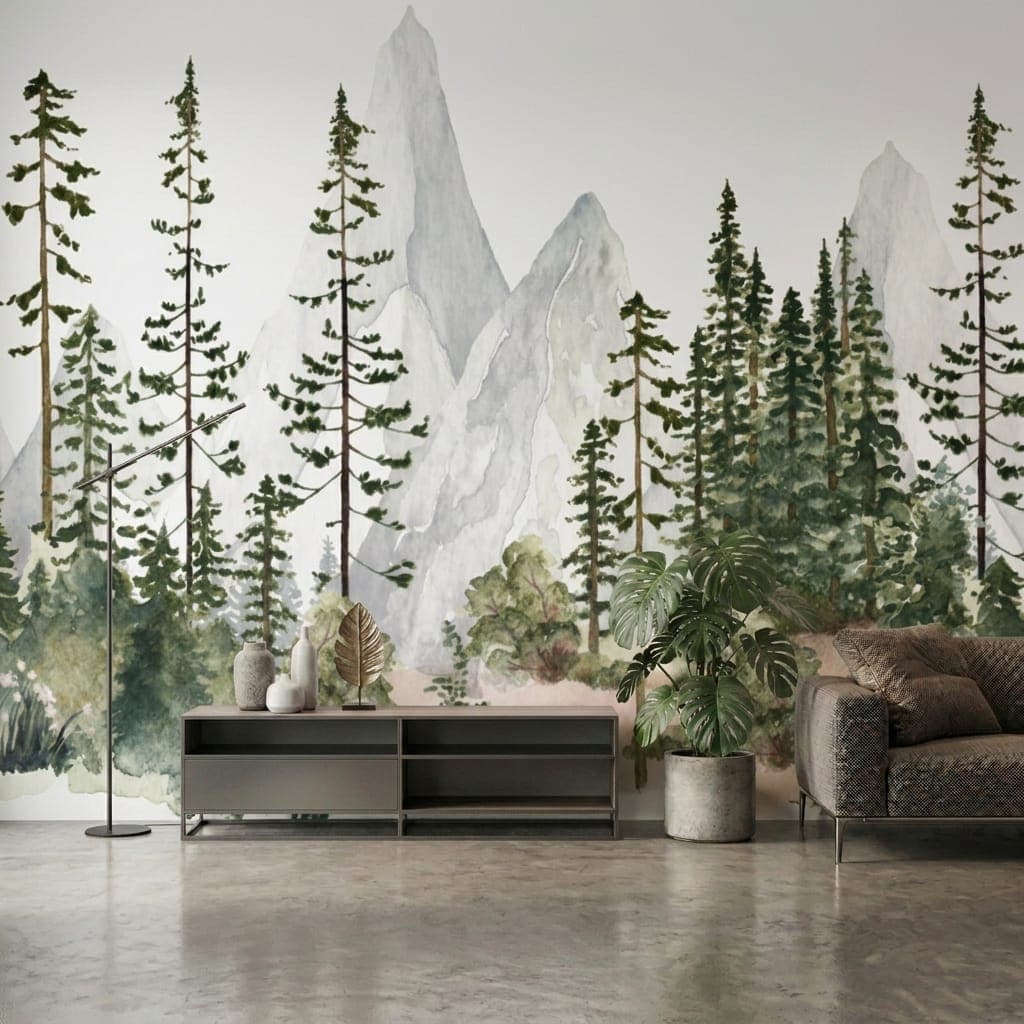
The Real Problem with Small Rooms: Square Footage or Perception?
As modern homes in big cities keep shrinking, studio apartments become the norm and minimalist living catches on, the right wallpaper for making tight spaces feel optically larger matters more than ever. Your room may have hard physical limits, but the square footage your brain perceives and the sense of breathing room it gives you are entirely within your control.
The right wallpaper does far more than add colour. It becomes an architectural tool that breaks down concrete walls, pushes them back, lifts the ceiling toward the sky and lets the room breathe. In this guide we share the tricks interior designers reach for most often on real projects.
Optical Illusion 1: The Surprising Power of Vertical and Horizontal Stripes
Everyone in fashion knows that vertical stripes make a person look taller, and the same rule applies to walls in interior design. For rooms with low or oppressive ceilings, vertical striped wallpaper guides the eye unconsciously from the floor upward, so the ceiling reads as higher than it really is.
For a room that feels like a long, narrow tunnel, applying horizontal striped wallpaper to the far end wall pulls the eye left and right and stretches the wall. That horizontal movement completely removes the cramped train-carriage feeling.
Optical Illusion 2: Break the Physical Boundaries with 3D Wallpaper
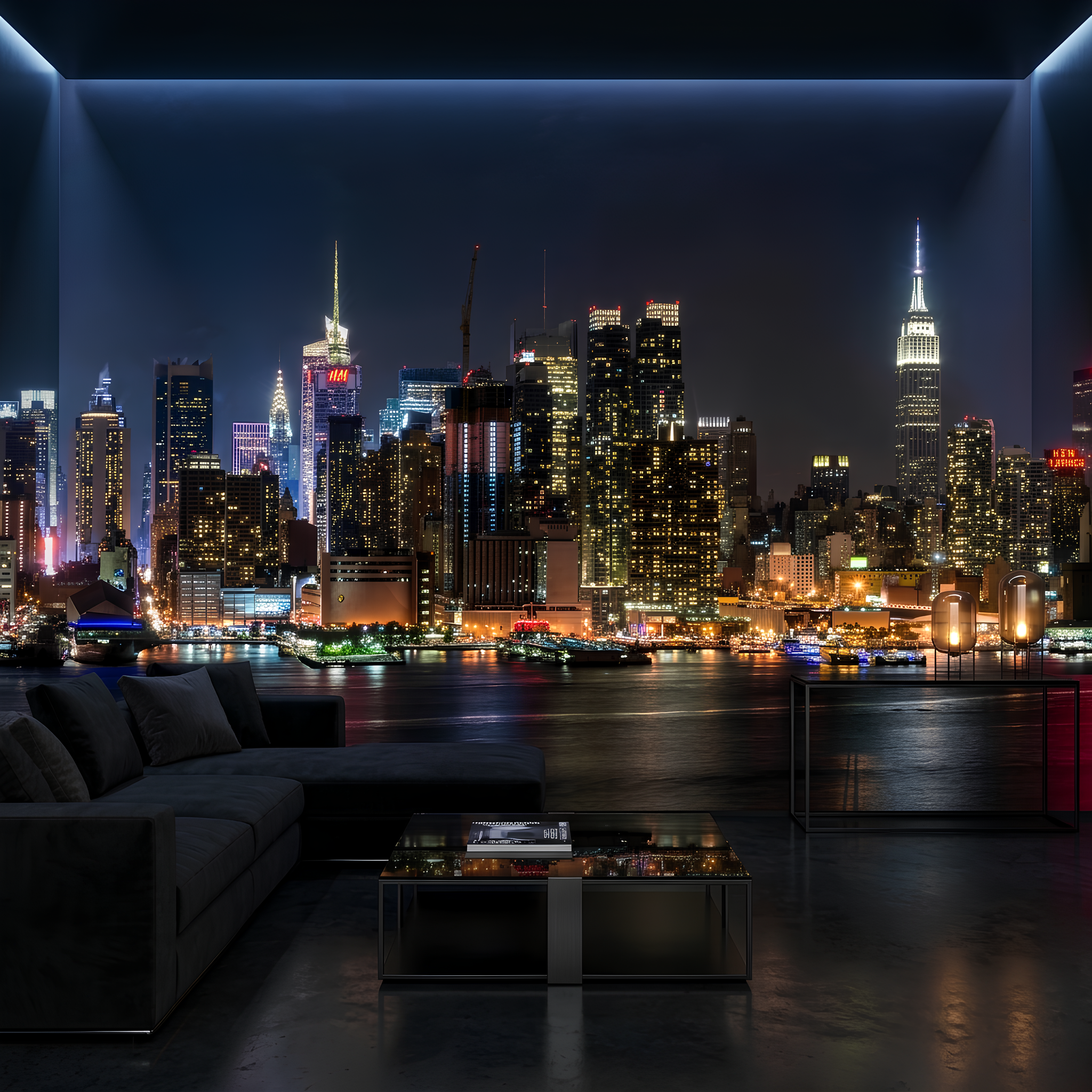
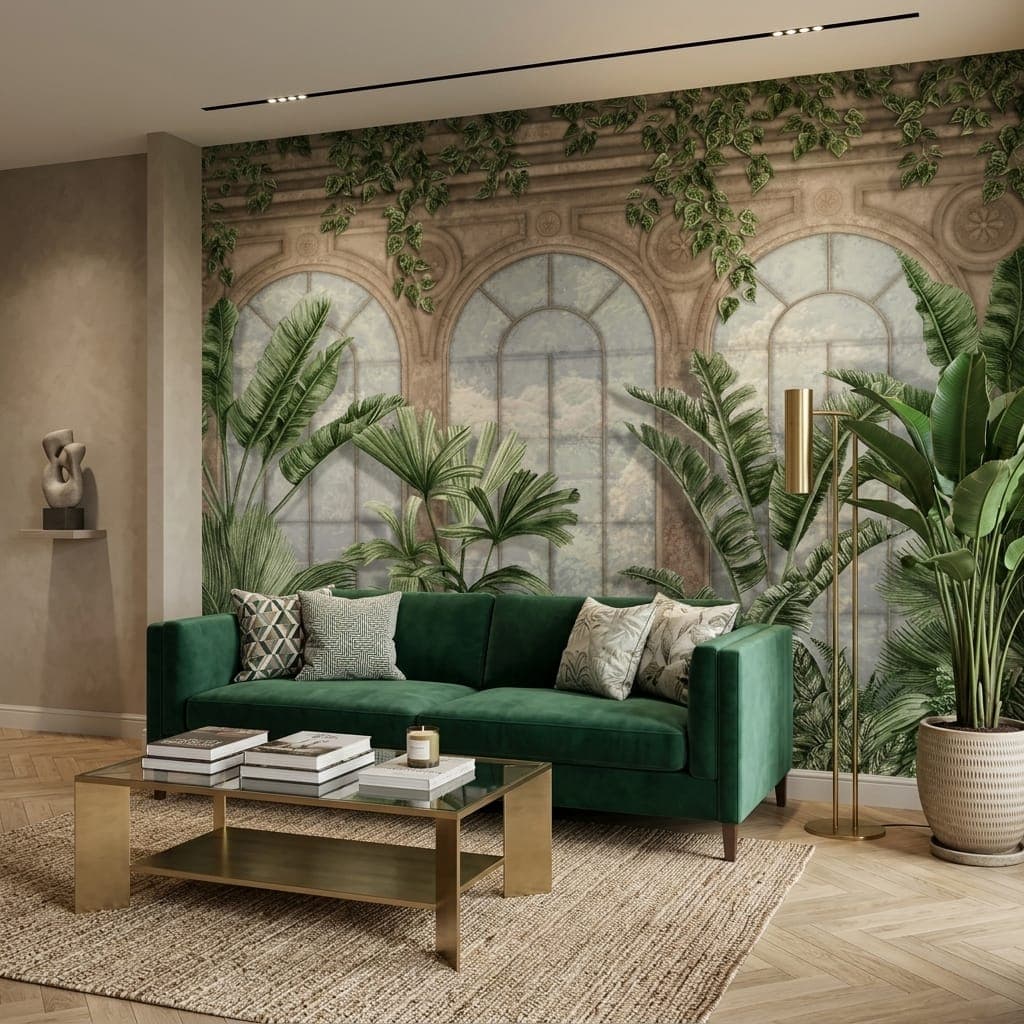
The boldest way to open up a small room is to erase, from the mind, the sense that the wall ends right there. 3D wallpapers and high-resolution digitally printed murals carry your line of sight beyond the concrete wall and give your small room real architectural depth.
A misty, layered pine forest, a wooden jetty stretching to the horizon, a faux French window view or a geometric tunnel receding into infinity... Wallpapers built on this kind of perspective and light-and-shadow trickery push your gaze past the concrete wall and ease that boxed-in feeling.
Optical Illusion 3: Light-Reflecting Metallic and Pearlescent Surfaces
Light is the lifeline of narrow, small spaces. If your room faces north and never gets enough daylight, avoid matt, dark, suede-textured surfaces that swallow light. Wallpaper designs with a silver, gold, rose-gold or pearlescent finish bounce even the faintest lamp light around the room like a mirror and add depth.
Optical Illusion 4: Colour Palette and Light Reflectance Value
Cool, pastel shades (ice blue, mint green, lavender, sage, pearl grey) visually push the walls away and make the space feel airy. In a small room, choose wallpapers in light, cool tones to create the sense that the walls are receding from you. Light colours with a high LRV (Light Reflectance Value) also bounce most of the room's light back, brightening the space.
Myth Busted: You Can Use Large Patterns in Small Rooms!
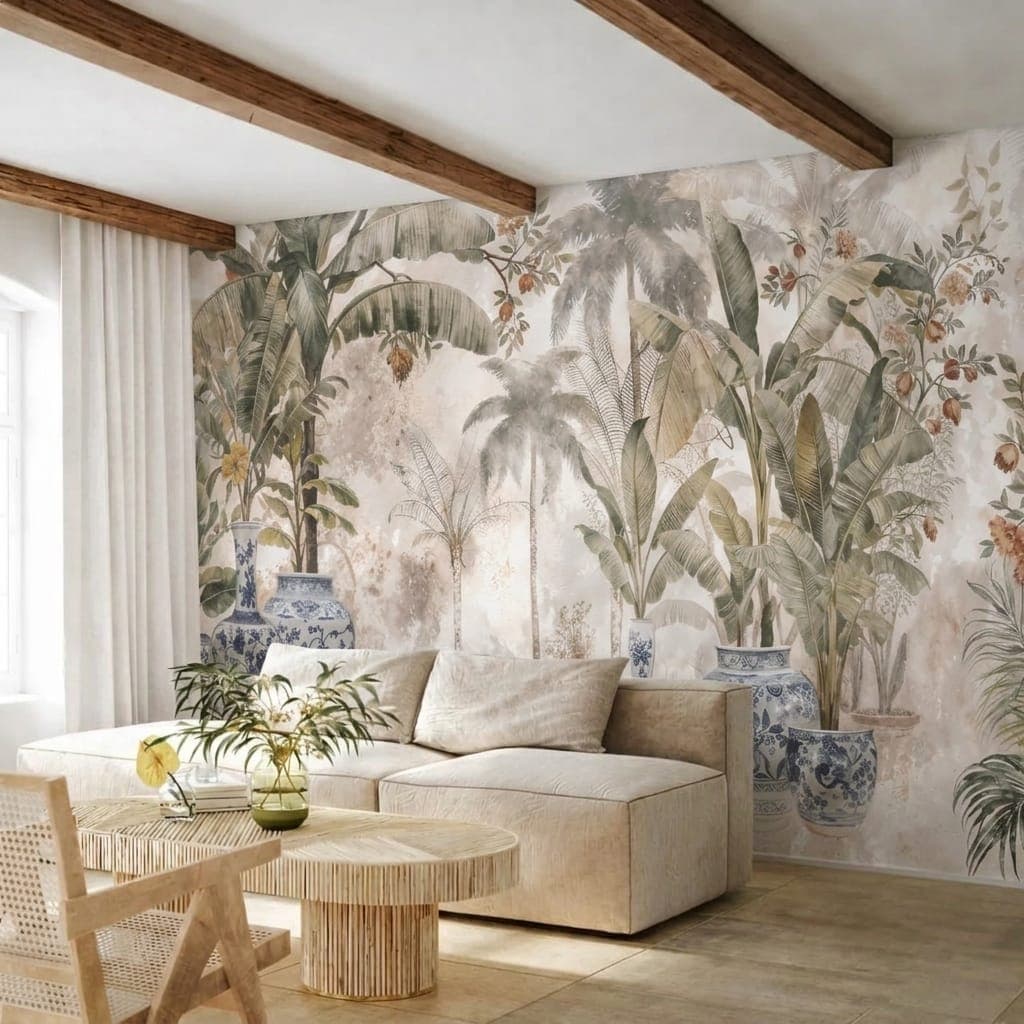
The old rule passed around for years, "only tiny patterns belong in small rooms," no longer holds in modern interior design. Small, busy patterns packed close together overload the eye and create chaos. The ideal solution is a large or medium-scale botanical or geometric design with generous negative space around it, applied to a single accent wall only.
Mistakes That Suffocate Small Rooms
- Covering all four walls in the same busy pattern: It creates claustrophobia. Fix: the accent wall technique, one wall only.
- Blocking the wall with large, bulky furniture: It cancels the entire perspective effect. Fix: choose slim-legged, minimalist pieces.
- Filling a patterned wall with framed art: It doubles the visual fatigue. Fix: leave the patterned wall bare and let the paper do the talking.
- Poor lighting: Even the best paper looks flat in dim light. Fix: add a floor lamp, wall sconces and indirect light.
Tailored Strategies by Room Type
| Room or problem | Best trick | Wallpaper choice |
|---|---|---|
| Low ceiling | Draw the eye upward | Vertical stripes |
| Long, narrow room | Shorten the tunnel | Deep-perspective scene on the short wall |
| North-facing, dim room | Bounce the light | Light, cool tones in a matt finish |
| Small living room | One accent wall | Light stone or wood-slat effect behind the sofa |
| Narrow hallway | Widen with horizontals | Scrub-resistant vinyl, light brick or damask |
| Small bedroom | Calm the headboard wall | Japandi bamboo, pastel or misty mountain |
| Guest WC | Go bold — the eye never tires | Oversized leaf or gilded pattern |
Small Living Rooms
A matt-textured, vertical wood-slat look or a very light grey natural-stone effect living room wallpaper on the wall behind the TV unit or the main sofa delivers a clean, calm result.
Narrow Hallways and Entryways
In hallways, vinyl wallpaper, with the highest scrub resistance and durability, is essential. Horizontal stripes, light-coloured brick looks or elegantly spaced damask patterns turn these oppressive transition zones into a stylish lobby.
Small Bedrooms
On the wall the headboard rests against, use a soft, restful bedroom wallpaper (Japandi-style bamboo, pastel watercolour or a misty mountain scene). If you choose mirrored wardrobe doors, the wallpaper reflects and doubles the apparent size of the room.
Small Bathrooms and Guest Cloakrooms
The smallest room is where you can be the boldest! Because no one lingers in a guest cloakroom, the eye never tires. With oversized tropical leaf prints or richly gilded patterns, turn this tight space into the most luxurious jewel box in your home.
Which Trick for Which Room Type?
Not every trick works with the same force in every room. In long, narrow rooms (hallway type), putting a deep-perspective scene on the short wall brings the room closer to a square; in small but square rooms, a light backdrop plus vertical rhythm is the most effective pairing. In low-ceilinged rooms always give priority to the vertical line. In windowless or poorly lit rooms, draw the brightness not from a light pattern background but from a matt yet light-coloured paper surface, because a glossy surface produces uncomfortable glare even in dim light.
The Mirror-Doubling Trick
A full-length mirror placed directly opposite the patterned wall reflects the composition and visually deepens the room's perceived space. The strongest result comes with deep-perspective scenes and botanical patterns; with busy geometric patterns the reflection can add clutter, so there, slide the mirror to a side wall. Picking the mirror frame in the pattern's background colour ties the two surfaces into a single composition, and no one realises it is a "trick".
The Ceiling and Skirting Detail
One last refinement: no matter how well the wallpaper is chosen, a dark ceiling and thick dark skirting turn a small room into a box. Keeping the ceiling a shade or two lighter than the wall and painting the skirting the wall colour visibly amplifies the spacious effect of the pattern. These two touches cost no more than paint and finish on the same weekend as the wallpaper.
Frequently Asked Questions
Which wall should the wallpaper go on in a small room?
It should go on the longest, clearest, uninterrupted wall that faces you as you walk through the door. This placement draws the visitor's attention straight to the farthest point and heightens the sense of depth.
Can dark wallpaper be used in small rooms?
Yes. Applied to a single wall with light-coloured furniture in front of it, dark colours create an illusion of depth. Just do not apply it to all four walls.
Does ceiling wallpaper work in small rooms?
Absolutely. A very light or fine linen-textured paper on the ceiling adds incredible height and airiness. Keeping the walls plain and patterning only the ceiling is a very modern approach.
Curated Picks for Small Rooms at DEKOARTİZAN
Thousands of modern patterns, 3D optical illusions and fully made-to-measure digitally printed murals are waiting for you. Free shipping, damage-proof roll packaging and delivery across all 81 provinces of Turkey.
Related Guides
If you are looking for more ideas for your small bedroom, read our bedroom wallpaper 2026 guide. Damage-free solutions for small rooms in a rented home are in our renters' guide. To plan your budget, take a look at our current price guide.
From our shop
Wallpapers You Might Like
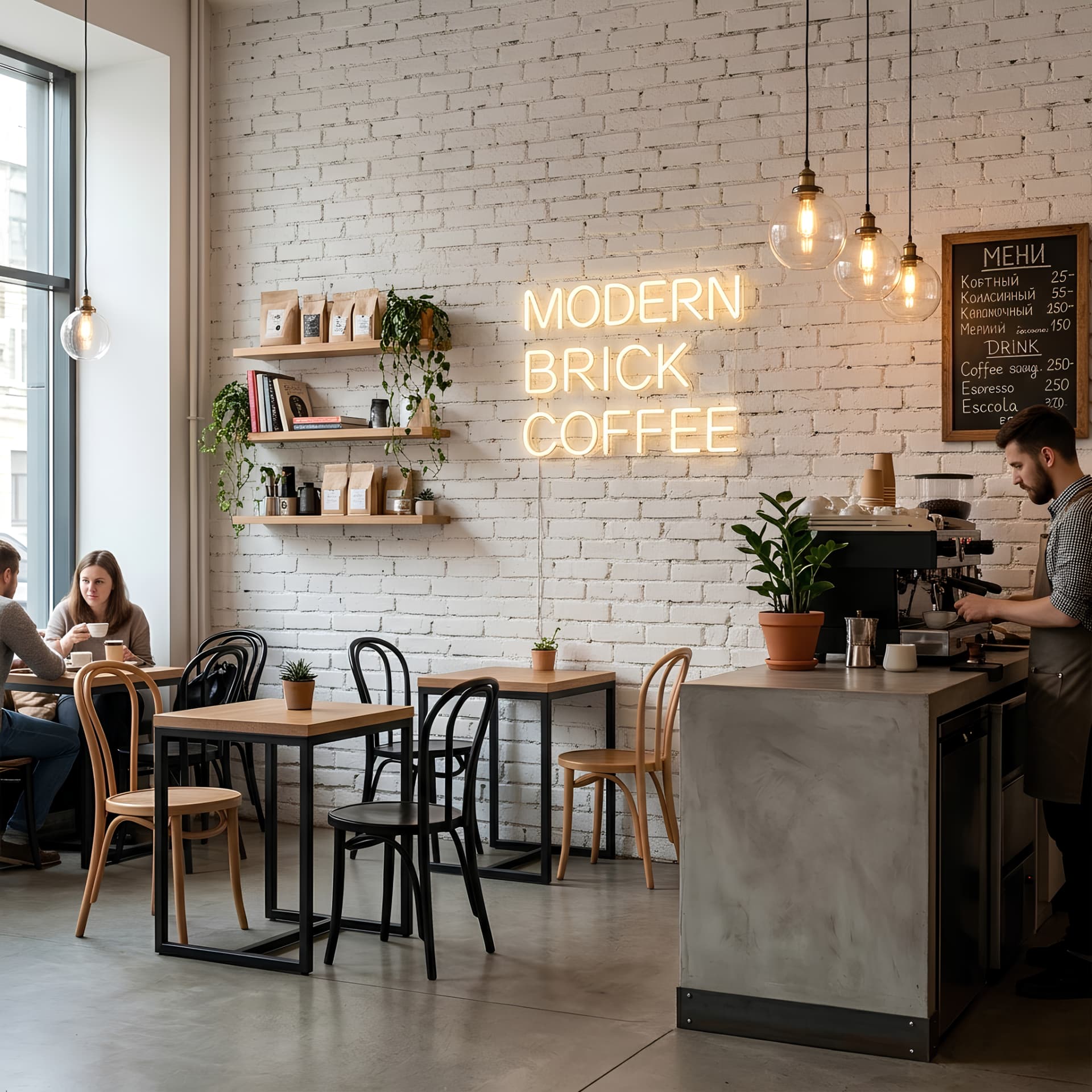
3D White Stone Brick Textile Wallpaper
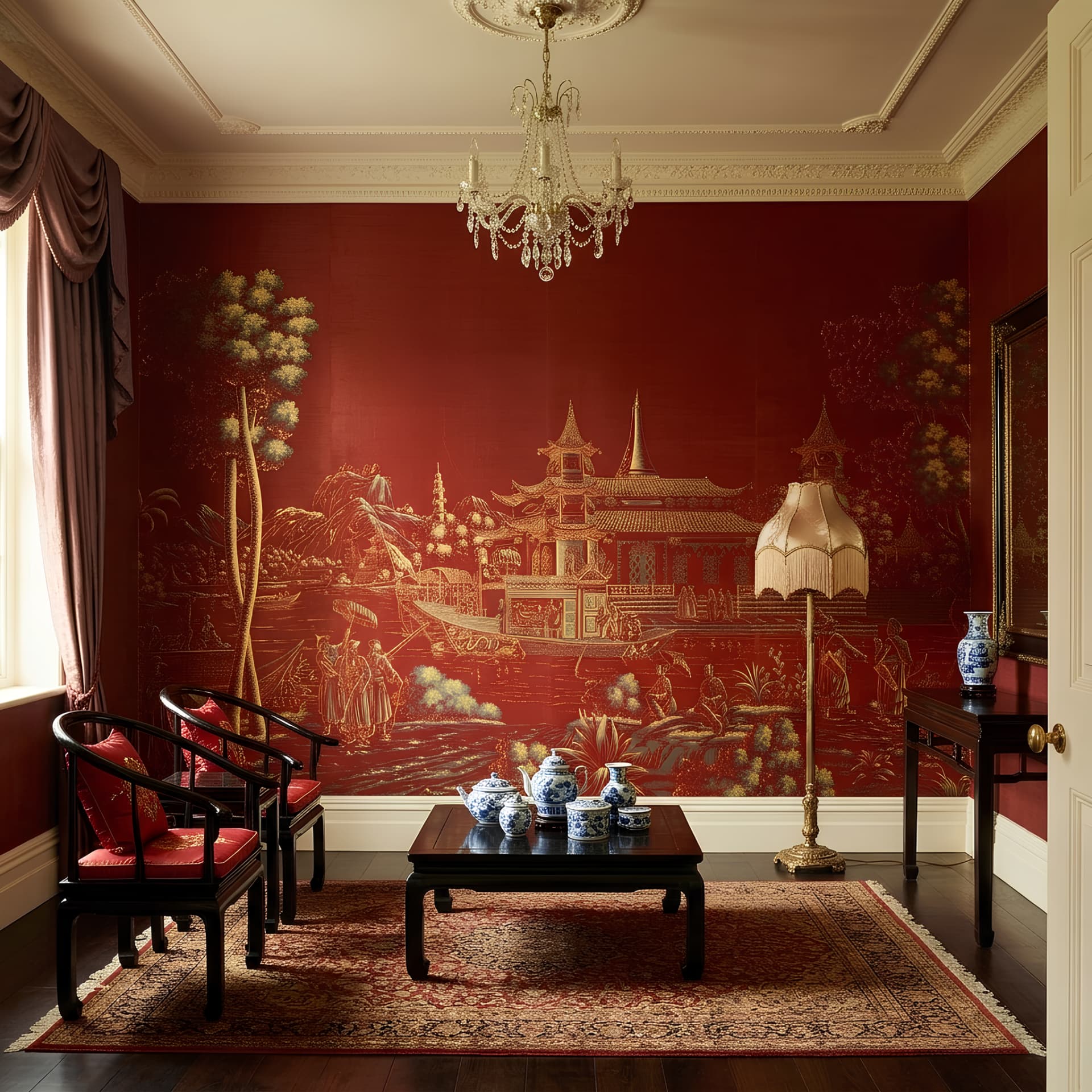
Classic Chinese Motif Burgundy Wallpaper
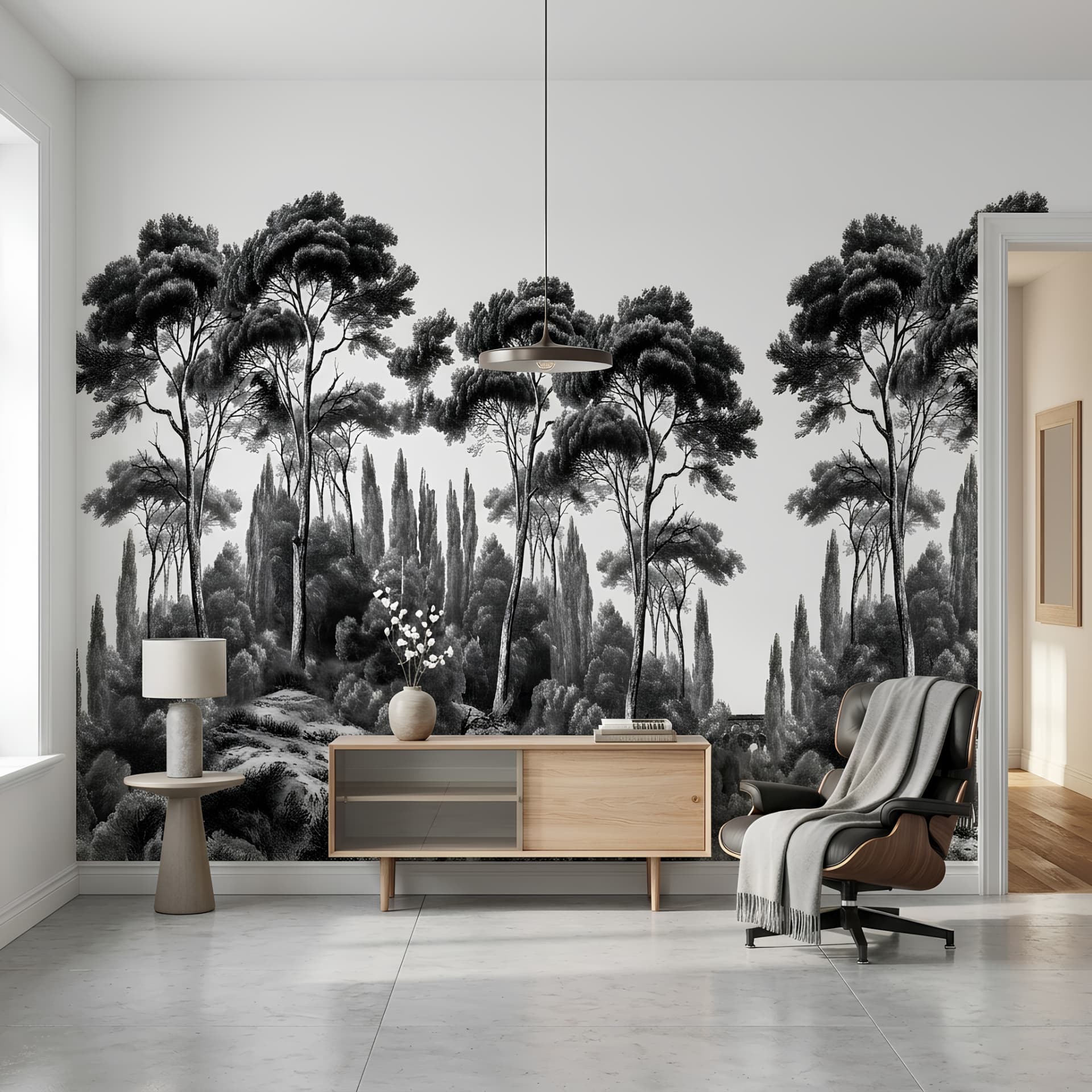
Black & White Vintage Forest Wipeable Wallpaper
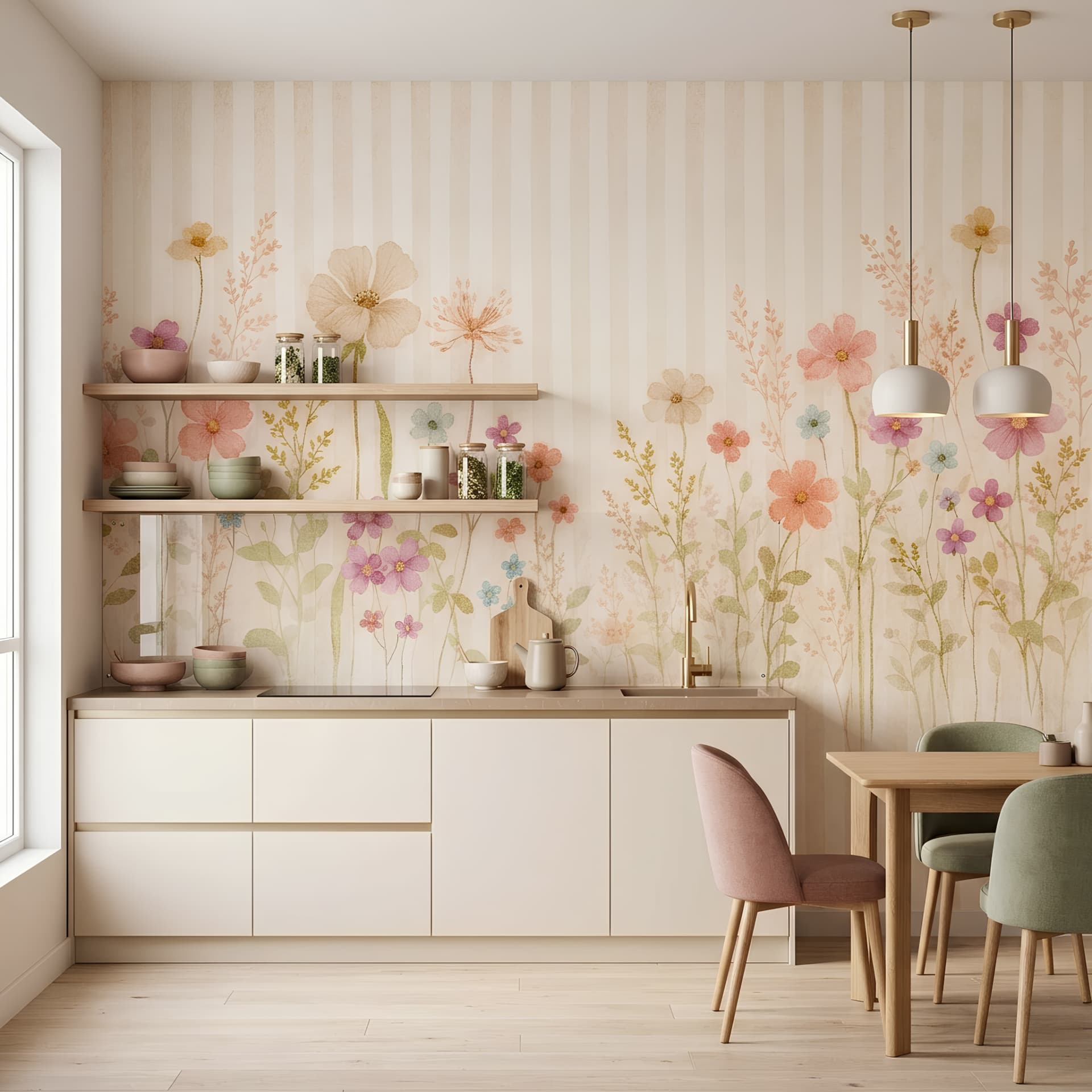
Pastel Spring Garden Striped Wallpaper
D
Dekoartizan Tasarım Ekibi
Dekoartizan Tasarım Ekibi, DEKOARTİZAN bünyesinde duvar kağıdı tasarımı ve iç mekan dekorasyonu alanında içerik üretmektedir.
İçeriklerimiz saha deneyimi ve sektörel uzmanlığa dayanır
wallpaper for small roomsmake a room look bigger3d wallpaper small roomnarrow hallway wallpaperaccent wall small room