Loading article…
retro wallpapermid-century moderngeometric wallpaper
Retro Wallpaper: 50s-70s Geometry and Pop Nostalgia
Retro wallpaper is the pop nostalgia of one specific era: atomic geometry, mod patterns, mustard and avocado green. A retro guide for kitchens, teen rooms and cafes.
D
By Dekoartizan Tasarım Ekibi··5 min read
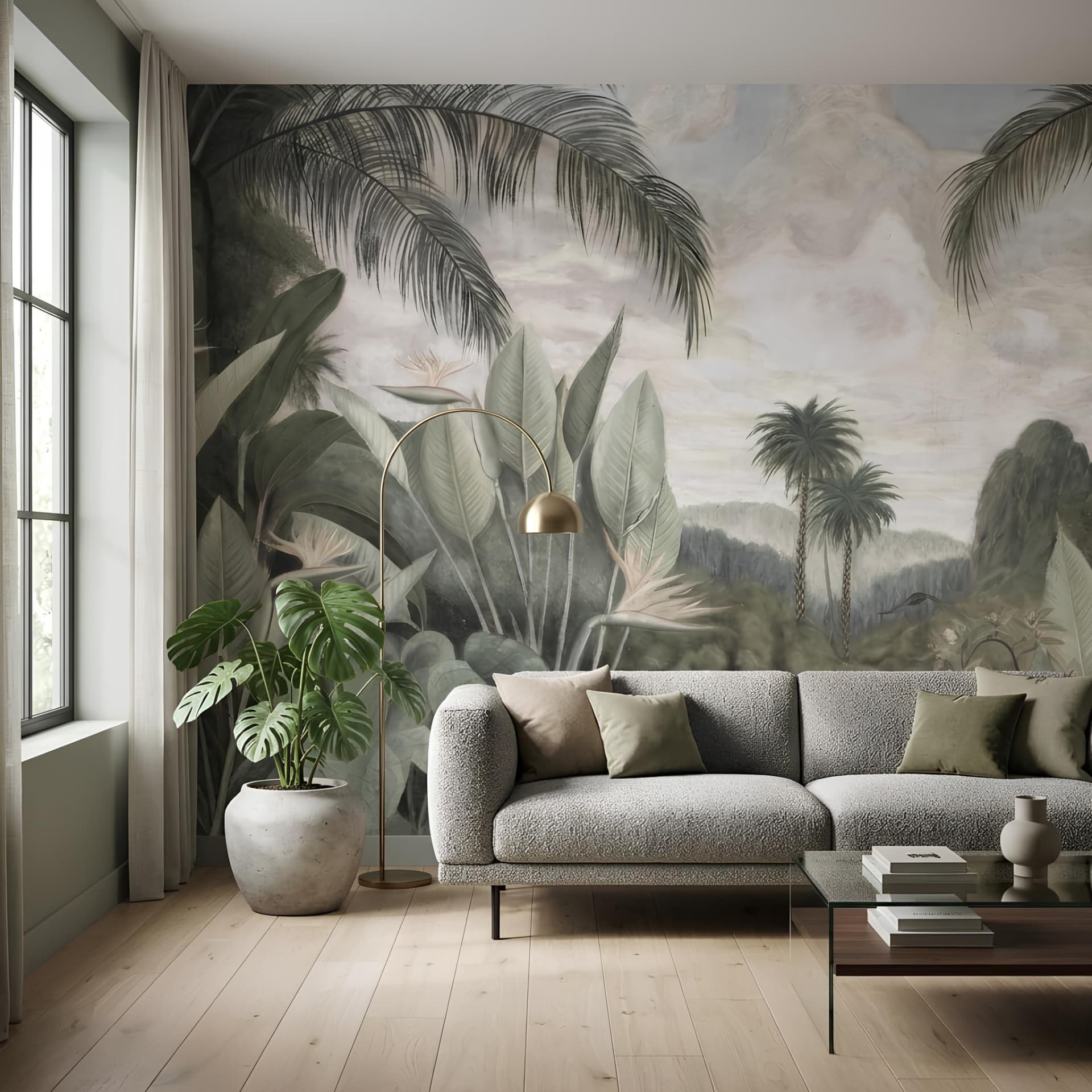
Retro wallpaper is vintage locked onto a particular era: the pop-culture aesthetic of 1950 to 1970 — atomic starbursts, mod circles, funky geometry and the signature shades of the decade (mustard yellow, burnt orange, avocado green).
If vintage is a general sense of "the past," retro is specific and cheerful; it fuses nostalgia with energy. It works best in the kitchen, the teen room, the cafe and the work nook. In a modern home the trick is to balance one or two retro accents against a plain backdrop.
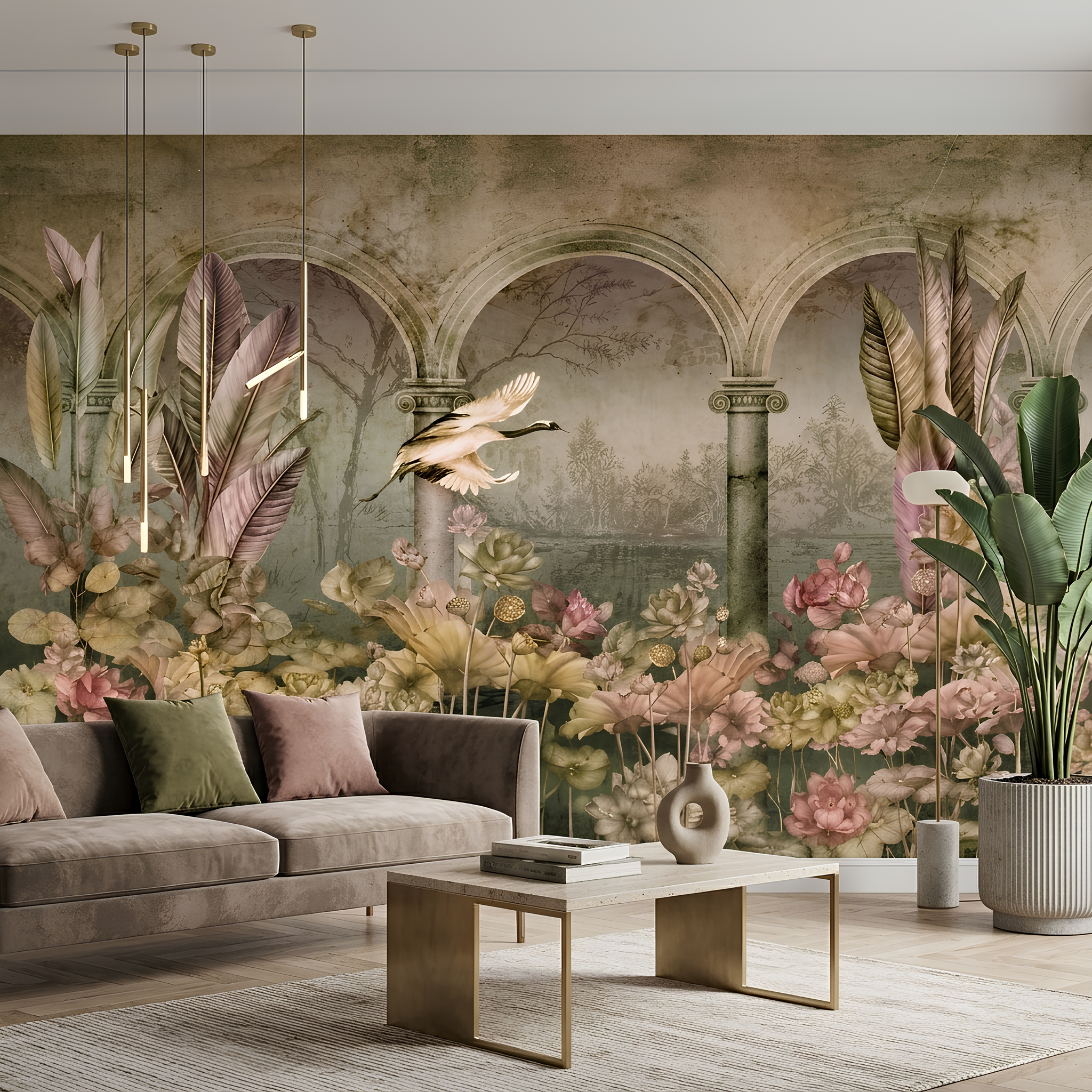
Retro Eras and Their Characters
| Era | Style | Typical pattern and color |
|---|---|---|
| The 50s — Atomic Age | Mid-century modern | Starburst, boomerang, atom; turquoise-coral-cream |
| The 60s — Pop / Mod | Op-art, geometric | Concentric circles, optical patterns; vivid contrasts |
| The 70s — Funk | Boho-disco | Waves, mandalas, oversized flowers; mustard-orange-brown |
Geometric retro patterns are cousins to the textured and 3D ranges, while funky florals relate to the floral designs.
The Retro Wallpaper Color Palette
Color is what dates retro to its era; without the right palette the geometry just reads as "modern":
- Mustard yellow: the signature of 70s funk; warm alongside charcoal and wood.
- Burnt orange and brick: an energetic retro accent; softens over a cream backdrop.
- Avocado / olive green: the most recognizable tone of the decade; a favorite in boho spaces.
- Turquoise and coral: the breezy duo of the 50s atomic age.
Which Room Suits Retro Wallpaper?
- Kitchen / dining nook: retro's natural home — an atomic or funky pattern on a wipeable base. See the kitchen guide and wipeable base.
- Teen / hobby room: pop and op-art geometry bring energy; the teen room guide.
- Cafe / restaurant: retro is the fastest route to an "Instagrammable" venue identity — the cafe and restaurant guide.
- Work nook: a single retro accent wall gives a dull home office some character.
Retro in a Modern Home: Avoiding the Theme Trap
Retro's biggest risk is looking like a "themed shop." Three balancing rules:
- One accent, plain backdrop: one retro wall, the rest kept flat; let the furniture stay contemporary. Contrast makes the retro look "chosen."
- Limit the number of colors: don't push past a three-color retro palette; more than that creates a carnival effect.
- Pair it with modern materials: retro pattern plus modern lighting or metal detailing keeps the decade in its sweet spot. Current pairings are in the trend report.
Retro or Vintage? A Quick Call
If you're torn: Do you want something tied to a specific era, vivid and geometric → retro. Something general, faded, nostalgic and "weathered" → vintage. Retro is cheerful and bold; vintage is calm and melancholic. In the right dose both are timeless; overdone, they turn into a period costume.
Price and Production
Retro patterns are produced at the standard rate: 850-1,050 TL/m² (2026); vivid colors add no extra cost. UV printing delivers a uniform result across wide single-color retro areas without clouding. To print a custom pattern from a specific era, see custom design; for sizing, m² calculation.
A retro kitchen wall earns its keep only if it wipes down. Behind a counter or hob, ask for the self-adhesive foil or a wipeable textile base rather than a plain matte paper; splashes of oil and tomato lift off a sealed surface but stain an untreated one. Away from the cooking zone — a teen room or a work nook — the softer textile base reads richer under lamplight.
Colour is the part people misjudge. Mustard, avocado and burnt orange all shift between daylight and a warm evening bulb, sometimes by a lot. Order a sample, tape it to the actual wall, and live with it for three evenings before you commit. Retro is loud by design, so the one wall you give it should be a colour you still like on the third night.
Lighting and Accessories That Complete Retro
A retro pattern is only half the story on its own; the spirit of the era is set by the objects. A Sputnik chandelier, colored glass pendants, honey-toned wood, a cane chair and a record player carry a retro wall from "costume" to "concept." In lighting, a warm tone and amber glass are the signature of that 70s feel. Don't overdo the accessories — the wall is already talking, so a few strong objects are enough.
Room-by-Room Retro Recipes
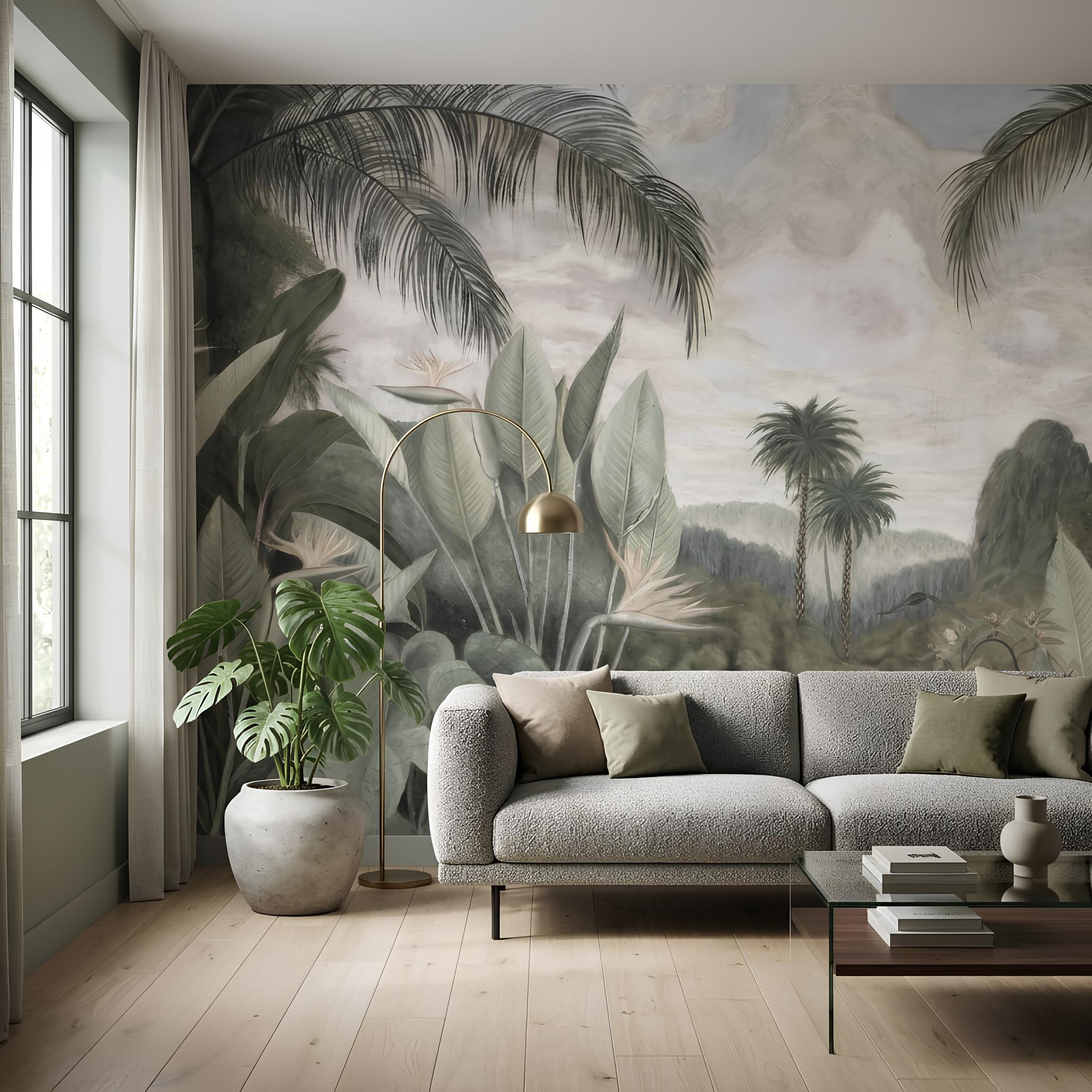
- Kitchen: atomic or funky geometry behind the counter on a wipeable base; turquoise-cream or mustard-white are the safest pairings.
- Teen room: a single op-art wall plus plain furniture; it adds energy without overwhelming the desk.
- Living nook: oversized 70s funk florals on a single accent wall; finished off with boho textiles.
- Home office: one retro accent becomes a personal signature that even shows up on video calls.
3 Common Mistakes with Retro Wallpaper
- Color inflation: five or six vivid colors create a carnival; keep the retro palette to three colors.
- Retro on all four walls: wrapping the whole room in geometry is dizzying; the single-accent-wall rule counts double with retro.
- No modern pieces: with no modern counterbalance the room becomes a "period museum"; one contemporary piece sweetens the tension.
Frequently Asked Questions
What is the difference between retro and vintage wallpaper?
Retro is the pop nostalgia of a specific era (the 50s-70s) — vivid color, geometry. Vintage is a general sense of aging and nostalgia — faded, engraved. Retro is cheerful, vintage is melancholic.
Which room suits retro wallpaper best?
Kitchens, teen and hobby rooms and cafes are retro's natural home. Energetic patterns never feel "too much" in these spaces; they build identity.
Do retro colors make a room look smaller?
Dark mustard or brown in a large pattern can shrink it; use that on a single accent wall. Light turquoise-cream retro, on the other hand, feels airy.
How do I fit a retro pattern into a modern home?
A single accent wall plus plain modern furniture plus a limited color palette. Contrast keeps retro nostalgic yet current.
From our shop
Wallpapers You Might Like
3D White Stone Brick Textile Wallpaper
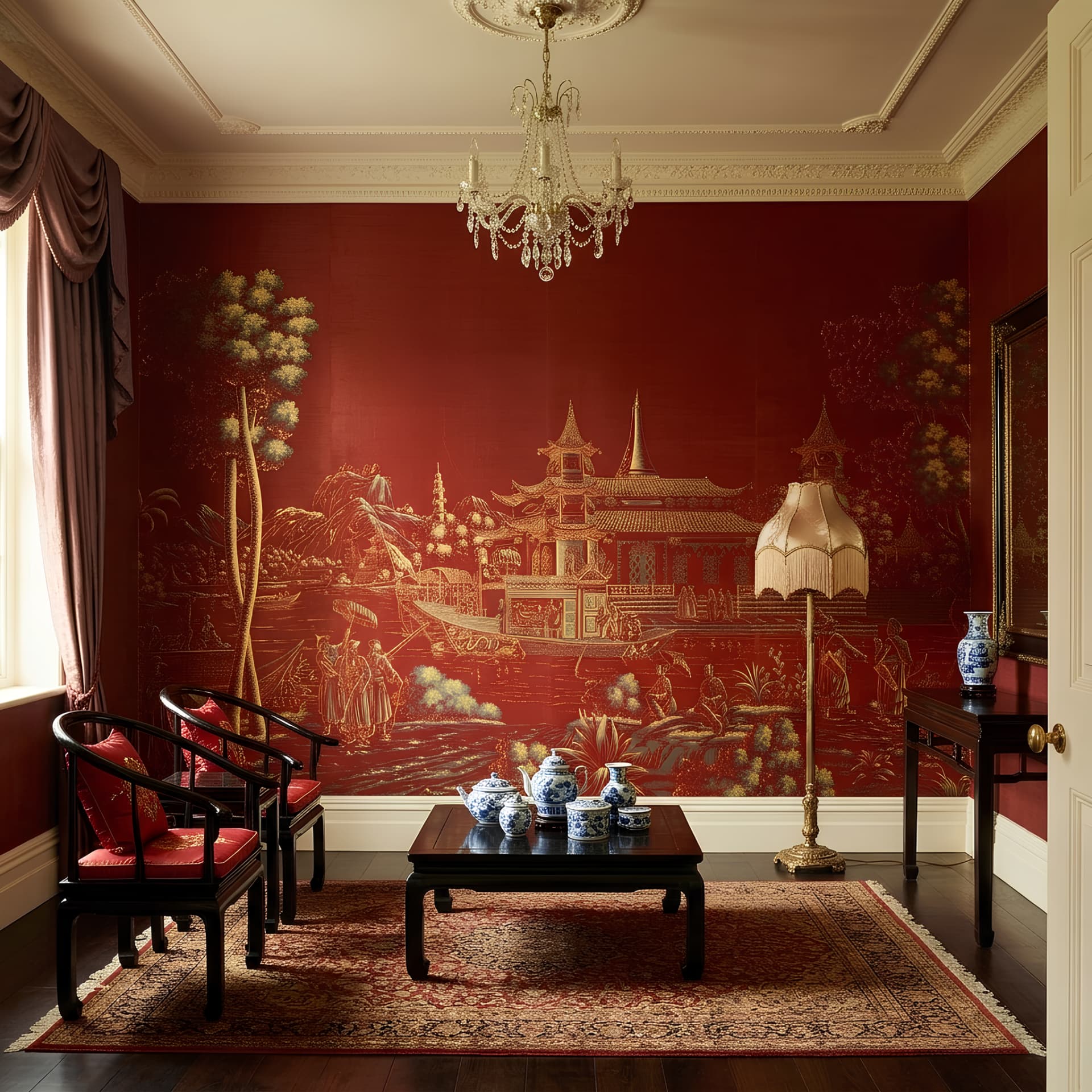
Classic Chinese Motif Burgundy Wallpaper
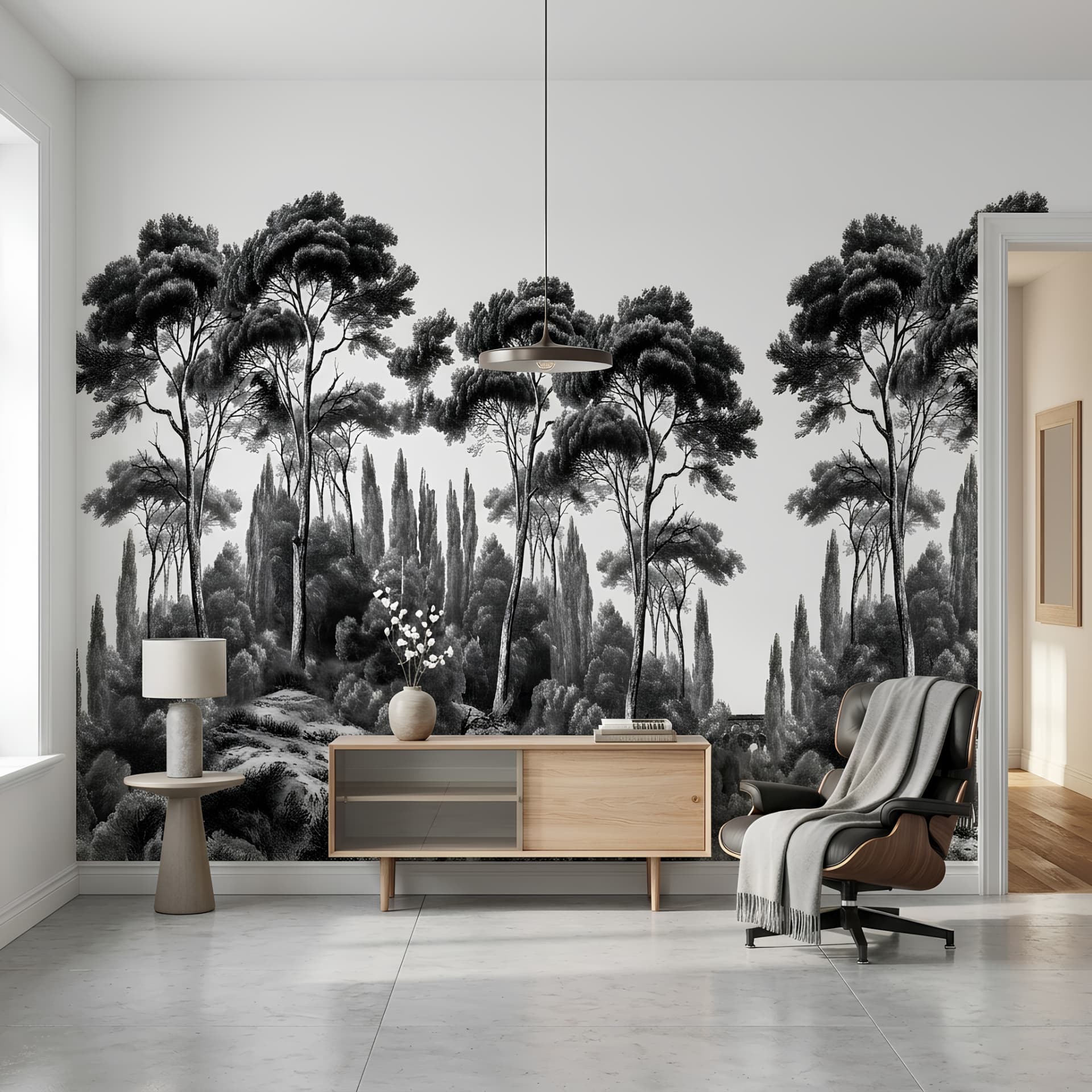
Black & White Vintage Forest Wipeable Wallpaper
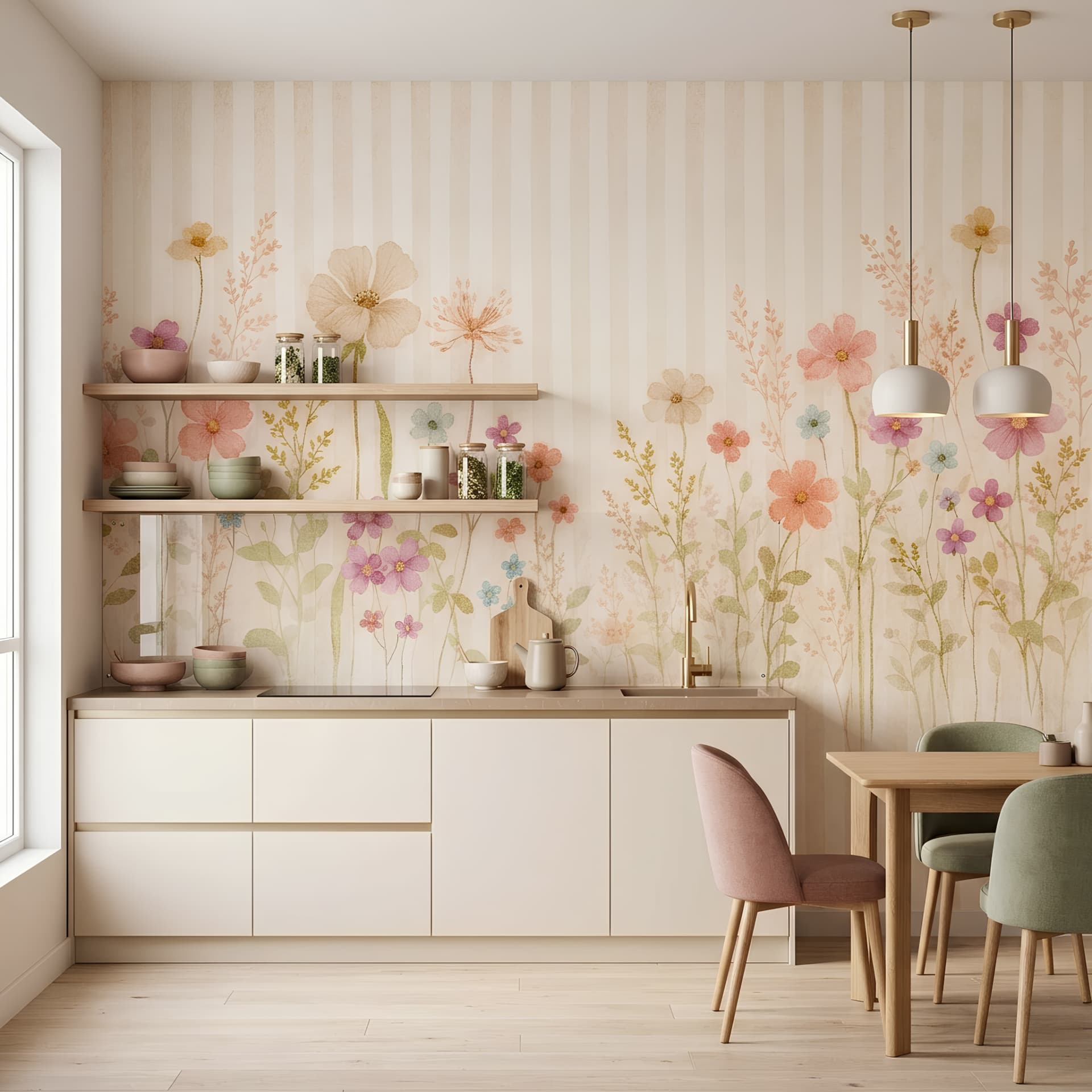
Pastel Spring Garden Striped Wallpaper
DA
Dekoartizan Tasarım Ekibi
Duvar kağıdı sektöründe uzmanlaşmış tasarım ve içerik ekibimiz, iç mekan dekorasyonu, malzeme bilgisi ve uygulama teknikleri konusundaki birikimlerini bu rehberlerde paylaşıyor. Tüm içerikler saha deneyimi ve güncel sektör verileriyle desteklenir.
İçeriklerimiz saha deneyimi ve sektörel uzmanlığa dayanır
retro wallpapermid-century moderngeometric wallpaper70s decoratomic agefunky print