Loading article…
stone effect wallpaperbrick wallpapermarble wallpaper
Stone Effect Wallpaper: Stone, Brick, Marble & Concrete Looks
Stone, brick, marble and concrete effect wallpaper: the same look as real cladding at a third of the cost. A pattern-by-pattern guide and where to use each one.
D
By Dekoartizan Tasarım Ekibi··8 min read
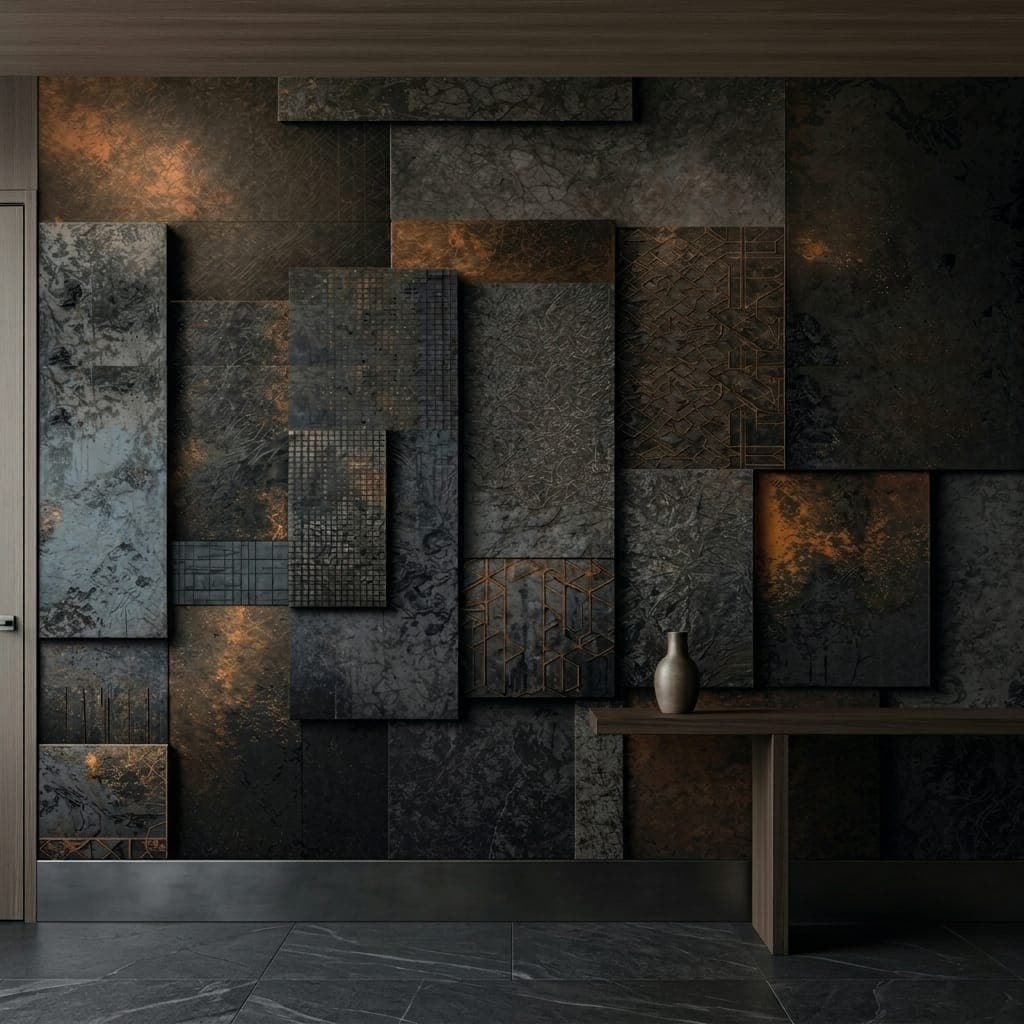
Stone effect wallpaper gives you the look of real stone or brick cladding at roughly a third of the cost, with zero load on the wall and in a single day.
Four looks lead the way in 2026: grey textured stone (the classic behind the TV), red/white brick (loft and cafe style), Calacatta-Carrara marble (bathrooms and modern living rooms) and aged concrete (industrial offices). They all share one price — 850-1,050 TL/m², printed as a single panel to your wall measurements.
Real Stone Cladding or Stone Effect Wallpaper?
A concrete comparison (10 m² TV wall, Istanbul 2026):
- Real natural/cultured stone: material plus fitter 2,000-3,500 TL/m² → 20,000-35,000 TL; a dusty 2-3 day job; serious load on the wall; removal means demolition.
- Stone effect wallpaper: 850-1,050 TL/m² → 8,500-10,500 TL; a clean half-day install; zero load; damage-free removal.
The tactile feel stays with real stone; the visual impact and the budget-speed balance go to wallpaper. If you rent, the decision is already made: tenant's guide.
A Look-by-Look Guide
Grey Stone and Slate Looks
The number-one choice behind the TV. Because the grout shadows are worked in with a digital embossing effect, they are indistinguishable from the real thing at one to two metres. The matte textile base does not reflect either — there are install notes in the guide to wallpaper behind the TV.
Brick Looks
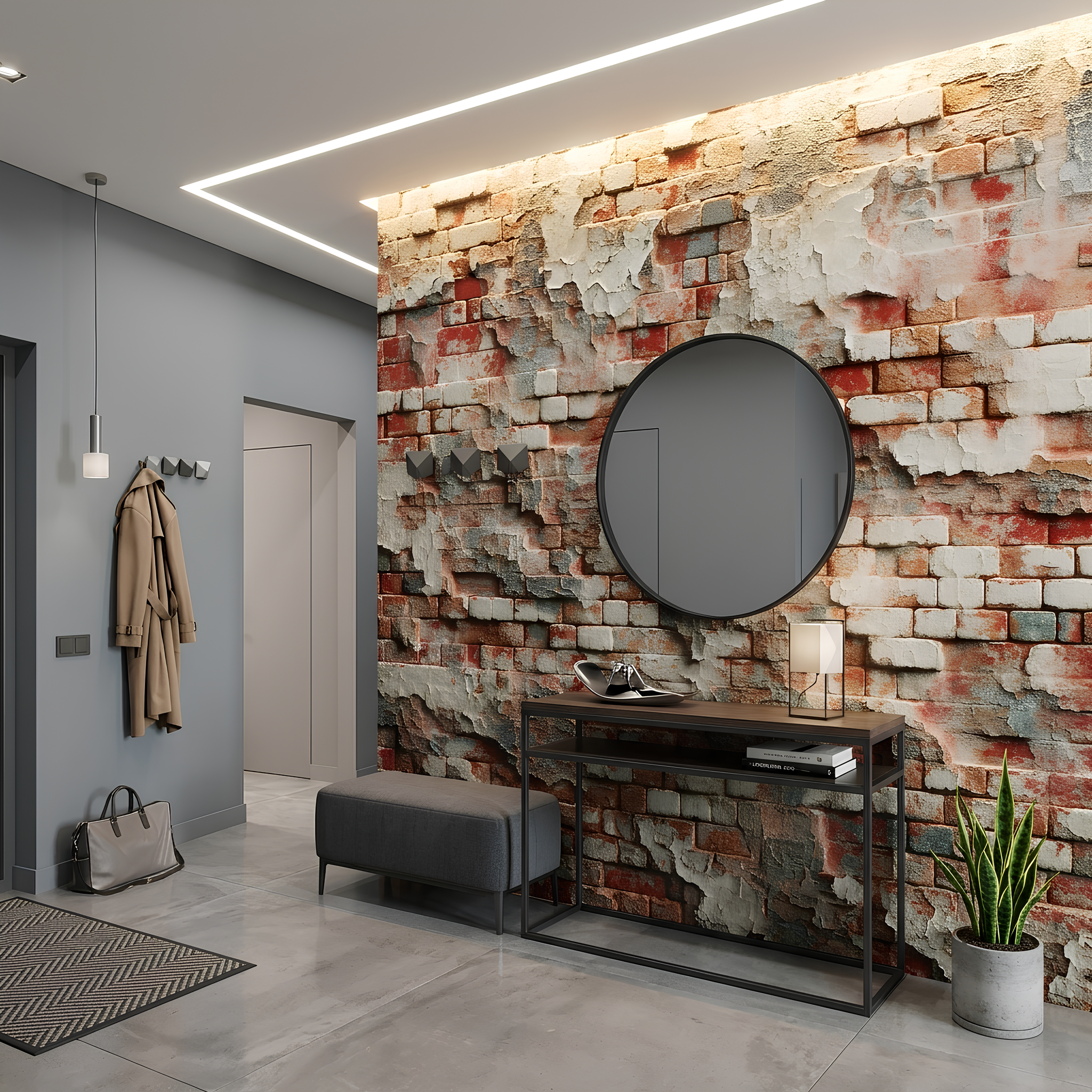
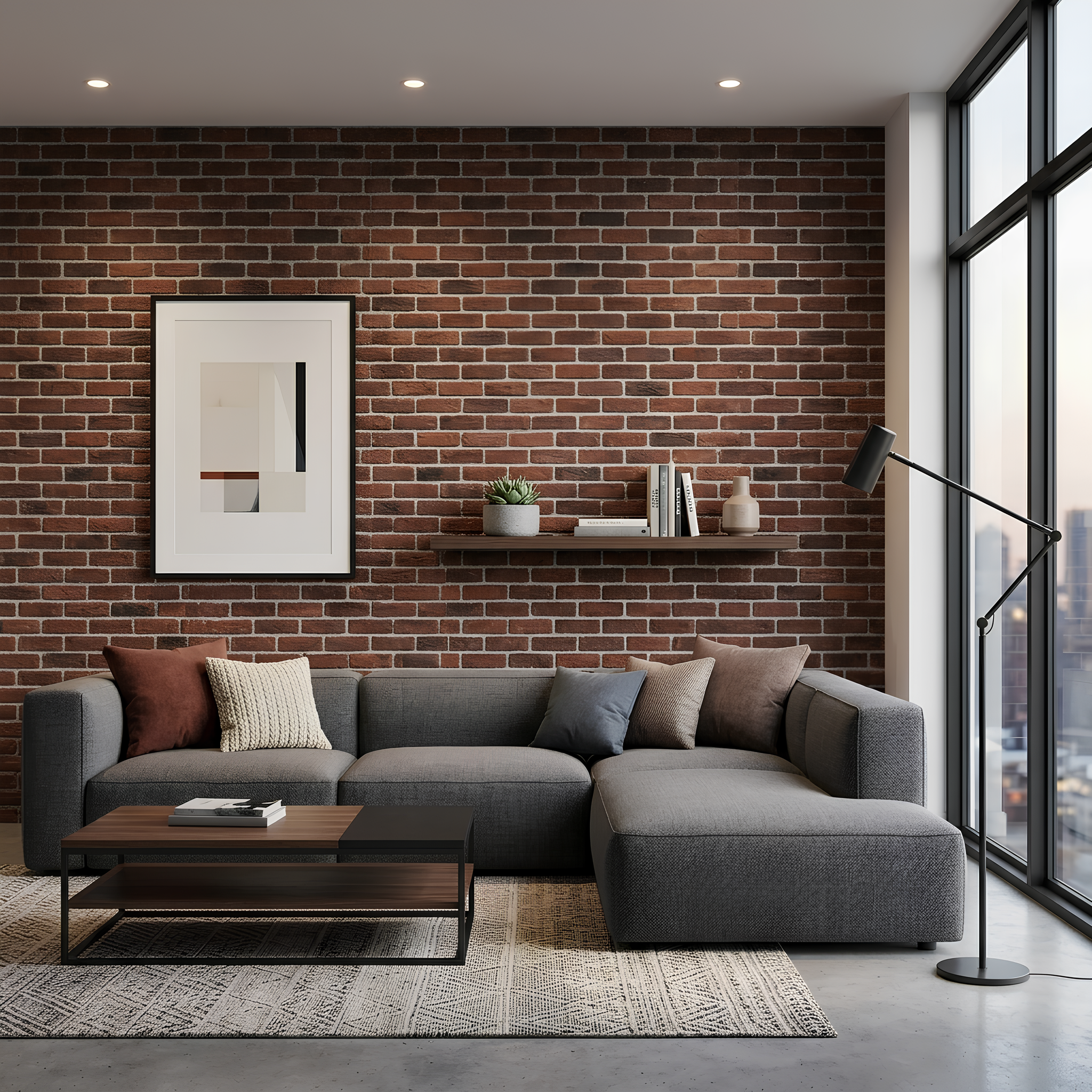
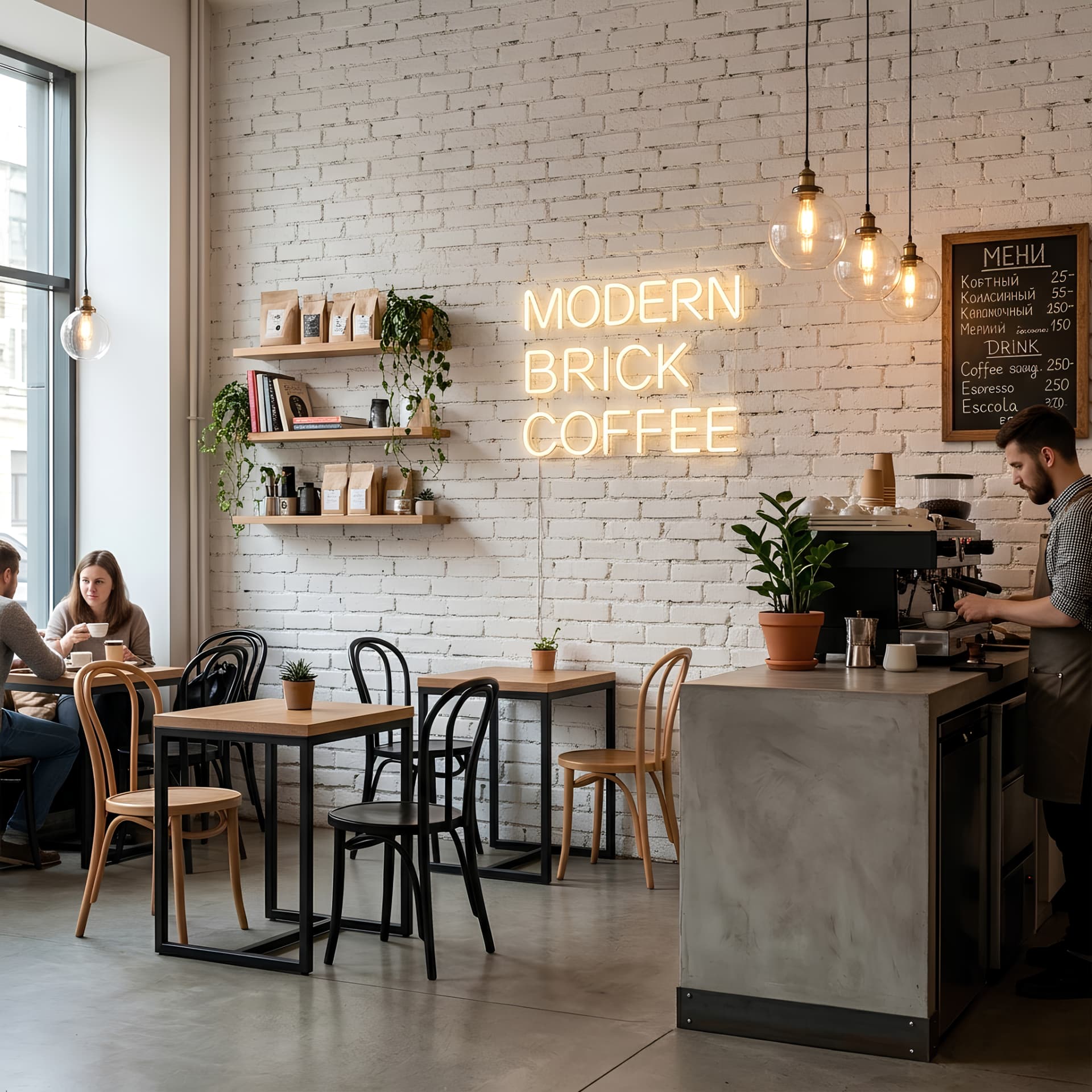
Red brick reads as loft / New York style; white painted brick is the signature of Scandinavian and cafe interiors. It is the second most requested pattern family in cafe and restaurant projects. The graffiti-plus-brick combination has become a classic in teenagers' rooms — teen room guide.
Marble Looks
Calacatta's gold veins and Carrara's grey clouds turn into a wall-height composition at a tenth of the cost of a real marble slab. We recommend it with a wipeable surface in bathrooms and entrance halls: bathroom guide.
Concrete and Plaster Looks
Aged concrete, raw concrete and rustic plaster textures are the pick for industrial offices and modern living rooms. On plasterboard walls where real exposed concrete cannot be applied, this is the only alternative; the software-company example in the office guide was done with this texture.
Where to Use It, Where to Avoid It
- Ideal: behind the TV, at the head of the bed, cafe and restaurant walls, the office meeting room, the entrance hall, around the fireplace (at a minimum distance of 30 cm).
- Take care: in small, dark rooms dark stone textures make the walls feel tighter — stay with light brick or beige travertine; the space-expanding guide offers alternatives.
- Avoid: covering all four walls in stone creates a "cave" effect; here the single feature wall rule really pays off.
Which Stone Look Suits Which Decor Style?
The stone family is not one single thing, and the style match decides the outcome. Red brick and raw concrete for industrial / loft spaces; yellow-beige rubble stone and slate for rustic and mountain-house concepts; wide-format grey stone or micro-cement looks for modern minimal living rooms; and travertine and antique marble textures for classic interiors. The most common mistake we see is applying rustic rubble stone in a living room with modern furniture — the "warmth" of the stone will not rescue a style clash.
| Stone Look | Best Room | Style Match | Price (2026) |
|---|---|---|---|
| Grey stone / slate | Behind the TV, fireplace wall | Modern, minimal | 850–1,050 TL/m² |
| Red / white brick | Café, loft, teen room | Industrial, Scandinavian | 850–1,050 TL/m² |
| Marble (Calacatta / Carrara) | Bathroom, modern living room | Classic, luxe | 850–1,050 TL/m² |
| Aged concrete / plaster | Office, industrial living room | Industrial, loft | 850–1,050 TL/m² |
Amplifying the Stone Effect with Lighting
The embossed feel of a stone pattern is directly proportional to the angle the light arrives at. Wall-washer spots that graze the wall from the side, or track spots set 20-30 cm out from the wall at the ceiling, deepen the grout shadows and make the print look almost three-dimensional. Light hitting flat from the front, on the other hand, flattens the same pattern out "like a photograph". Behind the TV we therefore recommend a combination of bias lighting behind the screen plus two spots from above; it sits well with the reflection rules in the TV wall guide and brings the stone texture to life.
Use Around Fireplaces and Stoves
A stone pattern's most natural home is the fireplace wall — but the safety distance is clear: the paper must end at least 30-40 cm away from the fireplace opening and the stove body. You solve that strip with real stone, ceramic or a heat-resistant panel and continue the rest of the wall in the pattern; when the transition is lined up with a grout line, the join is almost invisible. We always steer customers who want full cladding right up against the heat source towards this mixed solution.
Can Stone Effect Wallpaper Go on an Exterior Facade?
The frequency of the question is surprising: no, it cannot. Wallpaper is an indoor product; UV, rain and the freeze-thaw cycle will finish off even the highest-quality print in a single season. We do not recommend it even on semi-open areas such as balconies. The right products for an exterior are stone cladding panels and facade systems; our field is delivering that look indoors at a far lower cost.
Stone Plus Wood: The Safest Combination on the Job
A stone-effect wall's best friend is wood — real or look-alike, it makes no difference. Grey stone plus a walnut TV unit, white brick plus oak shelves, concrete texture plus timber battens: all three are combinations with almost zero margin for error. The logic is simple: stone has a cold character, wood a warm one; together they balance out on their own. When you add metal accessories, stay loyal to a single metal (either matte black or brass); mix all three materials and the natural weight of the stone is lost.
Does Stone Pattern Work in the Bedroom?
It does, but in moderation. Light travertine and beige slate tones at the head of the bed give a calm hotel feel; dark anthracite stone, though, comes across as heavy outside large, light-filled bedrooms. The formula for softening stone's hard character in a bedroom is a textile layer: a fabric headboard, linen bedding and a rug carry warmth into the stone texture. In dark, small bedrooms, rather than insisting on stone, turning to soft botanicals or plain textures gives a better result.
Stone at Work: From Reception to the Meeting Room
In corporate spaces a stone look carries a message of trust and permanence — remember that it is no accident banks love real stone. Wide-format grey stone plus a stainless logo behind reception has become a classic; in meeting rooms micro-cement textures are both attractive and functional because they do not reflect screens. The cost side is appealing for corporate budgets too: instead of the survey-transport-labour chain of real stone cladding, a single-day install. Sector recommendations are in the office guide.
Summary: A Prescription for Using Stone Patterns
Let us write the closing like a prescription: grey stone-slate behind the TV and on the fireplace wall; brick in lofts and teen spaces; marble in the bathroom and the modern living room; concrete in the office. Stay loyal to the single feature wall rule, balance it with wood, light it from the side, and drop to light tones in small, dark rooms. A stone application that follows these four sentences almost never leads to regret — the rest comes down to your taste in pattern; start by requesting a sample from the stone family in the collection.
Frequently Asked Questions
Does stone effect wallpaper look realistic?
With quality digital printing, yes — thanks to the grout shadows and texture detail it is hard to tell from the real thing at a normal viewing distance. Request a sample to be sure.
Is it embossed or flat-printed?
Our models are high-resolution prints worked with shadow and highlight; combined with the natural texture of the textile base they give a sense of depth. It is not true relief embossing — which is exactly why cleaning is easy.
How much is stone effect wallpaper per m²?
The same as all our other models: 850-1,050 TL/m² (2026, depending on the material). The pattern does not change the price.
Is brick effect wallpaper suitable for a cafe?
Yes — for high-contact areas choose the wipeable foil base. There is a materials matrix in the business guide.
Doesn't stone effect wallpaper feel cold?
Left on its own it can; the solution is layering. Wooden furniture, a rug and warm light (2700-3000K) balance the mineral character of the stone texture. Beige-cream travertine and sandstone looks belong to the warm family anyway — anyone worried about coldness should start from these tones rather than grey.
From our shop
Wallpapers You Might Like
3D White Stone Brick Textile Wallpaper
Classic Chinese Motif Burgundy Wallpaper
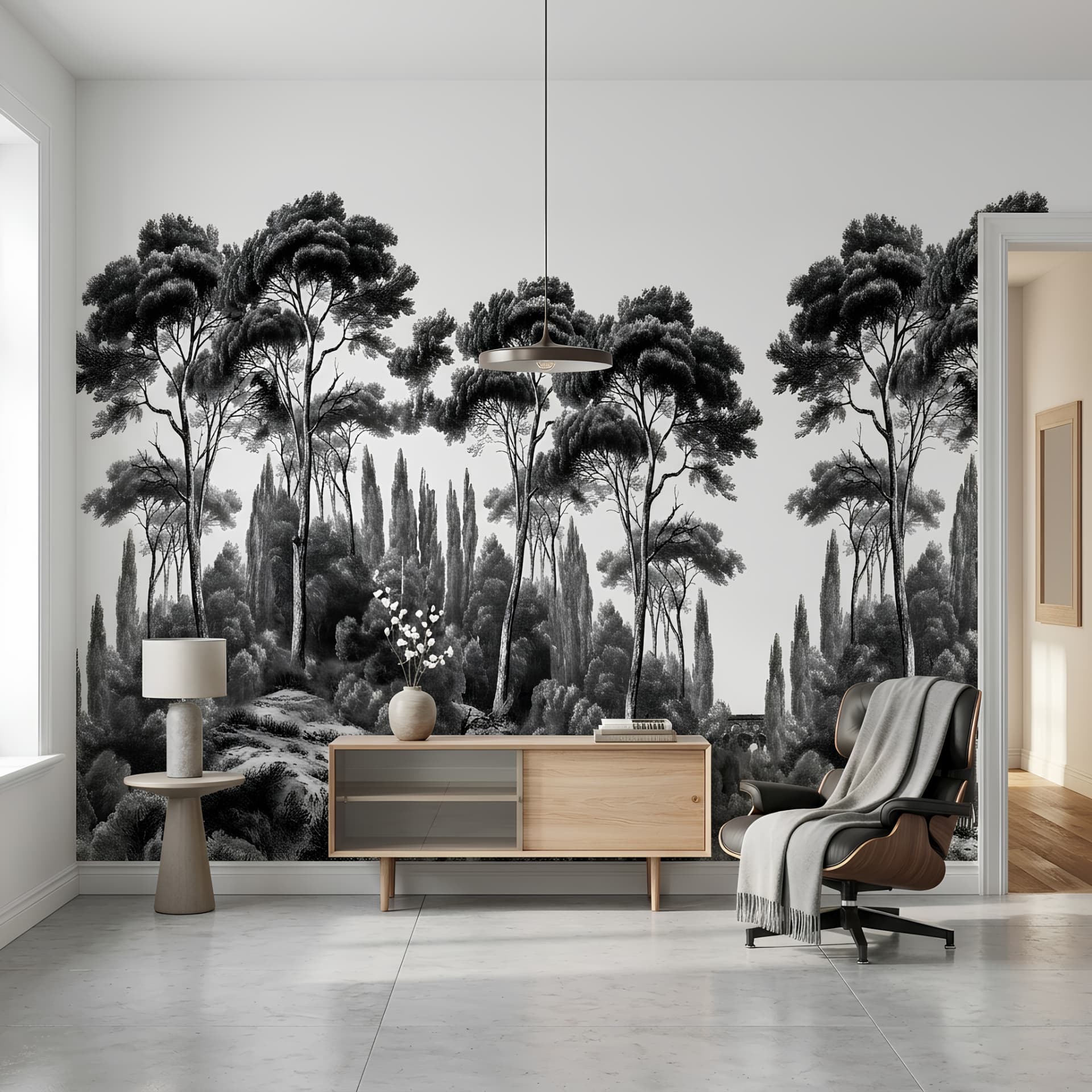
Black & White Vintage Forest Wipeable Wallpaper
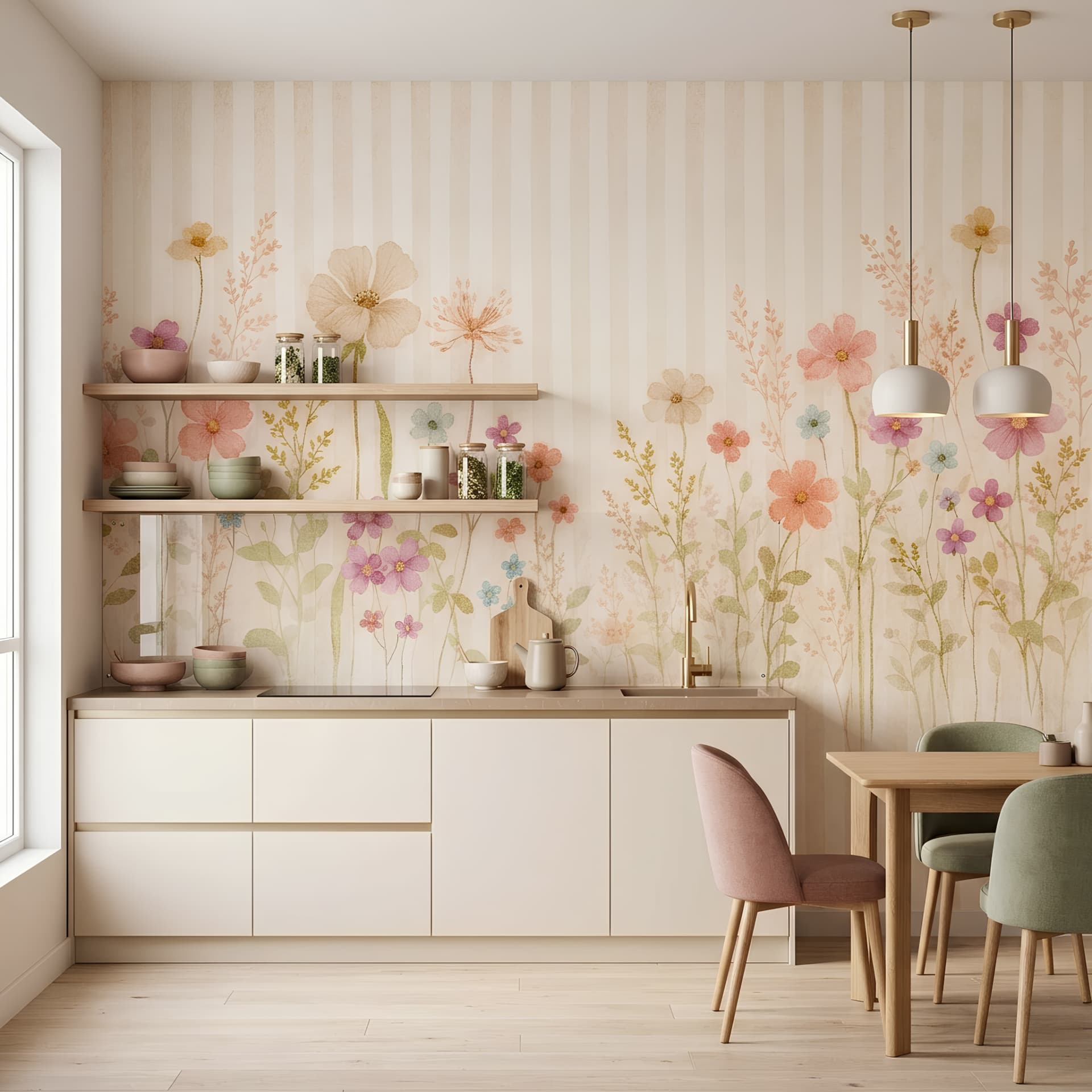
Pastel Spring Garden Striped Wallpaper
DA
Dekoartizan Tasarım Ekibi
Duvar kağıdı sektöründe uzmanlaşmış tasarım ve içerik ekibimiz, iç mekan dekorasyonu, malzeme bilgisi ve uygulama teknikleri konusundaki birikimlerini bu rehberlerde paylaşıyor. Tüm içerikler saha deneyimi ve güncel sektör verileriyle desteklenir.
İçeriklerimiz saha deneyimi ve sektörel uzmanlığa dayanır
stone effect wallpaperbrick wallpapermarble wallpaperconcrete wallpaperfeature wallfaux stone wall