Loading article…
tv wall wallpaperbehind tv wallpaperfeature wall
TV Wall Wallpaper: 2026 Designs and Buying Guide
The wall behind the TV unit is the easiest room to transform with one feature wall. Matte no-glare textures, 3D stone designs and how to measure correctly.
D
By Dekoartizan Tasarım Ekibi··9 min read
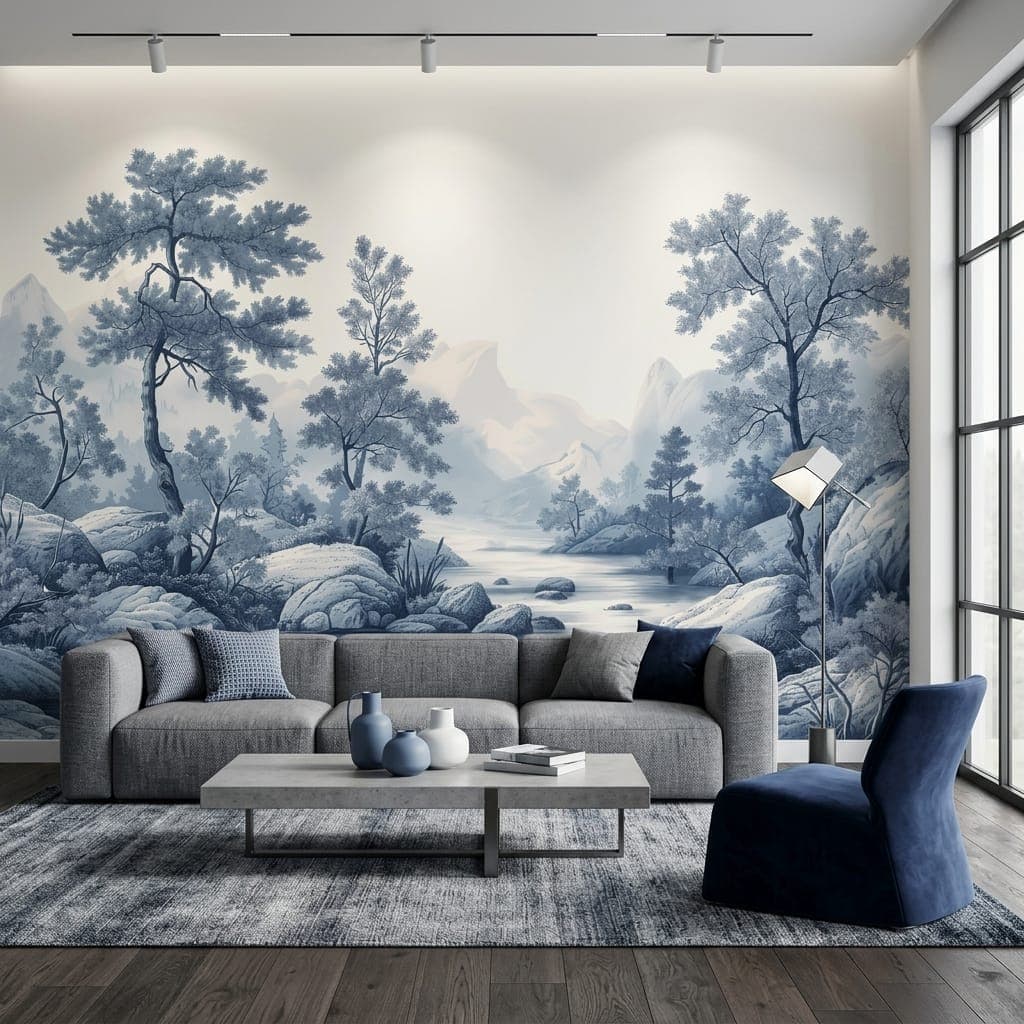
TV wall wallpaper comes down to two technical rules that beat everything else: a matte surface (glossy vinyl bounces the screen and window light straight back at you) and a mid-to-dark tone (it lifts on-screen contrast and is easier on the eyes).
On the design side the runaway favourite is 3D stone and concrete looks, followed by botanical compositions and landscape murals. A typical TV wall (3.5 × 2.8 m, ~10 m²) is printed as a single seamless panel in our premium textile finish for roughly 8,330 TL.
Why Does Everyone Cover the Wall Behind the TV?
The TV wall is already the focal point of the living room — your eyes drift back to it dozens of times an hour. Changing the whole character of a room with a single-wall investment is both cheaper and more effective than repainting all four. What we see in practice: more than half of all living-room orders are for the TV wall alone. For the economics of a feature wall, see the "budget optimisation" section of our pricing guide.
Three Technical Rules for TV Wall Wallpaper
1. Matte Texture Is a Must
Glossy surfaces reflect window and screen light, so ghosting and highlights appear on the wall while you watch a film. That is exactly why textile-based matte textures (850 TL/m²) are the standard for a TV wall. The other advantages of textile are covered in our textile wallpaper guide.
2. Contrast That Doesn't Swallow the Screen
A pure-white wall causes glare around the edge of the screen, while jet black creates a "hole" effect. The ideal range is mid-to-dark tones: anthracite, petrol green, smoke grey, sepia. With patterned designs, make sure the area where the TV sits is relatively calm — we shift the composition to fit your measurements, so just note the TV size on your order.
3. Heat Isn't the Problem, Cables Are
The heat from a modern TV does no harm to wallpaper. What you really need to plan for is the cable run and socket positions: finish the electrical work before installation, and have the wallpaper applied while the sockets are removed. The order of operations is in our installation guide.
The Most Popular TV Wall Designs of 2026
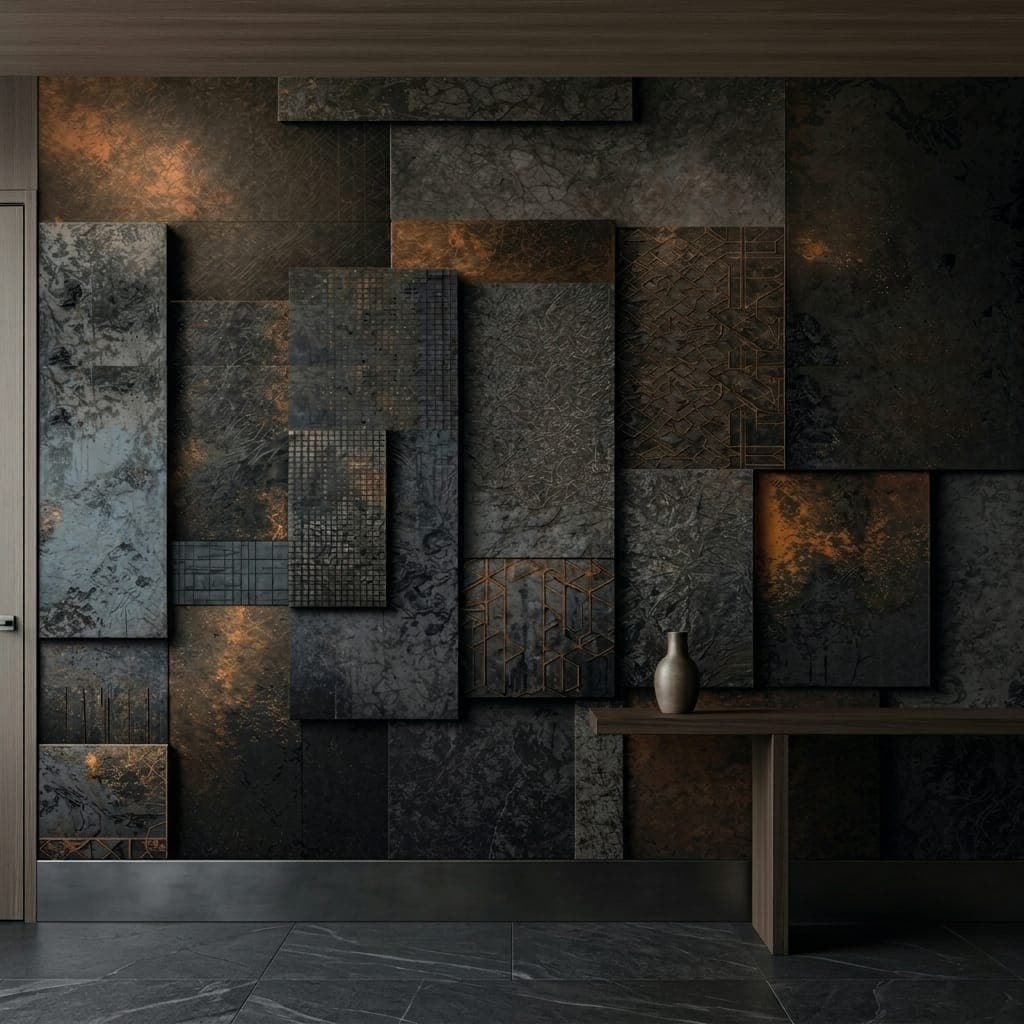
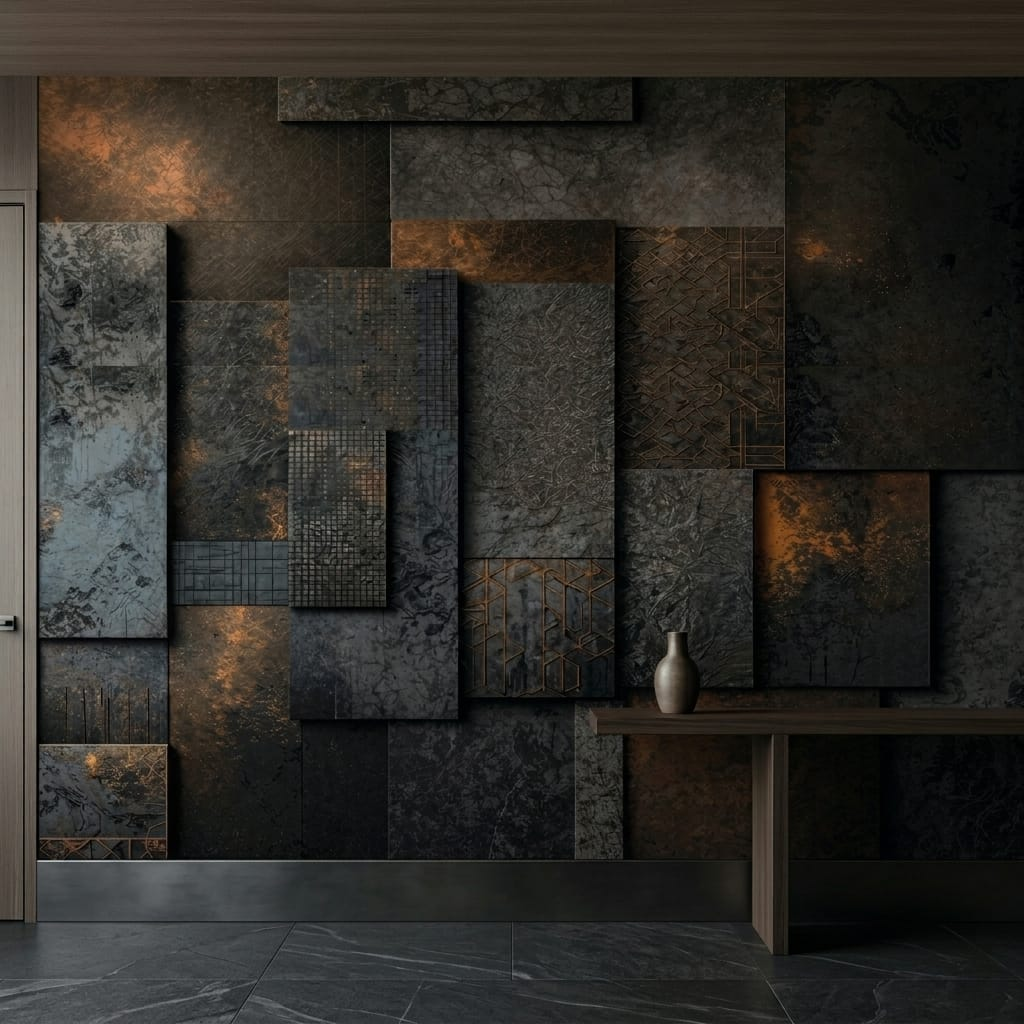
3D Stone and Concrete Looks
Türkiye's number one: grey stone with a tactile relief feel, distressed concrete and rusted-metal textures. You get the same effect without the three-to-four-times cost and structural load of real stone cladding — for the comparison, see our stone-pattern guide.
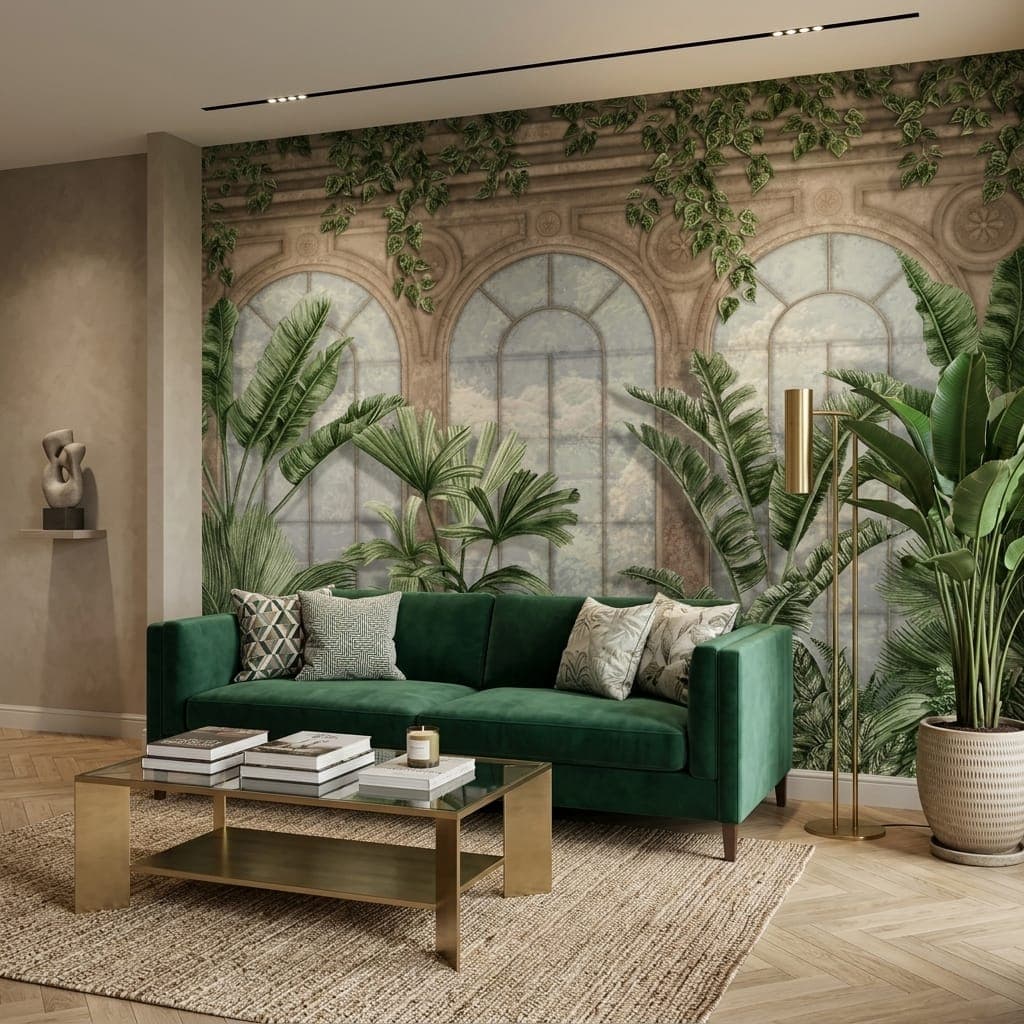
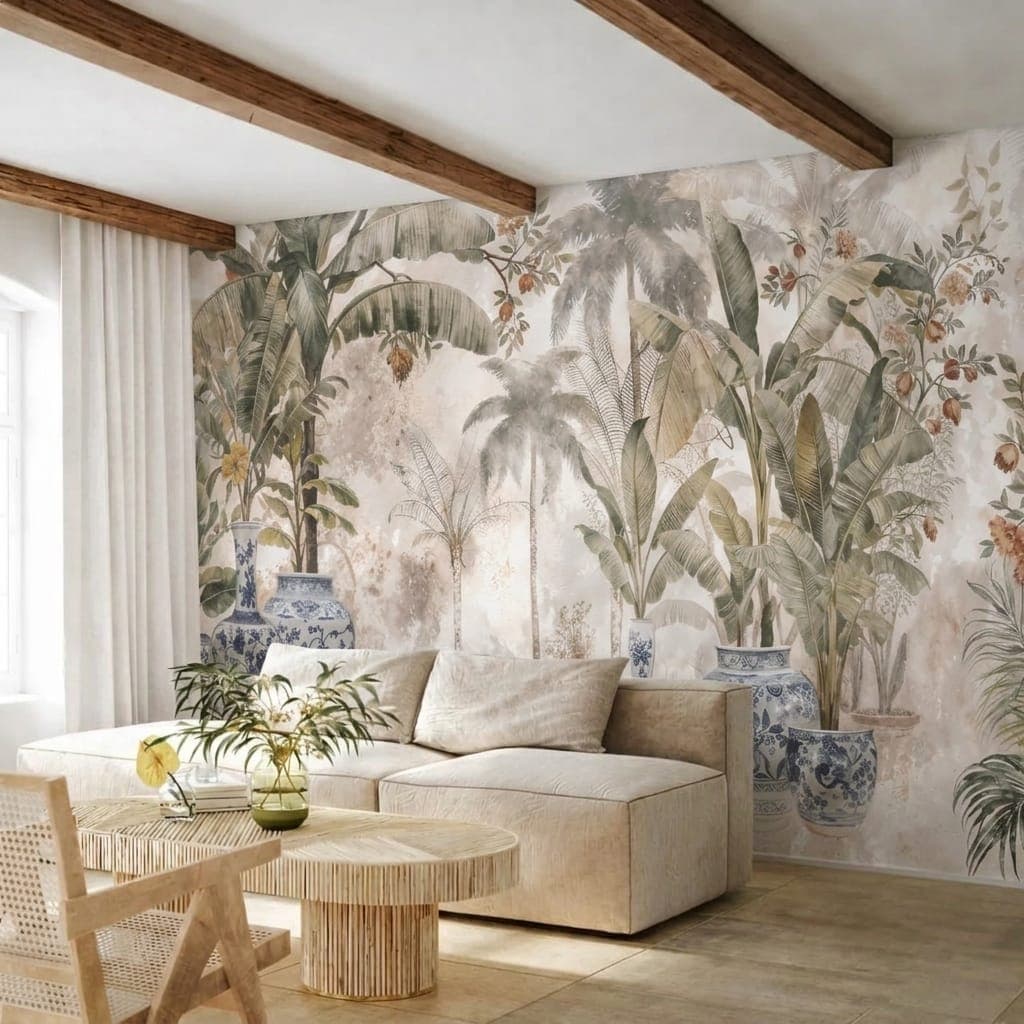
Botanical and Tropical
Leaf compositions on a dark background frame the TV nicely; a go-to for modern and japandi living rooms.
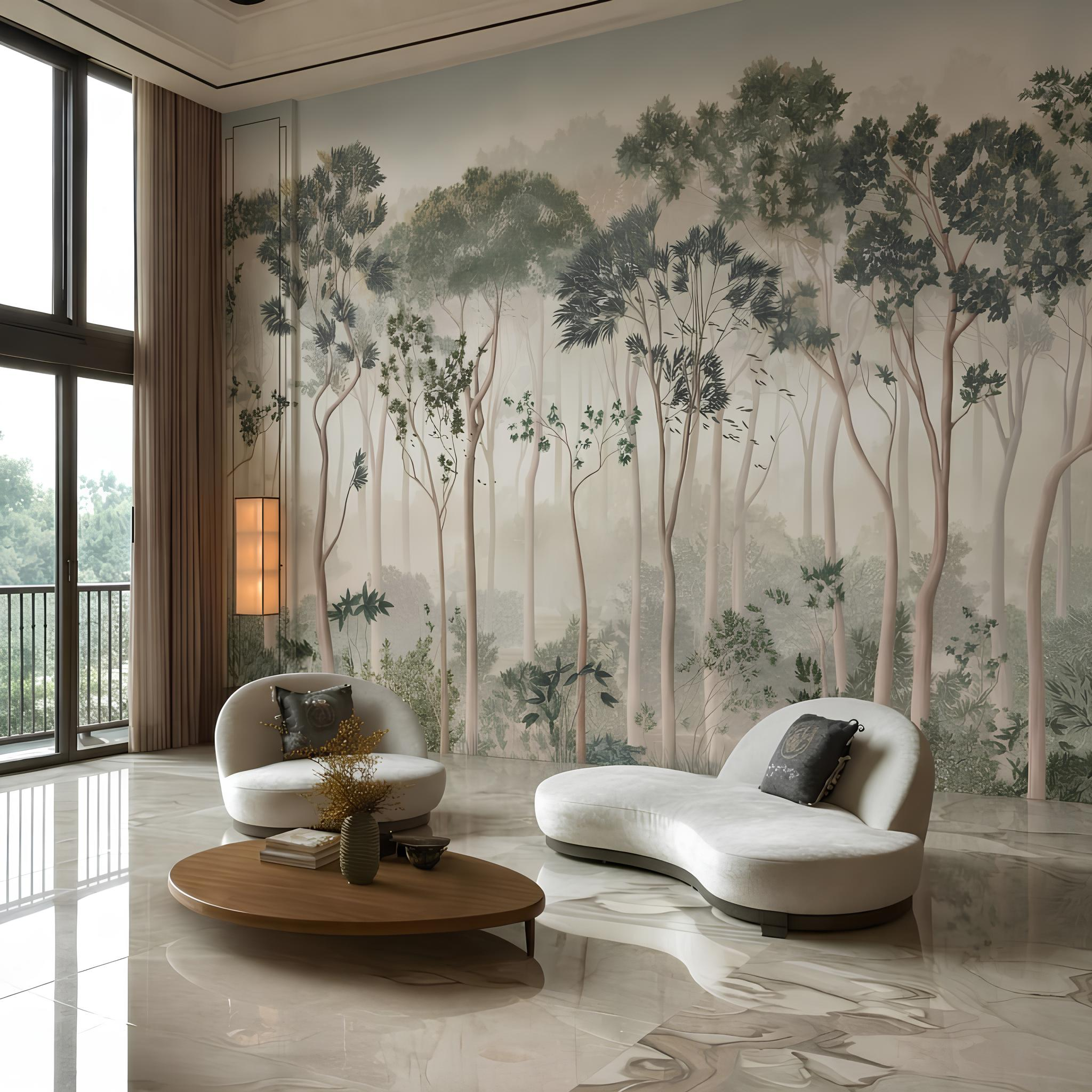
Landscapes and Murals
Misty mountain and forest murals give the depth of a home cinema. The horizon line needs to be set so it stays above the TV — see the composition rules in our mural guide.
Geometric and Panel Looks
Slat and panel-effect patterns give the same rhythm without the cost of real wall slats; a safe harbour for rooms that sit between classic and modern.
| TV Wall Design | Effect | Best Unit Colour | Surface (2026) |
|---|---|---|---|
| 3D stone / concrete | Tactile relief, depth | White, light oak | Textile matte, 850 TL/m² |
| Botanical on dark ground | Frames the screen | Walnut, dark units | Textile matte, 850 TL/m² |
| Misty landscape mural | Home-cinema depth | Light units | Textile matte, 850 TL/m² |
| Slat / panel effect | Vertical rhythm | Classic-modern mix | Textile matte, 850 TL/m² |
A typical 10 m² TV wall in textile-based matte works out at about 8,330 TL; installation adds 150–250 TL/m².
Measuring and Fitting: Notes Specific to a TV Wall
- Will the unit come off the wall? If the existing unit is fixed to the wall and staying put, applying wallpaper only to the visible area rather than behind the unit saves on square metres — but if you change the unit later, a line will show. Our advice is to cover the whole wall.
- Measuring: width × height; the door-and-window rule and worked examples are in our m² guide.
- Mounting bracket: a wall-type TV mount can be fitted over the wallpaper; a wall-plug hole does no harm to the paper, and if you move out later the hole can be closed with a small touch-up.
Matching the Wall to the Colour of Your Unit
A TV wall is never read on its own — it is read together with the unit. With white and light-oak units, dark-ground patterns (anthracite stone, petrol botanical) add depth through contrast; with walnut and dark units the ground should lighten — beige travertine, smoke grey, sepia landscape. In modern living rooms with a black glass unit, the riskiest choice is again a mostly-black pattern: the screen, unit and wall merge into one mass and create a "black hole" effect. A ground one shade lighter or darker than your unit is always the safe middle road.
Planning the Soundbar, Sconces and Cables
Before installation, sketch a five-minute layout plan: is the centre of the screen at eye level, will the soundbar be wall-mounted, are there sconces, where does the cable channel drop down? If the wallpaper goes up before these four are settled, every hole and channel mark you open afterwards is impossible to undo. Sconce and soundbar screws go through the wallpaper without trouble — the key is knowing their positions in advance. For cables, the cleanest solution is a flush-mounted channel; if that isn't an option, run a slim wall-coloured channel through a plain part of the pattern.
Three Living Rooms, Three Different Solutions
Three recent projects, to give anyone deciding a sense of scale: in Ümraniye, a grey slate-stone pattern on a 4-metre wall + black unit + track spots (a classic, fail-safe combination); in Ataşehir, a small living room (2.8 m wall) with a light sepia mountain landscape — choosing a light landscape over dark stone in a small space made the room feel bigger; in Üsküdar, a living room with a projector where, once the screen comes down, the visible wall was given a plain matte anthracite texture — patternless but textured, it looks sharp even with the projector off. In all three the surface chosen was a textile-based matte.
A Special Note for Projector Users
If you use a projector instead of a TV the rules change: the wall you project onto should be plain, patternless and ideally light grey (it gives better contrast than white). Patterned wallpaper goes on the side walls, not the projection wall. In mixed living rooms that use both a TV and a projector, the most functional arrangement is to leave the wall where the screen drops down plain and textured, and carry the character to a side wall.
For Console Gamers: Long-Session Comfort
If the TV wall isn't only for watching films — if there are a few hours of gaming a day — two adjustments make a difference. The first is bias lighting: a neutral-white LED strip placed behind the screen softens the brightness gap between screen and wall, reducing eye fatigue; matte-textured wallpaper amplifies the effect by spreading that light evenly. The second is pattern busyness: in fast games, a dense pattern in your peripheral vision is needless visual noise for the brain — in gaming rooms, lining up the 50–60 cm zone around the screen with the calm part of the pattern is a small but noticeable comfort tweak.
A TV Wall With a Fireplace: The Double-Focal Problem
When the TV and fireplace share a wall, two focal points compete. The solution is to set a hierarchy: the weight of the pattern composition should gather around one of them, while the other stays in a neutral zone. The most balanced arrangement is to leave the line above the fireplace plain and bring the pattern density to the TV side. On the heat side the rule is the same as in our stone guide: the wallpaper stops 30–40 cm from the firebox opening, and that strip is left to a heat-resistant material.
In Closing: The Three-Point TV Wall Formula
The whole guide fits into three points: matte texture (zero glare), a mid-to-dark ground (contrast comfort), and a cable-and-socket plan before installation. Get these three right and the choice of pattern is purely a matter of taste, with no wrong answer. For those still undecided, let our field data be the guide: the highest satisfaction feedback on a TV wall comes from grey stone textures and misty landscape compositions. Start with a sample and work out your measurements in two minutes — your living room's new focal point is a week away.
Frequently Asked Questions
How much does wallpaper behind a TV cost?
A typical TV wall is 8–11 m²; at the 2026 rate that is 6,800–11,550 TL. Single panel, seamless, free shipping. To work it out: m² guide.
What colour wallpaper should go behind a TV?
Mid-to-dark, matte tones: anthracite, petrol, smoke grey, sepia. White causes glare, black creates a "hole" effect.
Does TV heat damage wallpaper?
No — the back-of-panel heat from LED/OLED screens is well below any level that would trouble wallpaper.
Can 3D stone be told apart from real stone?
It is hard to tell from a metre or two by eye; you notice the difference when you touch it. In return the cost is roughly a third, installation is ten times faster, and there is zero load on the wall.
What should I do with the other walls of the living room?
Pick one of the mid-tones from the TV-wall pattern as your paint colour. Pairing ideas are in our living-room guide.
From our shop
Wallpapers You Might Like
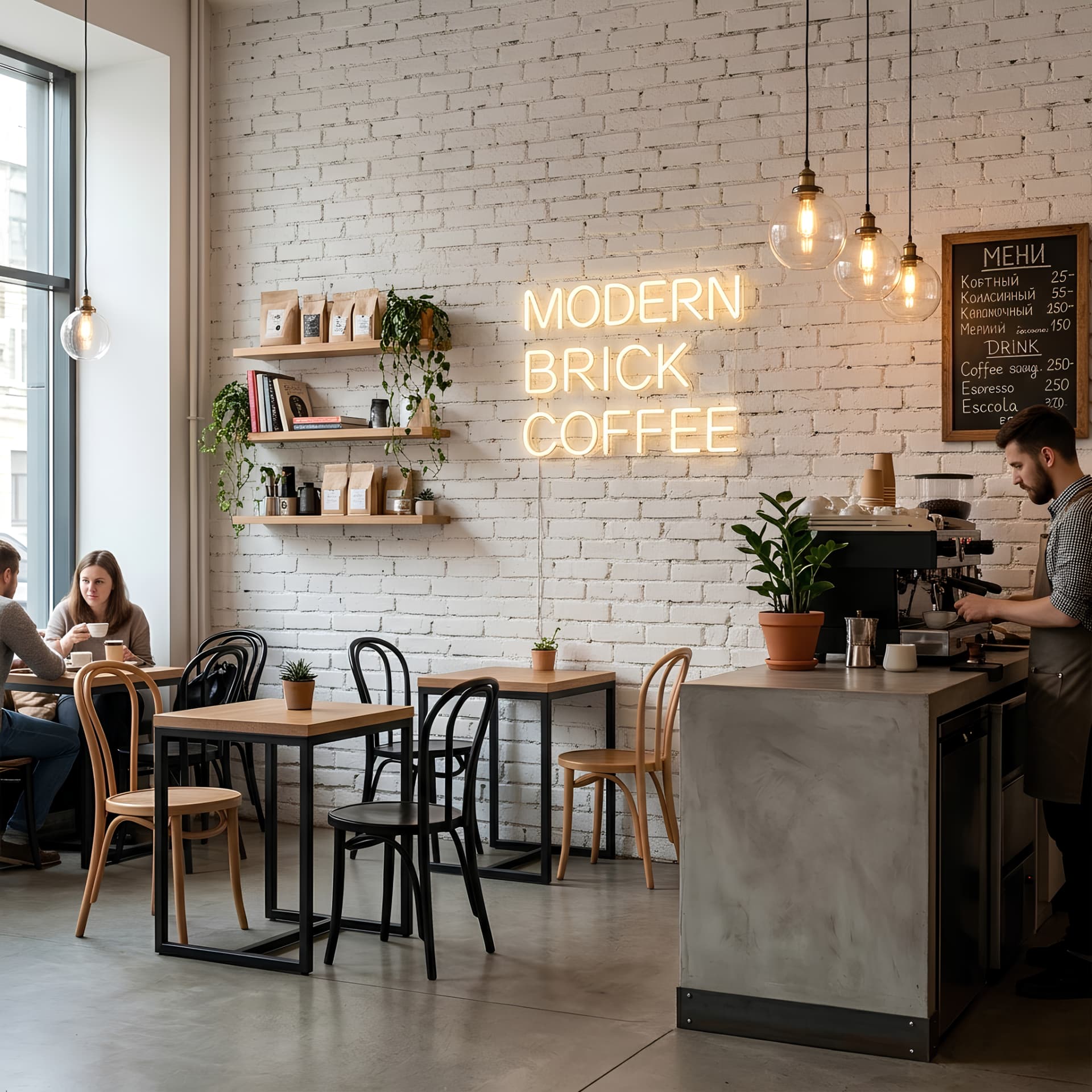
3D White Stone Brick Textile Wallpaper
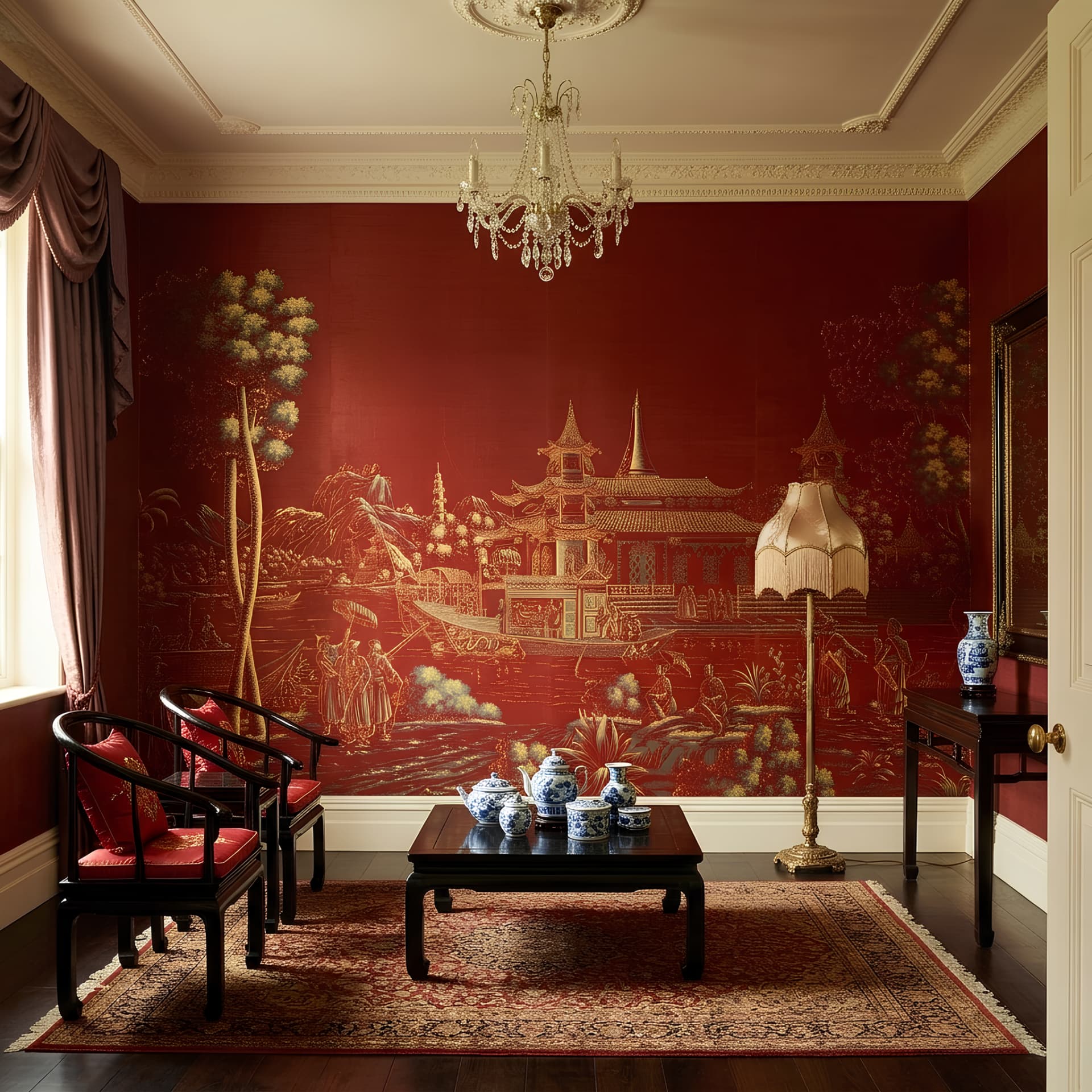
Classic Chinese Motif Burgundy Wallpaper
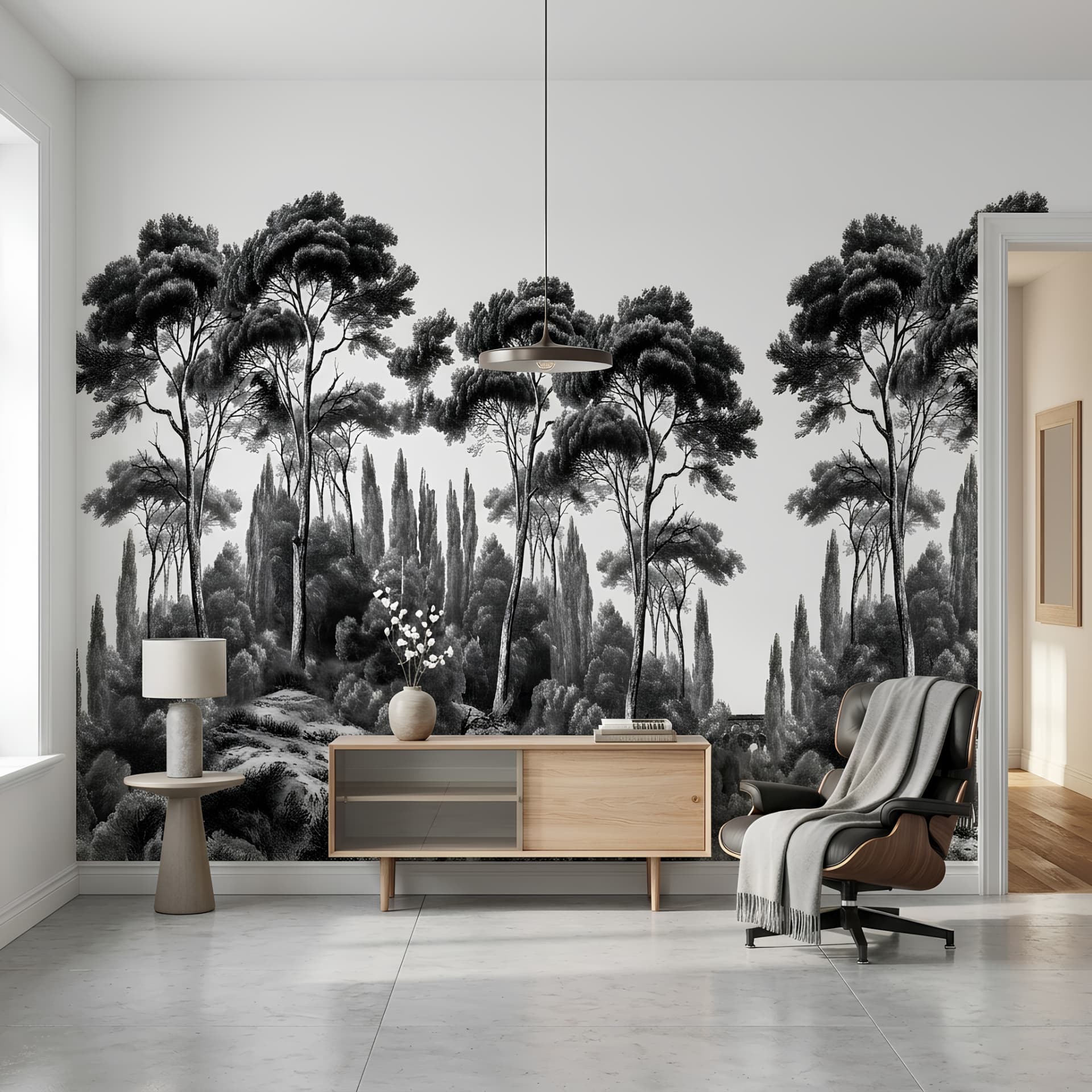
Black & White Vintage Forest Wipeable Wallpaper
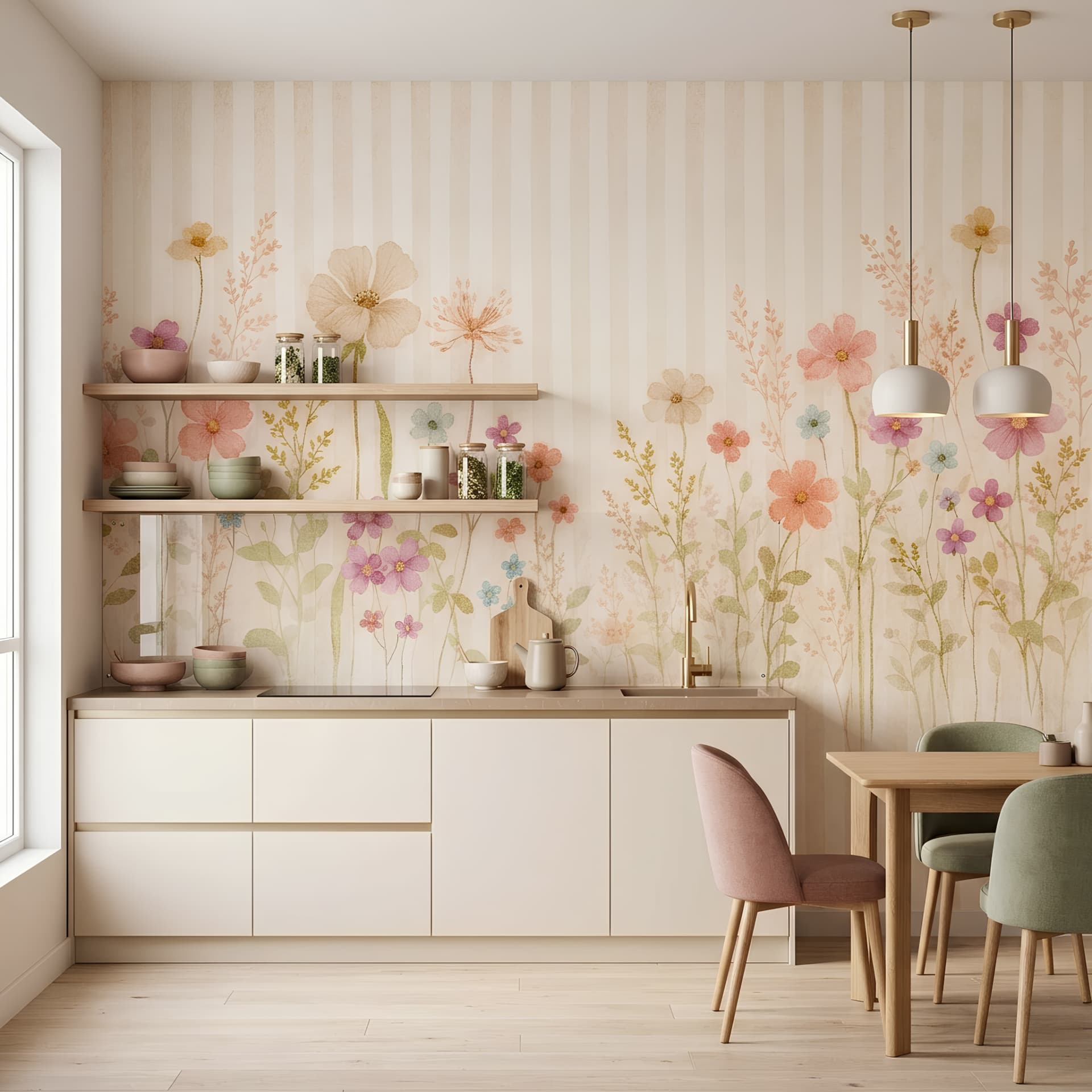
Pastel Spring Garden Striped Wallpaper
DA
Dekoartizan Tasarım Ekibi
Duvar kağıdı sektöründe uzmanlaşmış tasarım ve içerik ekibimiz, iç mekan dekorasyonu, malzeme bilgisi ve uygulama teknikleri konusundaki birikimlerini bu rehberlerde paylaşıyor. Tüm içerikler saha deneyimi ve güncel sektör verileriyle desteklenir.
İçeriklerimiz saha deneyimi ve sektörel uzmanlığa dayanır
tv wall wallpaperbehind tv wallpaperfeature wall3d stone wallpaperliving room wallpapertv unit wall