Loading article…
art wallpaperabstract wallpaperfresco wallpaper
Art Wallpaper & Wall Murals: Turning a Wall Into a Work of Art
Art wallpaper turns a wall into a painting: abstract compositions, fresco effects, canvas texture and mural pieces. How to bring the gallery feel home.
D
By Dekoartizan Tasarım Ekibi··6 min read
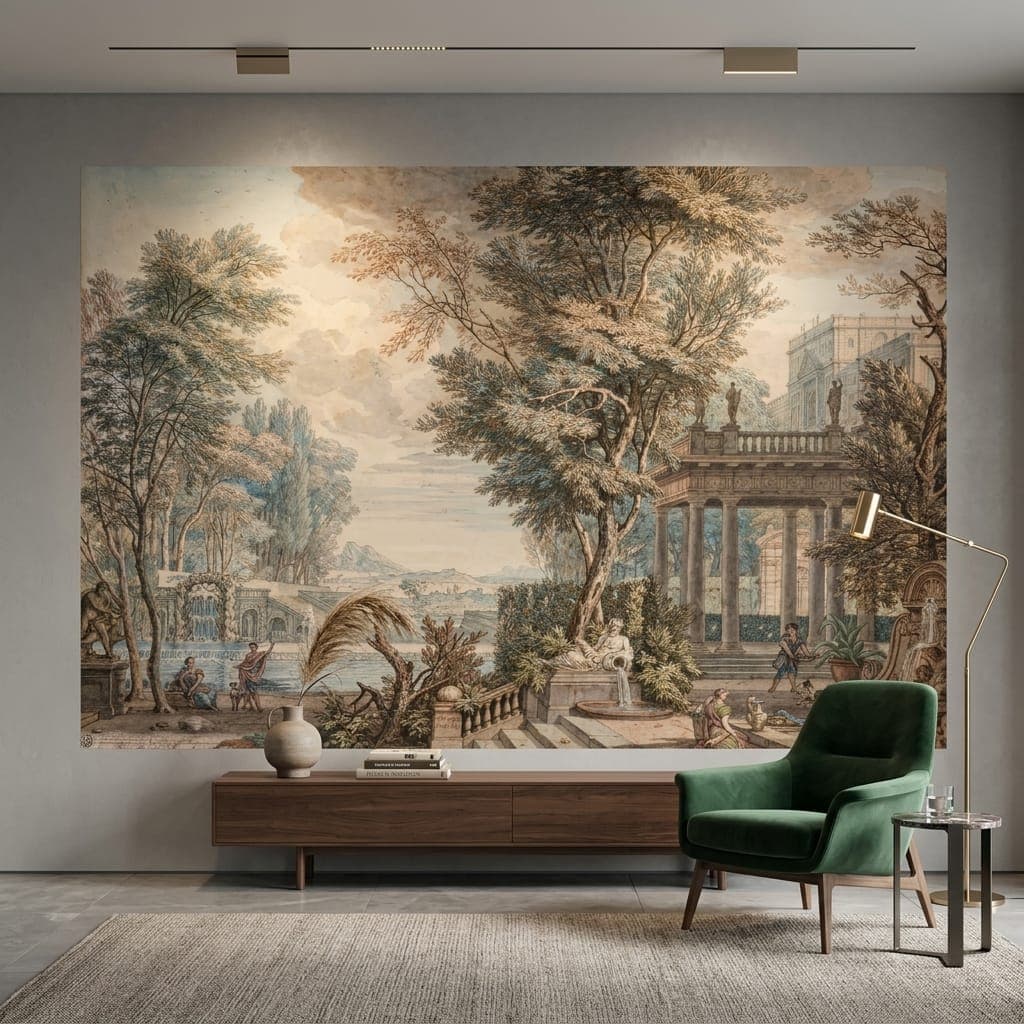
The difference between an ordinary patterned wallpaper and an "art wallpaper" — a true wall mural — comes down to a single question: is this surface the backdrop of the room, or its lead role? The art wall is the lead. Abstract compositions, fresco and Renaissance effects, canvas texture, contemporary murals and photographic art — they all lift the wall out of being a decorative surface and turn it into a piece.
What makes it feel "like real art" is no trick; it is the right print and a textile base that carries the brushstroke and the weave of canvas. The eye reads it as a "work," not a "print." A single bold wall often becomes the identity of the whole room.
Types of art wallpaper and wall murals
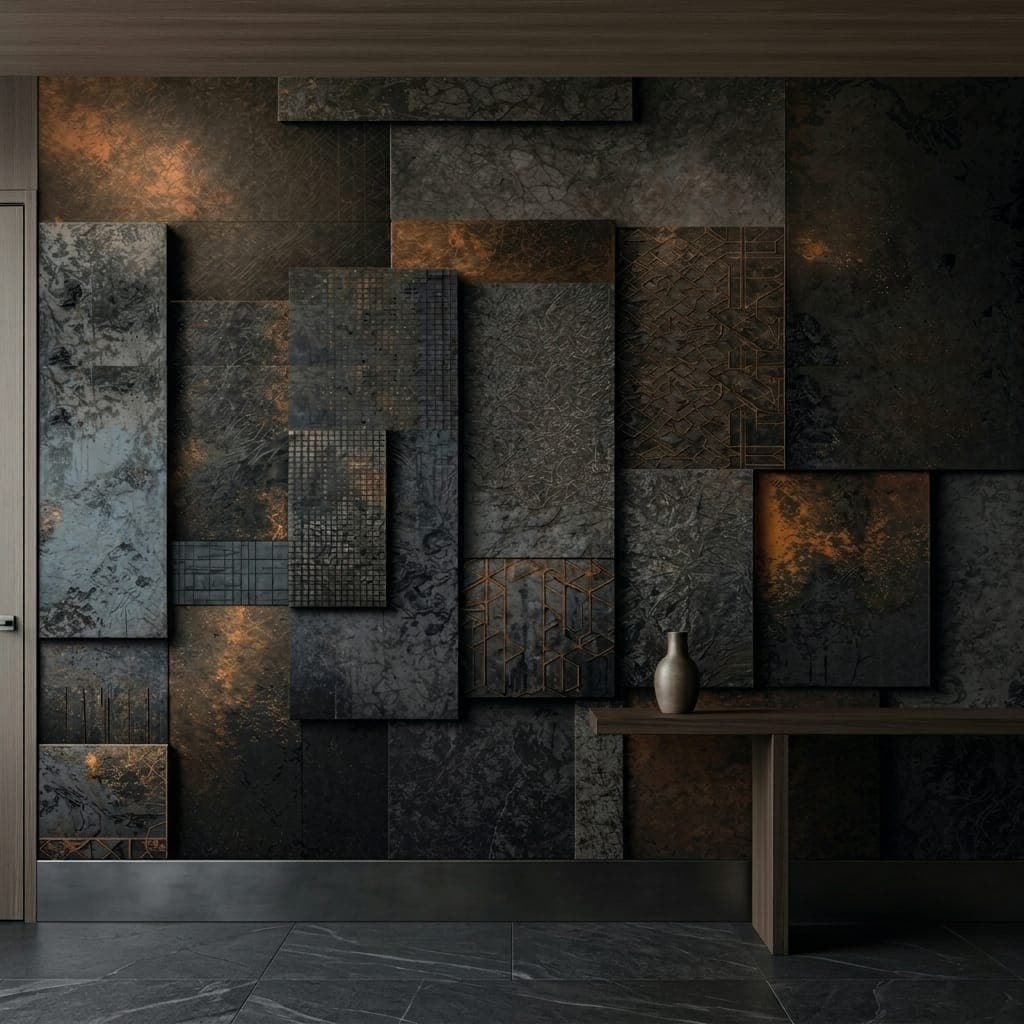
- Abstract composition: fields of colour, organic forms, fluidity. Powerful in a modern living room or entryway.
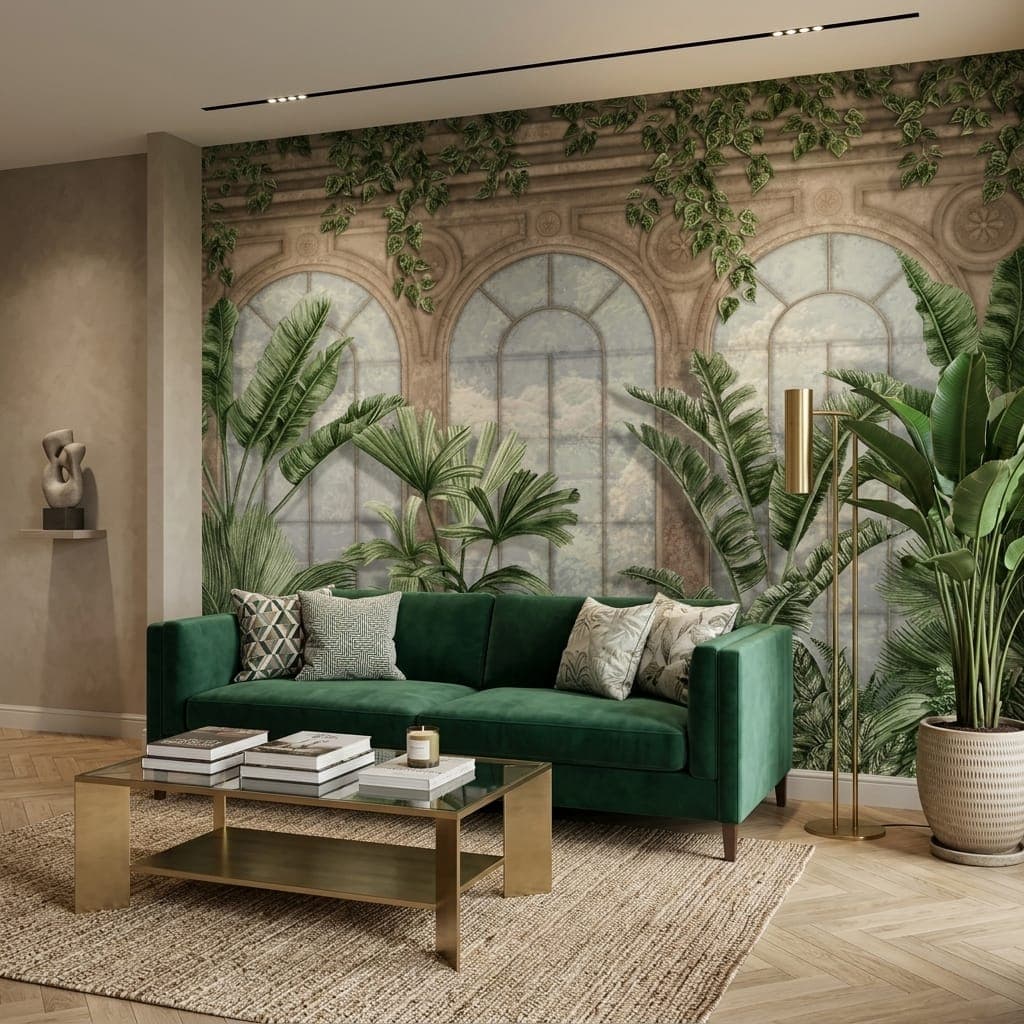
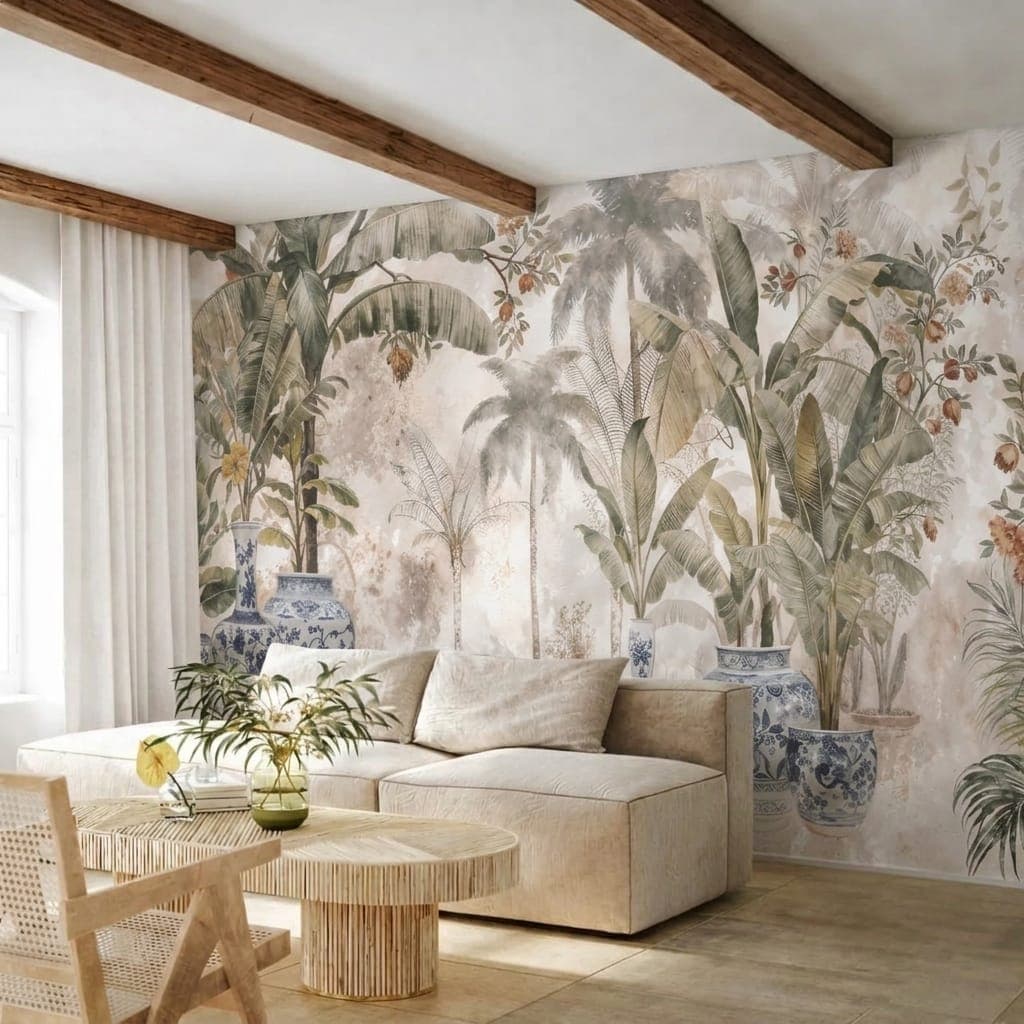
- Fresco / Renaissance: the look of classical ceiling and wall painting. Suits a classic living and dining room.
- Canvas / oil texture: visible brushwork, an impasto effect. For a study or an art corner.
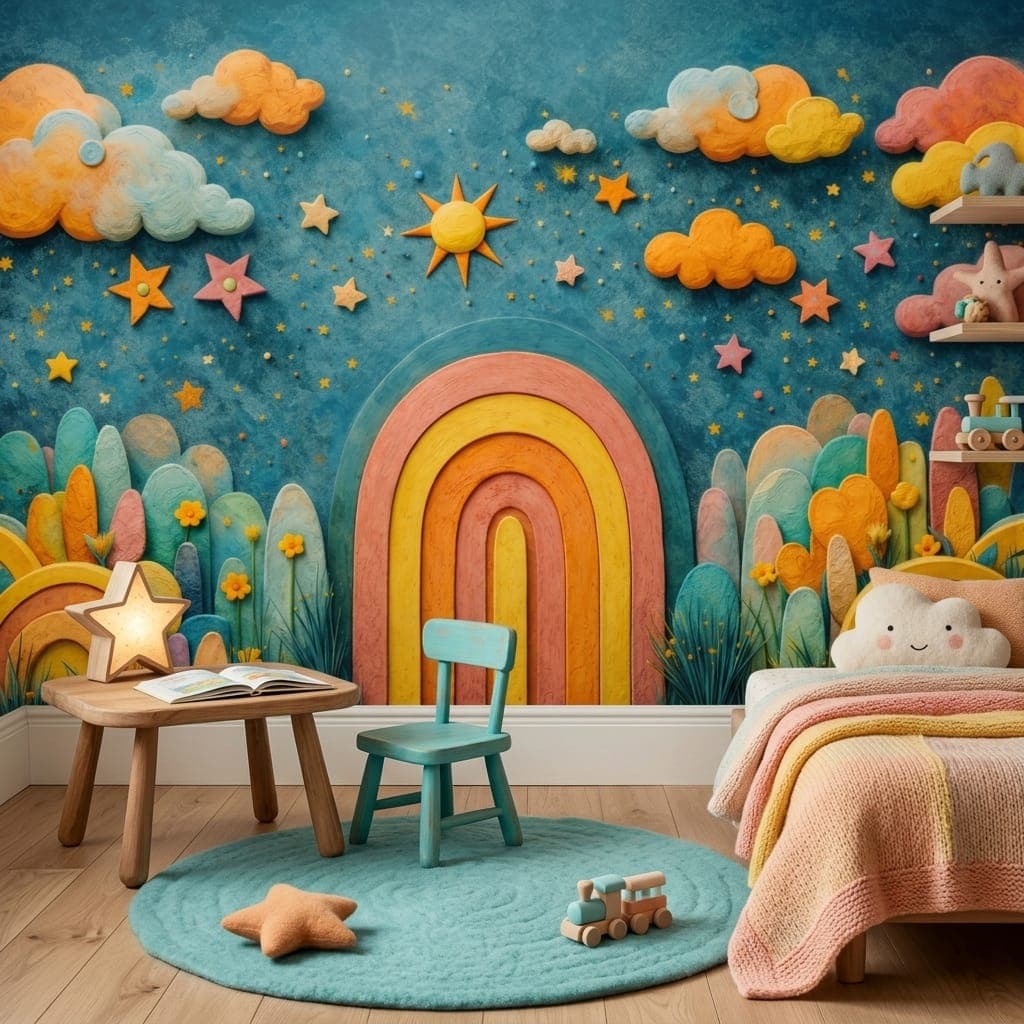
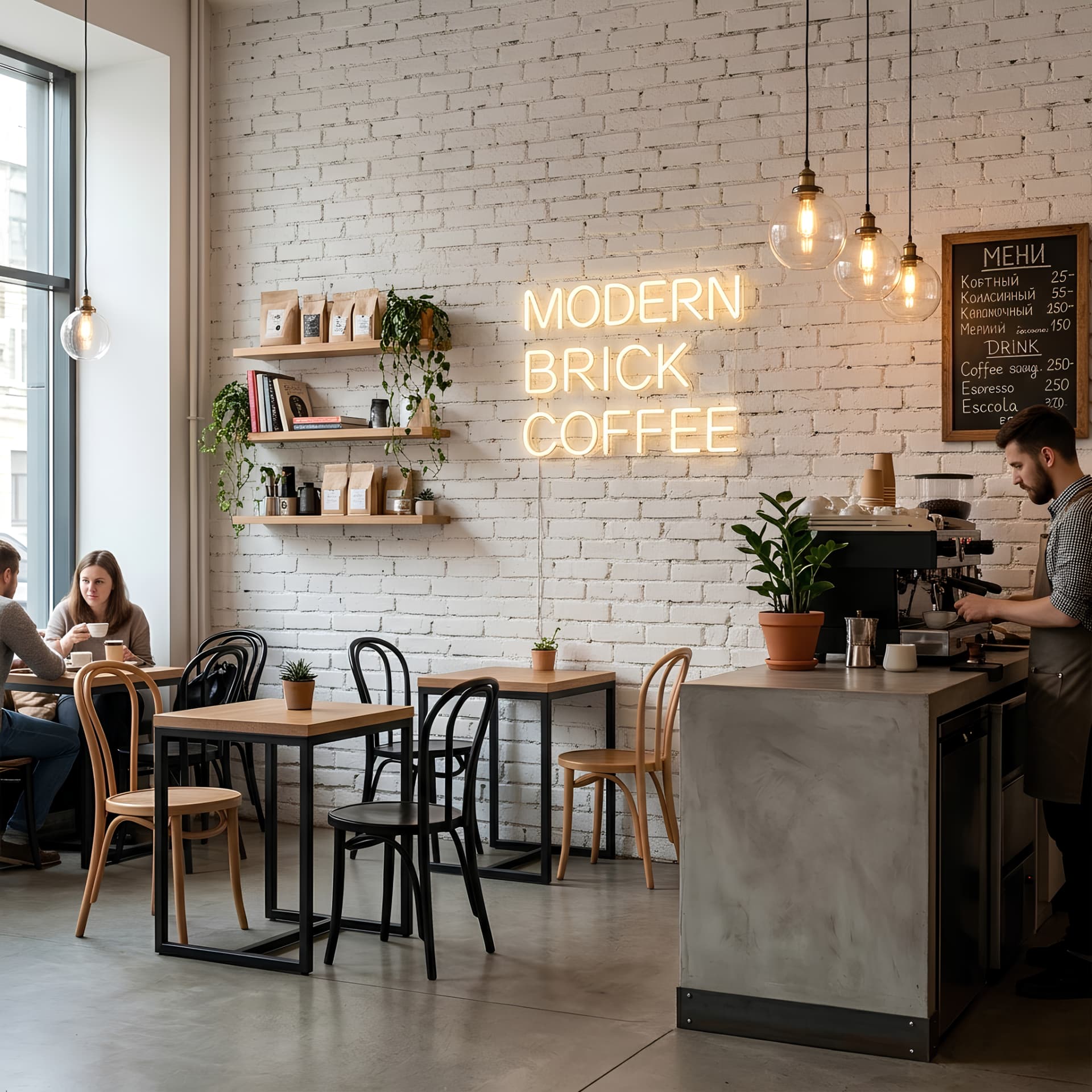
- Contemporary mural: a large-scale modern wall painting. Striking in a loft, café or office lobby.
- Photographic art: artistic photography, macro, fine art. Works in a modern bedroom or hallway.
Fresco effects are close cousins of traditional patterns, while contemporary murals relate to wall posters and ceiling applications.
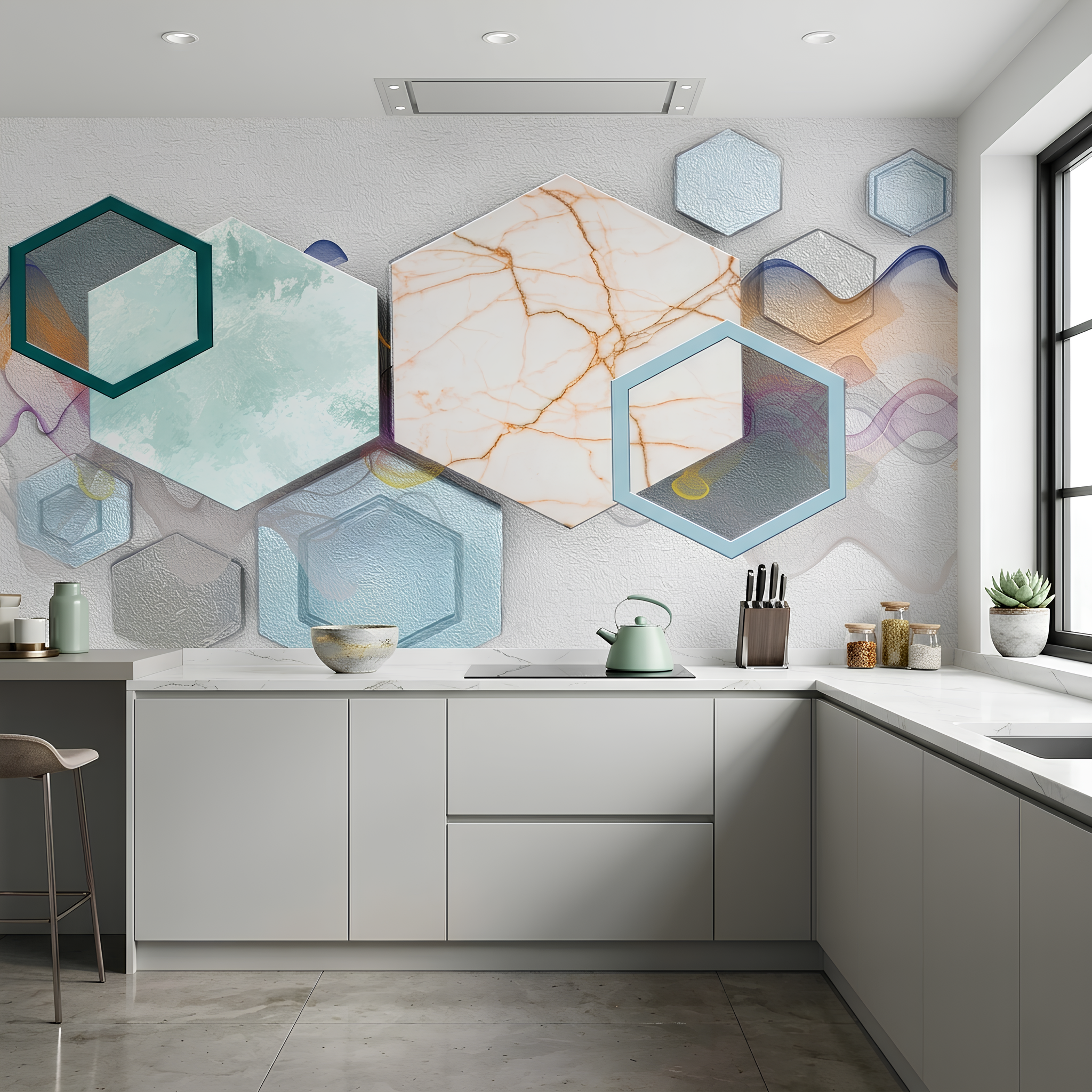
Why does it look "like a real painting"?
Three things separate an ordinary pattern from an art wall:
- Scale: the piece fills the wall. Not a small repeat but one large composition creates the "painting" effect.
- Texture: a textile base carrying canvas and brush texture behaves like the surface of a real painting under light — textile guide.
- Intent: an art wall is a "focus," not "decoration." The room is built around it, just as in a gallery.
Which room calls for an art wall?
- Living room: an abstract composition or contemporary mural, a "signature wall" behind the sofa. Living room guide.
- Entryway / hallway: a single strong piece that sets the first impression. The most impact with the least risk in a small space.
- Bedroom: soft photographic art or a calm abstract, a serene focal point.
- Office / café: a mural or large abstract, brand identity and the feel of an "experience space." Office guide.
The single-piece rule: gallery logic
The golden rule of an art wall is "few and strong." A room should carry a single work of art; two strong walls cancel each other out. Keep the area around the piece plain (the white-wall logic of a gallery), point the lighting at the piece, pull the furniture back. That way the wall "hangs" like a painting. With abstract pieces, if you bridge one colour from the work to one or two accessories in the room, the space comes together.
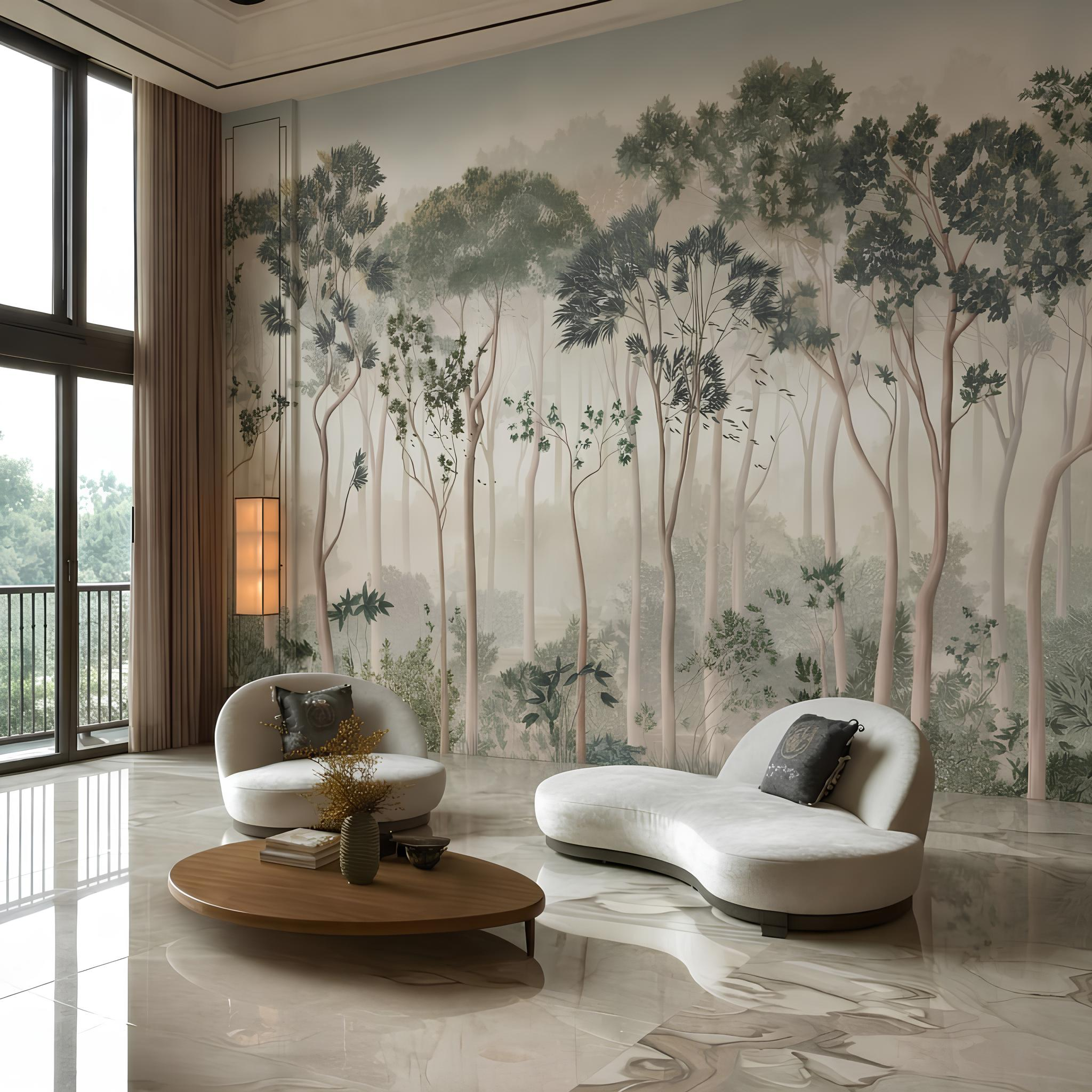
Printing your own work
The strongest side of art wallpaper is personalisation. Your own painting, your digital work, your artistic photograph or a composition you hold the rights to can be printed as a single piece in high resolution and at your wall's exact dimensions. The copyright rule is clear: you use your own work or pieces you hold the rights to. The process and resolution requirements are in the custom design guide; the final quality is set by the digital printing side.
Lighting makes or breaks the piece
One of the things that separates an art wall from an ordinary print is light. White light striking straight from the ceiling flattens the canvas texture; a warm spot grazing from the side or above (around 3000K) brings out the brushwork and the depth. This is where you see why galleries always light their works from the side. Adding a small track spot to an accent wall often makes more of a difference than an expensive frame.
If you are printing your own work: resolution
The most common disappointment comes from wanting to scale a small image shot on a phone up to wall height — the result is pixelated. For a sharp print at wall scale, the source has to be high resolution. If you are going to photograph a painting, shoot in good light, at a straight angle and at the highest resolution possible. If you are unsure, send us the image before production; we check whether it is suitable for printing.
Price and production
Art models are produced at the standard rate; a canvas base with a fabric weave is the most realistic surface for these pieces. Since it comes from the same per-m² price, being "art" brings no extra cost — the difference is not in the pattern but in the intent of use. You can work out the total cost of a single art wall by dimensions using the price guide and m² calculation.
| Base | Surface character | Price (TL/m²) | Best for |
|---|---|---|---|
| Premium textile | Woven matte; holds brushstroke depth | 850 | Abstract and photographic art |
| Self-adhesive foil | Smooth, wipeable surface | 950 | High-traffic office or café murals |
| Canvas texture | Visible canvas weave; oil-paint feel | 1,050 | Fresco, oil and impasto pieces |
Frequently asked questions
Is art wallpaper more expensive than ordinary wallpaper?
No. It is produced at the same per-m² rate. The difference is not in the pattern but in the intent of use: it is positioned as a single large piece.
Can I have my own painting made into wallpaper?
Yes. Your own work, your photograph or a piece you hold the rights to is printed as a single panel in high resolution and at your wall's exact dimensions.
Does an art wall work in a small room?
It does. Especially in an entryway or hallway, a single strong piece gives the most impact with the least risk. In a small room, choose a light-toned or abstract piece.
Does canvas texture look like a real painting?
On a canvas or textile base, the brush and canvas texture come very close to a real piece under light. A matte surface gives artistic depth without print glare.
From our shop
Wallpapers You Might Like
3D White Stone Brick Textile Wallpaper
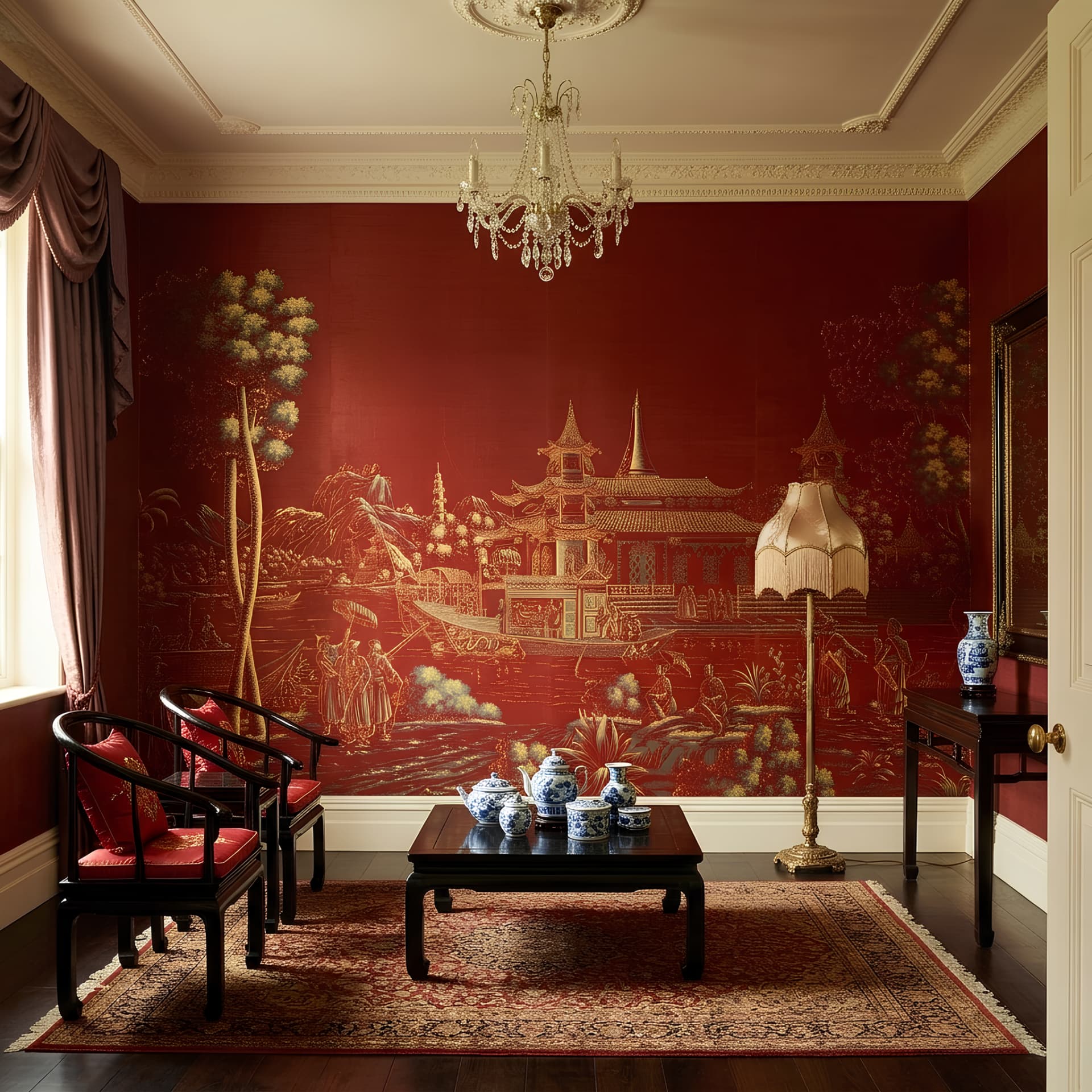
Classic Chinese Motif Burgundy Wallpaper
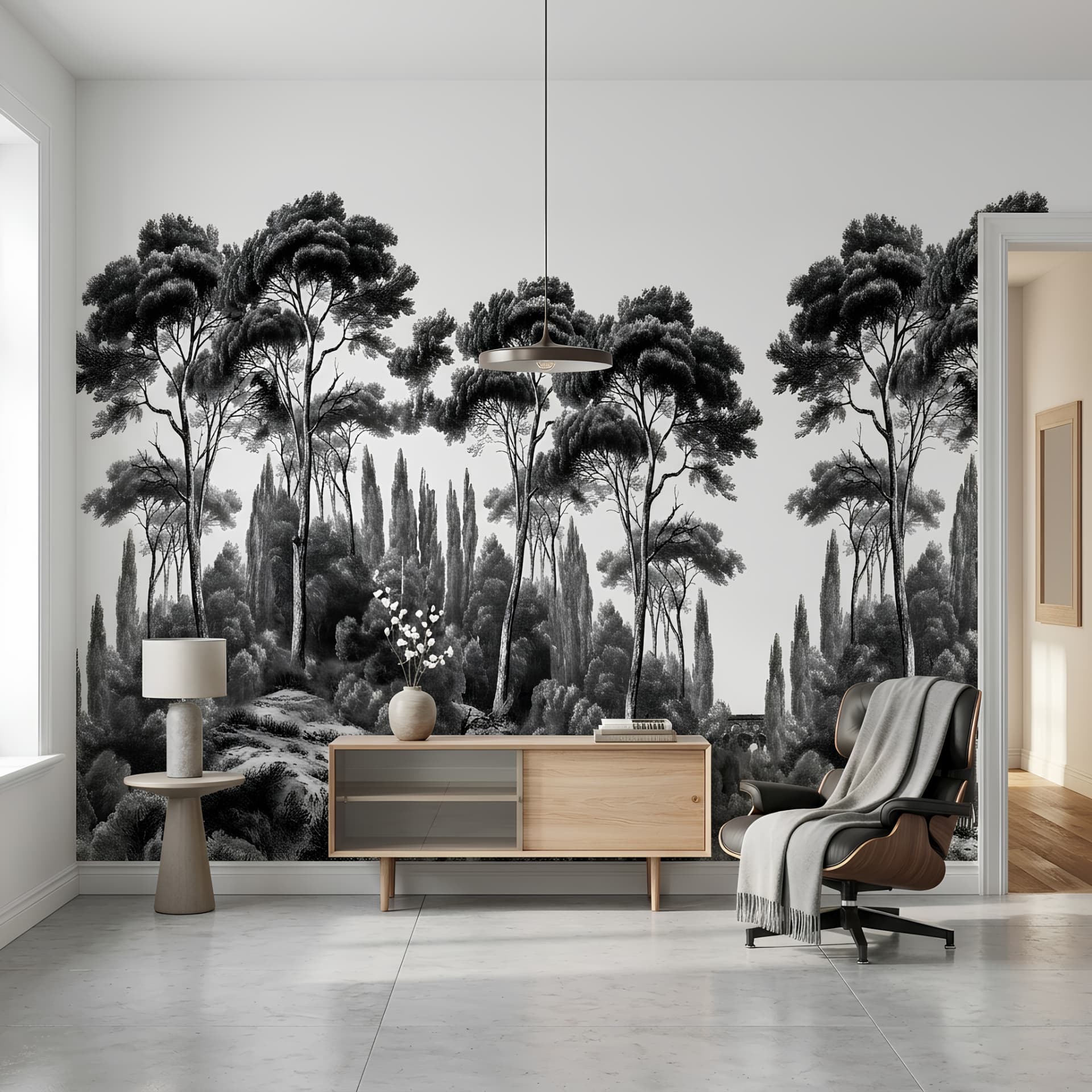
Black & White Vintage Forest Wipeable Wallpaper
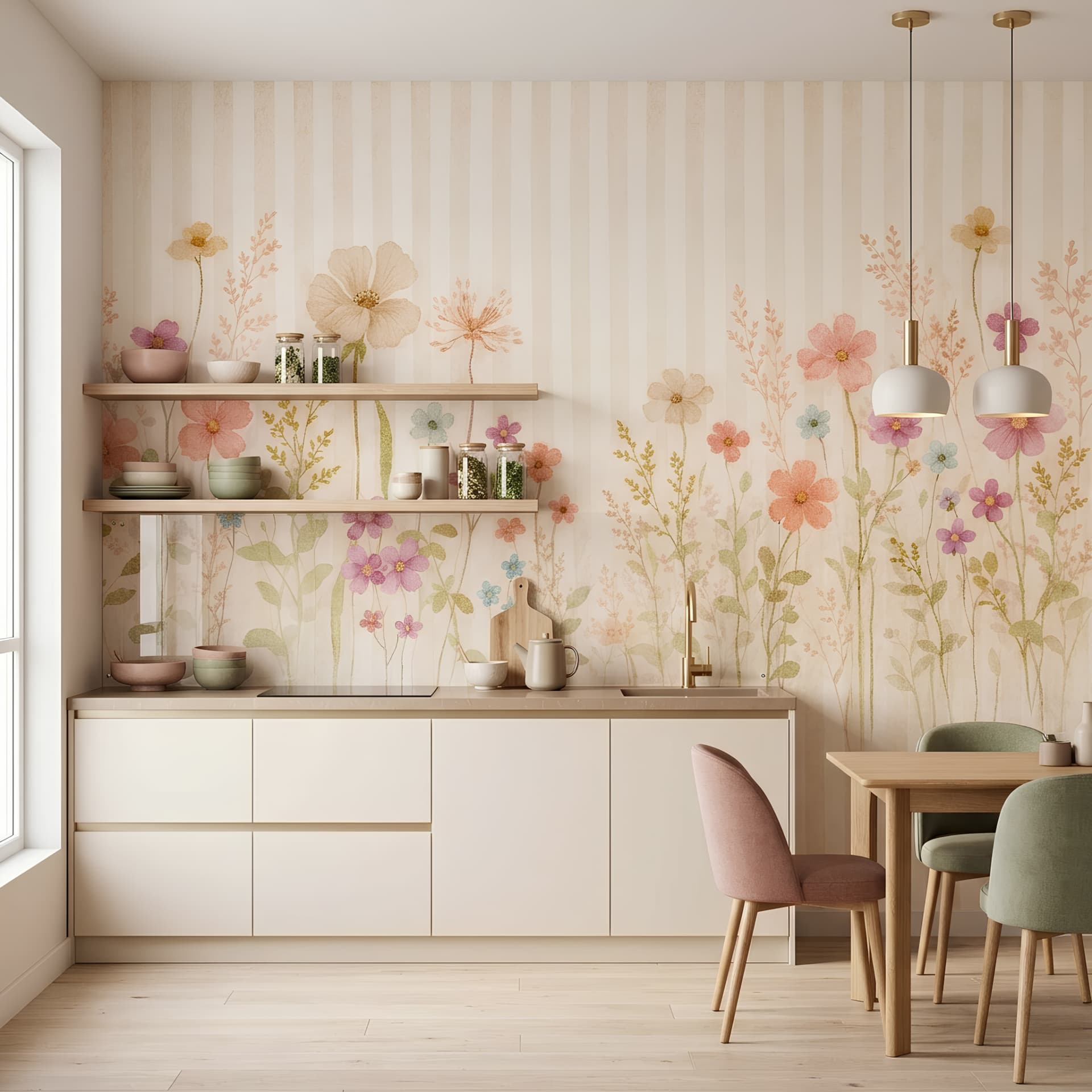
Pastel Spring Garden Striped Wallpaper
DA
Dekoartizan Tasarım Ekibi
Duvar kağıdı sektöründe uzmanlaşmış tasarım ve içerik ekibimiz, iç mekan dekorasyonu, malzeme bilgisi ve uygulama teknikleri konusundaki birikimlerini bu rehberlerde paylaşıyor. Tüm içerikler saha deneyimi ve güncel sektör verileriyle desteklenir.
İçeriklerimiz saha deneyimi ve sektörel uzmanlığa dayanır
art wallpaperabstract wallpaperfresco wallpapercanvas wall muralcustom art printfeature wall art