Loading article…
how to choose wallpaperwallpaper buying guideaccent wall ideas
How to Choose Wallpaper in 2026: A 7-Step Guide to the Right Design
From wallpaper types and materials to room-by-room ideas and hanging tips. Use this up-to-date 2026 guide to create the space you've been picturing.
D
By Dekoartizan Tasarım Ekibi··7 min read
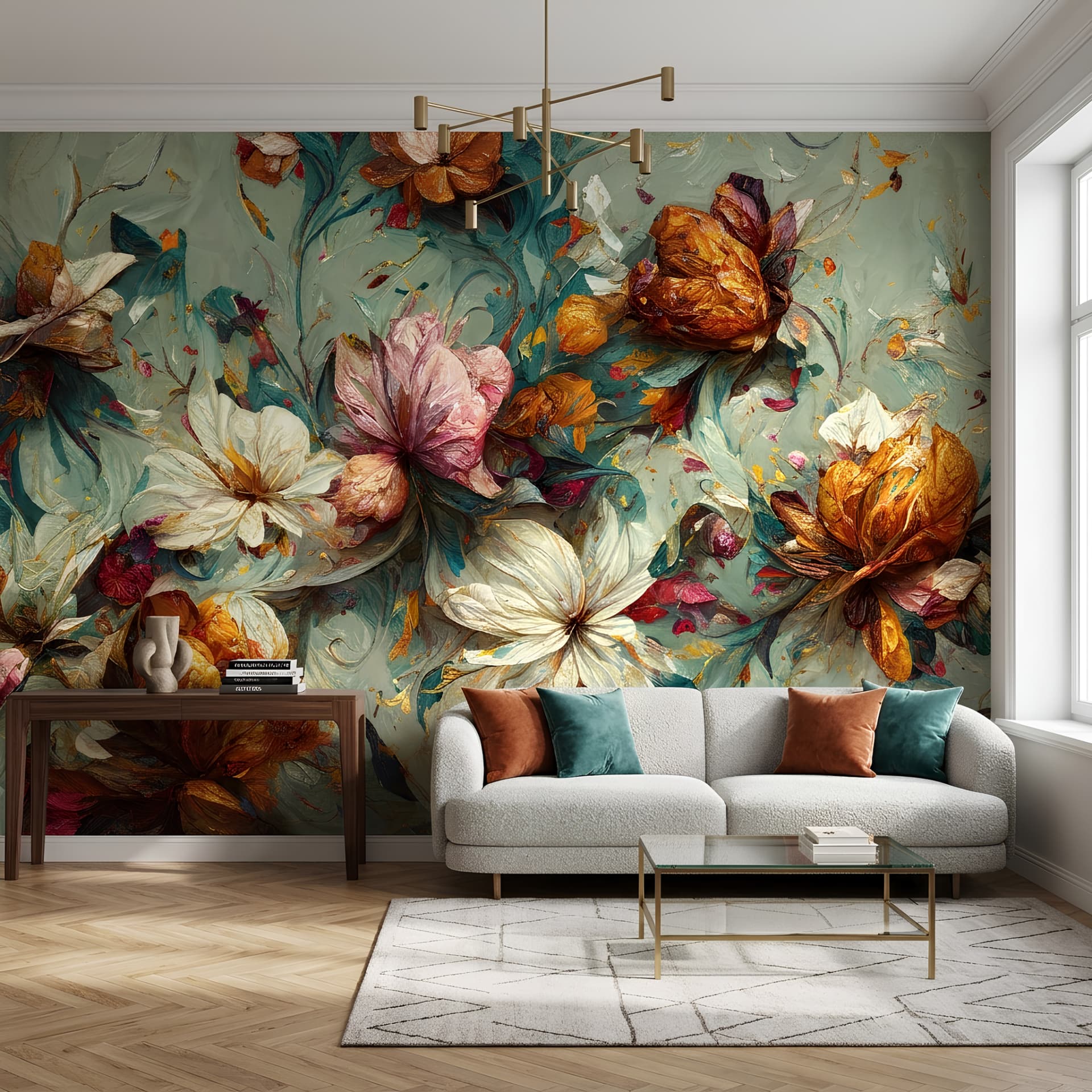
How to Choose Wallpaper: A Systematic Way to Pick the Right Design Among Hundreds
Learning how to choose wallpaper is fun, but it can also feel overwhelming. Hundreds of patterns, dozens of shades, different materials and room-specific needs all compete for your attention. In this guide we walk through the exact order a professional decorator thinks in, so you can land on the right paper systematically and without regrets, in seven steps.
Step 1 — Which Wall? Start by Choosing Your Accent Wall
Covering the whole room rarely gives the best result. In modern interiors the accent wall (a single feature wall) has become the standard approach:
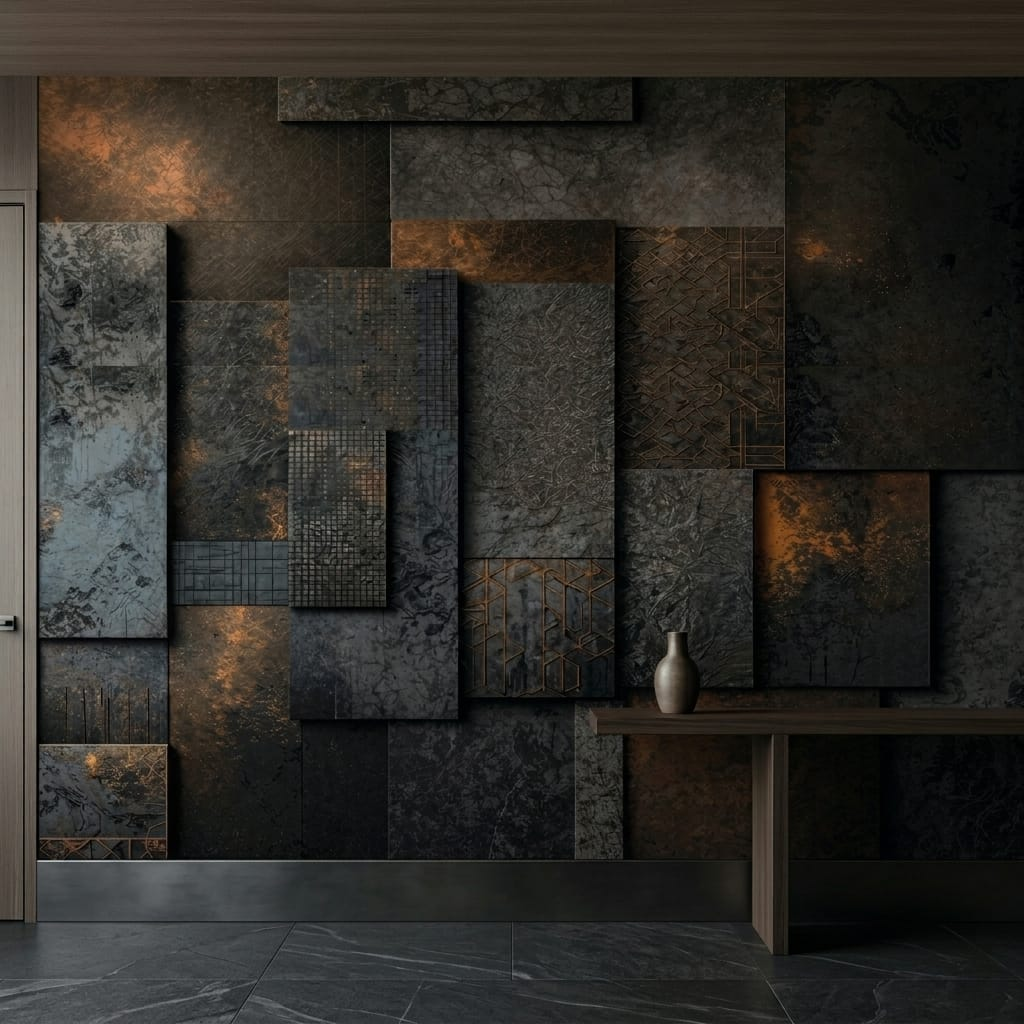
- Living room: The wall behind the sofa, or the one holding the TV.
- Bedroom: The wall the headboard leans against.
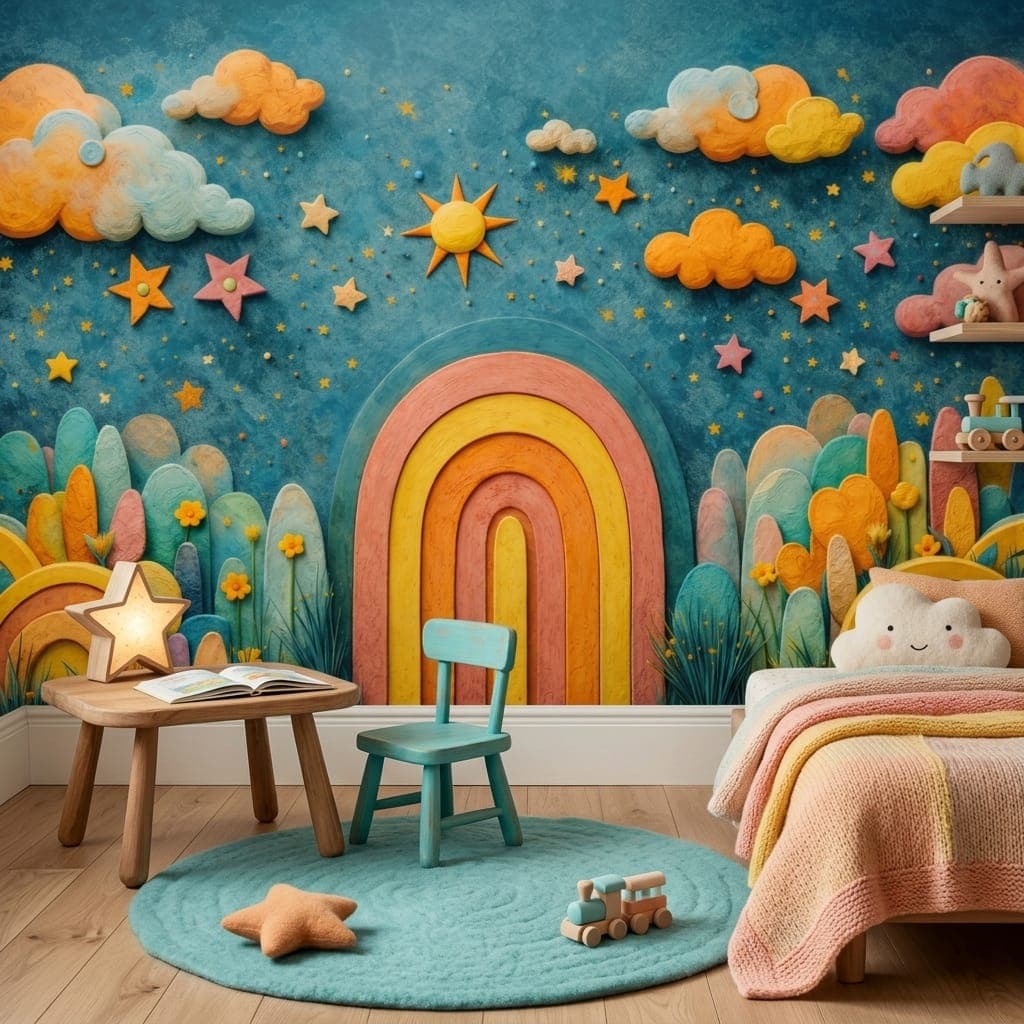
- Kids' room: Behind the head of the bed or behind the play corner.
- Home office: The wall behind the desk, which doubles as a backdrop on video calls.
Step 2 — Analyse the Light
Which way does the room face, and how much daylight does it get? The answer directly shapes your colour and finish:
- Low-light room (north/east facing): Light colours, metallic and pearlescent finishes, reflective surfaces — multiply what little light you have.
- Bright room (south/west facing): Deep tones and bold patterns sit comfortably here.
- Light that shifts through the day: Matte finishes keep colour constant; glossy surfaces let colour move with the light — each offers a different aesthetic.
Step 3 — Read Your Existing Colour Palette
List the tones in your furniture, rug and curtains:
- Warm tones (walnut, beige, terracotta): Harmonise with warm-ground papers, or create a lively contrast with cool-toned ones.
- Cool tones (grey, black, white): Pair neatly with botanical greens, navy and soft shades.
- Colourful furniture: Go for neutral, pattern-free or very subtly textured papers; two strong colours clashing tires the eye.
Step 4 — Choose the Material Type
How the room is used dictates the material:
- Kitchen / Bathroom: Vinyl (wipeable, moisture-resistant). See the full comparison →
- Bedroom / Nursery: Non-woven (breathable, health-friendly).
- Rented flat: Non-woven (peels off without a trace).
- Hallway / Corridor: Vinyl (scratch-resistant, easy to clean).
Step 5 — Decide on the Pattern Scale
- Small / narrow room: A large motif with plenty of negative space (on one wall only), or vertical stripes. Tricks to make a room look bigger →
- Medium room: Any pattern works; large-format murals deliver the strongest effect.
- Large room: Use big, dense patterns freely; you can cover every wall.
Step 6 — Mind the Colour Psychology
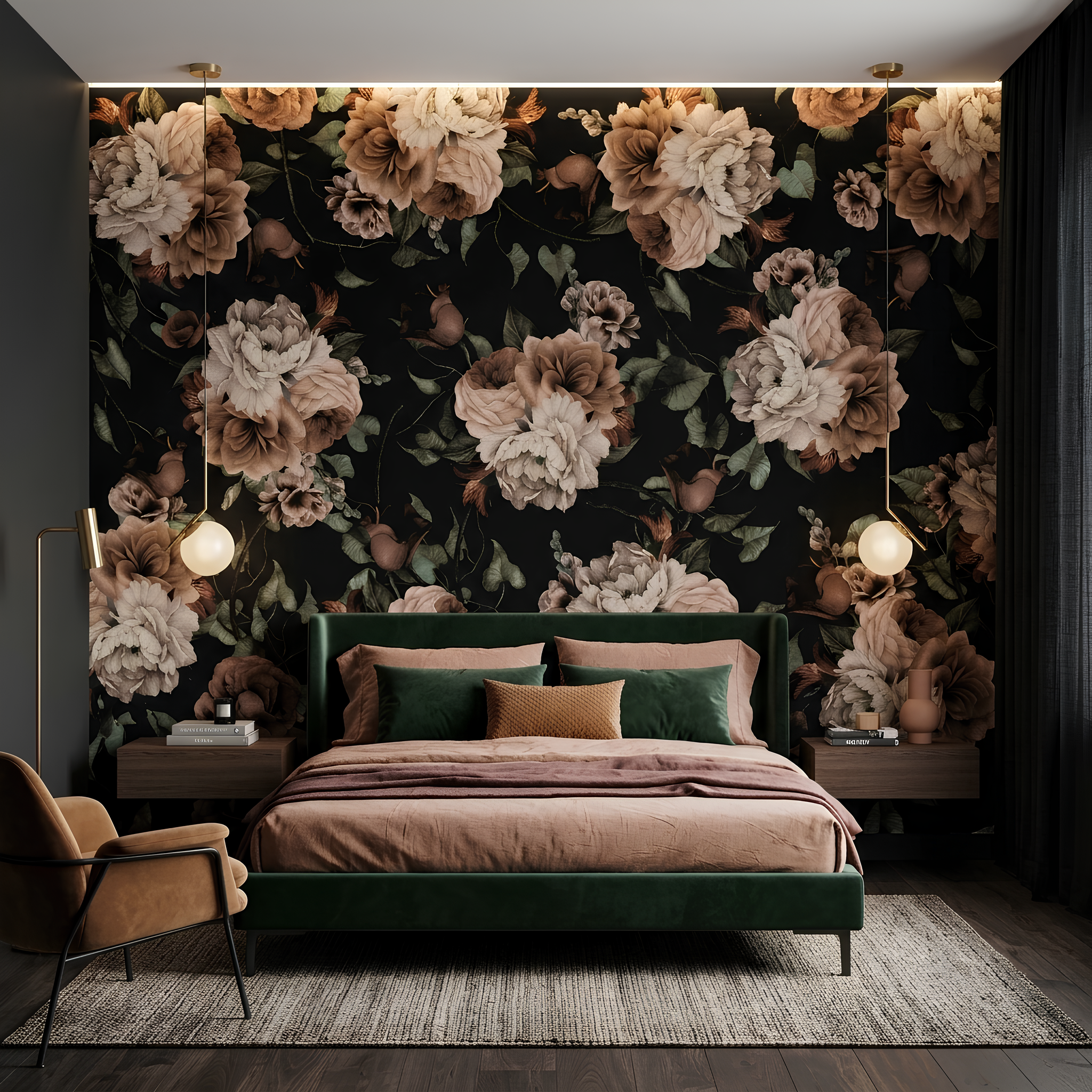
| Colour Group | Psychological Effect | Best Room |
|---|---|---|
| Pastel Blue / Lavender / Sage | Calming, stress-reducing | Bedroom, study |
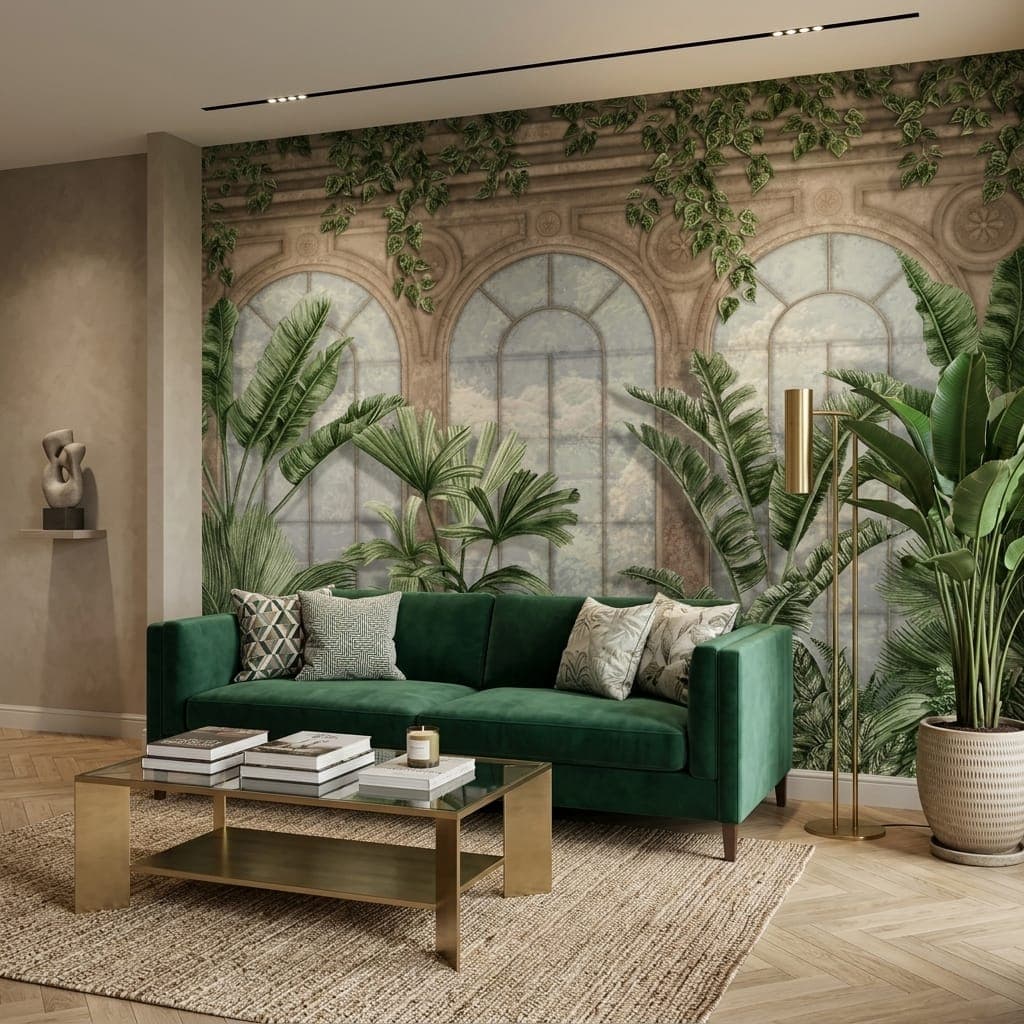
| Botanical Green / Tropical | Refreshing, biophilic energy | Living room, hallway |
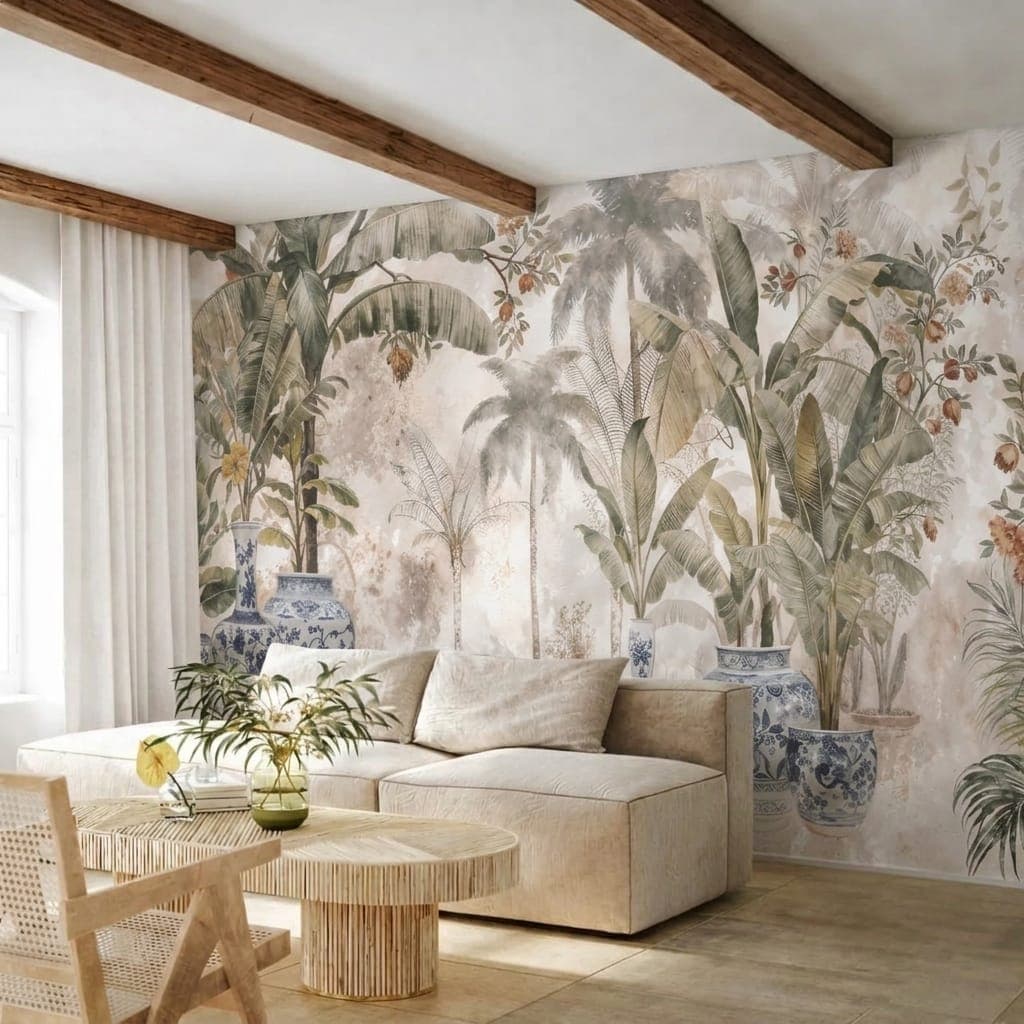
| Terracotta / Warm Earth | Trust, comfort, warmth | Living room, dining room |
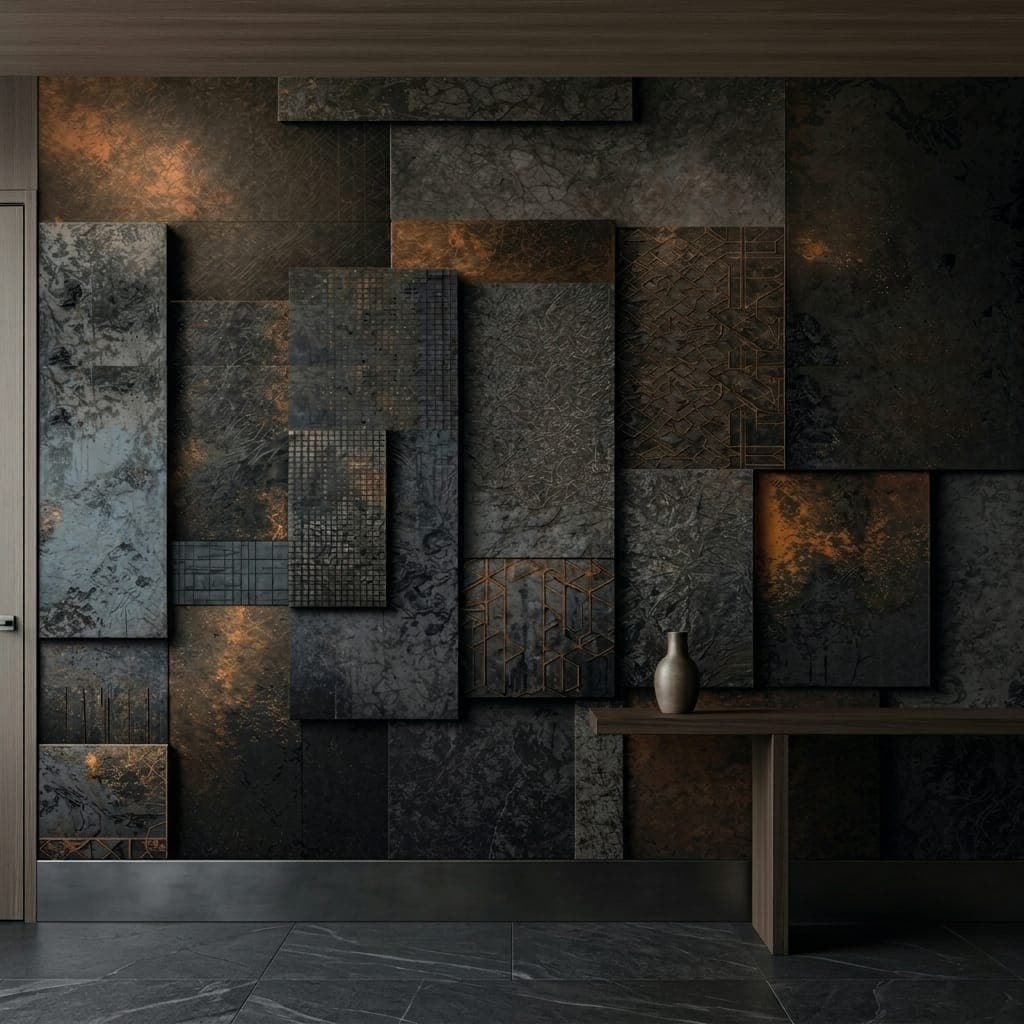
| Charcoal / Midnight Blue | Depth, luxury, cocoon feel | Bedroom accent wall |
| Neutral Beige / Cream | Universal harmony, timeless | Every room |
Step 7 — Preview and Test
- Use the high-resolution previews on DEKOARTİZAN product pages.
- Drop your chosen design onto a photo of your own room in a photo editor to test it.
- When in doubt, ask our technical team.
- Living room wallpaper guide 2026
- Wall panel comparison
Choosing Colour by the Direction of Light
The variable most often skipped in buying guides is which way the window faces. North-facing rooms get cool, bluish light all day; here warm-undertone grounds (cream, beige, blush, terracotta) restore the balance, while grey-blue grounds push the room toward gloom. Bright south-facing rooms carry any shade — they are the safest home for deep, saturated patterns. East-facing rooms get warm morning light and neutral afternoon light; west-facing rooms turn orange in the evening, and red-and-orange patterns burst with saturation at those hours. That is exactly why watching a sample on your chosen wall morning and evening is a single-sentence piece of advice worth its weight in gold.
The Ordered Decision List: The Right Paper in 6 Steps
Let's compress the whole guide into one flow. One: clarify the room's function (rest, work or representation). Two: gauge the moisture and contact load, then pick the material class — the types guide gives you a matching table. Three: decide ground warmth based on light direction. Four: choose pattern scale to suit the room size (small room — small/sparse motif). Five: settle on a design family and narrow it to two or three finalists. Six: order samples of the finalists and test them in place. In our experience, customers who follow this order rarely send a design back or regret the choice.
The Budget Plan: Where to Cut, Where Not To
The invisible half of any choice is how you spread the budget. Items you can cut: limiting the covered area to a single accent wall, hanging a peel-and-stick base yourself, and waiting for a sale. The items you should never cut are clear: base material quality (low grammage gives itself away within two years), the sampling stage, and the wipeability class in wet areas. To pin down the total cost, do the square-metre calculation, multiply by the 2026 rates, and if you'll need a fitter, add the brackets from the installation guide.
A Compromise Formula for Shared Spaces
In shared spaces such as the living room a clash of taste is normal; our practical compromise formula has three steps. Each party browses the catalogue separately and picks five favourites; the lists are compared — almost every time one or two overlaps appear; if none do, you trade: one person chooses the ground colour, the other the pattern family. It sounds simple, but here is what a decade in the field shows us: the fight never comes from the pattern itself, it comes from the process being run one-sidedly. Having two people assess the sample together removes the line "I never wanted it anyway" from the house entirely.
How to Choose Wallpaper: The Golden Sentence
The distilled answer to how to choose wallpaper is this: before any matter of taste, it is the sum of four technical decisions (function, material, light, scale) — if the four technical ones are right, the taste decision rarely goes wrong. Anyone who follows the order in this guide is protected from the classic mistakes of being swept up by the catalogue's magic and putting textile in the bathroom or charcoal in a dim room. Let the sample always have the final word; paper lives on the wall, not on a screen.
Frequently Asked Questions
Should I choose wallpaper before or after buying furniture?
The ideal order is wallpaper first, furniture second. Paper is a fixed decision that takes time to change; furniture is far easier to swap out.
Can I use two different wallpapers in one room?
Yes — it's actually recommended. A bold pattern on the accent wall and a plain texture on the other three walls gives a result that is both dynamic and balanced.
Can I put up wallpaper in a rented flat?
Choose non-woven-backed paper. On moving day you can peel it off in one piece, dry and without a trace.
Explore the DEKOARTİZAN Collection
Once you've worked through these 7 steps, head to our online store; use the category, colour and material filters to reach the right design in minutes. Free shipping and made-to-measure production.
Related Guides
Before you decide, read our wallpaper vs paint comparison guide. The specific selection criteria for kitchens and bathrooms are detailed in our wet-area guide. If you're renting, our wallpaper guide for tenants offers tips tailored to you.
Is it risky to choose online without seeing a showroom?
The sample service exists to close exactly that risk: a real printed swatch of the design you liked on screen reaches your hands, and you test it on your own wall in your own light. Showroom lighting is standardised and does not represent your room; that is why an at-home test with a sample gives a more accurate result than a showroom visit.
From our shop
Wallpapers You Might Like
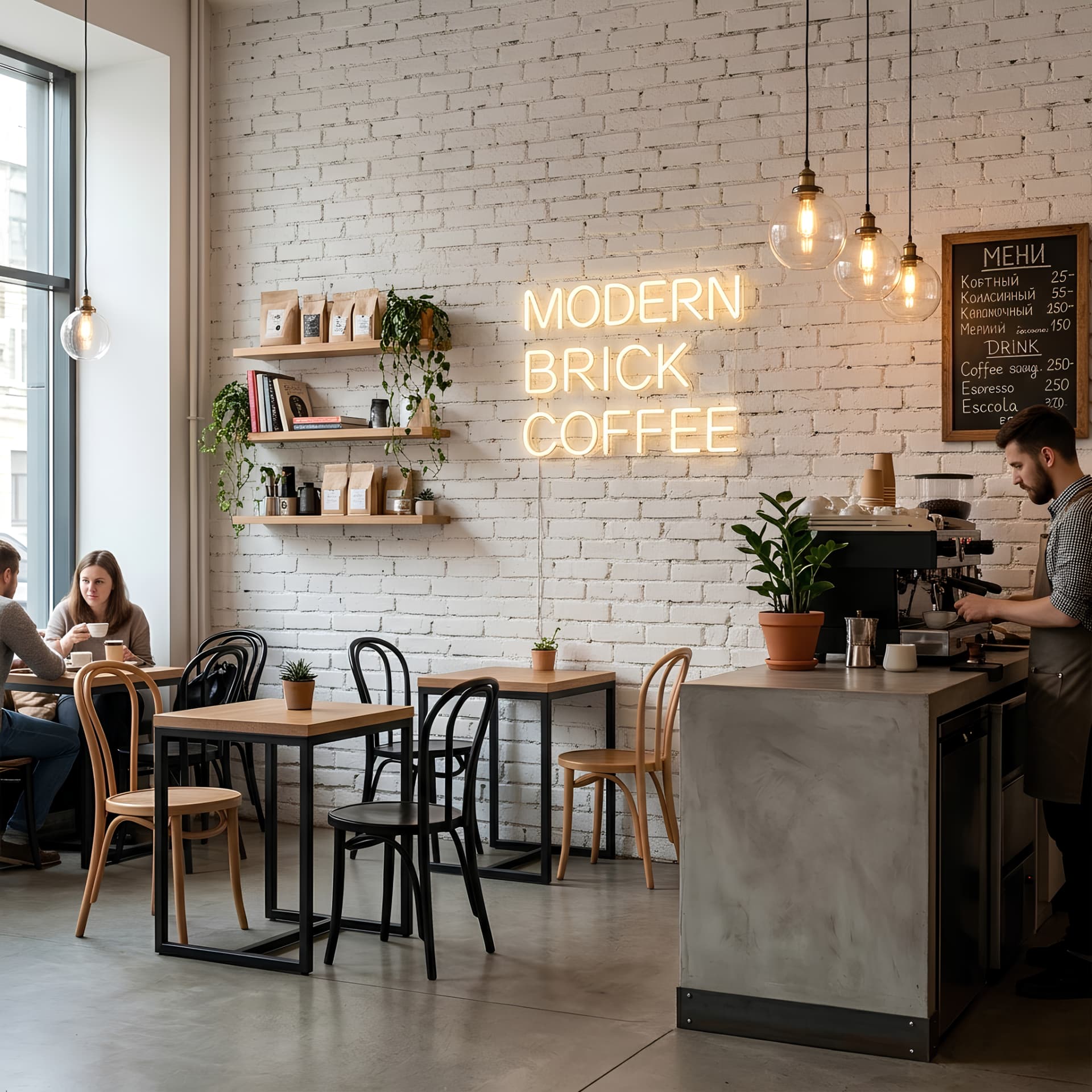
3D White Stone Brick Textile Wallpaper
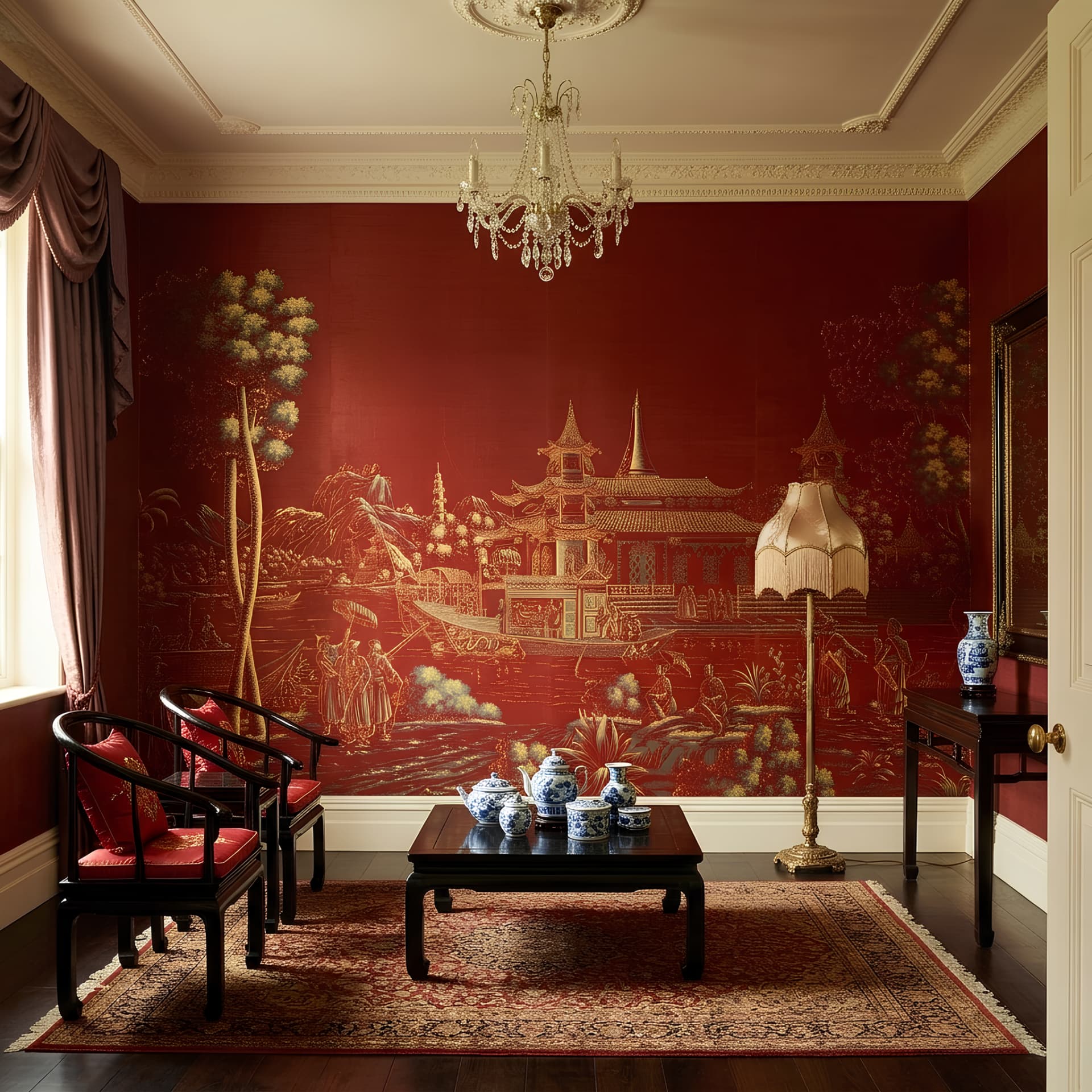
Classic Chinese Motif Burgundy Wallpaper
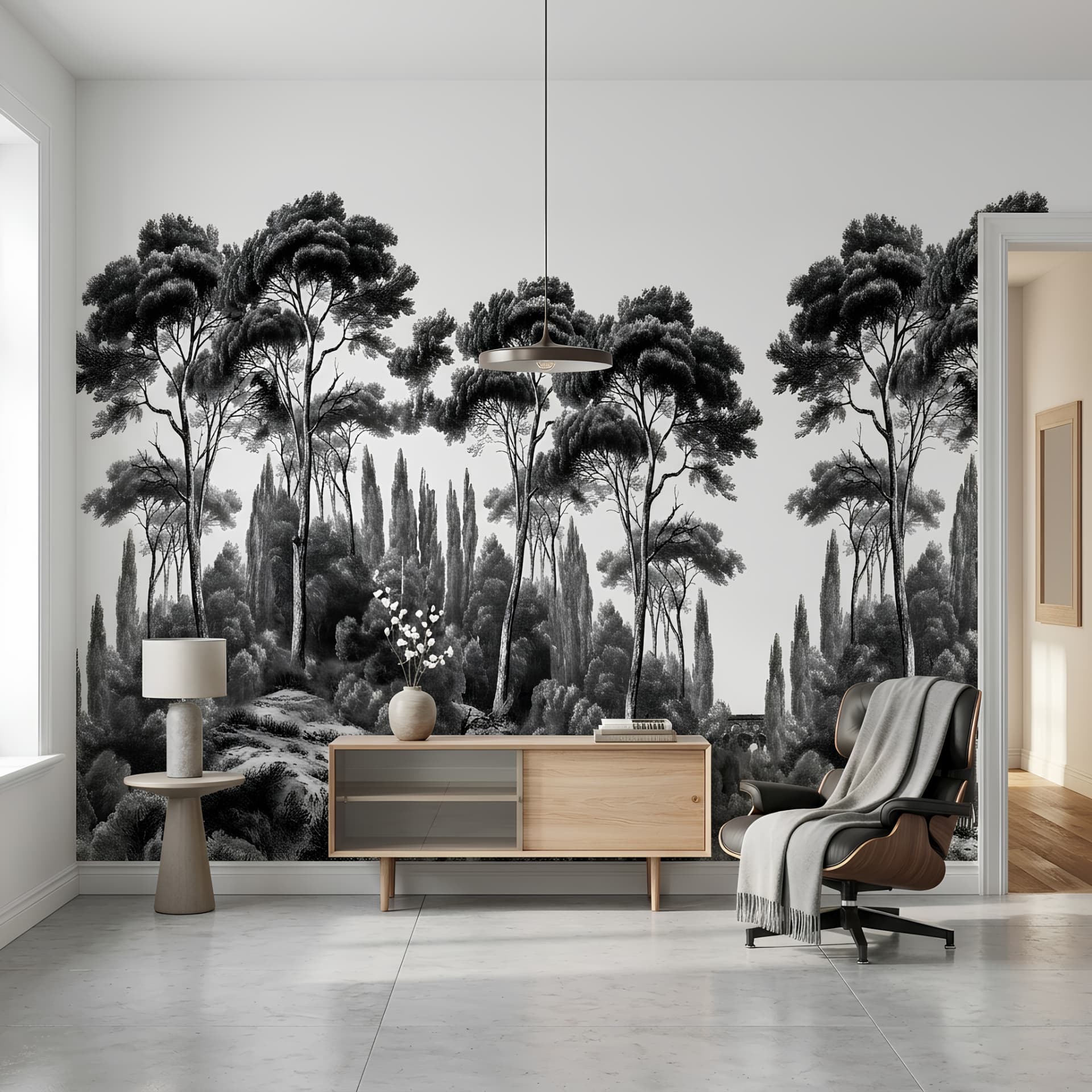
Black & White Vintage Forest Wipeable Wallpaper
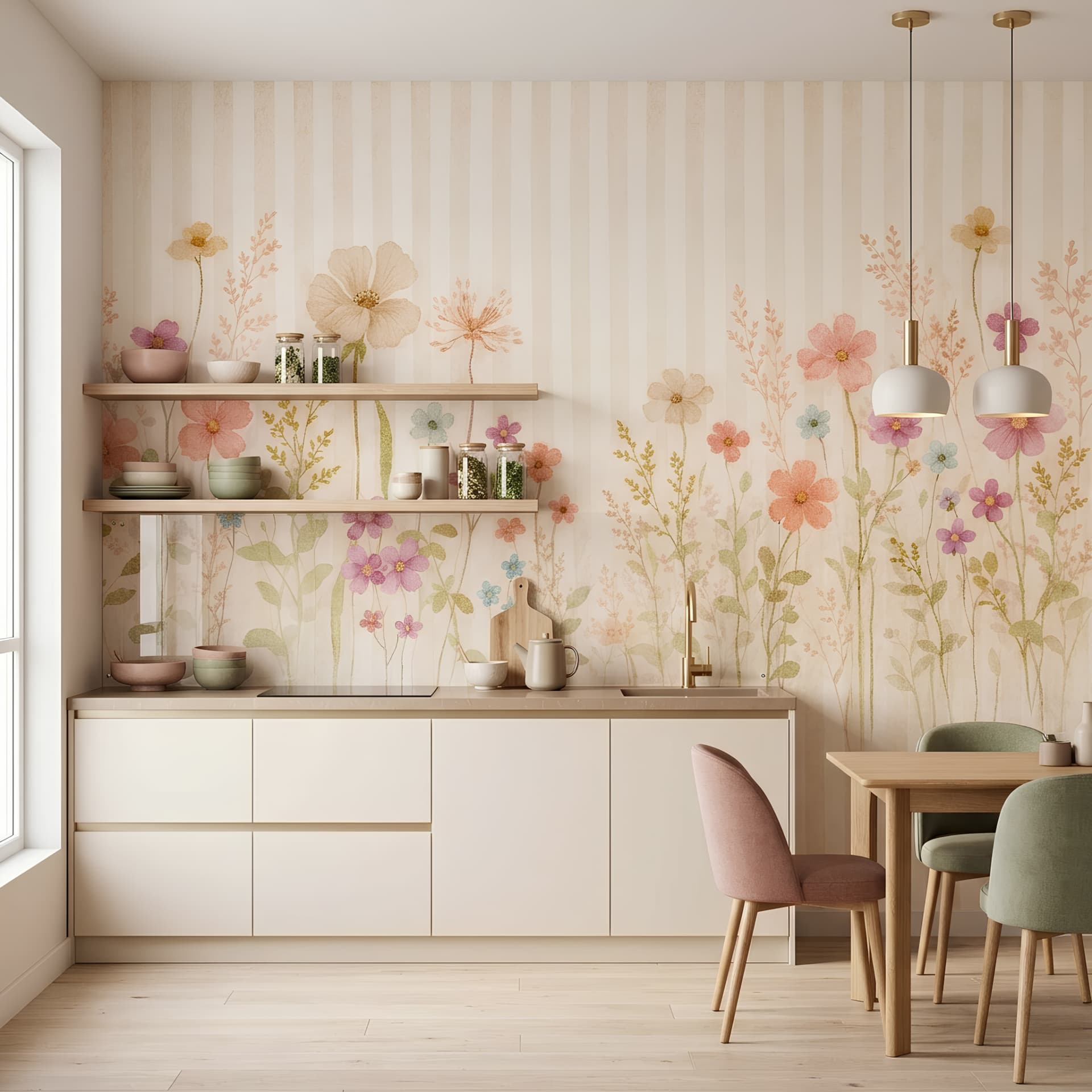
Pastel Spring Garden Striped Wallpaper
D
Dekoartizan Tasarım Ekibi
Dekoartizan Tasarım Ekibi, DEKOARTİZAN bünyesinde duvar kağıdı tasarımı ve iç mekan dekorasyonu alanında içerik üretmektedir.
İçeriklerimiz saha deneyimi ve sektörel uzmanlığa dayanır
how to choose wallpaperwallpaper buying guideaccent wall ideaswallpaper for small roomsnon-woven wallpaperwallpaper colour guide